The Civil Society Budget Advocacy Group (CSBAG) is a coalition that brings together CSOs and individuals in Uganda to engage in influencing the budget processes
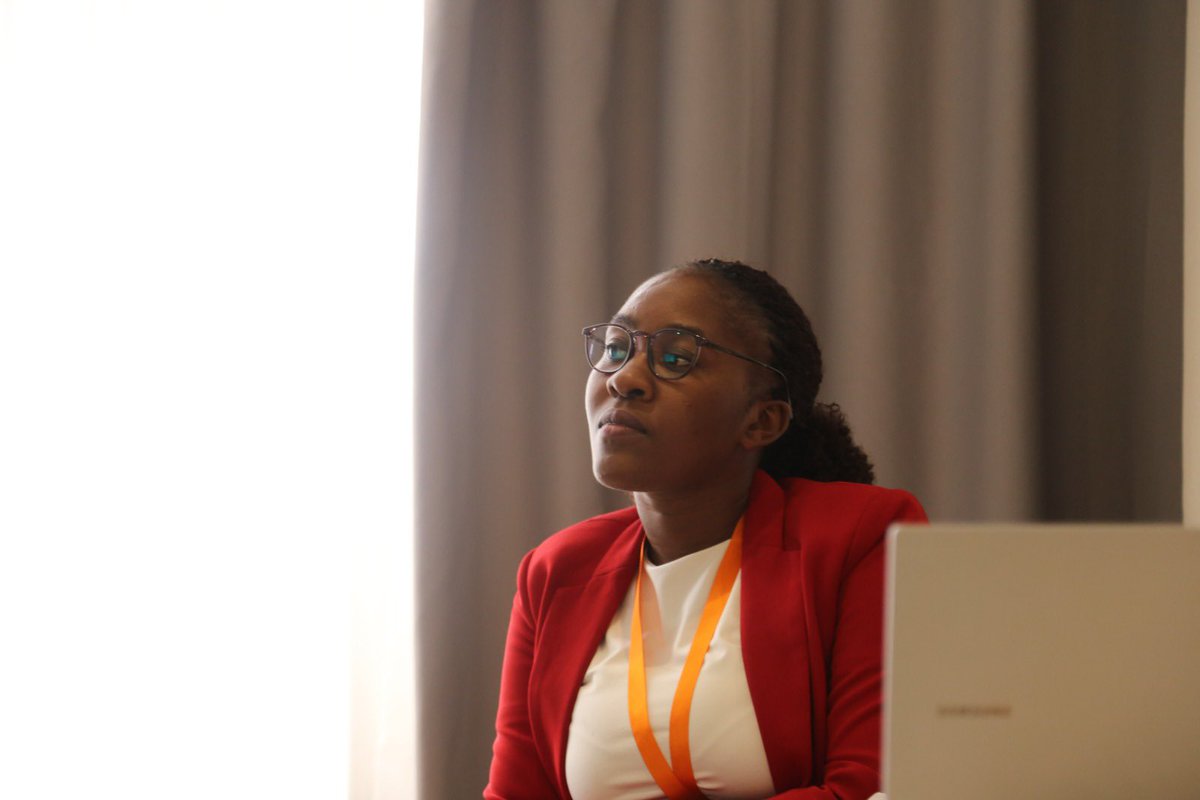
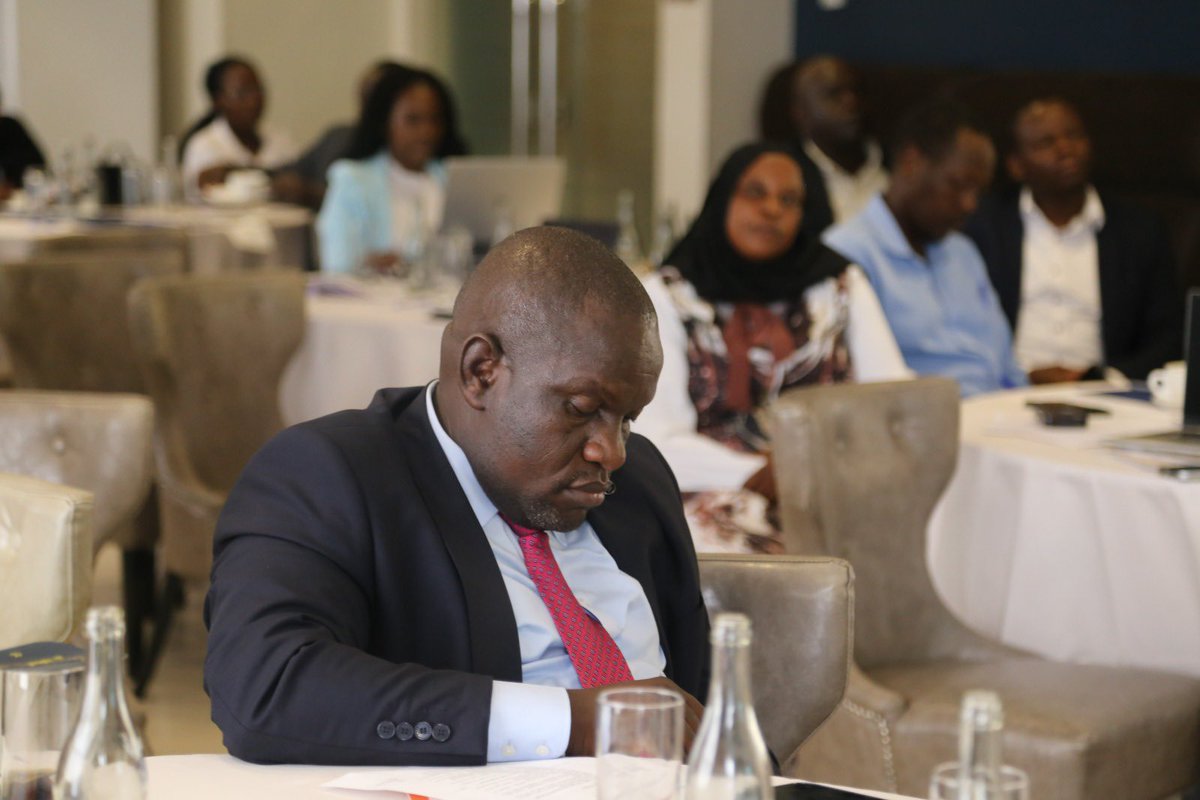
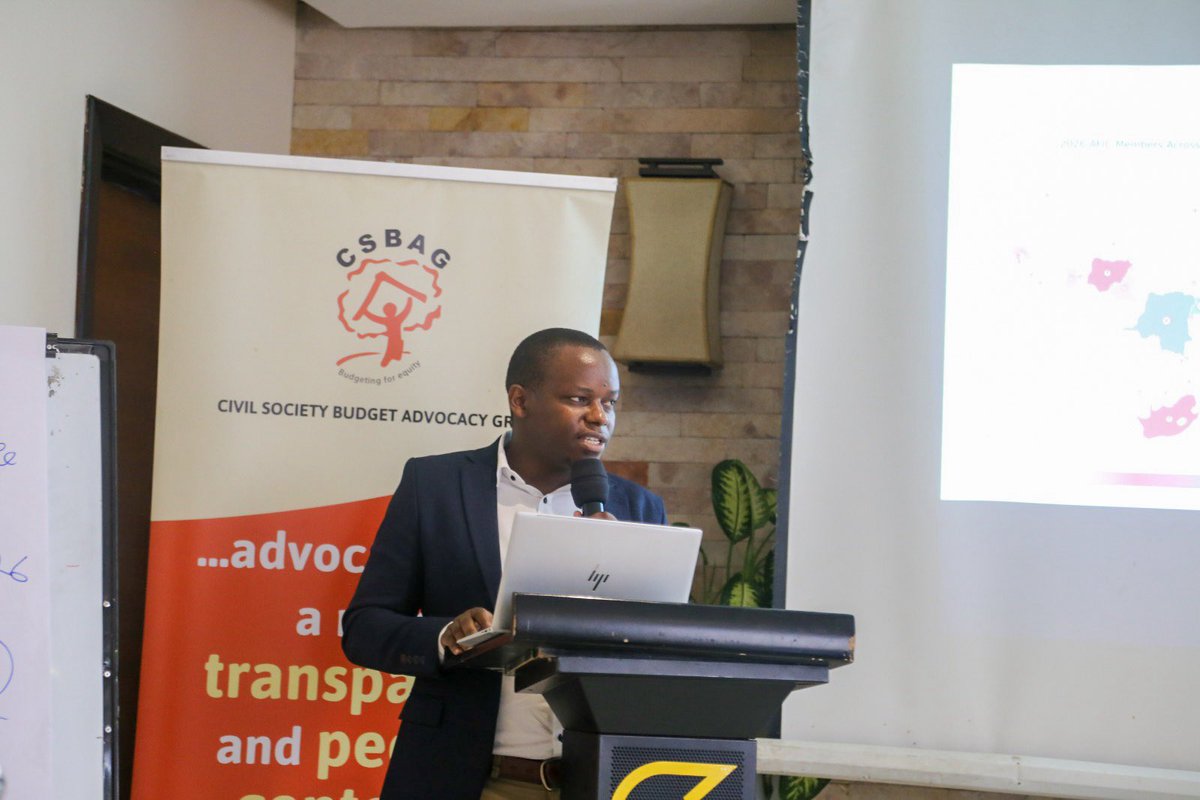
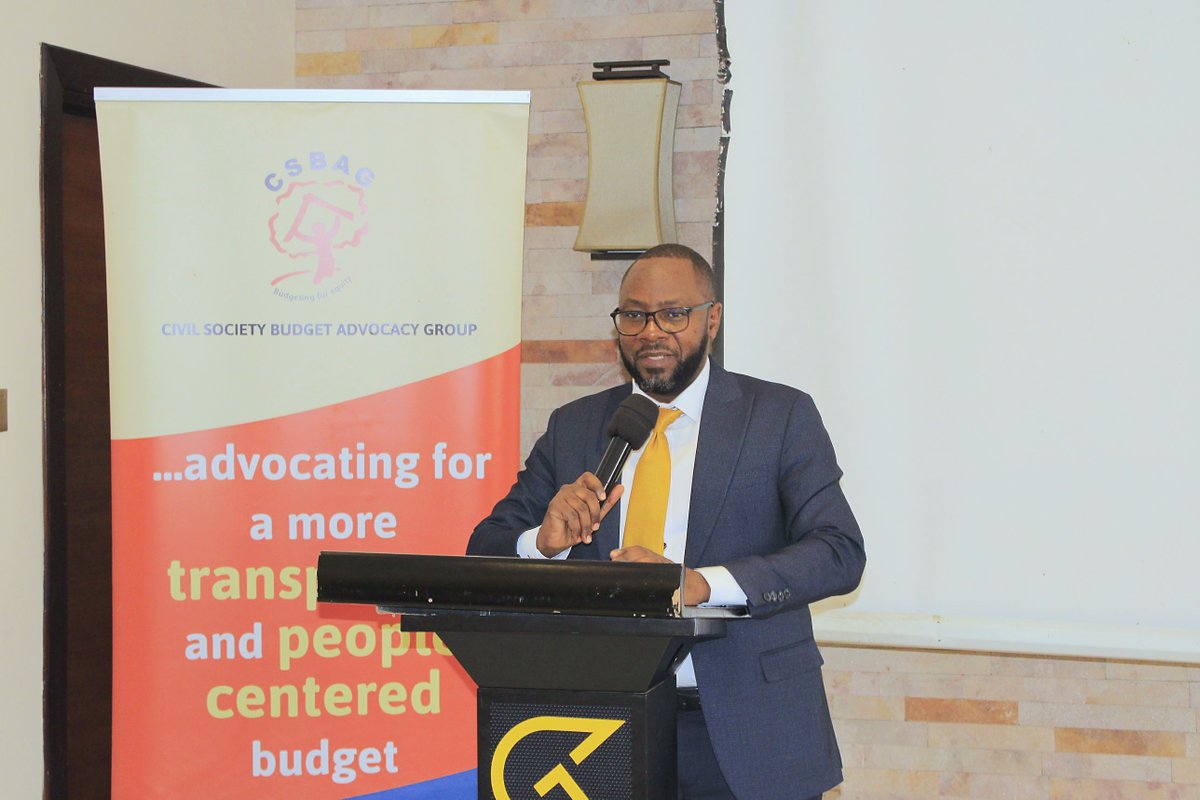
@CSBAGUGANDA participated in a two-day capacity building training on Public Finance Management (PFM) and Budget Advocacy, convened by @ReliAfrica
Participants explored various areas including:
✅ PFM fundamentals and Uganda's budget cycle
✅ Public investment management in education
✅ Revenue mobilisation and tax justice
✅ Gender-responsive and inclusive budgeting
✅ Budget accountability and citizen participation
✅ Practical tools for budget advocacy and media engagement
#PublicFinanceManagement
Through group exercises, budget analysis and lively discussion, members built the skills to track public resources and advocate for better education financing and improved service delivery.
When citizens understand the budget, they can hold leaders accountable and push for services that work for everyone.
Thank you to the different facilitators from @CSBAGUGANDA@mofpedU@Makerere University and @EY for sharing their expertise.
#PublicFinanceManagement
Government is stepping up domestic borrowing, seeking UGX 990bn through a Treasury bond auction. Economists warn of pressure on private sector credit, high bond rates that could hurt businesses, and questions over debt sustainability.
@CSBAGUGANDA ED @JuliusMukunda emphasizes what the rising debt means for the money available for education and other public services.
Budgets should be transparent, accountable and equitable. Join the conversation, how should borrowing be balanced against service delivery?
@mofpedU@ACODE_Uganda@SEATINIUGANDA@PSF_Uganda@IMFAfrica@GovUganda
courtesy of @NBSBreakingNews
The government is seeking to raise 990 billion shillings through its latest Treasury bond auction, stepping up domestic resource mobilisation to finance budgetary requirements.
@EdwinMuhumuza3#NBSLiveAt9#NBSUpdates
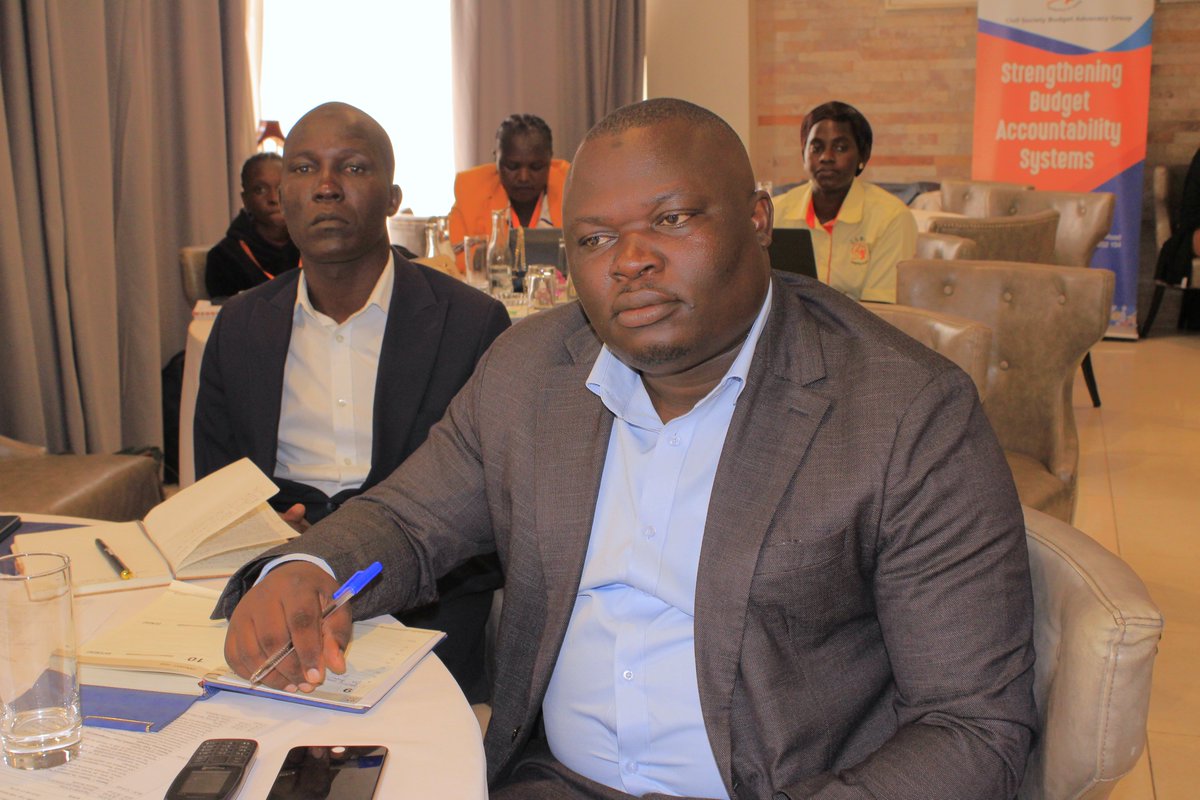
We have participated in @CSBAGUGANDA cohort two induction workshop of the newly elected members of @Parliament_Ug on taxation and public procurement and accountability in Uganda.
Our staff presented Uganda’s public procurement framework, transparency and accountability challenges in public procurement and implementation of government projects.
We also guided the MPs on how to access procurement information and their role in promoting transparency
In his closing remarks, Hon. Katabazi Patrick MP Rukiga District appreciated participants for their time on the different sessions.
He provided a recap of the day's activities with domestic revenue and taxation: how Uganda raises public money, whether the system is fair, and why it matters that citizens understand the taxes they pay.
"We ended with public procurement and parliamentary oversight, which is where that money becomes roads, health centres, schools and medicines."
Procurement should also be fair to everyone who wants to take part. Women-led businesses are the backbone of our economy, and they should have real opportunities to compete.
I thank the facilitators for their evidence and insight, the @CSBAGUGANDA@africafoicentre for convening us, and all participants for your contributions. Let us leave here committed to turning these discussions into action. Open data, stronger oversight and public money that serves the public.
🇳🇱🇸🇪🇮🇪🇩🇰@DKinUganda@mofpedU@Parliament_Ug@ACODE_Uganda@SEATINIUGANDA@JuliusMukunda@africafoicentre
Domestic arrears are unpaid government obligations for goods, services, or works that remain unsettled beyond. These arrears are killing the private sector with some going as far as 13 years ago.
According to the Budget Execution Circular for FY2026/27, the UGX 317 billion is part of a medium‑term strategy to reduce the stock of unpaid obligations to suppliers, contractors, and other service provider.
Jeff Wadulo- @CSBAGUGANDA@mofpedU@Parliament_Ug@ACODE_Uganda@SEATINIUGANDA 🇳🇱🇸🇪🇮🇪🇩🇰 @DKinUganda@JuliusMukunda@africafoicentre
Session 2 | Public Procurement, Project Management & Parliamentary Oversight
Facilitated by @africafoicentre's Sight Ampamya and Owilla Mercy, this session looked at what a lack of transparency in public procurement costs Uganda.
Public procurement is where budgets turn into roads, hospitals, schools and medicines. It is one of the biggest ways Government spends public money, so when it is open and well managed, citizens get value for their taxes. When it is hidden, public money is more easily wasted or lost.
What the research shows (@africafoicentre study)
➡️ Over 80% of public procurement awards lack key information on value, period and methodology.
➡️Over 78% have no delivery dates or allocations.
➡️There is little to no data on bidders or procurement plans.
➡️Only 1% of procurement goes to women-led businesses, even though women are the backbone of Uganda's businesses and economy.
Parliament can only oversee what it can see, and citizens, civil society and the media are often the first to notice when something is wrong.
Communities can see whether the work was actually delivered, so they can spot warning signs such as:
Inflated prices, Abused "emergency" procurement, Collusion among bidders, Conflicts of interest, Unplanned or split purchases and poor or missing delivery
Why it matters
A transparent public procurement system is key to accountability and equitable participation.
@mofpedU@Parliament_Ug@ACODE_Uganda@SEATINIUGANDA 🇳🇱🇸🇪🇮🇪🇩🇰 @DKinUganda@JuliusMukunda
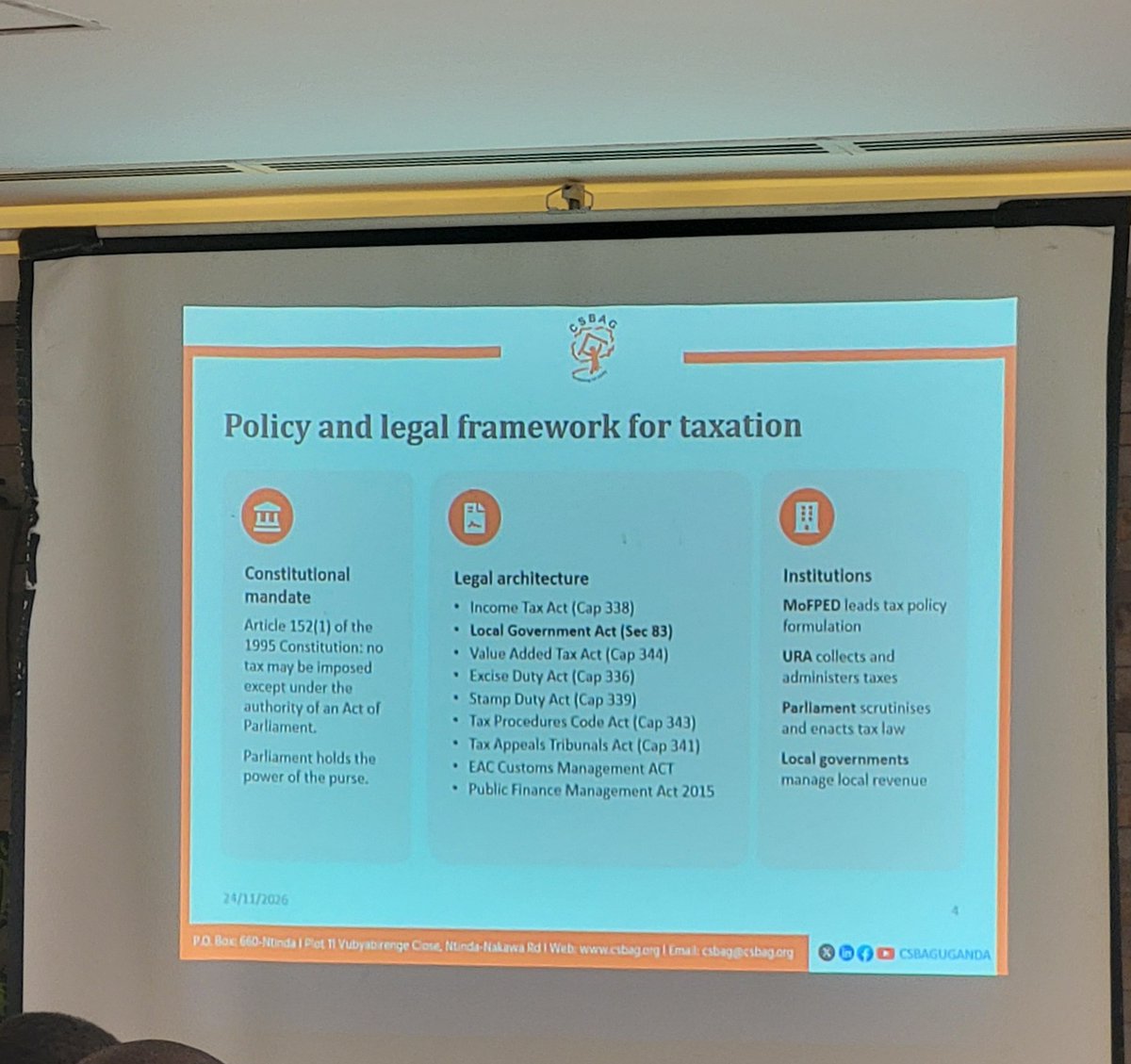
The overlap between @URAuganda taxes and local government taxes both targeting the same taxpayers remains a challenge, particularly where service delivery has not kept pace.
Citizens expect the best from their taxes, yet it is unfair that parents who pay these taxes see their children studying under trees and learn in schools with too few teachers.
Edna Abiko - Regional Coordinator @CSBAGUGANDA@mofpedU@Parliament_Ug@ACODE_Uganda@SEATINIUGANDA 🇳🇱🇸🇪🇮🇪🇩🇰@DKinUganda@JuliusMukunda@africafoicentre
@CSBAGUGANDA Economist @ruth_arinda is currently facilitating a session on "Taxation, Tax Justice and Parliamentary Oversight"
On the Fiscal Context
➡️Uganda's FY2026/27 budget is UGX 84.39 trillion, with a domestic revenue target of UGX 40.16 trillion.
➡️Government aims to raise the tax-to-GDP ratio from ~14% to 20% under the second Domestic Revenue Mobilisation Strategy.
The role of Parliament:
➡️Review tax legislation, assess who bears the burden (low-income households, women, youth, informal sector).
➡️Scrutinise tax expenditures, demand beneficiary-level reporting and performance evidence for exemptions.
➡️Track revenue policies including exemptions, incentives, and their alignment with the Citizens' Economic Charter priorities.
➡️Use the Contract Monitoring System (CMS) under the CSBAG–PPDA MOU to track procurement and follow up audit findings.
➡️Engage the PFPFM (Parliamentary Forum on Public Finance Management) for continuous technical support.
@mofpedU@Parliament_Ug@ACODE_Uganda@SEATINIUGANDA 🇳🇱🇸🇪🇮🇪🇩🇰@DKinUganda@africafoicentre@JuliusMukunda
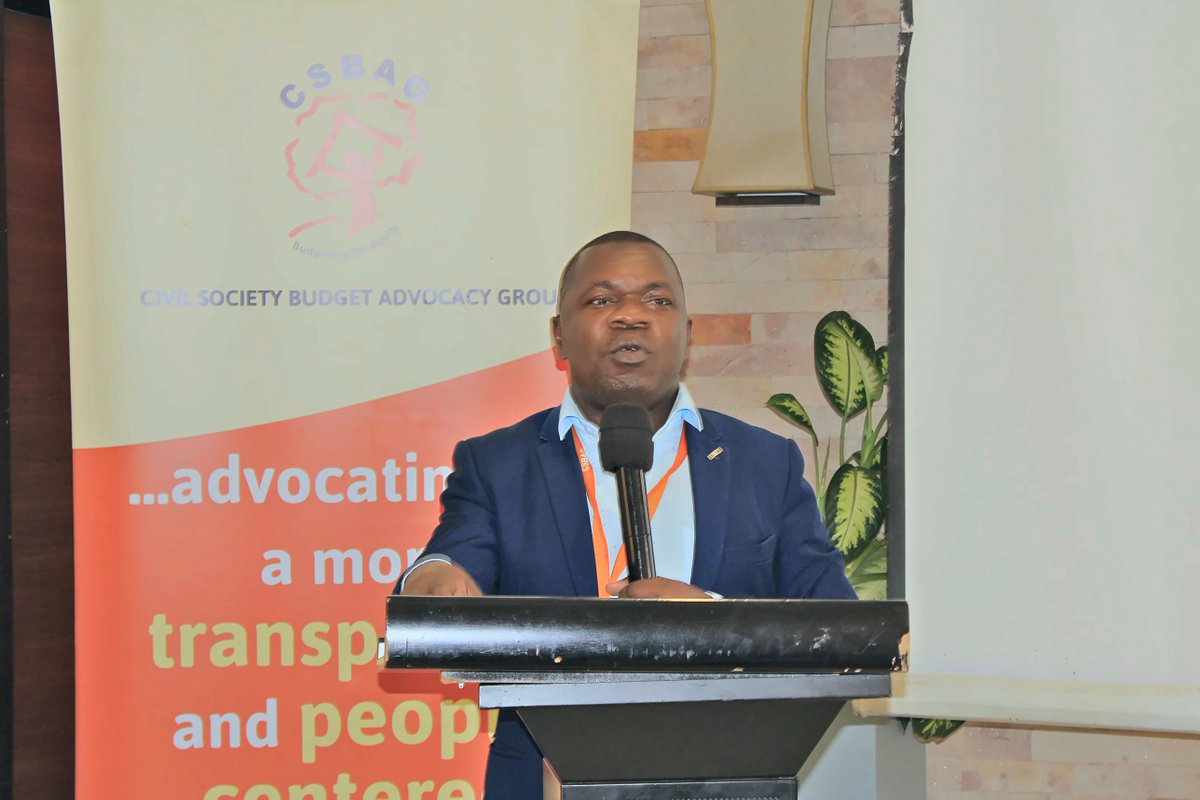
In his welcome remarks on behalf of the @CSBAGUGANDA ED @JuliusMukunda the Monitoring and Evaluation Specialist Wilberforce Onyango attributed that this workshop responds directly to the Citizens' Economic Charter: 10 priorities Ugandans identified ahead of the 2026 elections, including affordable electricity, tax literacy, national health insurance, adequate education financing & reliable agricultural extension services.
In addition, public procurement accounts for 60% of government expenditure yet unauthorised procurements, price variations, unclear specifications & delayed compensation of Project Affected Persons persist.
Our MOU with @PPDAUganda uses the Contract Monitoring System to equip MPs with evidence to track contracts & strengthen oversight.
He welcomed all participants and wished them fruitful deliberations
🇳🇱🇸🇪🇮🇪🇩🇰@DKinUganda@mofpedU@Parliament_Ug@ACODE_Uganda@SEATINIUGANDA@JuliusMukunda
Today, @CSBAGUGANDA is conducting an Induction Workshop for newly elected Members of Parliament on Taxation, Public Procurement, and Accountability in Uganda.
This is the second cohort of MPs to be inducted; the first cohort was trained on Prudent Public Finance Management and National Development Priorities.
@mofpedU@Parliament_Ug@ACODE_Uganda@SEATINIUGANDA 🇳🇱🇸🇪🇮🇪🇩🇰@DKinUganda@JuliusMukunda
Some of the key issues are, teacher welfare, textbooks, classrooms & supportive learning spaces. Participants stressed education funding must prioritise conditions for effective teaching and learning.
Hon. Adrine Katusiime - Sheema Woman MP
#QualityEducationUG