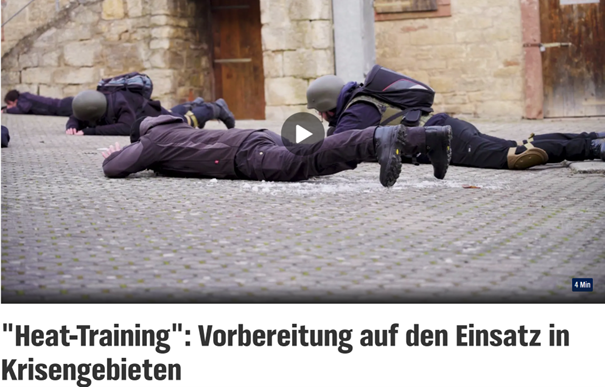
Wer in einen internationalen Krisenmanagement-Einsatz geht, muss als Zivilist:in auf alles vorbereitet sein. Dafür arbeiten wir mit der Bundeswehr zusammen beim Sicherheitstraining HEAT. Der @NDR war dabei: https://t.co/7QE6Rd8SJz
🔊 Do you hear that?
Aid workers in Sudan – especially national NGOs – are operating in one of the world’s most dangerous environments, risking their lives to reach communities in need.
They urgently need safe access, protection and sustained funding to keep assistance flowing.
Just out: two excellent short papers from the @ICRC on how #IHL protects humanitarian organizations and medical facilities from #cyber harm. Timely and topical, and a useful reference point for everyone in the field. Links in the next tweet below.
We said it in the 1990s.
We said it in the 2000s.
We stand by it in 2024.
Anti-personnel mines kill and maim indiscriminately. There’s only one way to be safe: To get rid of them.
We urge states to uphold the prohibitions of the Anti-personnel Mine Ban Convention 👇
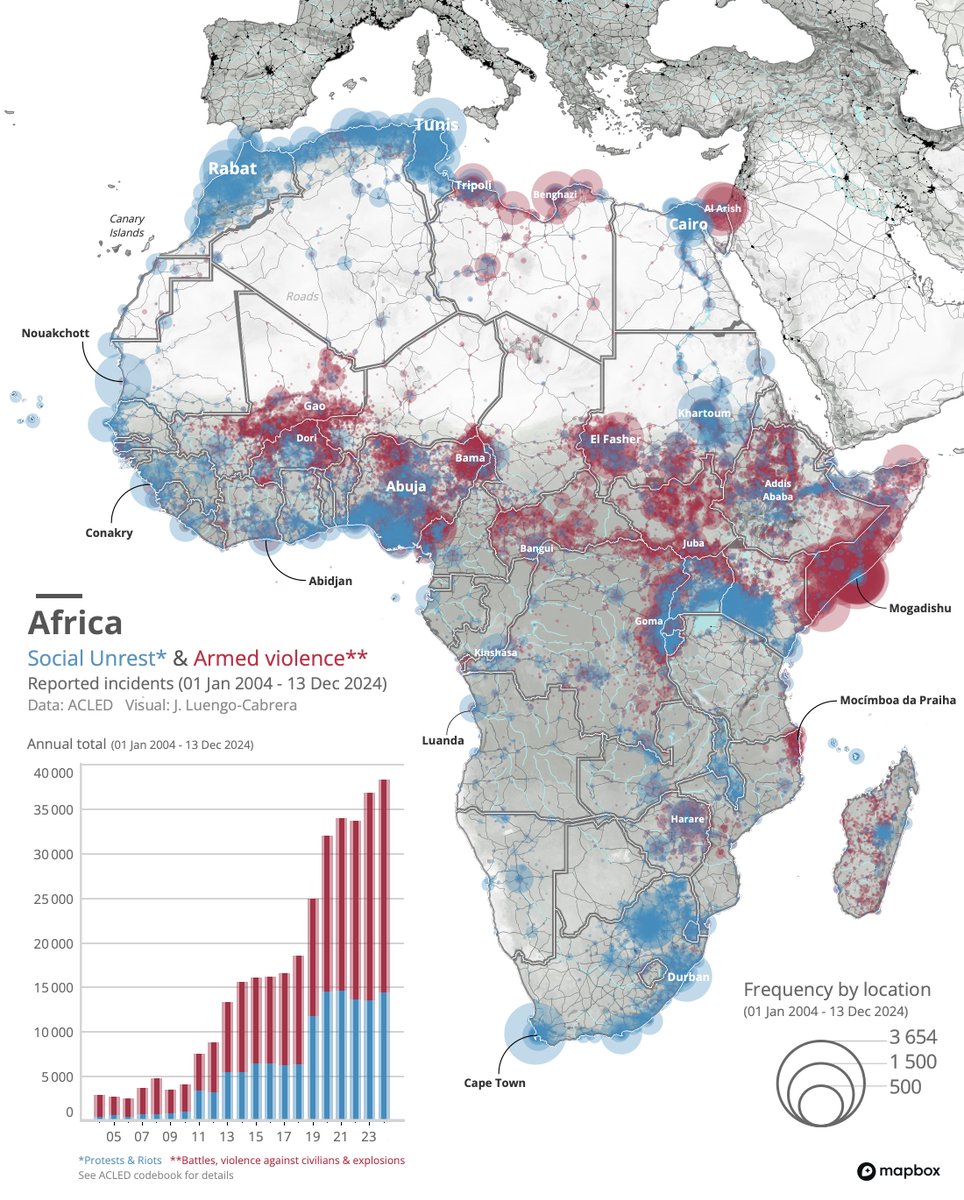
Over 120 armed conflicts are happening in the world and millions of civilians are suffering the humanitarian consequences of them.
Respecting the rules of war is not an option: it is an obligation of all parties to armed conflicts.
Staying neutral allows us to do our job. It is not indifference: it is a deliberate choice.
Our mission comes from the Geneva Conventions, universal laws that preserve a degree of humanity, even in war. Today, 161 years since our founding, neutrality remains as crucial as ever.
As artificial intelligence reshapes modern warfare, it's crucial to remember that AI should assist, not replace, human decision-making, and must always follow the rules of international humanitarian law.
Cordula Droege, ICRC Chief Legal Officer, explains 👇🏽
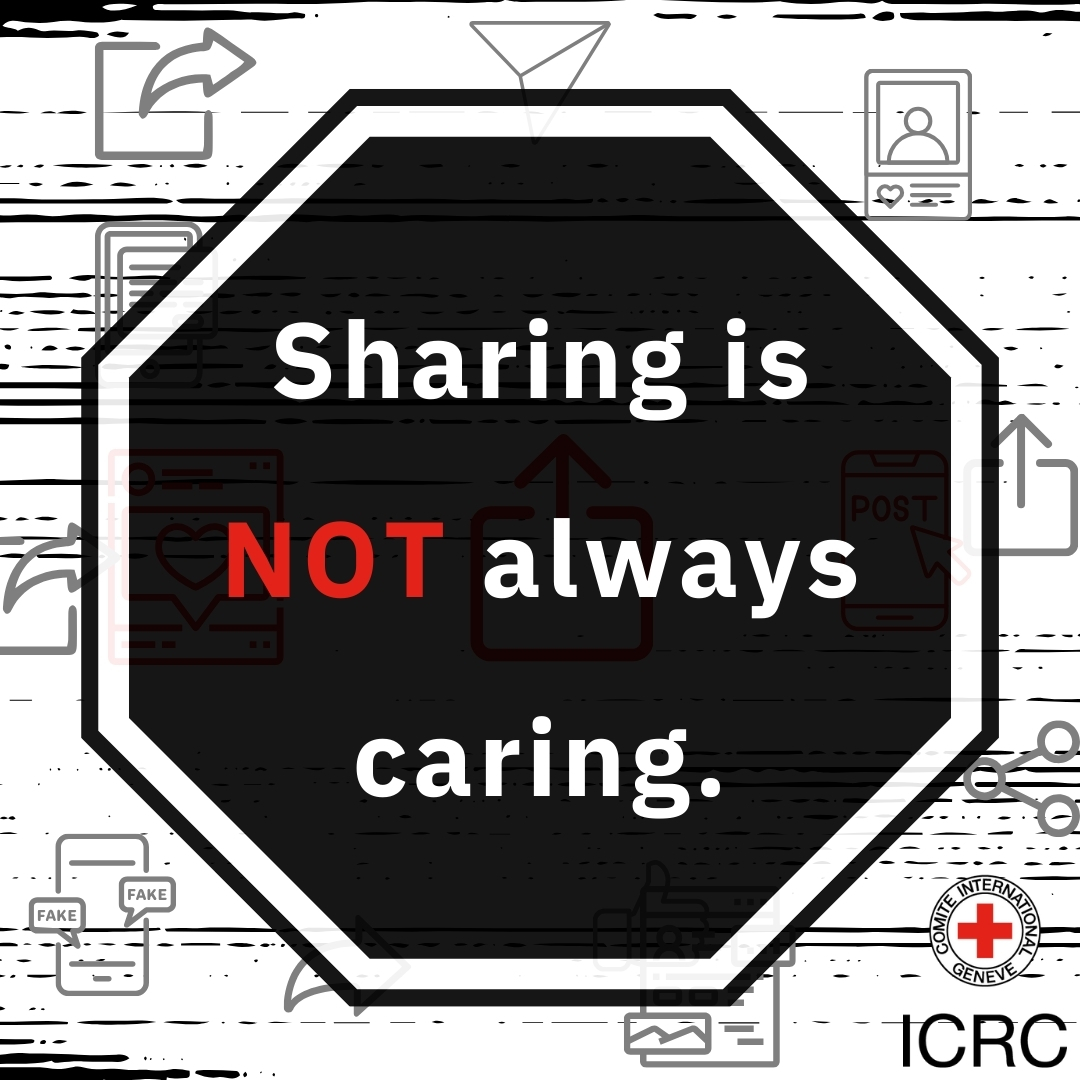
Misinformation during conflicts fuels confusion, heightens distress, and can trigger harmful reactions, putting thousands of lives at risk.
Before you share, pause, check your facts, then check again. #ThinkBeforeYouShare
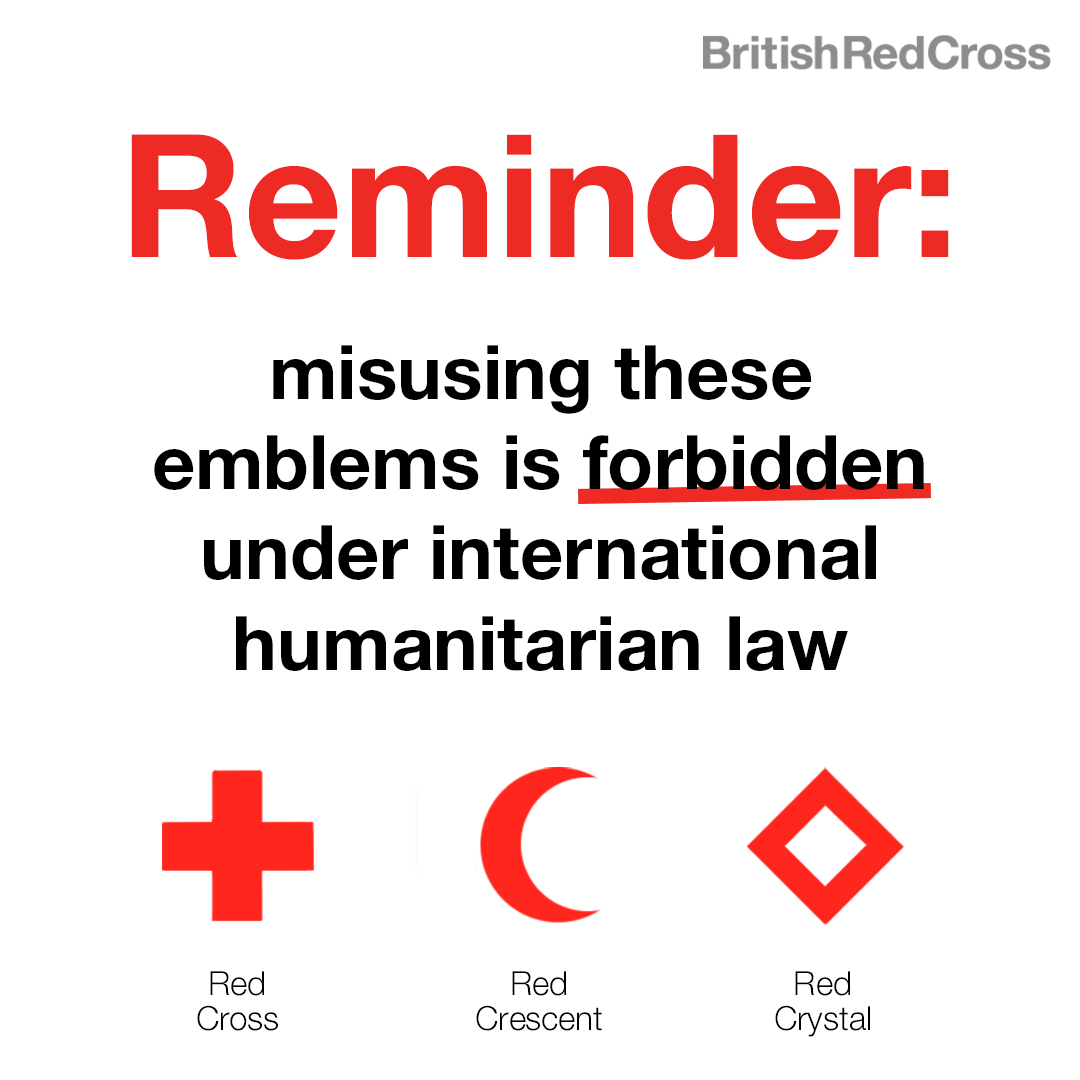
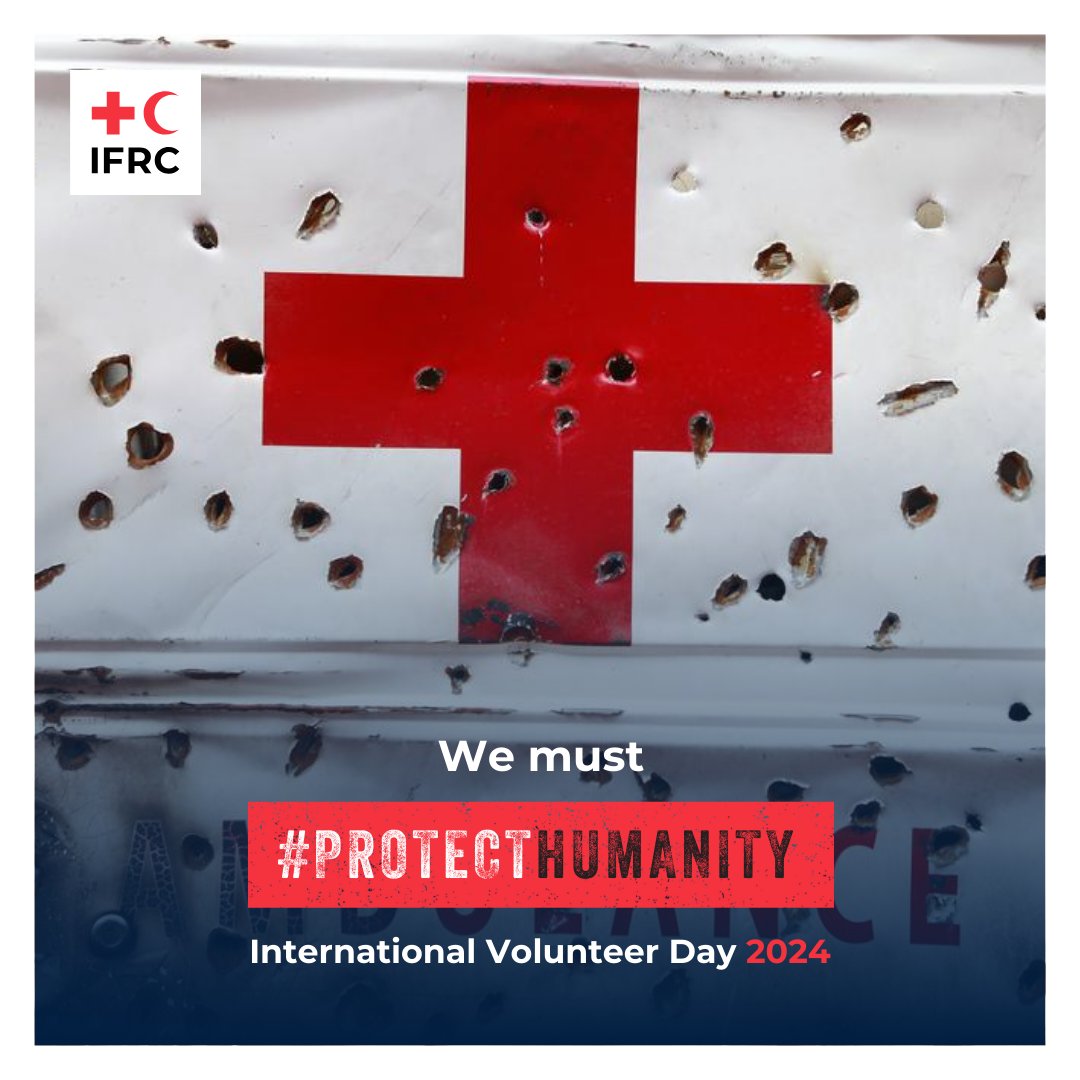
The red cross, red crescent and red crystal emblems are signs of neutrality and protection in armed conflict, under international humanitarian law. They protect the wounded and sick, and those who care for them. #ProtectEmblems
Om Nederlanders wereldwijd te helpen – bij crises, in noodsituaties of tijdens grote evenementen – kan een speciaal team ingezet worden. Collega Maxime vertelt over dit Snel Consulair OndersteuningsTeam (SCOT). Hoe werkt het en wanneer komt het in actie? ⤵️
As a neutral intermediary, we can support the release and transport of detainees, hostages, prisoners of war, or those who have been held captive back to their places of origin.
However, we can only do this once the parties to conflicts reach an agreement. Here’s what we do 👇
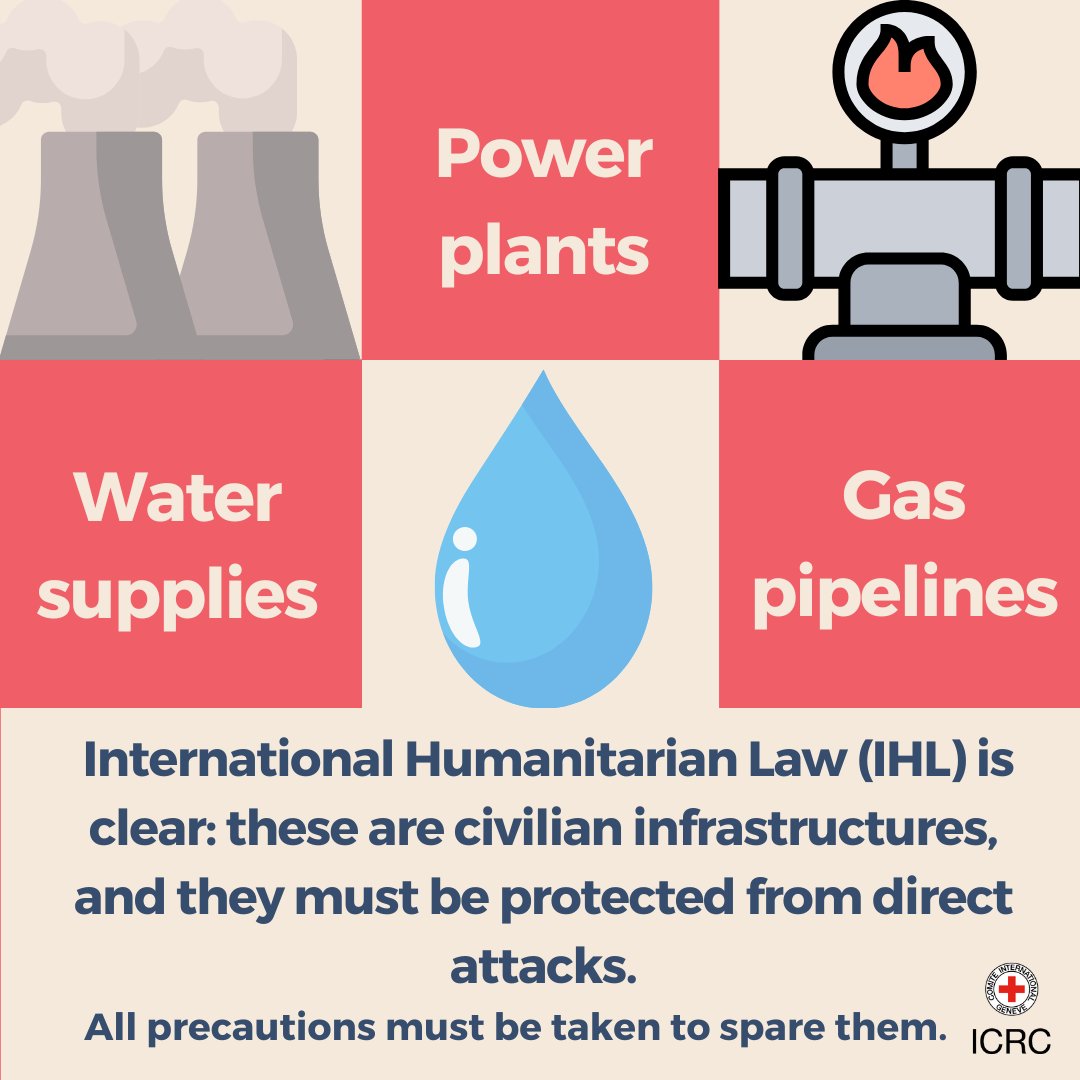
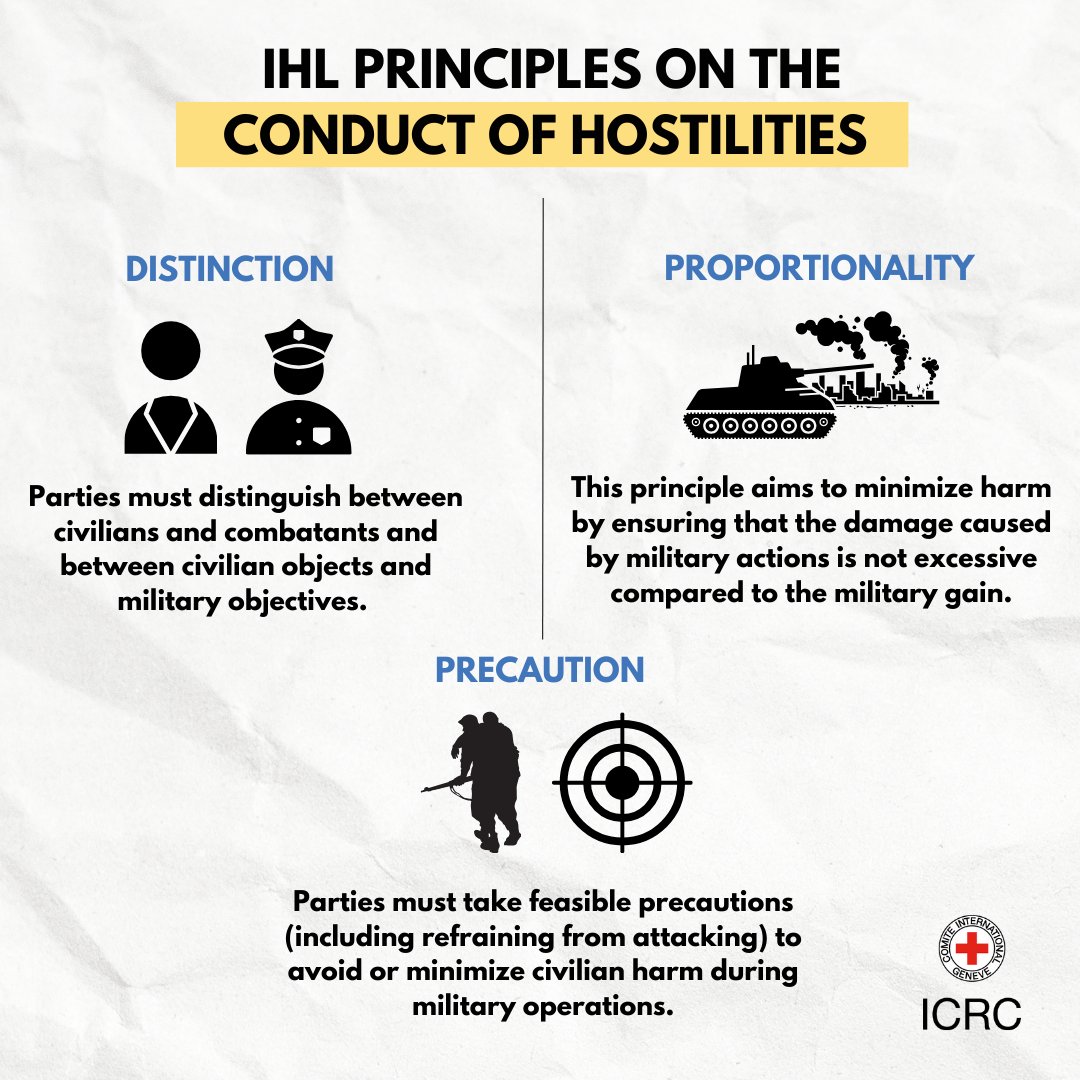
International humanitarian law (IHL) sets out rules for once war happens and, it is built on three principles: Distinction, proportionality and precaution.
Wars will ALWAYS have limits 👇🏽
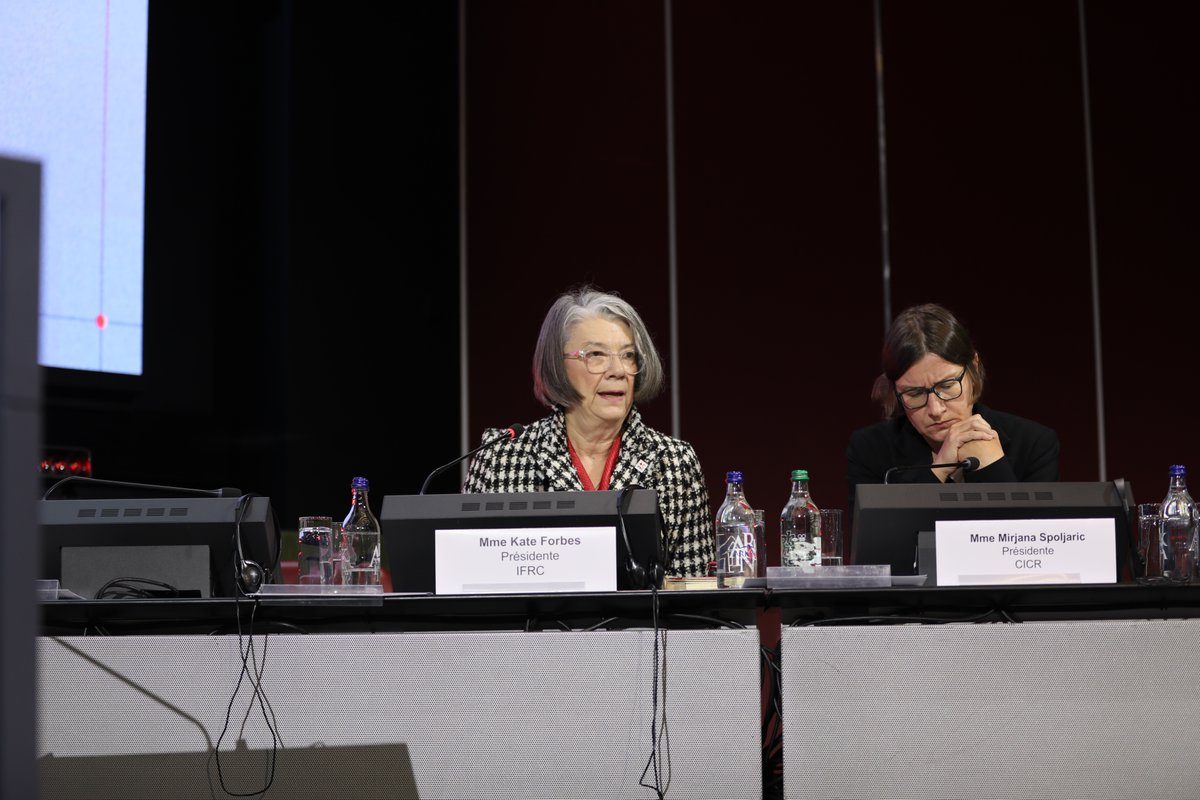
Day 2 of our International Conference opened with a reaffirmation of the centrality of the Fundamental Principles to the International Red Cross and Red Crescent Movement by @IFRC and @ICRC.
IFRC President @KateForbes_IFRC stated that principled humanitarian action builds trust and acts as a powerful force, particularly in times of crisis. #RCRC24
"Almost 95 percent of the humanitarians who are killed are actually the local staff and local volunteers. But while the killing of an international staff member of large humanitarian organisations can spark global outrage, there is often little attention paid when a local aid worker suffers the same fate. Unfortunately, when a local staffer or volunteer gets killed, it gets hardly any attention," said @IFRC Secretary General @jagan_chapagain in an interview with AFP. https://t.co/DiWH0cfenz
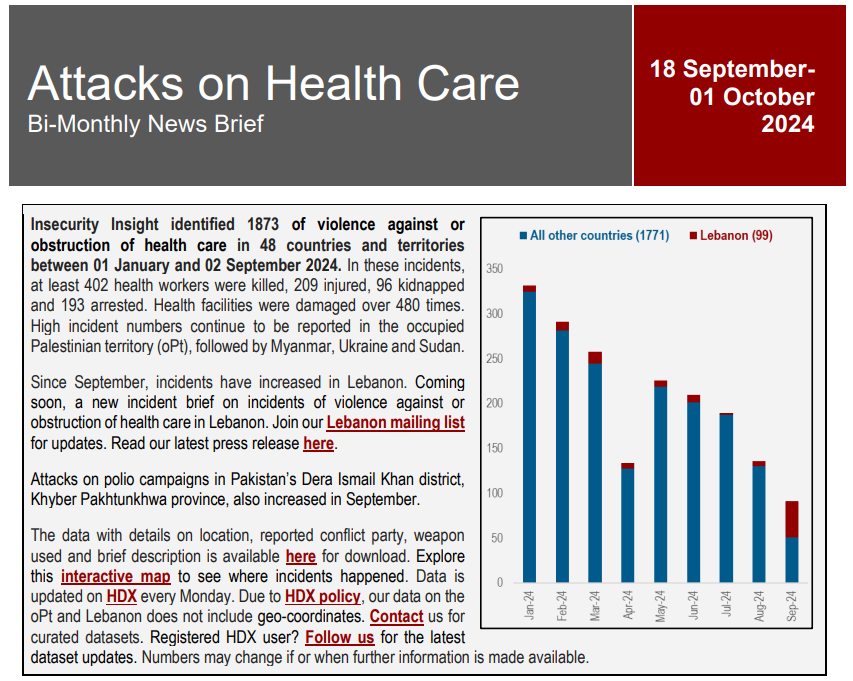
🚨 We have identified 1873 of violence against or obstruction of #health care in 48 countries and territories between 01 January and 02 September 2024.
In these incidents, at least 402 health workers were KILLED
Read our latest report ➡️ https://t.co/ppRtJox9wp
#NotATarget