Proud parent moment! 🚀
My daughter’s AstroTech team at the Cornell Mars Rover is building the rover’s spectroscopy system for the University Rover Challenge.
They’re fundraising for components & travel—if you can please support our future engineers!
https://t.co/NdeS5Rsemq
🛰️🌟
We developed a self-supervised #deeplearning method using sparse coding and #VisionTransformers to denoise pediatric cardiac #photoncountingCT. The model adapts to local noise and preserves anatomy. Clark, Cao & Badea, Med Phys (2025)
🔗 https://t.co/Y5wpwI7yZI
Our team developed a 3D #bioprinted vascular patch with built-in CT visibility. #PhotoncountingCT enables real-time tracking of structure + perfusion—showing how advanced imaging can guide #cardiacregeneration. https://t.co/vFtbiknC27
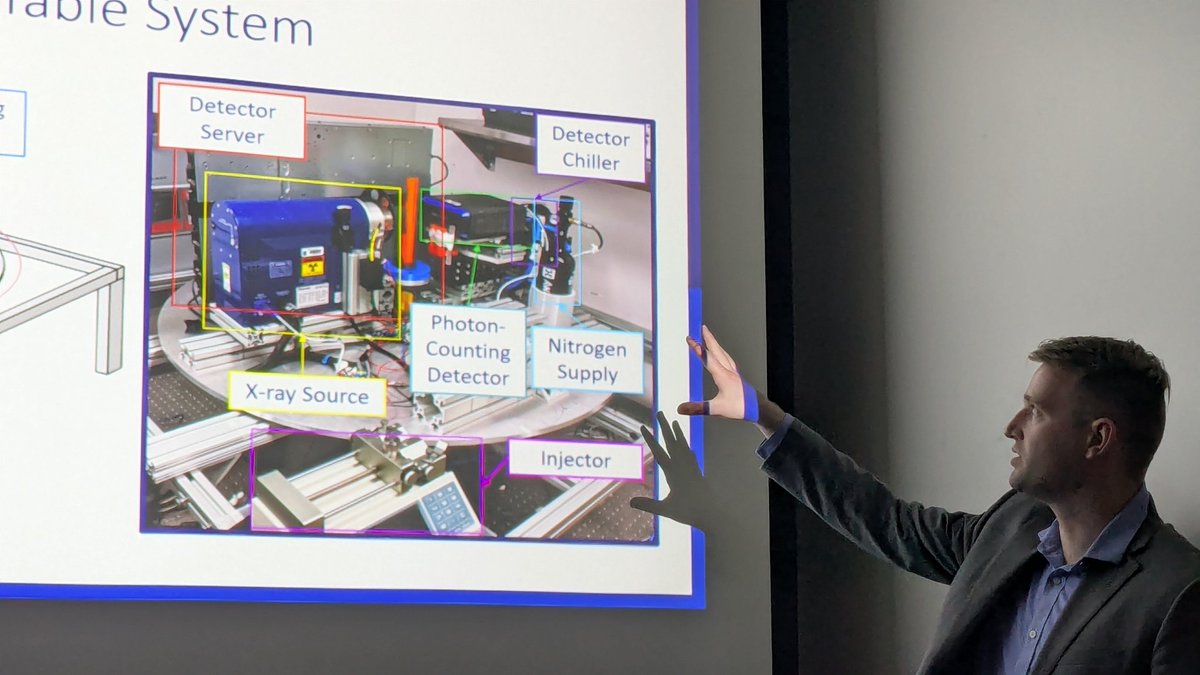
Our new paper presents a #PhotonCountingCT scanner for dynamic small animal perfusion imaging. Deep learning enables fast 5D imaging.
#DeepLearning
Photon-counting micro-CT scanner for deep learning-enabled small animal perfusion imaging https://t.co/xQw4BKFNtN
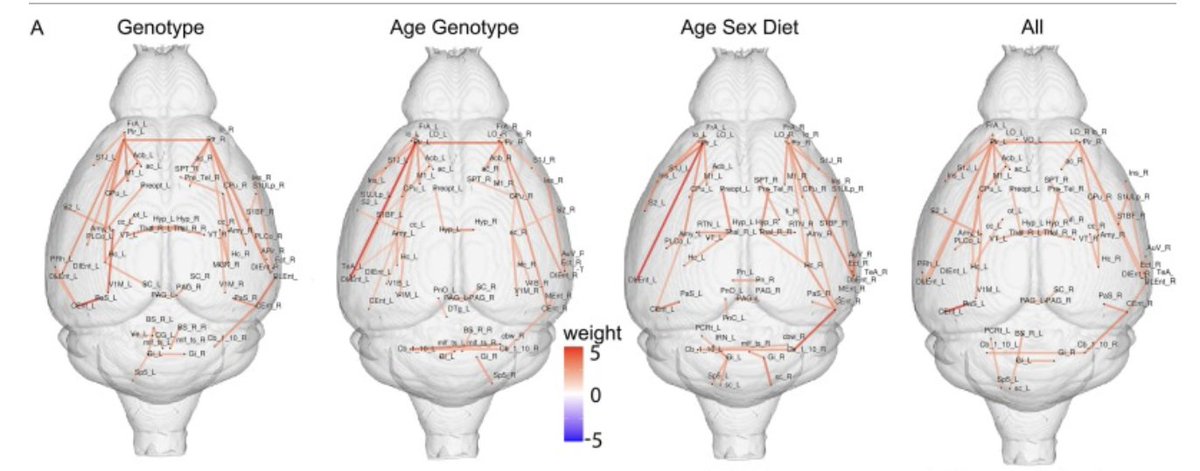
This new QIAL preprint links olfactory, imaging and transcriptomic signatures from brain and blood. Smelling the Risk: Early Olfactory Deficits, Brain Networks, and Blood Markers of Alzheimers Disease Risk in Humanized APOE Mice #NeuroDegeneration 🧪🧠 https://t.co/Bq5WuSnhlW
Thrilled to share that Hae Sol Moon has successfully defended his PhD! His resilience, creativity, and growth as a scientist carried him through every challenge. Great committee guidance and mentorship along the journey!
Proud and excited for what’s next! #PhDDefense#Duke#BME
Congratulations to my mentee Dr. Alex Allphin on the successful defense of his PhD in Biomedical Engineering! A major milestone achieved—wishing you all the best ! Well done! #photoncountingCT#DukeBME#QIAL
Our #QIAL latest study combines #photoncountingCT and #deeplearning to uncover how exercise improves cardiac function in #APOE mouse models. Major gains seen in APOE3 & APOE4—genotype-specific insights that could inform precision interventions🧠🫀🧬📄 https://t.co/4lmqsIwAGd
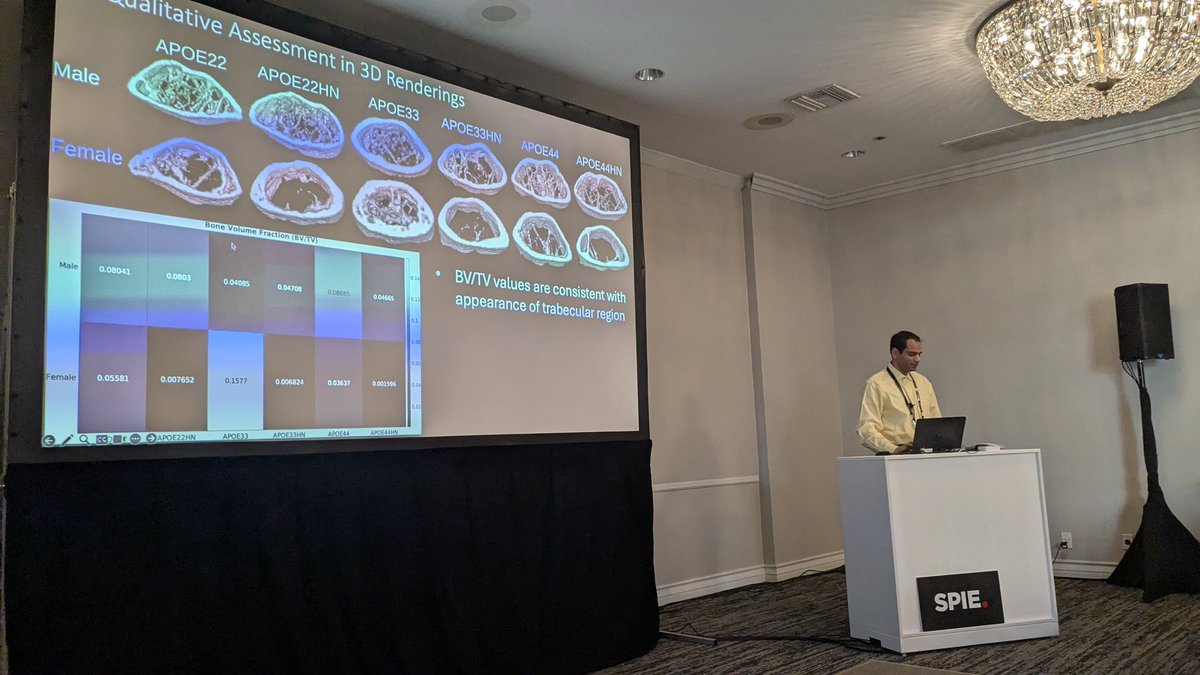
APOE is known for its role in Alzheimer’s disease—but it also shapes your bones.
Our study shows how APOE, immunity, and sex interact to alter bone structure in aged mice.
Grateful to Rohan Nadkarni & QIAL team for uncovering this brain–bone connection.
https://t.co/p78Y8z36JB
It was a pleasure presenting on Friday at the University of Toledo’s Bioengineering Department seminar, "Spectral Micro-CT Imaging: New Frontiers in Preclinical Biomedical Research." A big thank you to Prof. Juan-yu Lu for the kind invitation! #photoncountingCT#MicroCT
Excited to share our latest paper in Brain Structure and Function! 🧠✨
We explore how age & APOE risk factors impact long-range brain connections using multiscale bundle analysis.
🔗 You can read it here: https://t.co/AyYjAz16dO
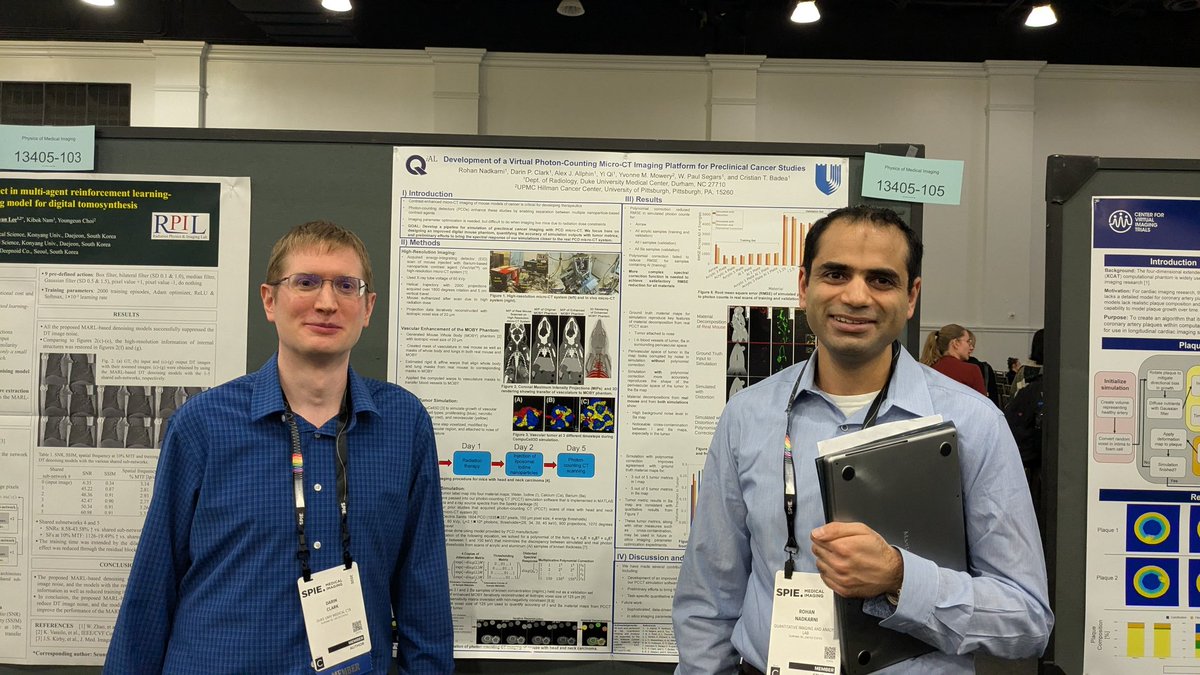
A great presentation today by Rohan Nadkarni, our #Duke#QIAL group member on #PhotonCountingCT for bone imaging in APOE mouse models—showcasing how advanced imaging provides deeper understanding of bone and its connection to genotypes, sex, and immune system.
Excited about the 2025 DIPY Workshop! Whether new to diffusion imaging or looking to deepen your expertise, this workshop offers something for everyone. Join us, learn with us, and help define the steps the field needs to take to advance. Thanks to DIPY team at IU and beyond!
Celebrating 40 years of dedication from Gary Cofer, the heart that has kept MRI pulses in required harmony, building hot diffusion application, and keeping things cool at the same time! Thank you!
How do risk factors for late-onset Alzheimer's disease impact brain networks? Read our latest publication to learn what diffusion imaging reveals about these key edges in the brain connectome, and how immunity interacts with APOE genotypes.
https://t.co/sqAiX1kjkF
Honored to be ranked #3 in the field of X-ray microtomography among world highly-ranked scholars. Grateful for the recognition and continued support! #Science#MicroCT#Duke
https://t.co/zrfno2PlIH
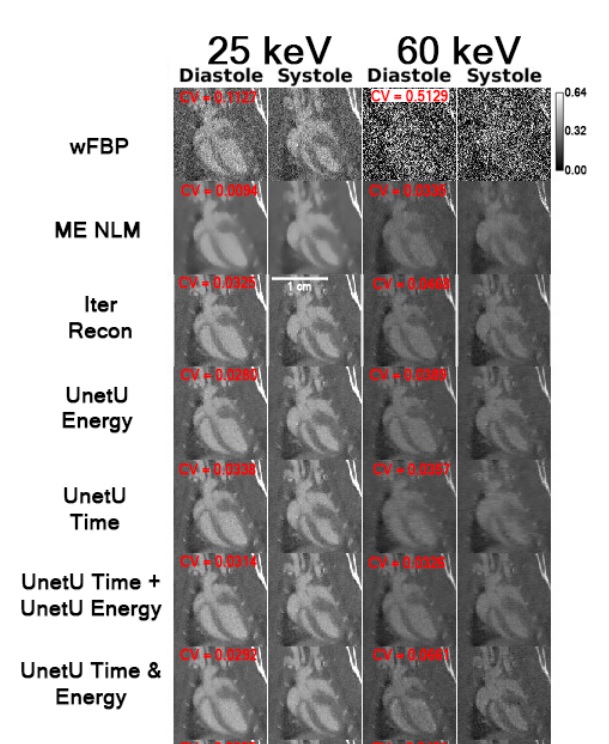
Our latest work on fast denoising for 5D (3D+Time+Energy) preclinical cardiac #PhotonCountingCT demonstrates a 32x speedup using #DeepLearning over iterative recon methods. Read more: Nadkarni et al., 2024, Phys. Med. Biol. https://t.co/x8ksXiG6fp
#QIAL#MedicalImaging#CardiacCT