NCBDDD scientist Amy Fothergill presented at #CDCEIS23 on her latest work in birth defects surveillance using data from Massachusetts. Learn more about NCBDDD’s birth defects surveillance activities. https://t.co/SQ4BVaTMSG
NCBDDD’s Kaitlyn Long won 2nd place in the @ACPM_HQ Board of Regents Scientific Excellence Award at #PM2023 yesterday, presenting on knowledge & practices of healthcare providers on #FolicAcid intake for birth defects prevention.
More on folic acid: https://t.co/b1Bun7xTbf
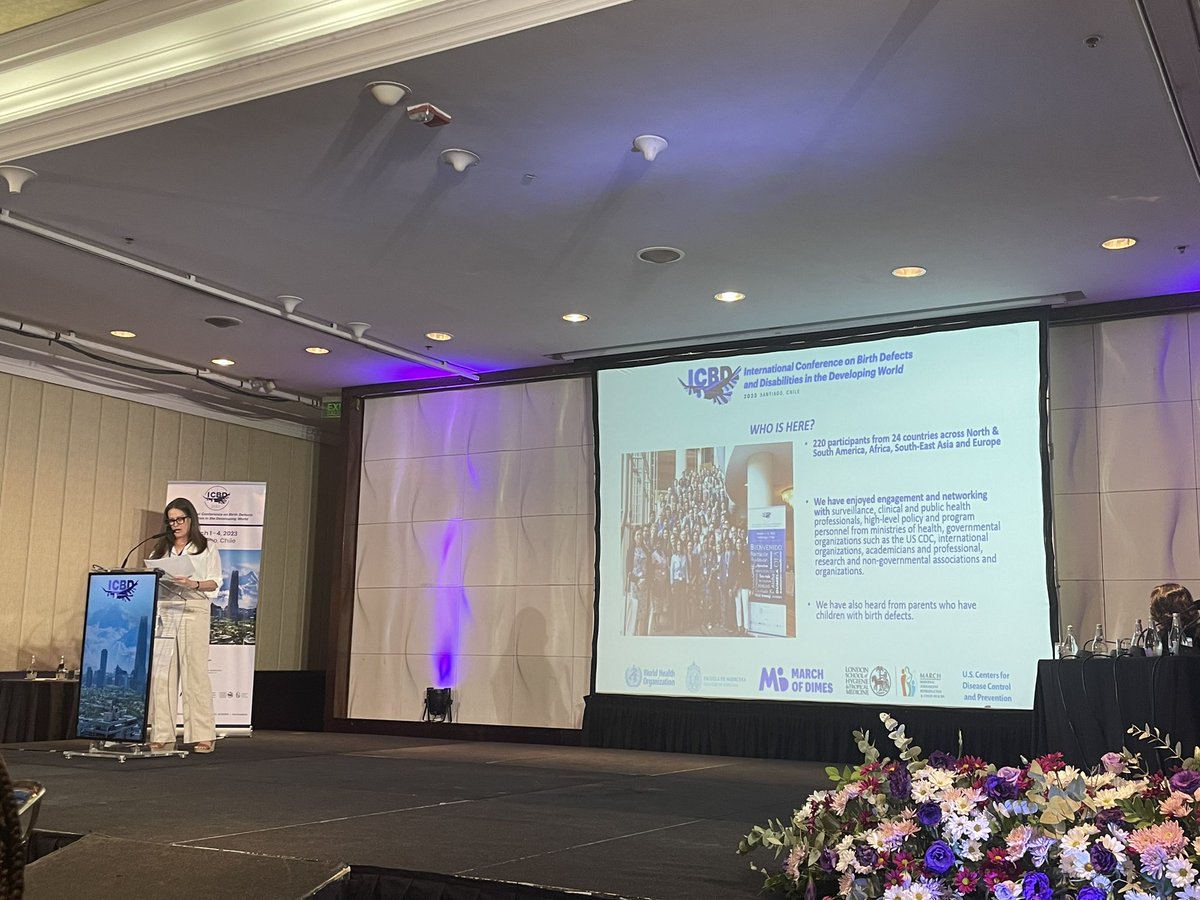
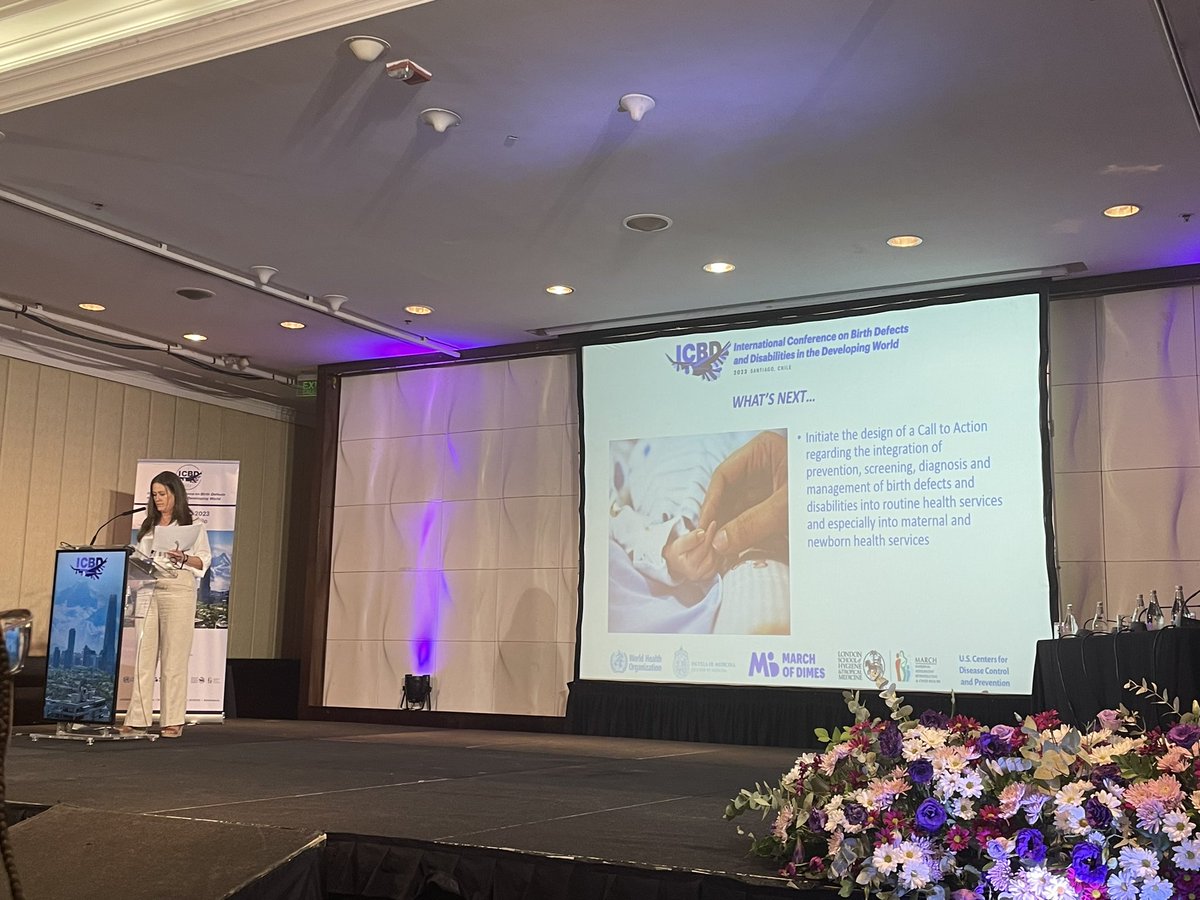
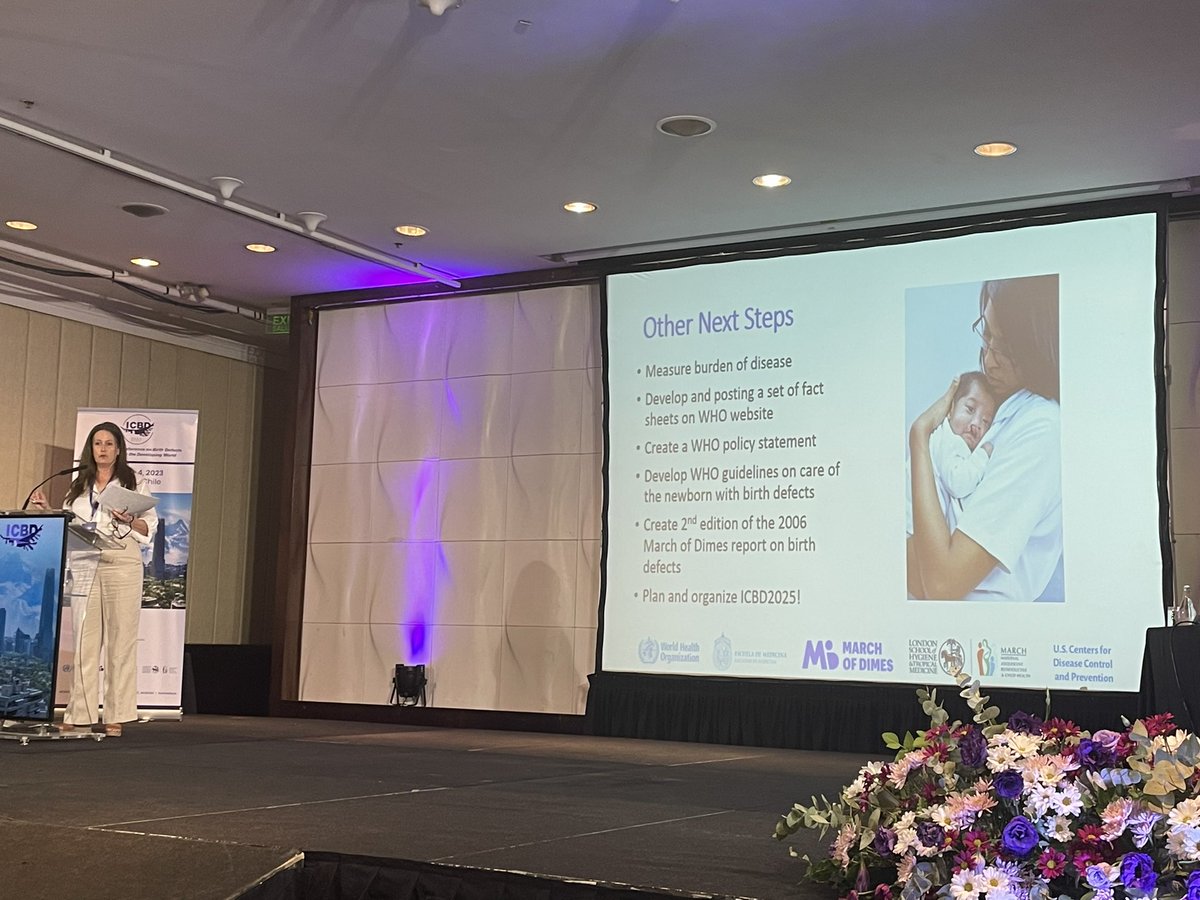
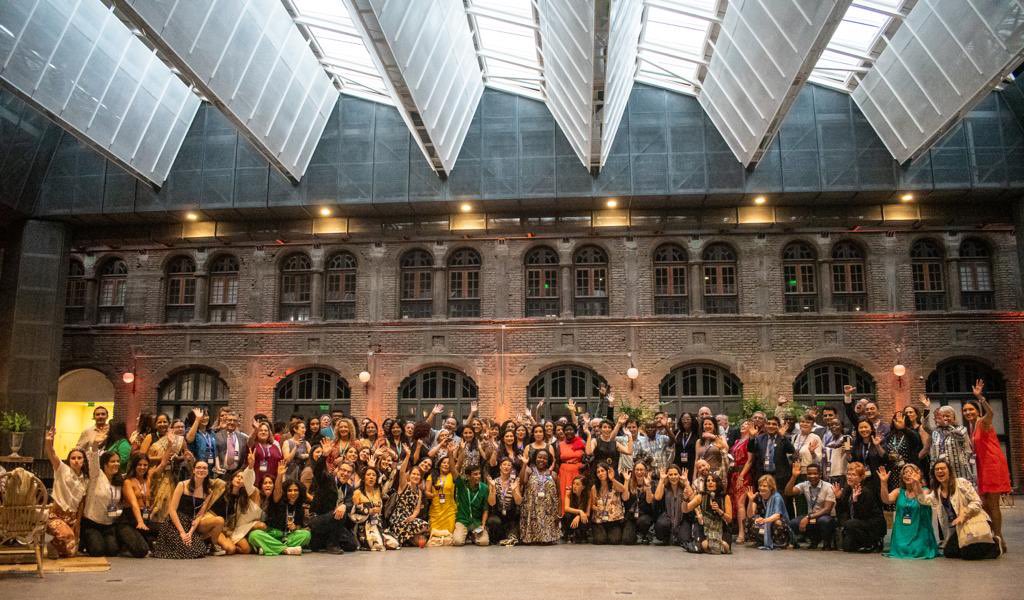
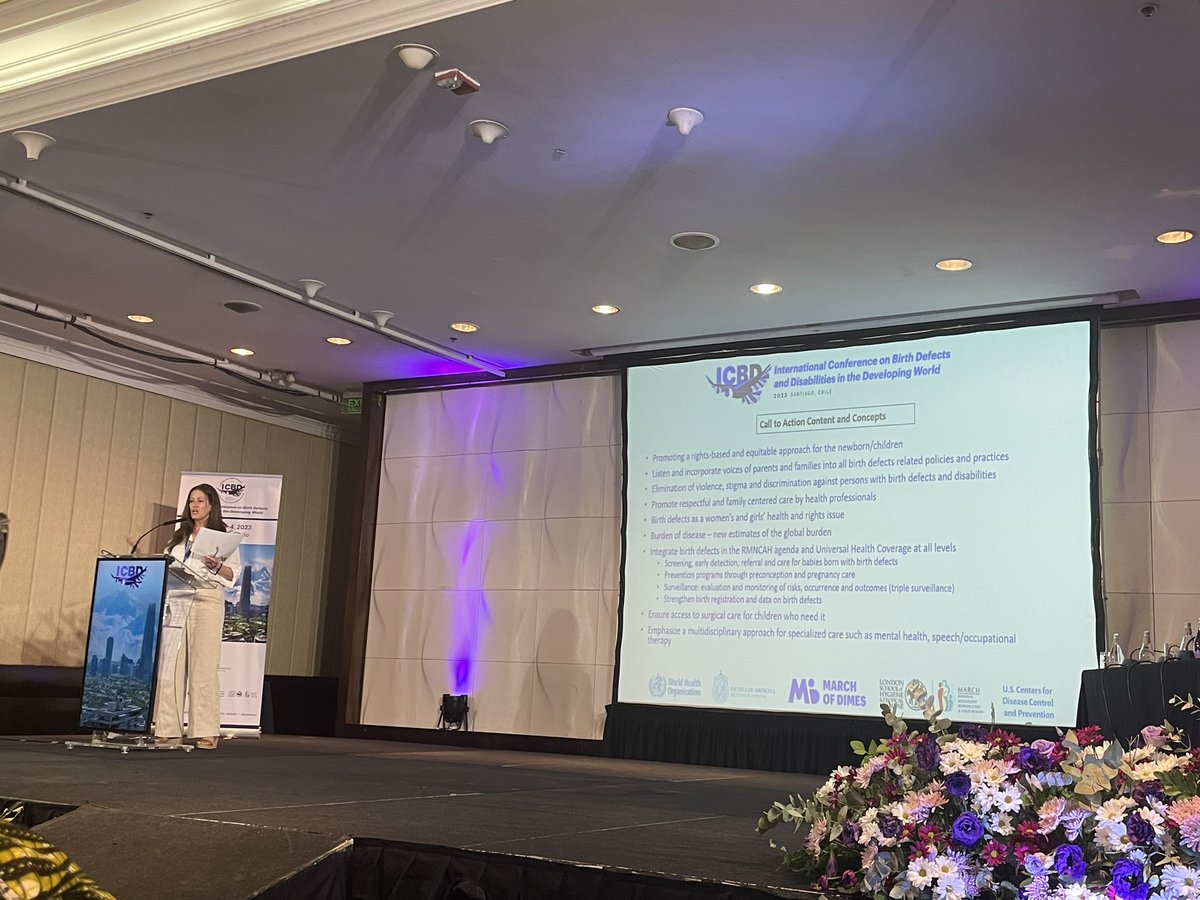
Another successful International Conference on Birth Defects and Disabilities in the Developing World has come to an end, and we couldn't be more proud of the incredible work that was accomplished over the past four days. #ICBDD2023@marchofdimes@pahowho@CDC_NCBDDD
When I decided to attend #ICBD2023 I didn’t know what to expect. It has been a brilliant event, finally a place where #publichealth & #CHD are easily discussed together. Thankful for the opportunity to present, look forward to the #birthdefects call to action & the next meeting!
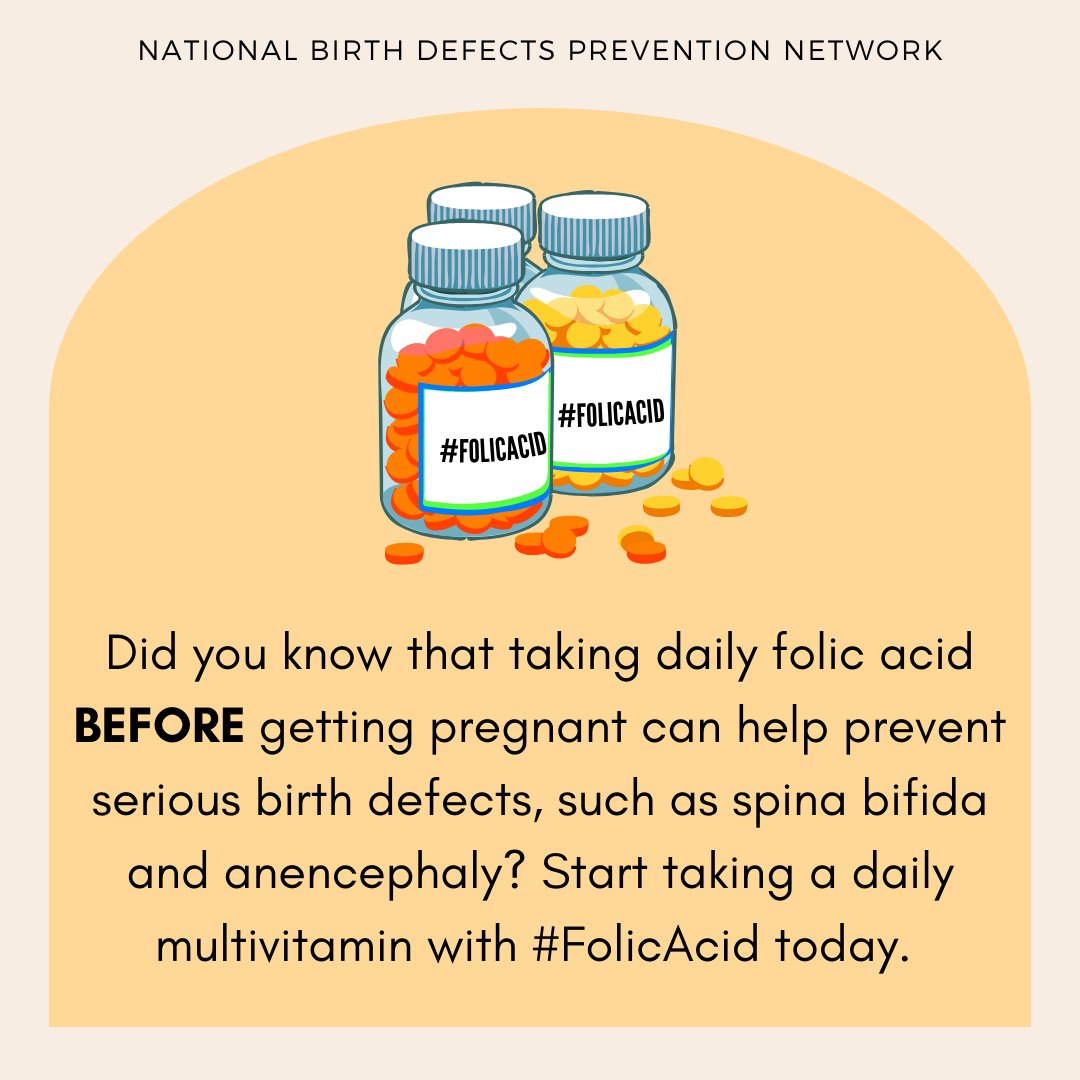
Birth defects of the brain and spine are life-altering, often fatal conditions that can be caused by deficiency of a B vitamin, folate, in the time before and shortly after conception, often before a woman knows she’s pregnant. #ManyBirthDefects1Voice#WorldBDDay
A1: Birth defects can happen in any family. They affect us all—people living with these conditions, their families, and communities. #WorldBDDay#ManyBirthDefects1Voice
Comprehensive birth defects programs need to include the participation of parents of children with birth defects and disabilities #icbd2023#leavenoonebehind#sdg3
At this week’s ICBD 2023 conference, Dr. Remley shares example CDC projects and perspectives on the role partnerships can play in strengthening programs for public health action. Learn more about SET-NET: https://t.co/68RiCtQNb7 #ICBD2023
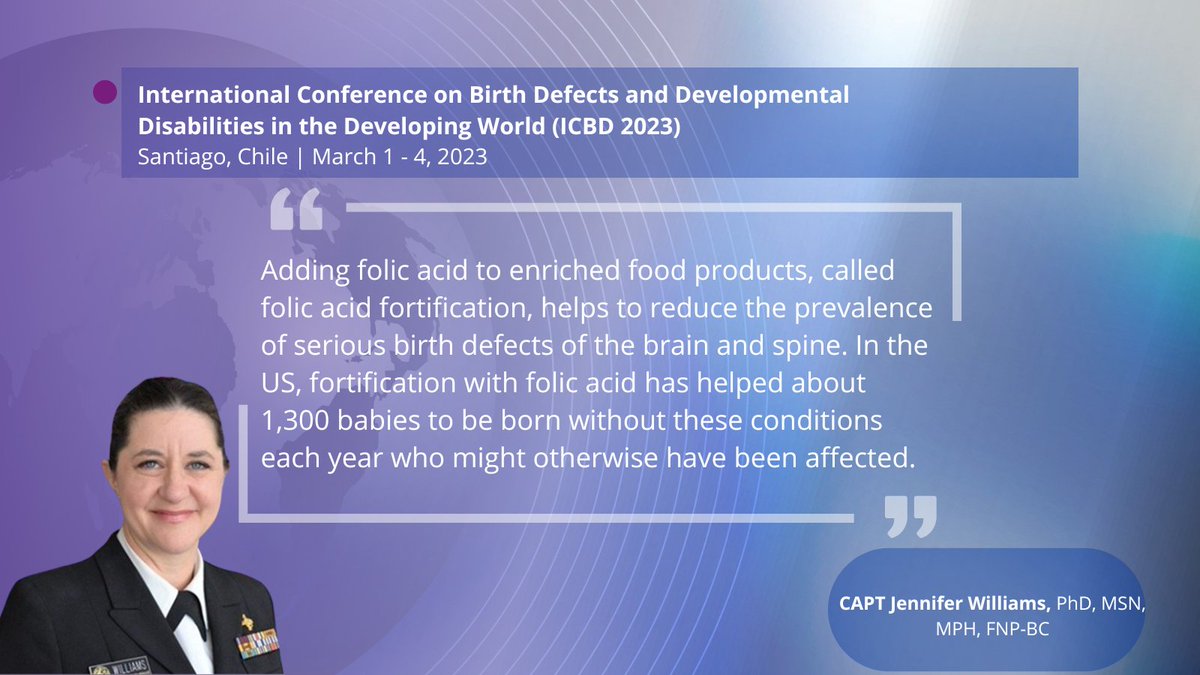
This week at the ICBD 2023 conference, Captain Williams joins partners from around the world to talk about the importance of folic acid fortification in the United States. Read more about the impact of fortification: https://t.co/RdXEQdL7C7 #ICBD2023
Registration is now open for the International Conference on Birth Defects and Disabilities in the Developing World. Get all the details here: https://t.co/xXDlYYvtns #ICBD2023#wbdday#birthdefects
A9.2: The Quick Reference Handbook (QRH) aids front-line healthcare workers in diagnosis and tracking of birth defects and infections present at birth. Click here to download the QRH: https://t.co/nx0fxQnwYQ #WorldBDday#ManyBirthDefects1Voice
Electronic cigarettes are NOT safe for pregnant people. Because these products contain nicotine and other potentially harmful substances, developing babies may be at higher risk of being born with birth defects. Learn more at https://t.co/WDYrWj1oNc #YQ2Q#WorldBDDay
Q8A1 A healthy weight before and during pregnancy can lead to a healthy baby! Check out our Fact Sheet on obesity in pregnancy/breastfeeding: https://t.co/PZyAKIdsz8 #WorldBDDay
A5.1: Taking 400 micrograms (mcg) of folic acid daily before and while you are pregnant can help prevent serious birth defects of a baby’s brain and spine. https://t.co/nOLDe40ydj #WorldBDday#ManyBirthDefects1Voice
A7: Yes. People who smoke during pregnancy are more likely to have a baby with a birth defect, such as cleft lip, compared to people who don’t smoke. CDC has resources on how to quit smoking: https://t.co/RcXos4KIBj #WorldBDday#ManyBirthDefects1Voice