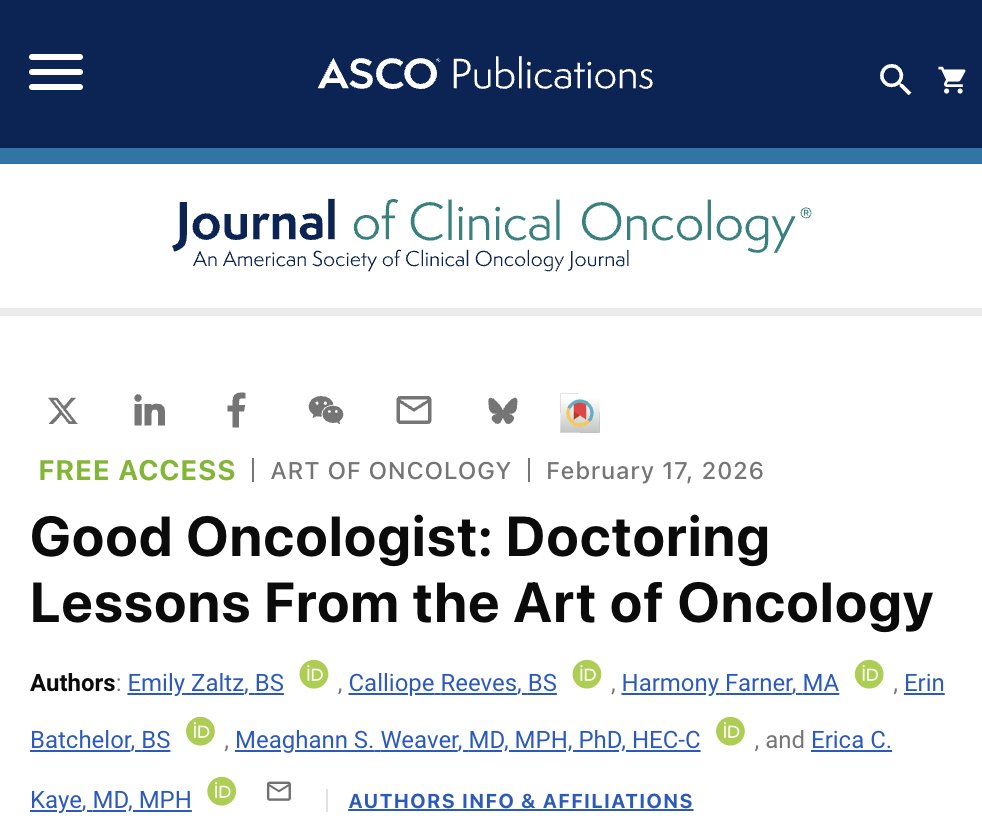
What REALLY makes a good oncologist? in @JCO_ASCO
After 10 years and 203 JCO essays, one thing became clear: expertise alone isn’t enough.
Patient-centered care.
Clear, authentic communication.
Emotional intelligence.
And the harder work
Showing up again and again.
Openness to uncertainty.
Carrying the burden of cancer care.
Continuous growth.
Clinical competence is expected
Human connection makes the difference.
Science treats disease.
Presence treats fear.
https://t.co/g9hGjSLpGu @OncoAlert
🔵Neoadjuvant FOLFIRINOX vs gem-based CRT in resectable and borderline resectable pancreatic cancer PREOPANC-2 @TheLancetOncol
➡️65% R, 35% BR
❌mOS: 21.9 vs 21.3 mo
HR 0·88 [0·69–1·13], p=0·32
❌Similar PFS, surgery, R1 resection, G3-4 AE rates
➡️No effect according to R or BR
👉 https://t.co/3vc9WWUH9l
@myESMO #cancer #oncology #MedX #pancreatic @BasGrootKoerkam@OncoAlert
How do we build a new generation of safer and more active ADCs for treating cancer?
👉By understanding how they actually work (and stop working)
In this @CD_AACR review, we retrace 40 years of ADC development, highlighting key lessons learned.
🧵 below
https://t.co/p2Wafhwk8z
New research led by Dr Stephanie Compton of @PBRCNews suggests that, among patients w/ colon cancer who received oxaliplatin-based chemotherapy, higher baseline dietary quality was assoc w/ reduced risk of moderate-severe CIPN.
https://t.co/DATFdPnaC6
@oncoalert@fitaftercancer
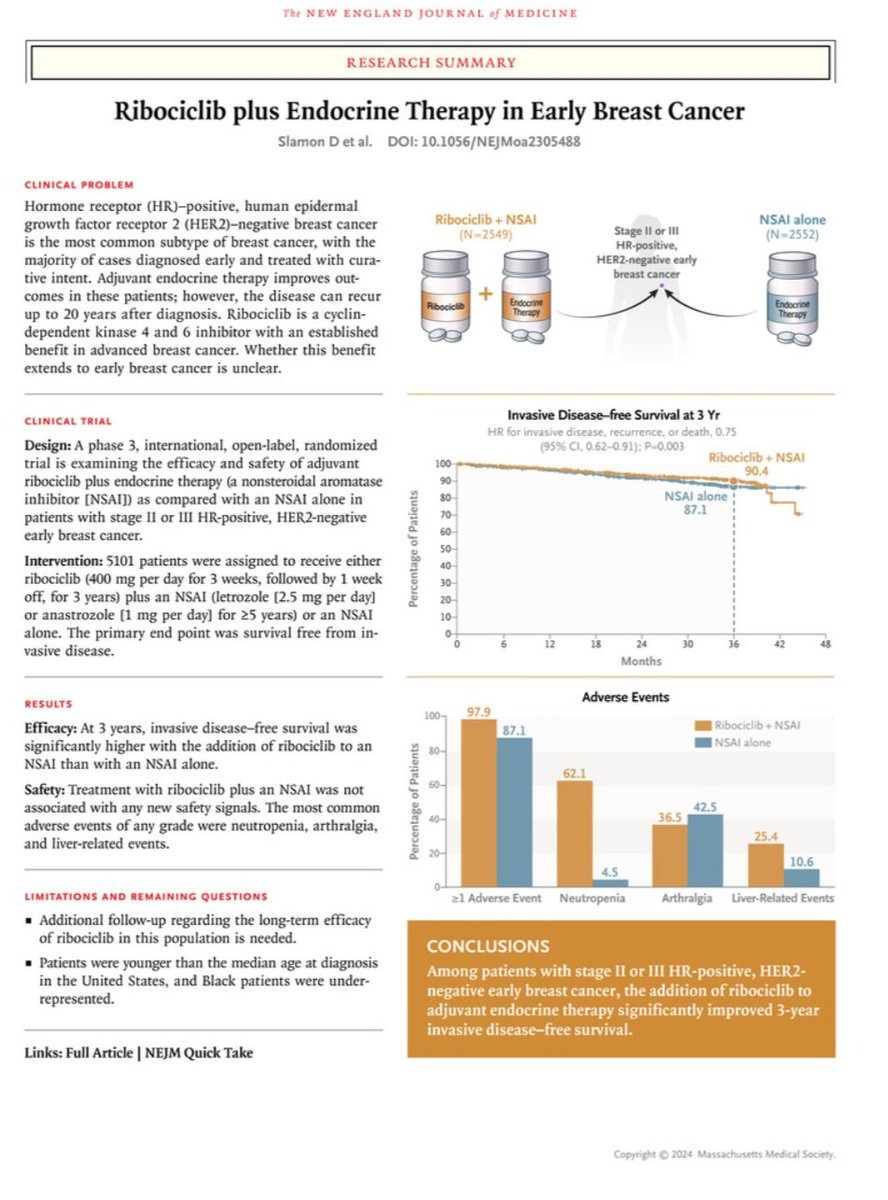
Hot off the press in @Annals_Oncology: Is adjuvant ribociclib ready for prime time?
Recommended read in preparation for the NATALEE 4y update at #ESMO24
https://t.co/qDg1VlmIGR
Wow, quote cloud from (de-identified) patients undergoing follow-up for treated cancer 👇🏻
There is so much more to life than what we can see on scans or assay in labs
Embodied experience is not as readily quantifiable but then again not everything that matters can be measured
I have tweeted more than 500 times about current information in oncology.
My tweet below was the most retweeted tweet in the scientific community. The topic of the tweet is the success of topical diclofenac in reducing HFS.
I hope the pharmaceutical industry gets the message.
What we need is easy-to-access inexpensive drugs that we can easily administer to every patient. Cancer is a serious disease, and everyone in cancer care should have the right to equitable access to the most effective treatment. Let's make an effort to decrease drug prices!!!
@OncoAlert
#EquitableCancerCare
💙 #ArtOfOncology: It is natural to want to avoid the sadness and powerlessness that come w/ losing a young patient to cancer. But there is gratification & connection when we lean into and share feelings with patient and family. ➡️ https://t.co/jZ99vgKk7x #pallonc
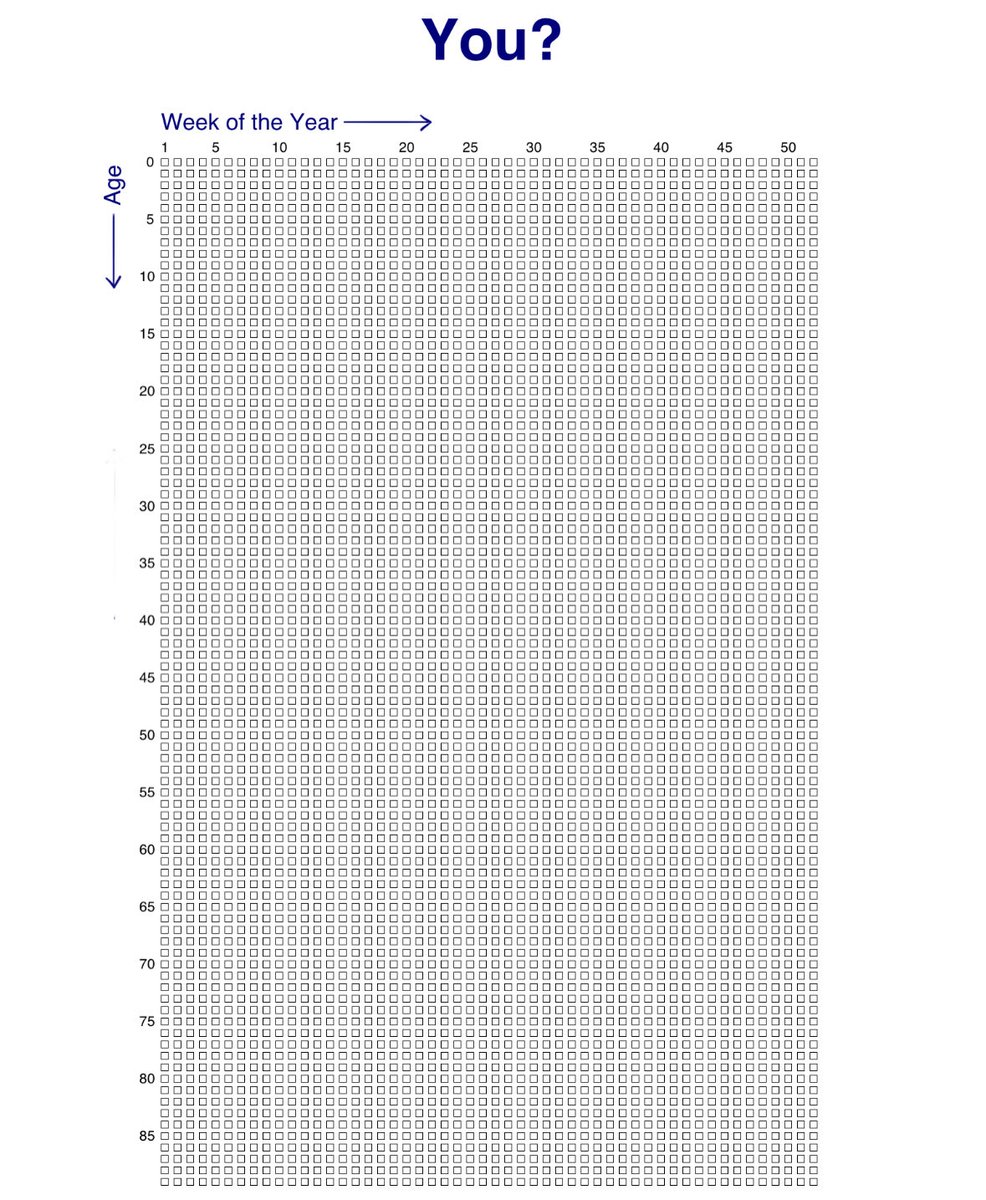
Approaching my life and work as a series of weeks has totally changed my perspective on Mondays
You don’t have to zoom in too far👇🏻to realize that every week is a precious block of opportunity
LET’S GO
#MondayMotivation
Randomized Double-Blind Placebo-Controlled Study of Olanzapine for Chemotherapy-Related Anorexia in Patients With Locally Advanced or Metastatic Gastric, Hepatopancreaticobiliary, and Lung Cancer. https://t.co/04icGsb5Wa
By @JCO_ASCO
“PURPOSE: Anorexia occurs in 30%-80% of patients with advanced malignancies, which may be worsened with chemotherapy. This trial assessed the efficacy of olanzapine in stimulating appetite and improving weight gain in patients receiving chemotherapy.
METHODS: Adults (≥18 years) with untreated, locally advanced, or metastatic gastric, hepatopancreaticobiliary (HPB), and lung cancers were randomly assigned (double-blind) to receive olanzapine (2.5 mg once a day for 12 weeks) or placebo along with chemotherapy. Both groups received standard nutritional assessment and dietary advice. The primary outcomes were the proportion of patients with weight gain > 5% and the improvement in appetite (assessed by the visual analog scale [VAS] and the Functional Assessment of Chronic Illness Therapy system of Quality-of-Life questionnaires Anorexia Cachexia subscale [FAACT ACS]). Secondary end points were change in nutritional status, quality of life (QOL), and chemotherapy toxicity.
RESULTS: We enrolled 124 patients (olanzapine, 63 and placebo, 61) with a median age of 55 years (18-78 years), of whom 112 (olanzapine, 58 and placebo, 54) were analyzable. The majority (n = 99, 80%) had metastatic cancer (gastric [n = 68, 55%] > lung [n = 43, 35%] > HPB [n = 13, 10%]). The olanzapine arm had a greater proportion of patients with a weight gain of > 5% (35 of 58 [60%] v 5 of 54 [9%], P < .001) and improvement in appetite by VAS (25 of 58 [43%] v 7 of 54 [13%], P < .001) and by FAACT ACS (scores ≥37:13 of 58 [22%] v 2 of 54 [4%], P = .004). Patients on olanzapine had better QOL, nutritional status, and lesser chemotoxicity. Side effects attributable to olanzapine were minimal.
CONCLUSION: Low-dose, daily olanzapine is a simple, inexpensive, well-tolerated intervention that significantly improves appetite and weight gain in newly diagnosed patients on chemotherapy.”


![Erman_Akkus's tweet photo. 🔵Neoadjuvant FOLFIRINOX vs gem-based CRT in resectable and borderline resectable pancreatic cancer PREOPANC-2 @TheLancetOncol
➡️65% R, 35% BR
❌mOS: 21.9 vs 21.3 mo
HR 0·88 [0·69–1·13], p=0·32
❌Similar PFS, surgery, R1 resection, G3-4 AE rates
➡️No effect according to R or BR
👉 https://t.co/3vc9WWUH9l
@myESMO #cancer #oncology #MedX #pancreatic @BasGrootKoerkam @OncoAlert](https://pbs.twimg.com/media/G0kPoj3WUAAqIzZ.jpg)