📢 Call for Papers | EHES Conference 2027
The 17th European Historical Economics Society Conference will take place in Antwerp, Belgium, on 10–11 September 2027!📅 Submission deadline: 15 February 2027 https://t.co/vwbJOPnHc1
#EconomicHistory#EHES2027#CallForPapers
Norway's controversial 2021–2024 reforms nearly doubled the tax on business wealth. Firms of affected owners did not invest less, and outmigration was limited to the very top, from @Mariusring https://t.co/keQcBoXwSk
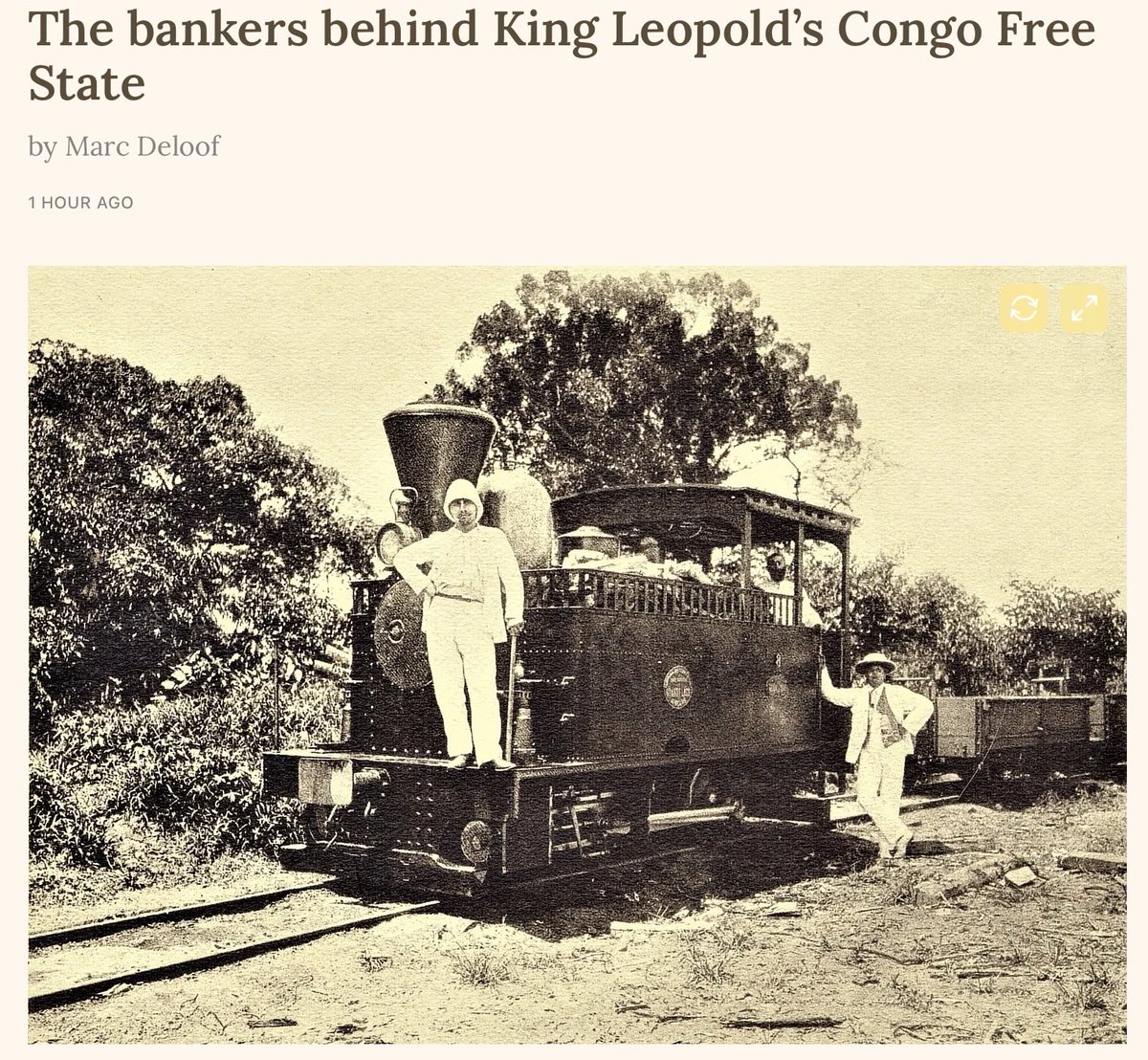
Who profited from colonial entrepreneurship? In a new paper, I investigate this question for one of the worst colonial regimes in history: King Leopold II’s Congo Free State. Paper available at https://t.co/Nxh2ROnbf3
Who profited from colonial entrepreneurship? In a new paper, I investigate this question for one of the worst colonial regimes in history: King Leopold II’s Congo Free State. Paper available at https://t.co/Nxh2ROnbf3
@GeertLangenus@X Ja is mij ook al opgevallen, soms 2 weken later, dat ik denk: waarom komen ze daar nu nog mee af? Het is ook interessant om te zien welke dingen doorsijpelen en welke niet. Iemand zou dat eens moeten onderzoeken.
Who invested in King Leopold’s Congo Free State? The Compagnie pour le Commerce et l’Industrie, the first & most successful business investor in the CFS, had a remarkably diversified investor base even BEFORE listing in 1891, with no shareholder holding more than 3% of equity. …
This shareholder structure is consistent with the CFS in the 1880s seen as a ‘lottery’ investment, with negative expected value but with a small chance of very high returns. Hence investors taking a bet by buying a few shares, but no one investing large amounts.
Who invested in King Leopold’s Congo Free State? The Compagnie pour le Commerce et l’Industrie, the first & most successful business investor in the CFS, had a remarkably diversified investor base even BEFORE listing in 1891, with no shareholder holding more than 3% of equity. …
… Most investors were Belgian individuals, with a majority living in Brussels or Antwerp. (Very) limited investments of banks. Occupation of individual investors is quite diverse, with 8 investors reporting a position at the @NBB_BNB_NL, including its governor. …
I was in Ghent last month. The place was obviously very rich once, and I wanted to know what happened to it. It turns out Ghent lost its industry to what may be the oldest export restriction on record: an English one, from 1275. (1/12)
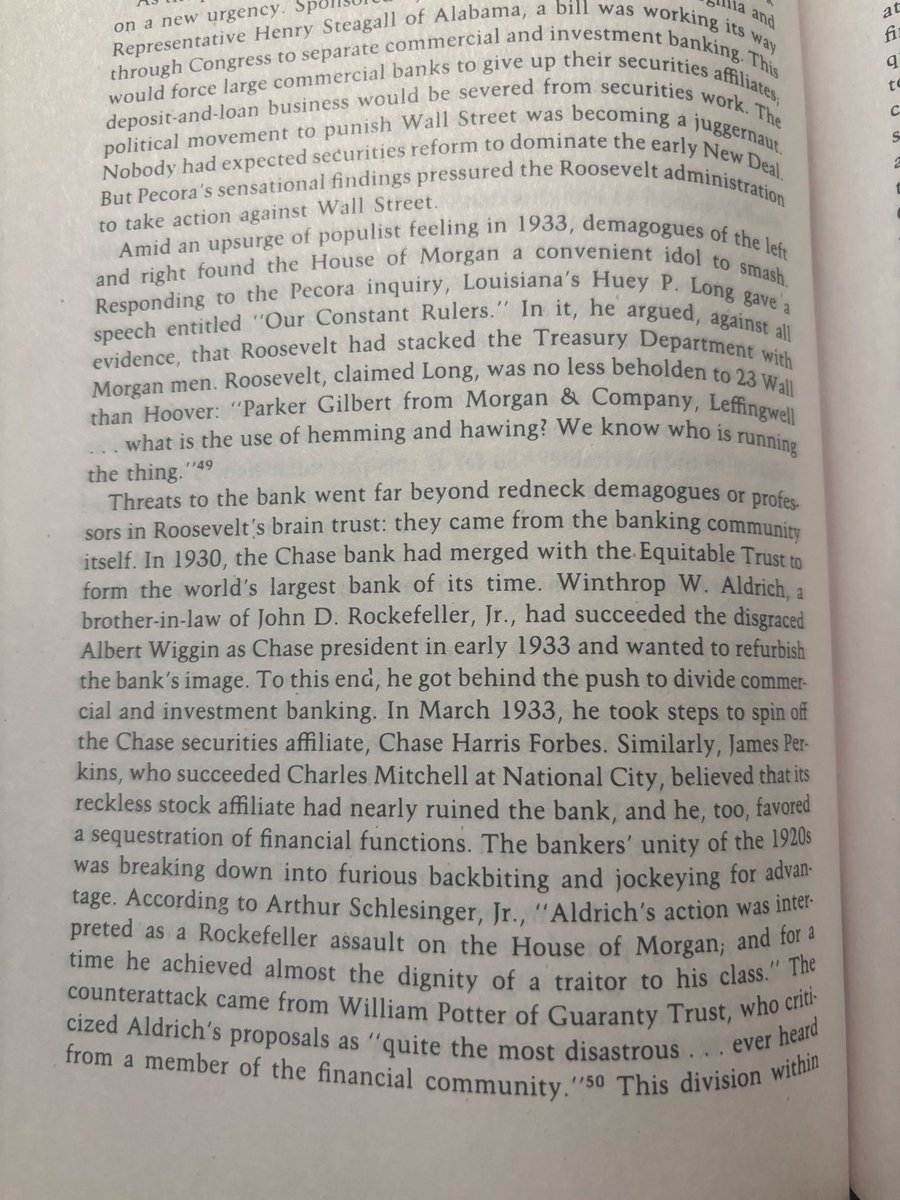
Similar in Belgium, where the separation of commercial and investment banking in the 1930s was initiated by the Société Générale’s governor Emile Francqui, who feared that commercial banking would be nationalized.
The irony of the post depression banking and securities regulation reform was that Wall Street invited it themselves, more than anyone else
Chase had already moved to separate their commercial and investment banks to change public image of the company
National City, one of the largest banks at the time and predecessor to Citi bank, also favored the exact same thing
A lot of people view the Glass Steagall act passed at the time as a decisive blow to Wall Street, when in reality, it was Wall Street who asked to be regulated