@pmarca The only parallel I'm finding is the black box idea that no one knows what is going on inside an LLM, because clearly nobody in the comments seems to know how a symphony even works
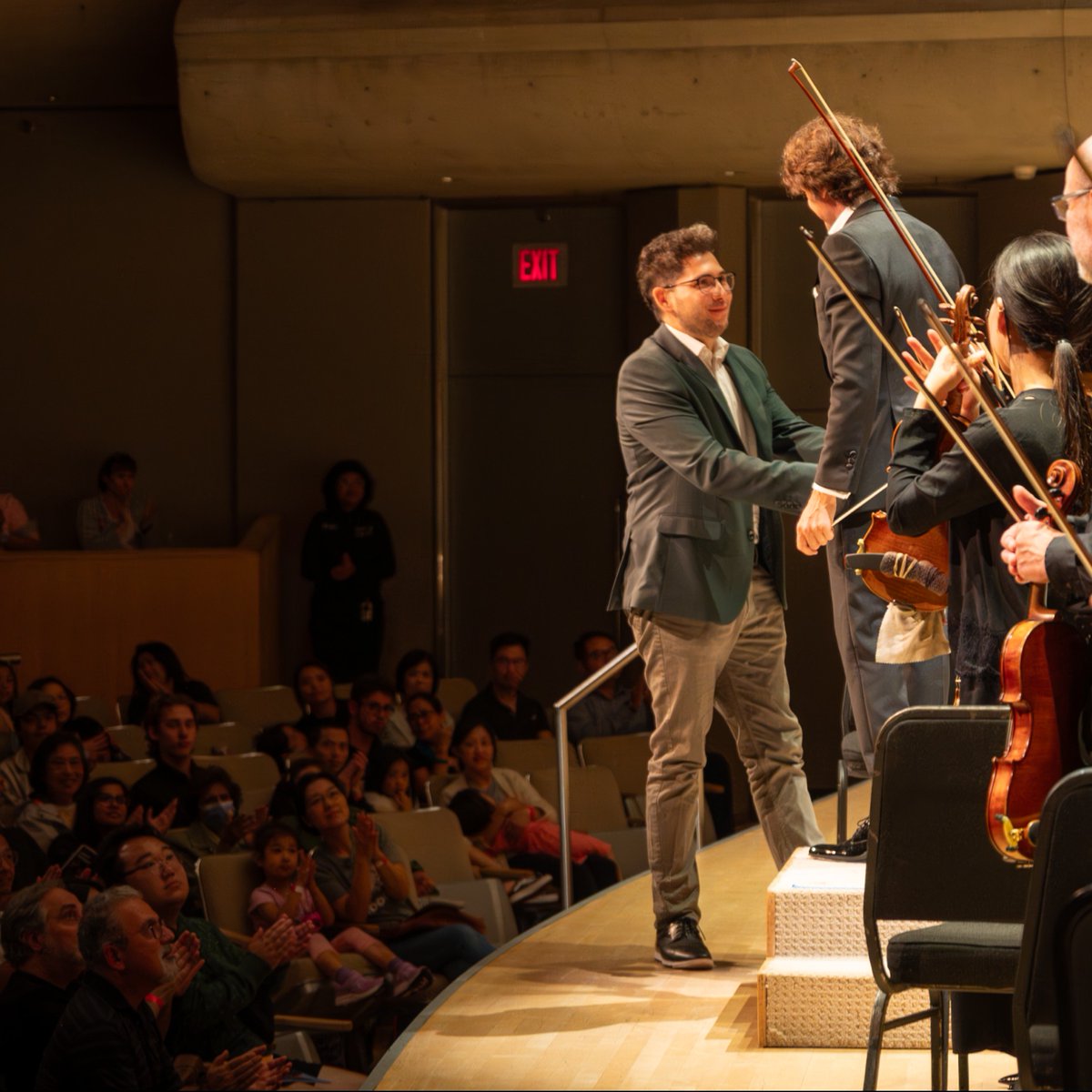
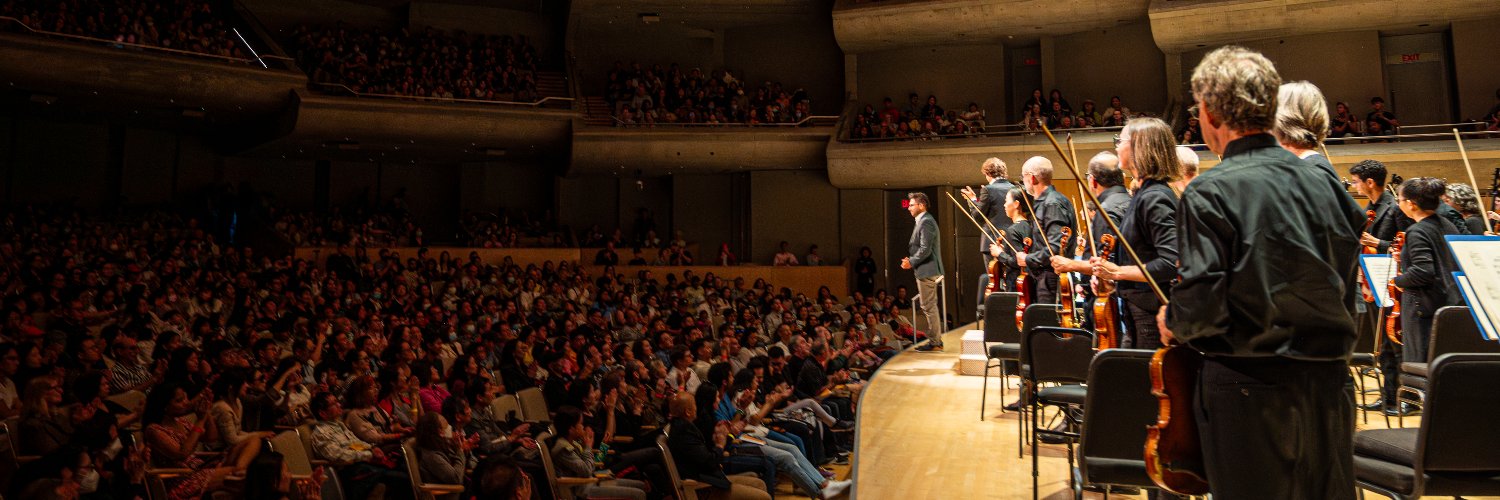
🎶 We’re thrilled to welcome composer Luis Ramirez to the Winspear Centre for our ESO New Music Fantasy concert on Friday, January 31, 2025! 🌟 Get ready to be captivated by the magic of his piece 'Chido' 🎶
https://t.co/s759W3Ujcd
Three years since the first flight of Starship, the next generation is here. New ship. New booster. New engines. New pad and new test site. SpaceX engineers are working to solve one of the most difficult engineering challenges in history: developing a fully, rapidly reusable rocket
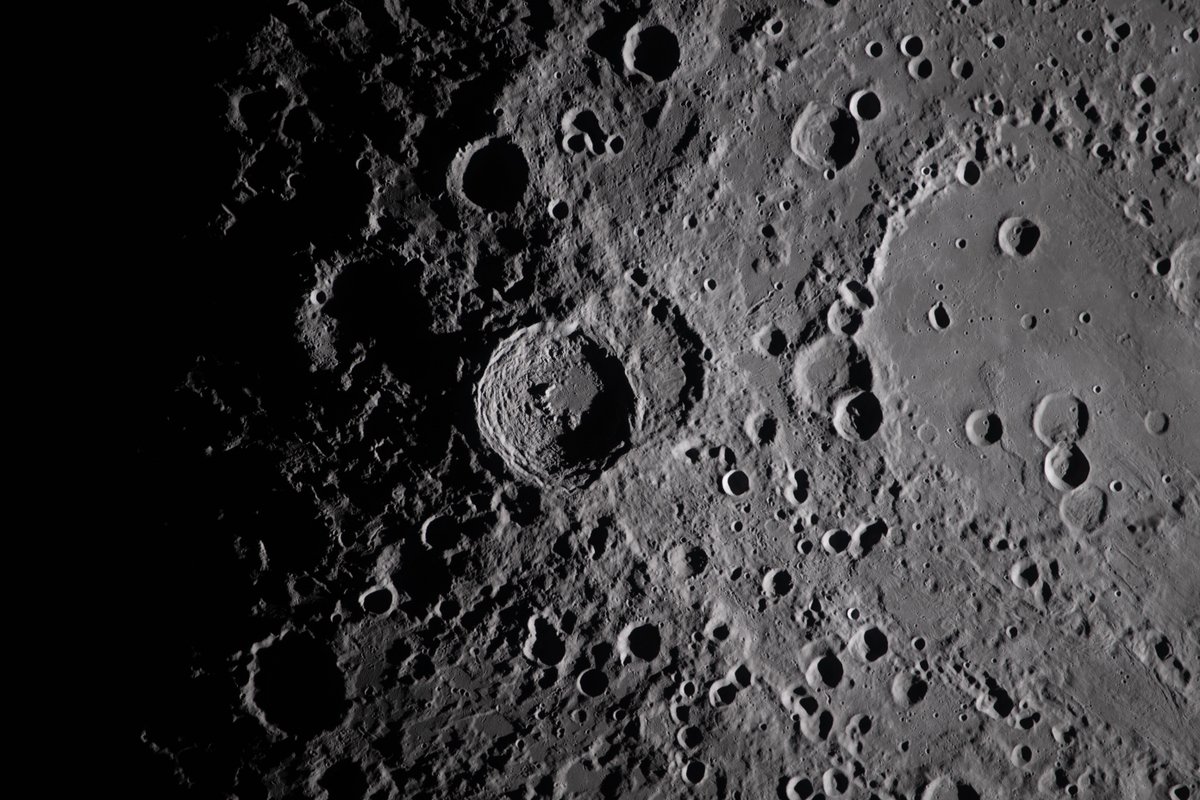
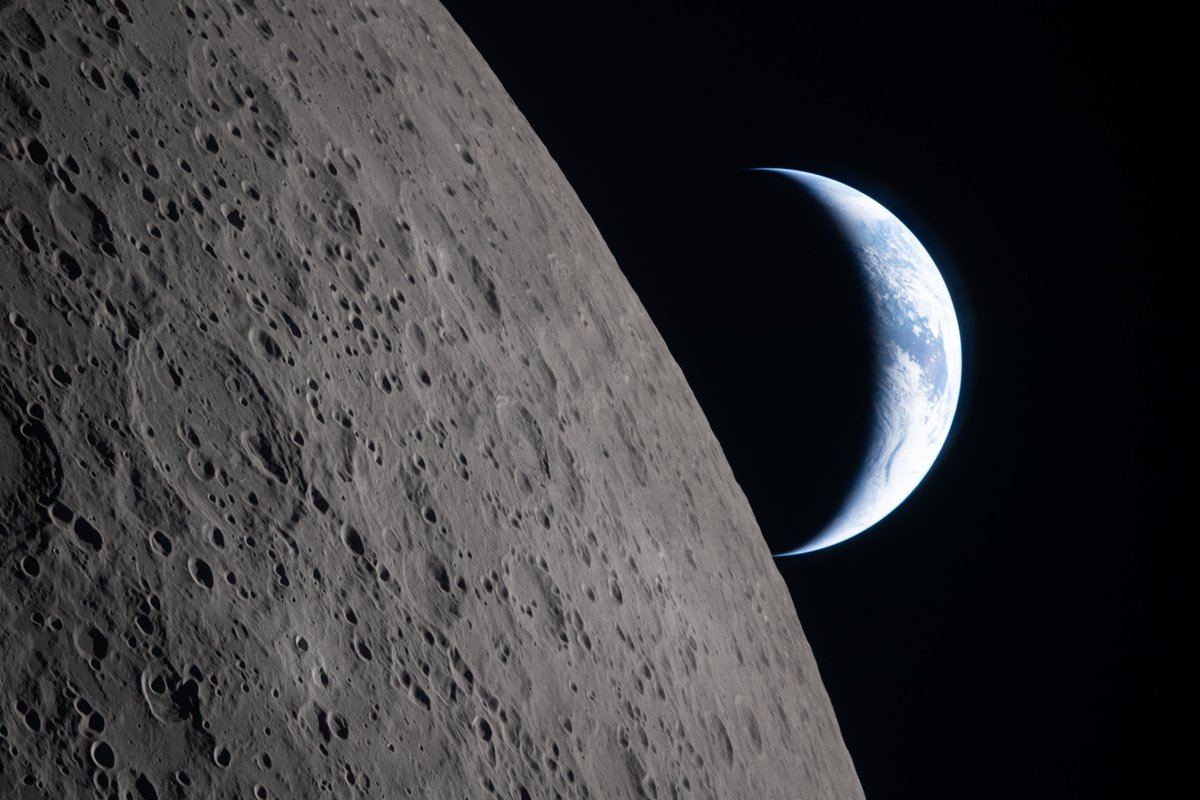
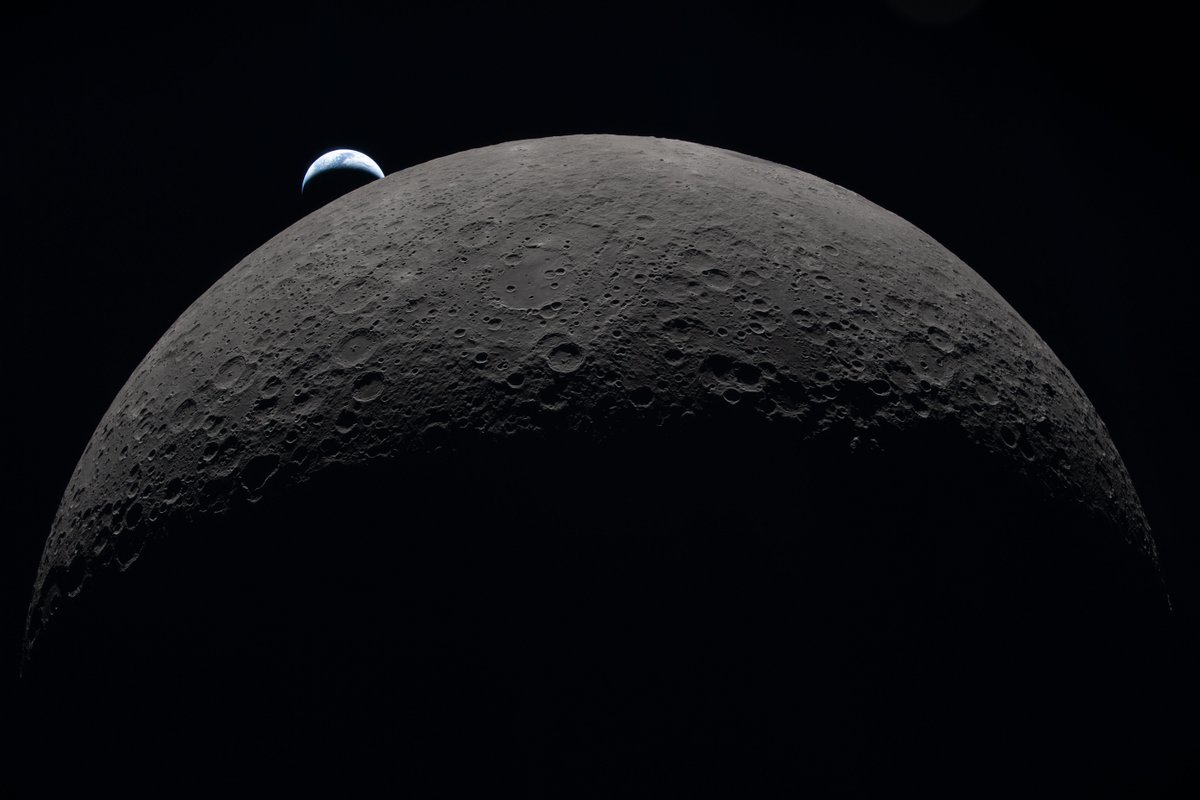
Hello, Moon. It’s great to be back.
Here’s a taste of what the Artemis II astronauts photographed during their flight around the Moon. Check out more photos from the mission: https://t.co/rzM1P0QbOl
@EthanHe_42@grok It's unfortunate that audio is so heavily compressed, at least to my ears it's very noticeable. I wish there was a way to control audio parameters separate from video instructions!
My piece "Chido" recently got recorded by the National Arts Centre Orchestra in Ottawa. Here's a previous performance by the Winnipeg Symphony Orchestra.
Immense planning and technical precision was required for this absolutely preposterous (but real) view: I captured my friend @BlackGryph0n transiting the sun during a skydive.
This might be the first photo of it's kind in existence. See a video of this moment in the reply 👇
Self-sabotage is one of the most insidious forces we contend with not because it storms through our lives with chaos, but because it tiptoes in quietly, wearing the mask of coincidence, fatigue, or forgetfulness. It’s not just missing a deadline or “accidentally” sleeping in; it’s the way we conveniently forget to charge the phone, misplace the to-do list, or suddenly feel the need to clean the entire kitchen before doing the one thing we’re avoiding. These aren’t random missteps they’re micro-evasions engineered by a subconscious part of us trying to protect ourselves from discomfort, risk, or rejection. But what they cost us is our own momentum.
What makes self-sabotage so tricky is that it often looks like ordinary life. No one questions you when you say you overslept or forgot. But deep down, a part of you knows it wasn’t truly accidental it was a quiet deal made in the shadows between fear and comfort. That’s why overcoming it isn’t about guilt or discipline alone. It starts with radical self-honesty. We need to stop gaslighting ourselves and begin gently investigating the patterns. Not from a place of blame, but of curiosity: What am I really afraid of? What does avoiding this task protect me from? Self-awareness doesn’t fix everything, but it gives us a fighting chance.
To move past this cycle, we don’t need to become superhuman we need to become more compassionate witnesses of our own minds. Tools like journaling, accountability, and creating frictionless systems can help, but ultimately, the healing comes from learning to sit with discomfort without negotiating our future away. You don’t overcome self-sabotage by punishing yourself you outgrow it by slowly proving to that hidden part of you that it’s safe to show up. That failure won’t destroy you. That your dreams are worth the risk. And that you’re allowed to want more without apologizing for it.