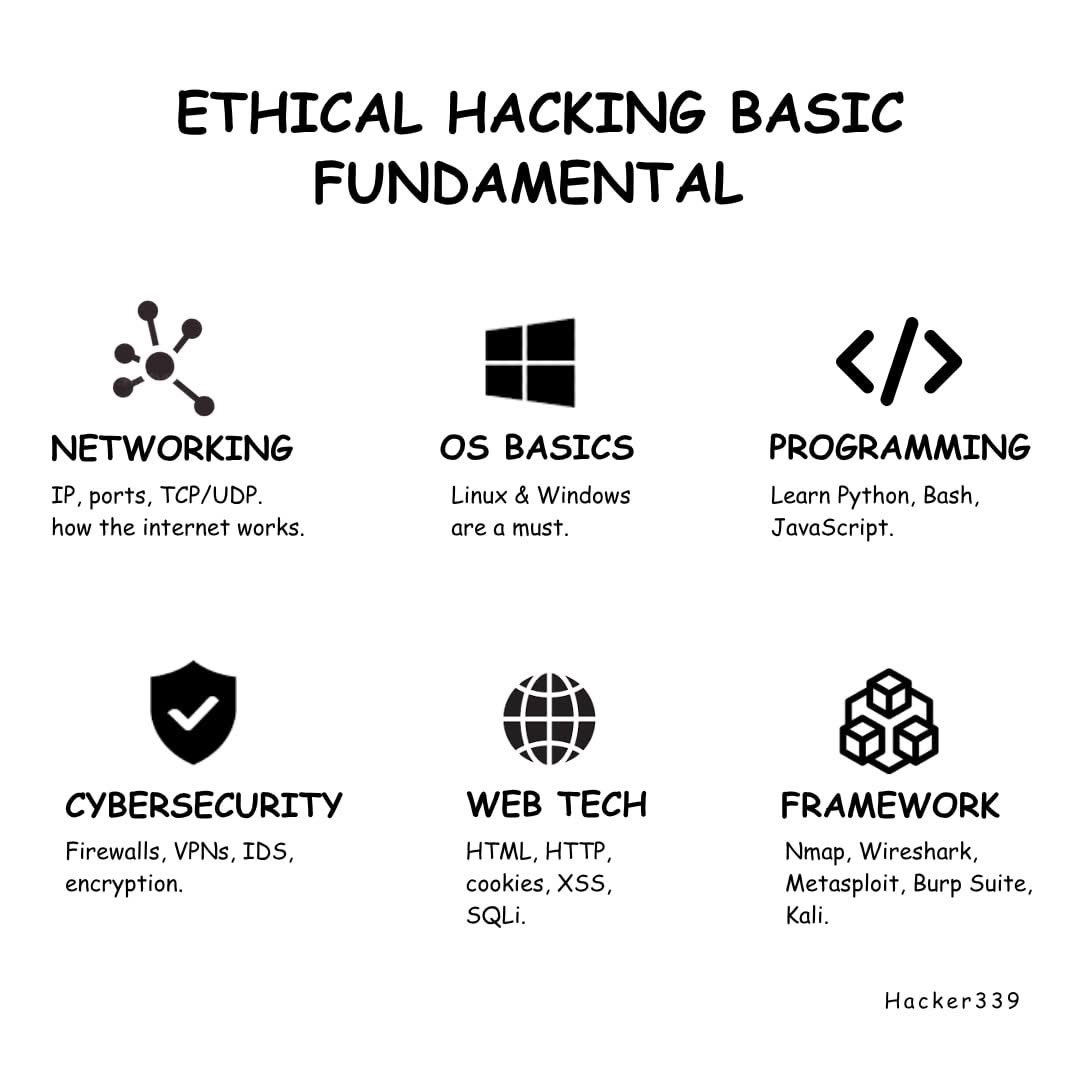
Access 20+ Free Courses
No Payment Required
1. Artificial Intelligence
2. Machine Learning
3. Cloud Computing
4. Ethical Hacking
5. Data Analytics
6. Data Science
7. BIG DATA
8. Python
9. AWS
10. MBA
To get it, Just:
1. Like & Retweet [MUST]
2. Reply "SEND"
3. Follow Me
Here are 30 fundamental concepts that come up in every security role interview:
1. Security Compliance Frameworks (ISO 27001, SOC 2, NIST)
2. Threat Modeling Frameworks (STRIDE, PASTA)
3. Security Automation & Orchestration (SOAR)
4. Vulnerability Management & Patch Cycles
5. Container Security (Docker, Kubernetes)
6. Identity and Access Management (IAM)
7. Encryption Standards (AES, RSA, TLS)
8. Penetration Testing Methodologies
9. Secure API Design & OAuth 2.0
10. Security Hardening Techniques
11. Authentication vs Authorisation
12. Public Key Infrastructure (PKI)
13. Incident Response Lifecycle
14. Defense in Depth Strategy
15. Zero Trust Architecture
16. Firewall Rules & ACLs
17. Least Privilege Principle
18. DDoS Mitigation Strategies
19. OWASP Top 10 Vulnerabilities
20. Security Logging & Monitoring
21. SQL Injection & XSS Prevention
22. Network Segmentation & VLANs
23. Supply Chain Security & SBOMs
24. Certificate Management & Rotation
25. Cloud Security Posture Management
26. Endpoint Detection and Response (EDR)
27. Intrusion Detection vs Prevention Systems
28. Cryptographic Hashing (SHA-256, bcrypt)
29. CIA Triad (Confidentiality, Integrity, Availability)
30. Security Information and Event Management (SIEM)
Bookmark this for your next interview prep.
What would you add to this list?
Thanks to Saed for creating this list from his security interview experience. I hope it helps someone out here.
Ever wondered how HTTPS actually keeps your data safe?
Here’s what happens behind the scenes every time you visit a secure website
1️⃣ TCP Handshake – Your device and the server agree to communicate.
2️⃣ Certificate Check – The server proves its identity with a trusted certificate.
3️⃣ Key Exchange – Using asymmetric encryption, both sides create a secure session key.
4️⃣ Data Transmission – The connection switches to symmetric encryption for faster, private communication.
In short:
Asymmetric = secure key exchange
Symmetric = fast data encryption
Hello everyone, Cybersecurity Awareness Month is here again!
We’ve crafted a comprehensive content calendar for October’s Cybersecurity Awareness Month.
Please share any additional topics you’d like us to explore or cover that aren’t already on our list.


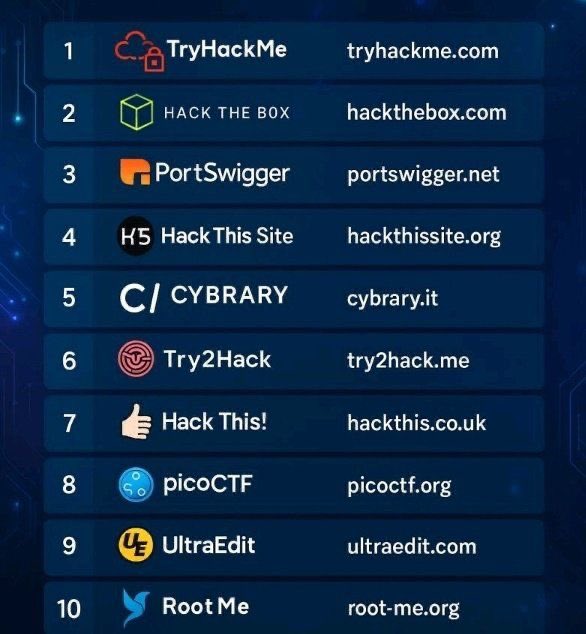

![Med1_Ai's tweet photo. Access 20+ Free Courses
No Payment Required
1. Artificial Intelligence
2. Machine Learning
3. Cloud Computing
4. Ethical Hacking
5. Data Analytics
6. Data Science
7. BIG DATA
8. Python
9. AWS
10. MBA
To get it, Just:
1. Like & Retweet [MUST]
2. Reply "SEND"
3. Follow Me https://t.co/bF91SKVk3b](https://pbs.twimg.com/media/G4XZN1XasAAFJXF.jpg)