@daniel_dsj2110 Ok. Ha scoperto l'acqua calda e cioè che senza l'organizzazione le classi sociali più deboli non hanno speranza di diventare soggetto politico ma piuttosto rischiano di rimanere oggetto, delle jacquerie.
@AleEquilibrium direi che è finita. Ai poveri è da consigliare di non avere figli se sono in età, sarebbe solo anime in pena. A chi può di tagliare la corda. E anche alla svelta.
250 anni di storia e una crisi potenzialmente irreversibile con implicazioni enormi per i satelliti occidentali... Non è solo Trump, non sono solo i MAGA o qualche oligarchia qua e là, ma un intero sistema di potere che peggiora di anno in anno, consumato da quello che è
1/6
@lastoriaeleidee solo che stavolta dubito che i cinesi accettino un accordo simil Plaza... Potranno lavorare con gli americani per evitare di far saltare il banco e il sistema globale. Ma non lo faranno di certo gratis.
@lastoriaeleidee il pnrr su questo rappresenta veramente il punto della situazione, si fanno le cose e poi chi le gestisce? Il problema è sempre quello. Non basta fare, bisogna soprattutto mantenere.
@AleEquilibrium@fiat_pnuto c'è anche da dire che le alternative sono anche tanto elitarie e costose, soprattutto per i ceti medio bassi. Ma è qui che dovrebbe farsi sentire il peso dello stato. Ma ci vorrebbe programmazione economica, risorse ecc.
@paolomossetti Chi ha votato i governi più politici degli ultimi decenni, quelli di Draghi e Monti? La fata turchina in combutta con la strega dell'Est e i sette nani con gli orsi di riccioli d'oro?
@paolomossetti Mi pare che anche Bersani & Company era completamente indifferente a quello che diceva una parte della base viste le decisioni prese in questi decenni. Mica solo Letta e altri... Troppo comodo scaricare su di loro le responsabilità di tutti.
@stacce2021 Secondo me non bisogna dare visibilità ulteriore a certi personaggi fino a quando la bilancia costi benefici di questa pratica non sia a suo sfavore.
@AleEquilibrium Dubito che ci porteranno fuori, perché non c'è nessuna classe dirigente. E quindi non ci porterebbero da nessuna parte. Non in questo momento storico. Forse tra 5/6 generazioni potrà accadere, sempre considerandosi sfrenatamente ottimisti.
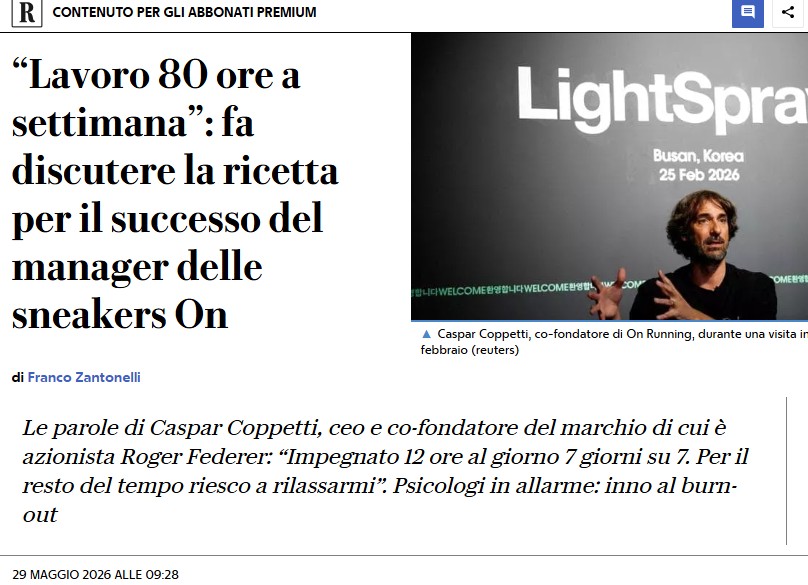
Siamo nel XXI sec. e continuiamo a rilanciare le scemenze del secolo precedente, spacciandole per "ricette del successo". Fra l'altro i grandi manager che ogni volta parlano del loro "durissimo" impegno, 12 ore al giorno bla bla bla, includono conversazioni per ore al
1/10
I'm not a fan of the guy but this is a genuinely fascinating insight on European politics, by a key insider.
This is Florian Philippot, who used to be Vice President of Le Pen's Front National, and had since left to create his own party, Les Patriotes.
He is asked why the Rassemblement National (the name of Le Pen's party) doesn't want to leave NATO and the EU anymore.
He says there were 3 key mechanisms.
The first one is sheer intellectual laziness. He recalls senior party figures, including vice-president Louis Aliot, simply admitting they didn't understand the topic and therefore couldn't defend it.
It might sound comical but I think Philippot is probably right: so many political positions get quietly dropped simply because actually mastering and defending them is hard work, and people are just lazy.
I'm seeing this on China a lot: it's an immensely complex subject that's extremely hard to understand and on which there are so many clichés and ignorance. Fighting this, grasping the subject and countering the clichés is exhausting and thankless, while parroting the clichés costs nothing and makes you sound perfectly reasonable. Guess which one people pick? 🤷
The second mechanism is what he calls "the comfort that corrupts." As he puts it: "the more we give up, the better we are treated in the media... by business... in embassies," because all of a sudden "we're part of the club." Drop your heresies and the doors open, the tone softens, the invitations arrive - "day after day without even realizing it."
This is basically another name for the Overton window, a range of acceptable opinions that simply exists. It's not policed by force but simply by belonging, which is a very powerful force in and of itself: step outside of the window and you're a pariah, step back in and you feel the comfortable sense of belonging, of being accepted.
The third is just careerism. A seat in the European Parliament is a comfortable, well-paid job that keeps renewing itself. It's basically the quote: "It is difficult to get a man to understand something, when his salary depends upon his not understanding it."
When your livelihood depends on the very institutions you came to dismantle, suddenly you're not very convinced by your convictions anymore...
All in all, those are pretty universal mechanisms but it's particularly true in contemporary liberal democracies, and even more true in those in Europe. It's basically the equation "extreme demonization vs warm embrace." No-one wants to be demonized, everyone wants to belong - and since defending difficult ideas is real work while belonging takes none, laziness settles the contest.