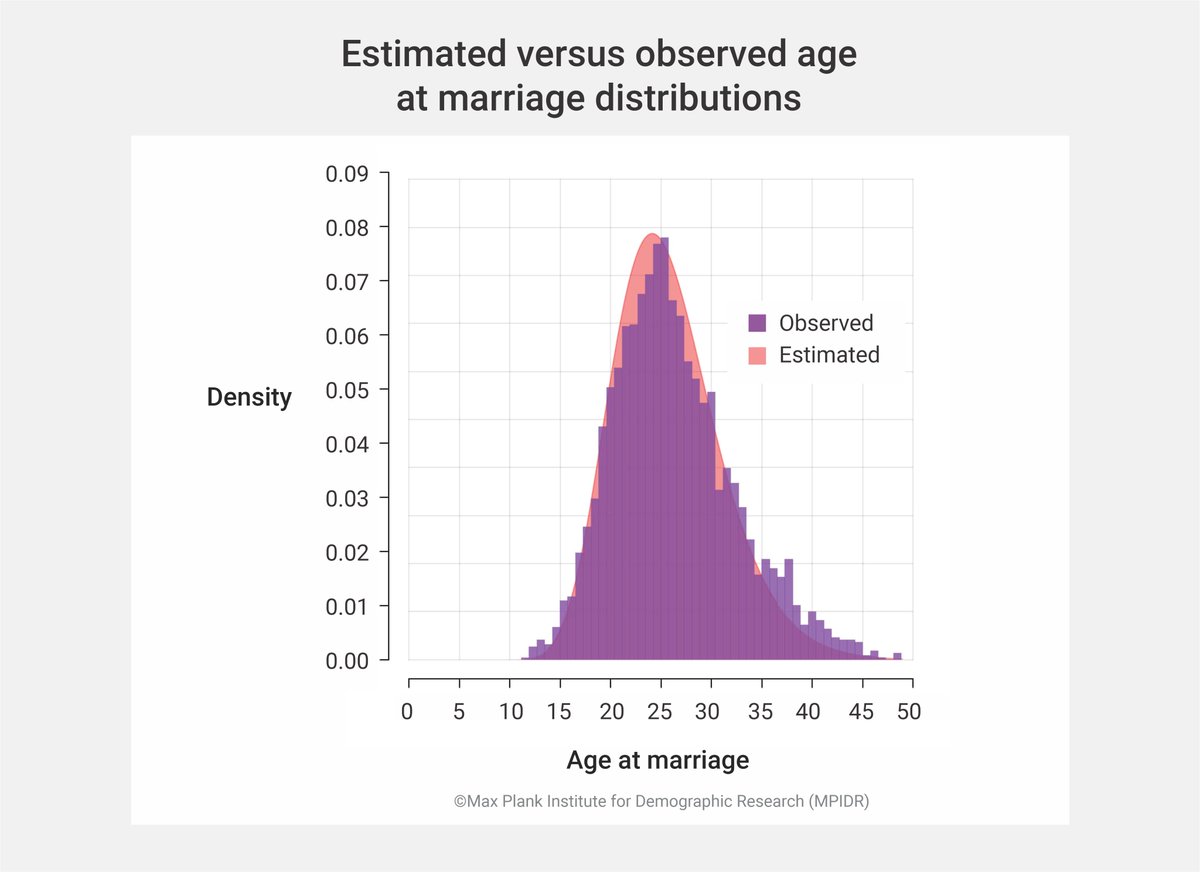
👓Recommended Reading📷New Approach Predicts Individual Fertility Behavior from Aggregated Data In their paper,
@d_ciganda
and Nicolas Todd present a new approach to identifying individual #fertility behavior from aggregate #data. https://t.co/hR3A4j9zfC ...🧵1/9
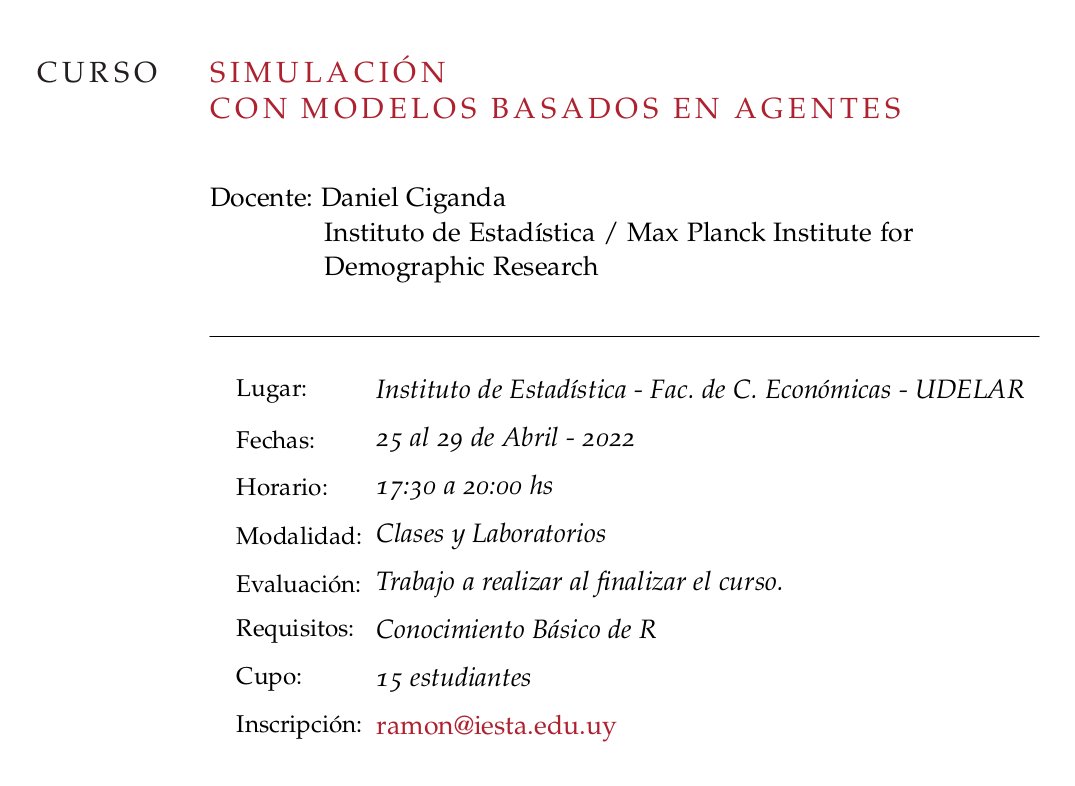
Congratulations, @d_ciganda! He leads the new Max Planck Partner Group on Simulation of Sociodemographic Systems in Montevideo, Uruguay.
https://t.co/pKAPEFfdXa
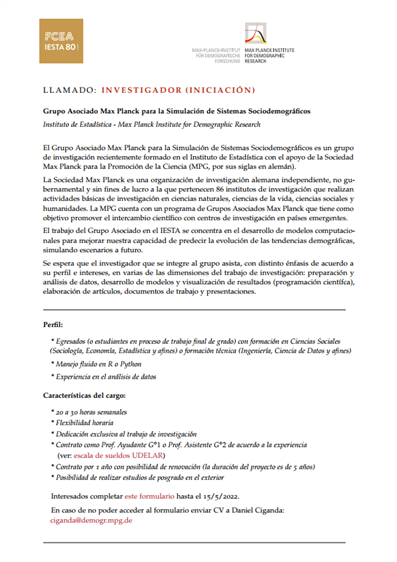
En el marco de los #80aniosdelIESTA comunicamos la creación del "Grupo Asociado Max Planck para la Simulación de Sistemas Sociodemográficos" y el siguiente Llamado en investigación https://t.co/SAQmA4MPKJ
@KBQWrites @ElyKreimendahl It's funny how that tracks how we age. I remember 9 30 or 10:00 as a perfectly acceptable start time for hitting a bar or meeting up with people. Now I get edgy if it's 9 00 and we're not "heading out now, nice to see you"
Total COVID deaths show clear peak on April 8th, then steady decline. Deaths in care homes plateauing around 17th April. CQC data has strong reporting artefacts, but likely that care-home deaths now similar to hospitals, and declining at a slower rate https://t.co/8FiDNC4924
When calculating inequality gaps, e.g. in income, categorical data are essential.
To work with these data `perccalc` as an #rstats package to estimate percentile gaps helps. Find more info in the recent paper by our research scientist @cimentadaj https://t.co/PuciJOSWR3