One thing most homes in Africa are missing is utility space. The verandah where you sit in the evening. The courtyard that pulls breeze through the house. The covered outdoor dining area where the family gathers. We build rooms and forget to build the spaces between them. Those in-between spaces are where life actually happens.
This farmhouse in Hyderabad, Telangana knows that.
Dance of the Elements by Pershads Architects. Clay tile roof, dark timber columns sourced from village houses, internal courtyards that bring natural light and air into every room, a front verandah that transitions you from outside to inside without rushing the moment. The ceiling in the living room is terracotta discs set into concrete, a material detail that is both decorative and locally rooted.
3,500 square feet designed for a multigenerational family. Every space has a relationship with the outdoors. No room is sealed from nature.
A home that understands how its people actually live looks like this.
More images in the comments.
Pershads Architects | Hyderabad, Telangana 🇮🇳 | 3,500 sq ft | 2023
📸 Ravi Varma
Francis Kéré has proven repeatedly that the materials beneath your feet are enough to build something extraordinary. Compressed earth, bamboo, laterite, eucalyptus. In his hands, what most architects overlook becomes the building itself. In 2022, he became the first African architect to win the Pritzker Prize, architecture’s highest honour. His words upon receiving it: “Everyone deserves quality, everyone deserves luxury, and everyone deserves comfort.”
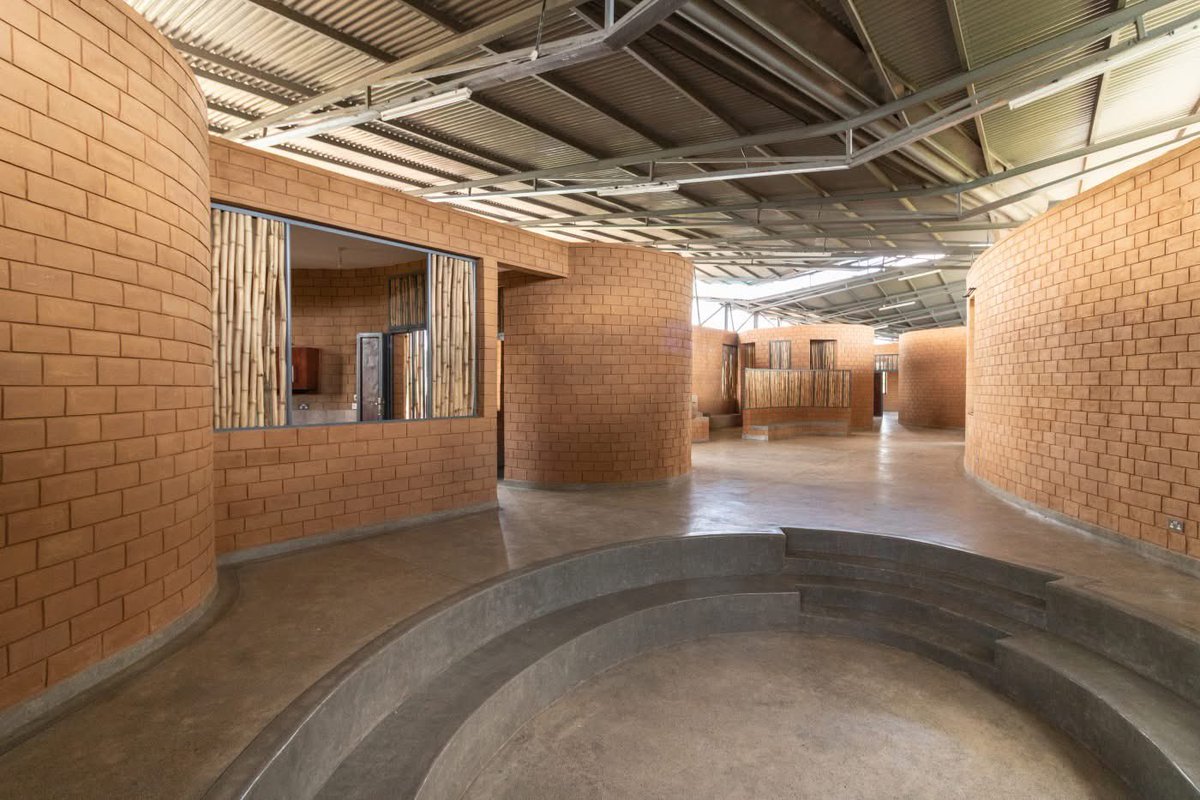
This is the SKF-RTL Children Learning Centre, Nyang’oma Kogelo, Kenya. Two classrooms, a kitchen, office spaces, bathrooms. Each function sits in its own circular structure, arranged the way traditional compounds in this region are arranged. Not a western building plan dropped onto African soil. A building that understands where it is.
The walls are compressed earth bricks made on site. The bamboo log panels filling the openings filter light and pull cool air through the building. The steel butterfly roof extends beyond the walls, shading the perimeter and collecting rainwater at the center.
No imported climate solutions. The building handles heat, light, and water through the logic of its own assembly.
Kéré Architecture | Nyang’oma Kogelo, Siaya County 🇰🇪 | 2016-2022
Let me take you through how easy it is to make this fantaaaaastic creamy linguine dish. It is one of my favorite meat-free dishes that offers such hearty deliciousness and I would love for you to enjoy it as well🩷! https://t.co/xbLkCzvt8J
{THREAD}
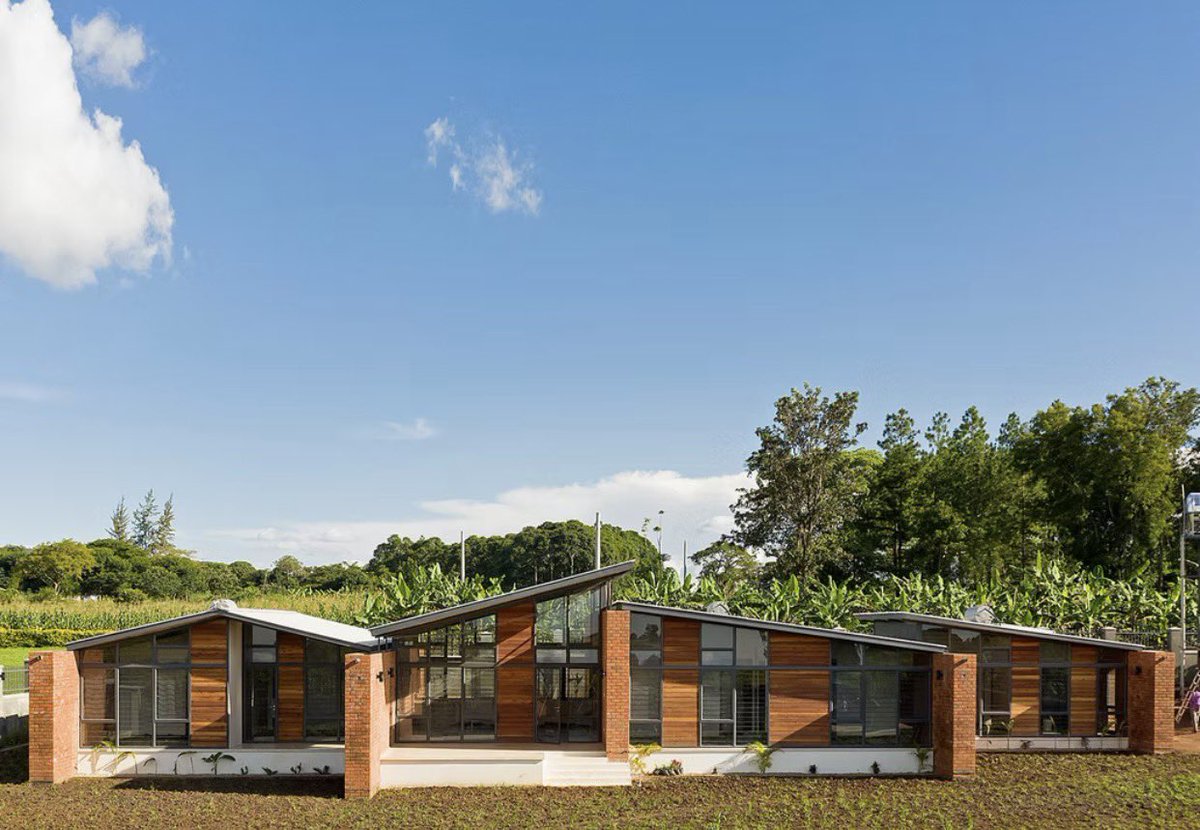
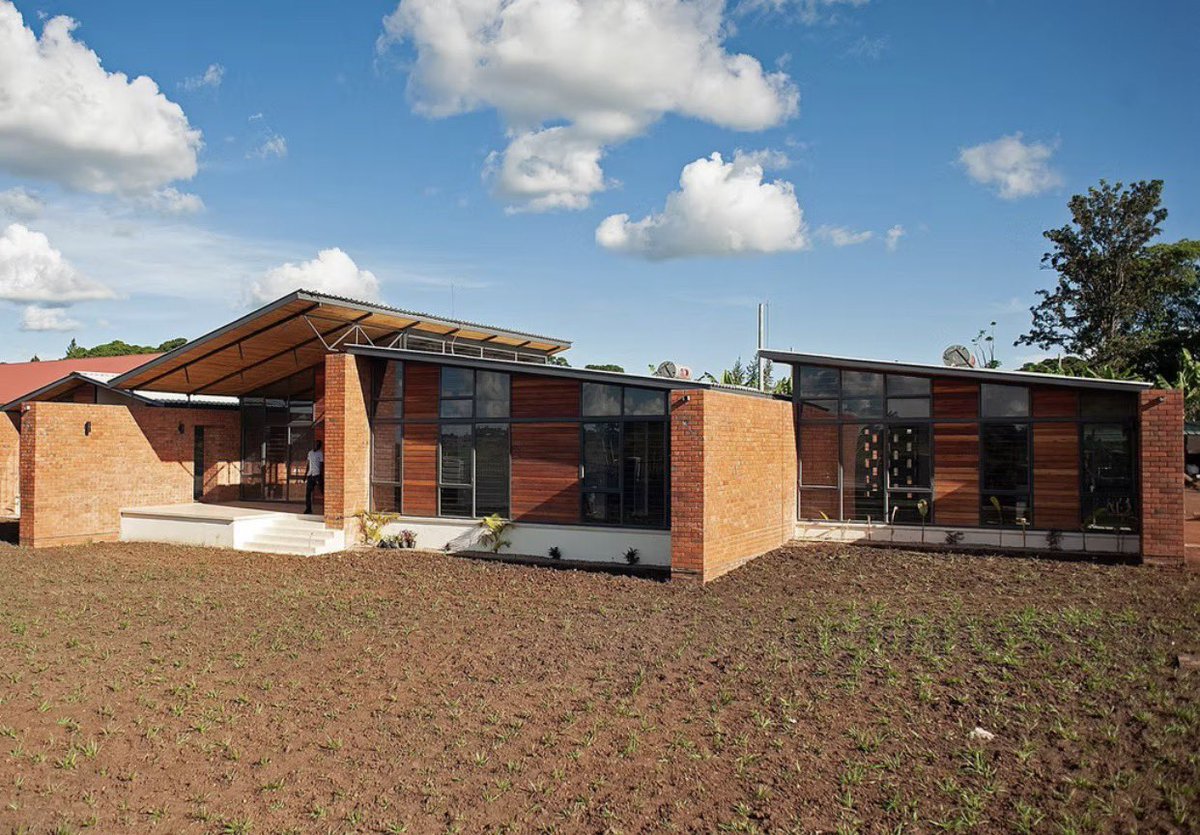
Uganda showing us how residential construction with brick is done the modern, refined way.
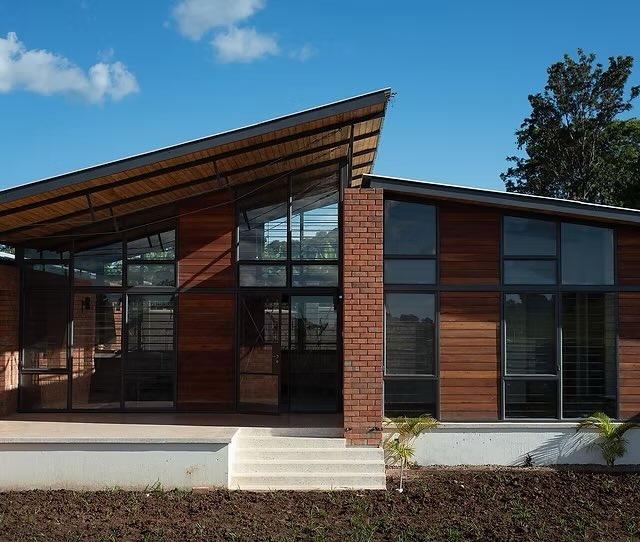
Kyatiri House sits near a small village in Masindi District equatorial sun without mechanical cooling. The architects oriented heavy brick walls strictly north-south. Those walls do one thing: block the low morning and evening sun completely. East and west are sealed. North and south open up entirely.
That single decision unlocks everything else. Full glazing on the north and south facades. Unobstructed cross-ventilation. No AC. The brick isn’t aesthetic it is the climate strategy.
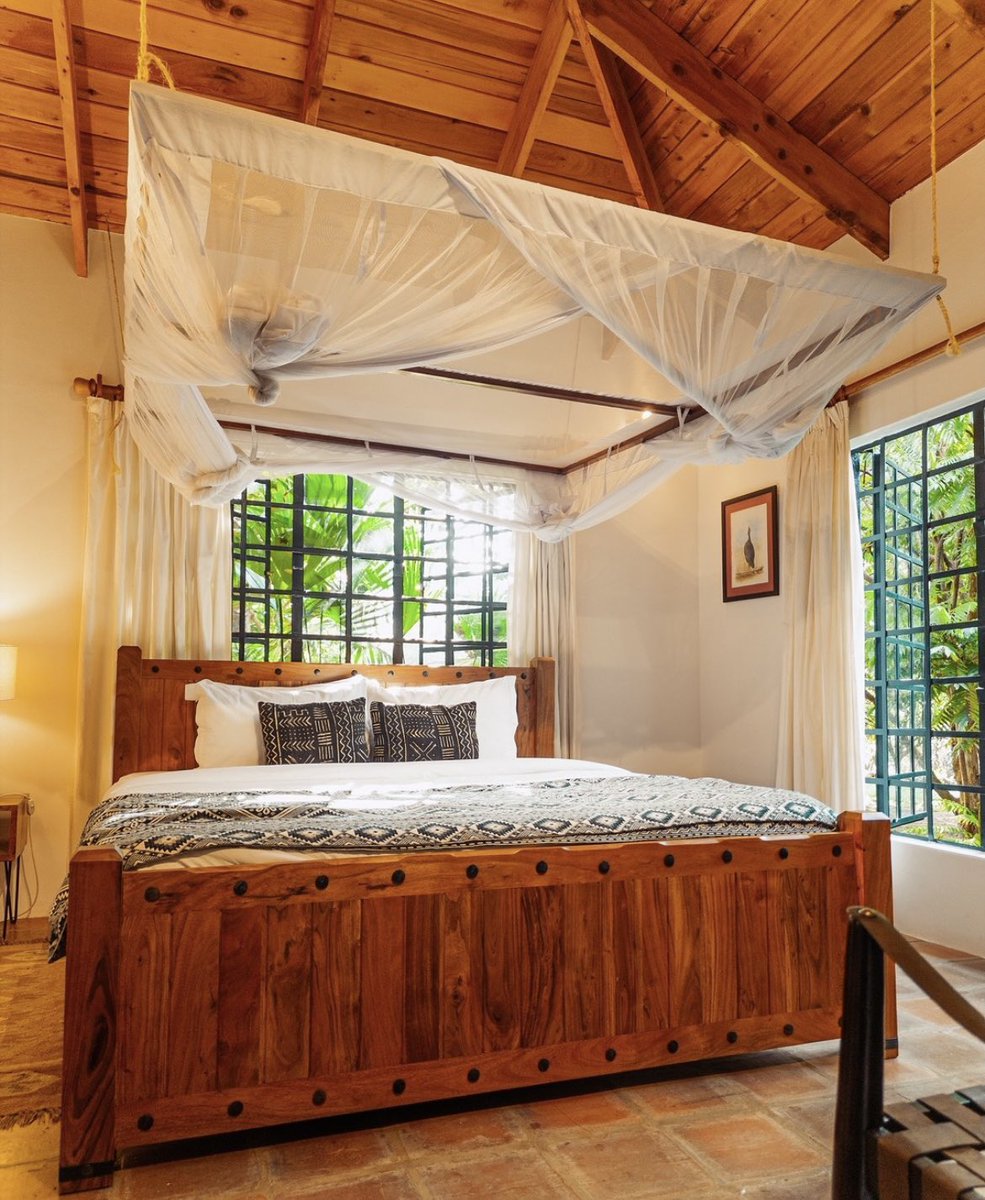
Inside, terrazzo floors cast before the walls went up. Eucalyptus planks on the open facades. Pine ceiling boards. Every material local, every choice deliberate.
📍Kyatiri House, Masindi District, Uganda. Architects: Local Works Studio.
📷 Local Works Studio