Some (early) evidence that managers have the highest success rate in using Claude Code for coding.
I have been arguing that management is an AI superpower, as clearly specifying what you want, how to do it & what good looks like is key to using agents. https://t.co/ofbCp3f1QB
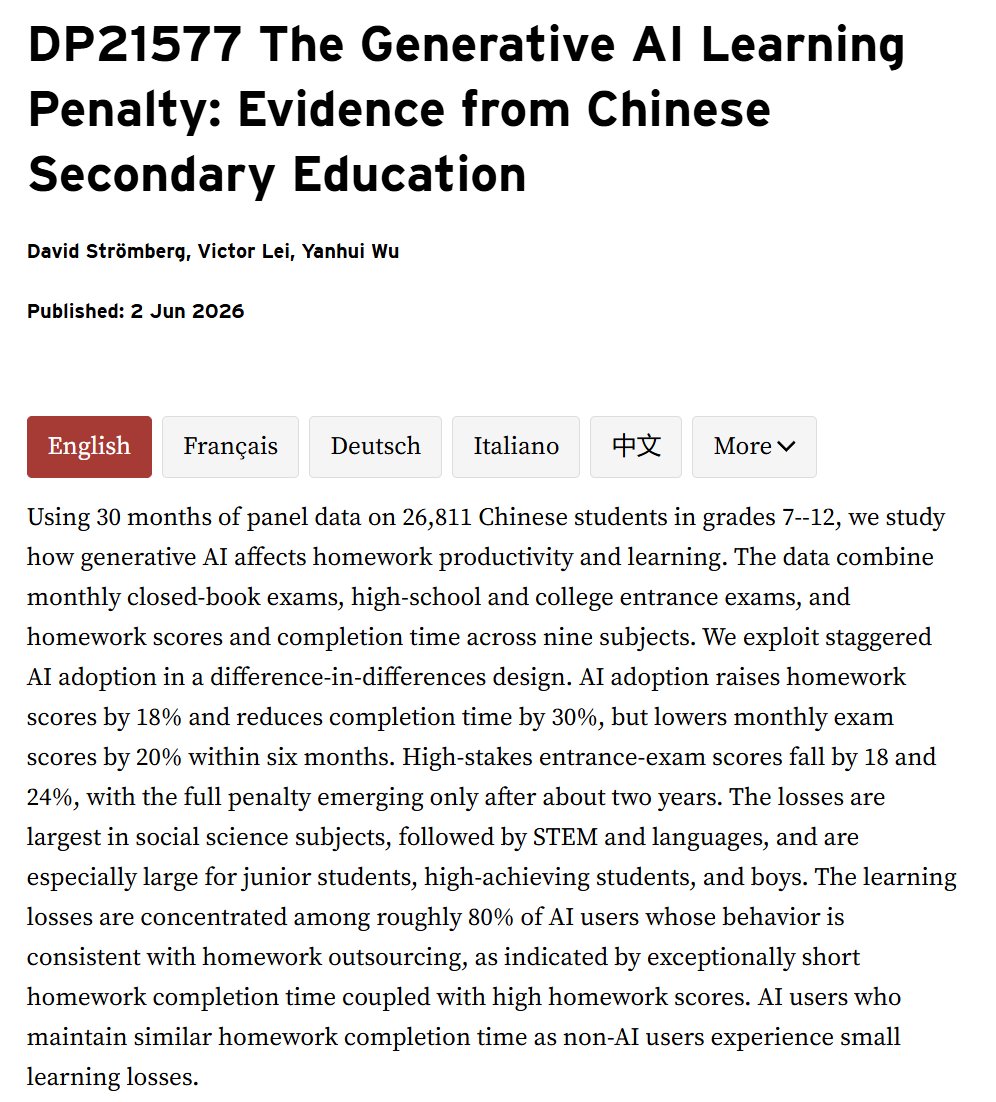
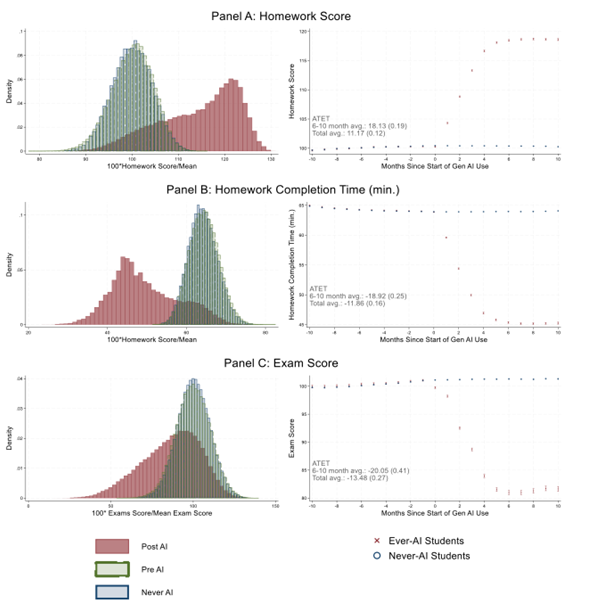
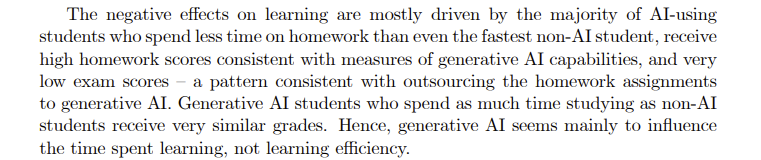
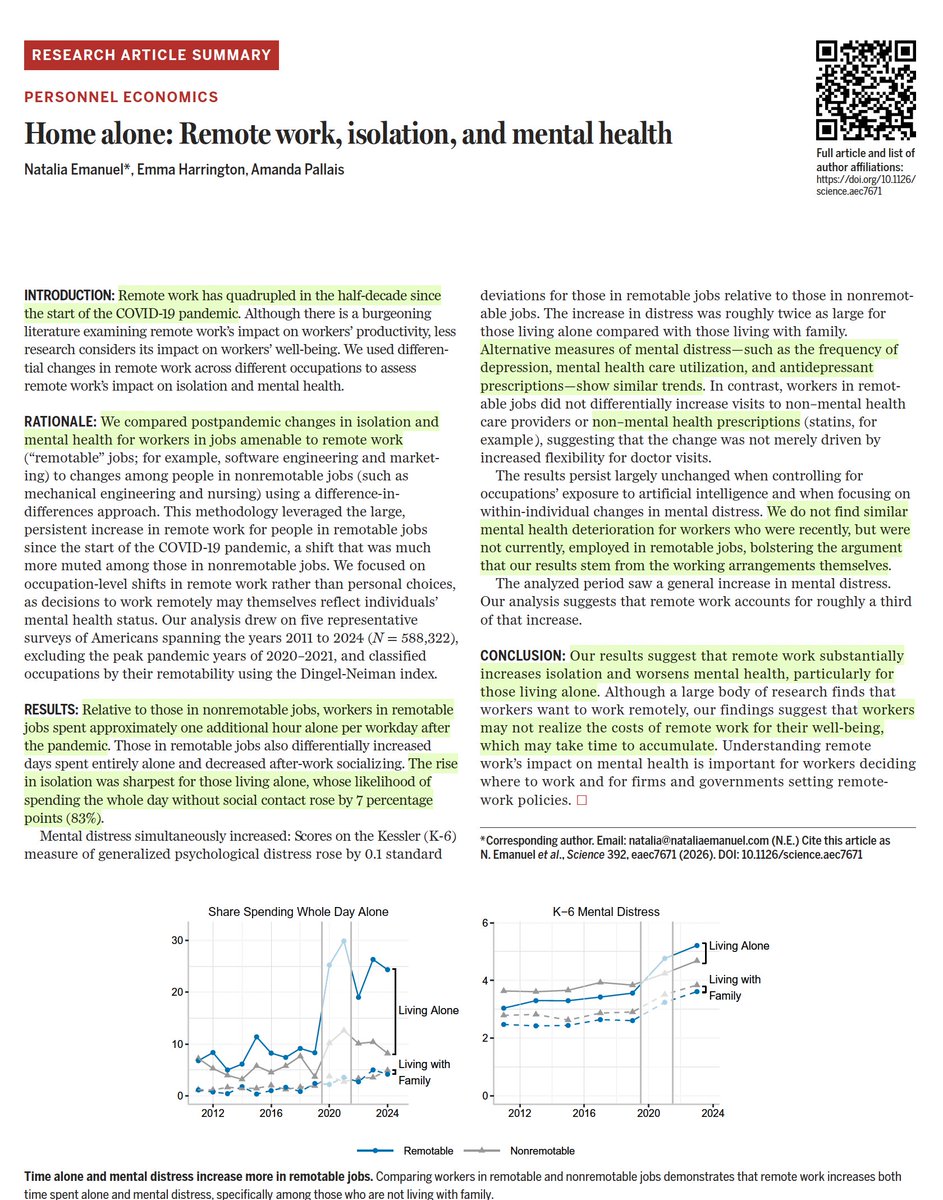
More evidence, from a large-scale study in China, that using AI hurts learning if it undermines mental effort. When homework time drops due to AI use, so do test scores.
Across studies, a theme: AI tutoring in support of classes is good, using AI to "help" with homework is bad.
« Une revue récente de plus de deux cents études pédagogiques le confirme : le cours magistral, où l’élève reste passif tandis que l’enseignant pérore pendant cinquante minutes, a fait son temps. Lorsqu’on compare ce cours magistral traditionnel aux pédagogies qui promeuvent l’engagement actif, l’effet est manifeste : dans toutes les disciplines, des maths à la psychologie en passant par la biologie ou l’informatique, un étudiant actif réussit mieux. Avec l’engagement actif, les résultats progressent d’un demi-écart-type, ce qui est considérable, et le taux d’échec diminue de près de 10 %. »
@StanDehaene
Academics write for each other, not for people.
Steven Pinker has spent over four decades doing the opposite, and thinks current academic writing is "enormous wasted effort."
"There's an awful lot of brilliant work, really smart people in academia. Why are they doing it? Just to entertain each other? Taxpayers pay for it. It should be accessible. Why should I have to read a paragraph five or six times?
It gets under my skin when academics devote so much brainpower into the scholarship and then just blow off the essential task of letting the world know what you've done."
Artificial intelligence is not replacing human intuition in maths and physics, but reimagining how questions are asked, explored and understood
https://t.co/b9VIEe65cq
Marcher ne sert pas seulement à se déplacer.
Cela peut aussi déplacer nos idées.
Dans ses recherches menées à Stanford, la chercheuse Marily Oppezzo a montré que la marche stimule la pensée créative.
Parfois, pour penser autrement, il faut commencer par se lever.
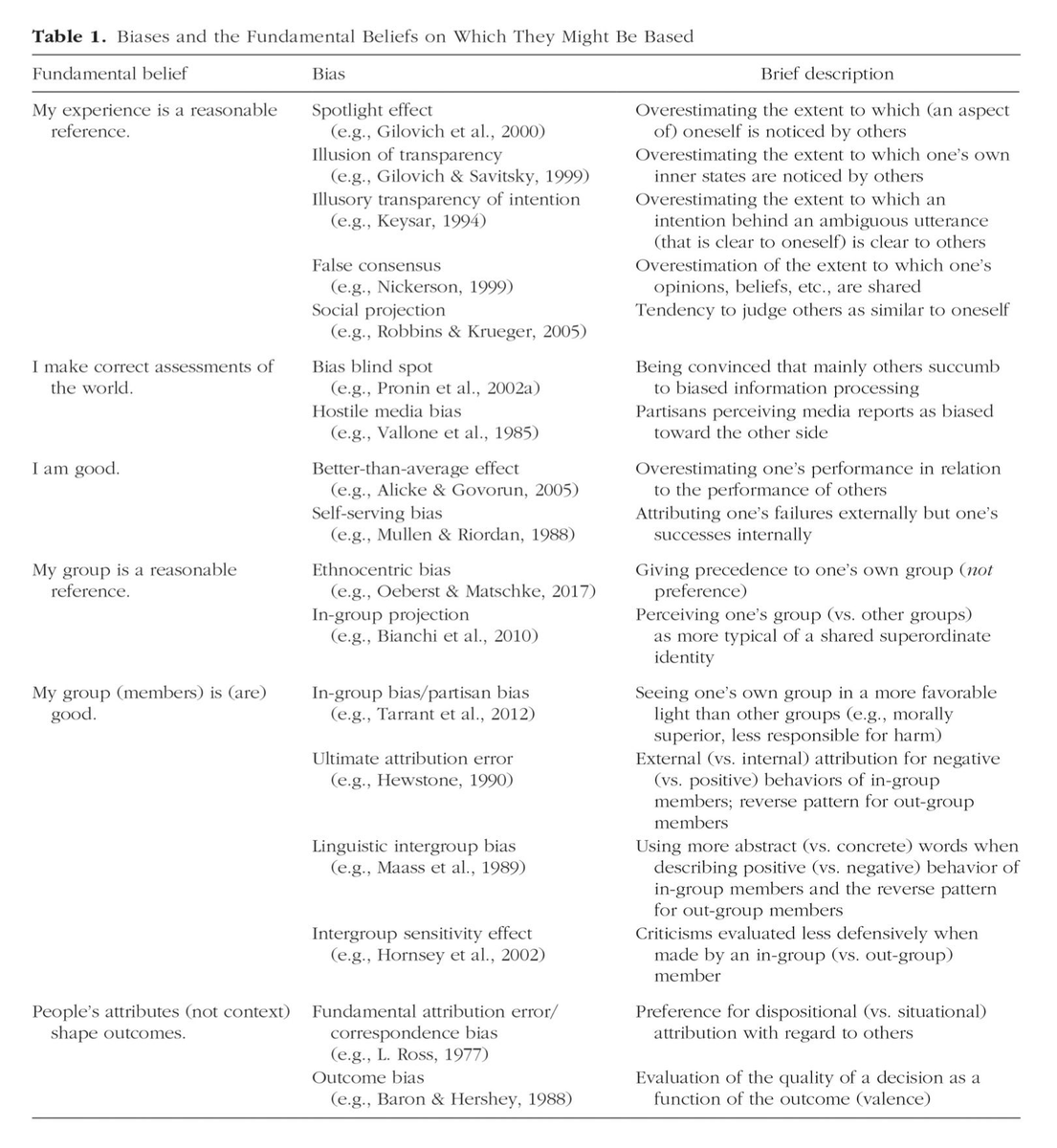
Psychologists have posited hundreds of cognitive biases over the years. A fascinating new paper argues that they all boil down to one of a handful of fundamental beliefs coupled with confirmation bias.
https://t.co/uZTVbGnH3d
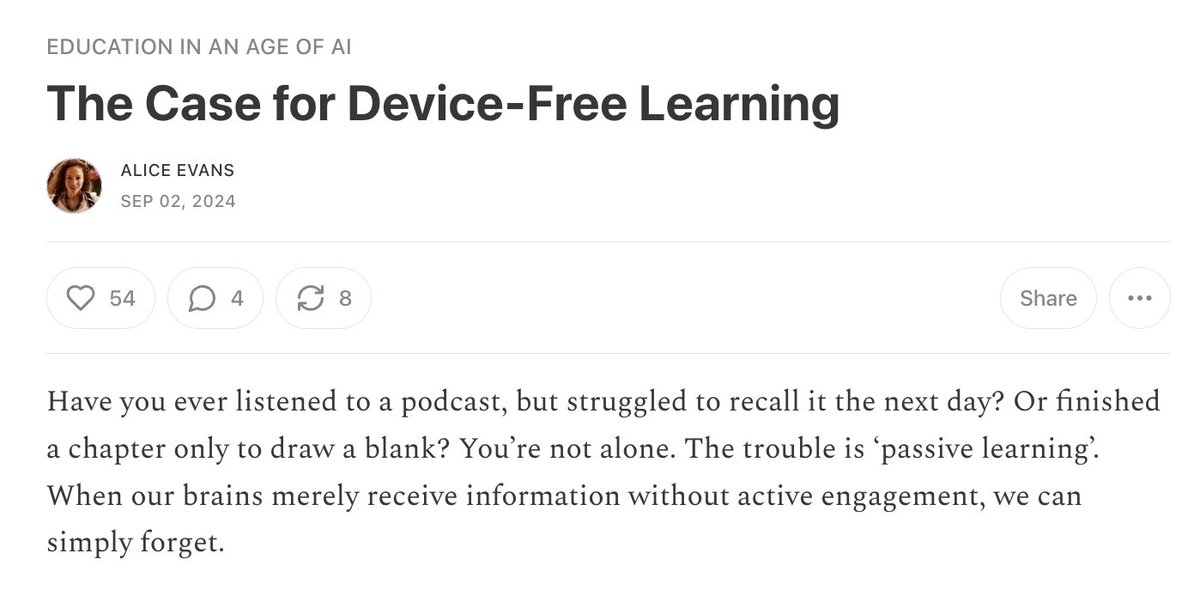
When I wrote an essay on banning devices in my lectures, some people shouted back in horror as if this was some insensitive injustice, failing to accommodate diverse needs.
A little over a year later, pretty much everyone recognises that devices are distracting and perhaps unhelpful.
A good reminder not to be intimidated or censored by very online bullies.
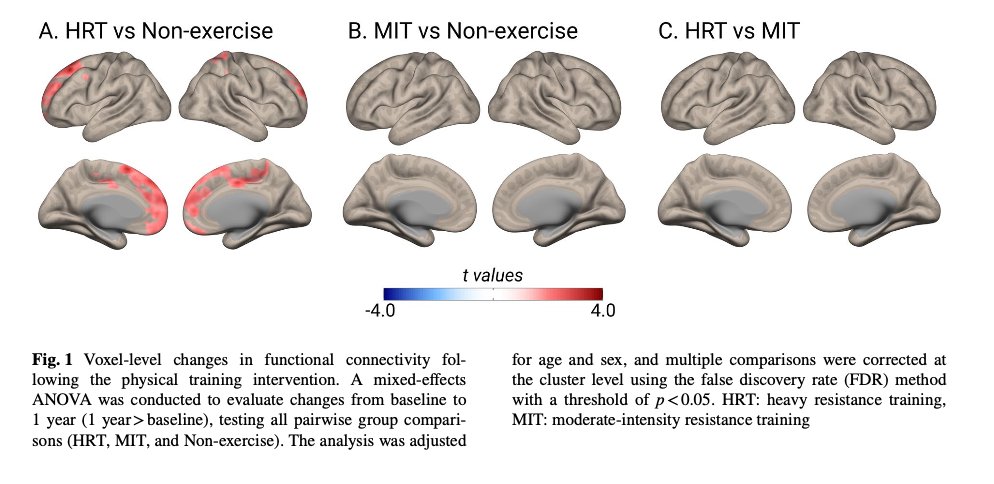
Lifting weights makes your brain look younger.
One year of either heavy- or moderate-intensity strength training reduced older adults' estimated brain age by 1.4-2.3 years on average and enhanced functional connectivity between brain networks.
What I find remarkable is, while the training lasted only one year, the effects on the brain were still noticeable at the two-year follow up.
So many benefits of going to the gym, and not just for your muscles.
Many college professors are discovering that students learn less when they have laptops open. Many of us are banning their use in class.
Putting computers and tablets on students desks in K-12 may turn out to be among the costliest mistakes in the history of education
I can never get enough of this family of illusions - and it took me a while to understand how they work well enough to explain it to my intro psych class. (Pixels at the edges continually shift color, perceptually dragging the segments with them.) Shows (together with other illusions, like the waterfall aftereffect) that motion has its own representations in the brain, not reducible to change in position.
"Early data on the effects of school phone bans confirm what teachers and administrators have long suspected—that phones in the classroom were the primary culprit behind bad behavior and low engagement."
From @juliejargon at @WSJ
https://t.co/LigL4Jd0ns
« How to compose a successful critical commentary:
https://t.co/ygYmcHGNT5 should attempt to re-express your target’s position so clearly, vividly, and fairly that your target says, “Thanks, I wish I’d thought of putting it that way.”
https://t.co/LPUov7tTrH should list any points of agreement (especially if they are not matters of general or widespread agreement).
https://t.co/t3io8Dow0q should mention anything you have learned from your target.
4.Only then are you permitted to say so much as a word of rebuttal or criticism. »