Listen now on Intersections: The Art Basel Podcast 🎧
Renowned architect Sir David Adjaye (@dadjaye) talks about the power of architecture, Black artists’ work, and his current project designing the @EMOWAA_.
Presented by @UBSglobalart: https://t.co/mwTMpl9qSU
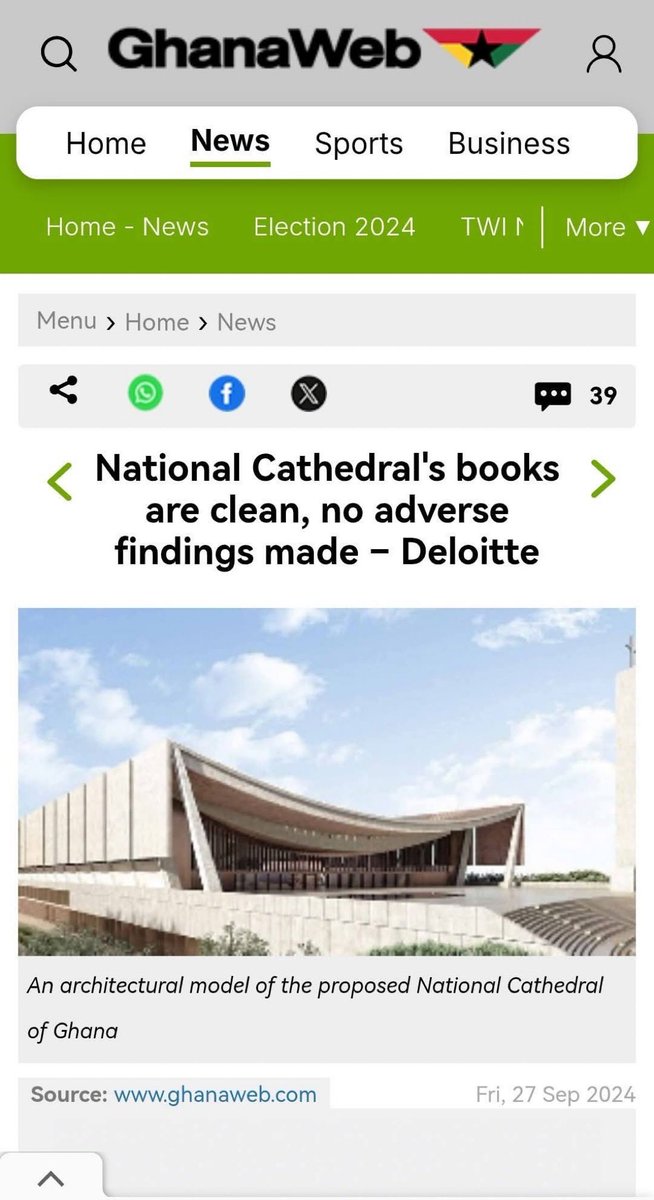
The Christian Council of Ghana is urging President John Mahama to renew government’s commitment to completing the National Cathedral — even amid the country’s tough economic climate.
#CitiNewsroom#CitiFM#GhanaNews
We are honored to introduce the distinguished jury for AIAPV’s 2025 Excellence in Design Awards! This year’s panel brings together an accomplished group of firm leaders, offering a diverse range of expertise and perspectives. To learn more, visit: https://t.co/i3nQySdmeP
🔴 Architecture : Les Bâtisseurs Stars du Continent
🔴 Vivier de talents, le continent est le berceau de plusieurs grands noms de l’architecture, cette discipline à la croisée de l’ingénierie et de l’art qui façonne nos villes et notre perception du monde. Passage en revue de quelques-uns de ces maîtres d’œuvre aux racines africaines.
🔴 📖 Lire l'Article → https://t.co/b0ywVCOuwO
#ForbesAfrique #Architecture #Architectes #Stars #Continent
I really appreciate the research Sir David Adjaye (@dadjaye) does on African cities and posts on social media, our continent is severely undocumented and unpublished and people like him are really important.
Lusaka, Zambia’s capital on the Central African Plateau, blends African settlement traditions, colonial legacy, and modern aspirations.Its skyline features modern commercial buildings and informal settlements. The city is Zambia’s vibrant cultural and economic centre.
Maseru, the capital of Lesotho, sits on the Caledon River along the Lesotho-South Africa border. Shaped by its history and environment, the city blends African traditions and European colonial influence. Today, the city’s centre is a mix of modern and colonial stone structures.
Nairobi, Kenya, located in the Nairobi River Basin, is a blend of African, Asian, and European influences in its urban evolution. Today, Nairobi’s colonial legacy and modern African identity serves as a hub of commerce and innovation and vital gateway between Africa and the world
Atiq Mosque, Awjila, Libya, is considered to be the oldest mosque in the Sahara. Its interior spaces are made of columns and arches which carry and support above them the 21 conical whitewash beehive domes made of mud bricks and limestone.
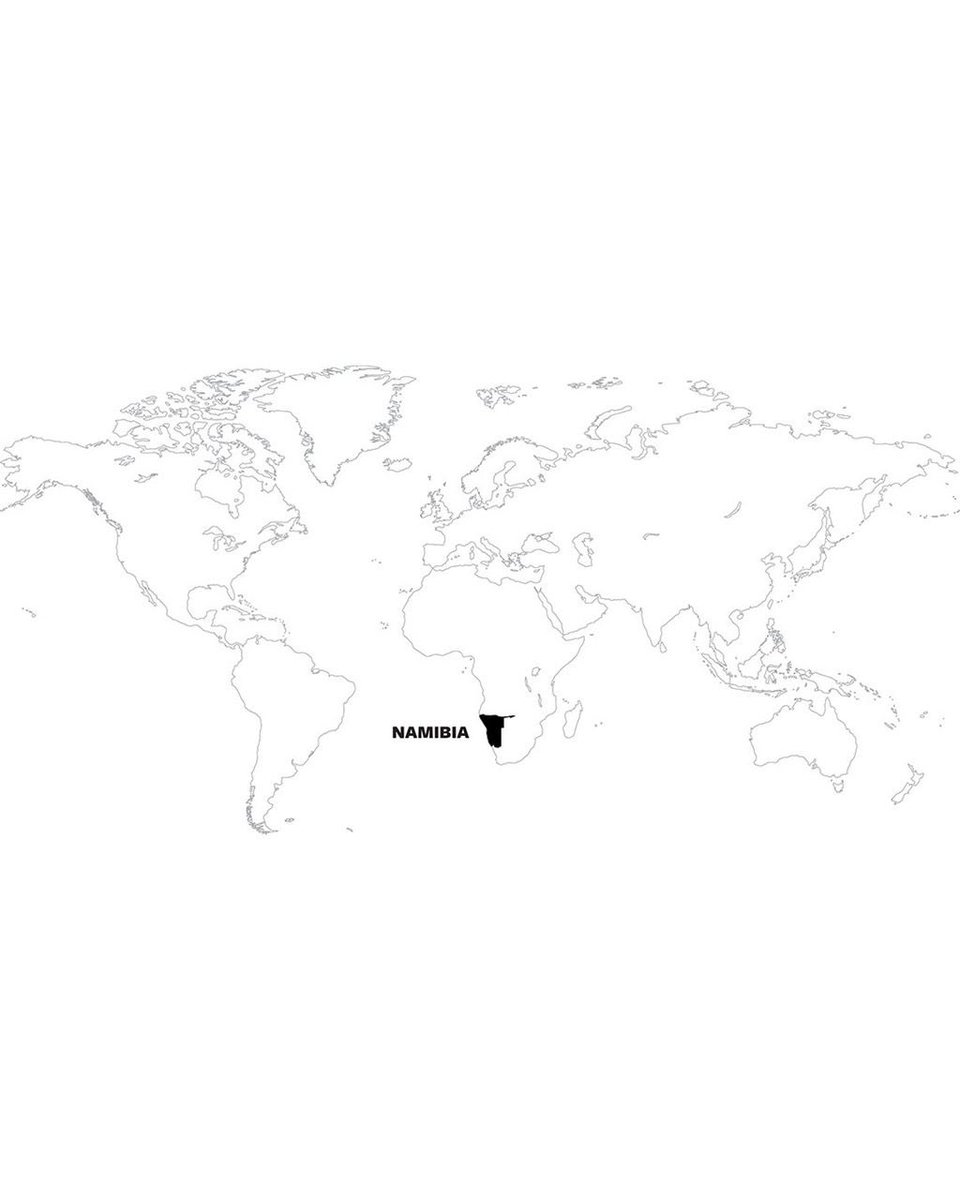
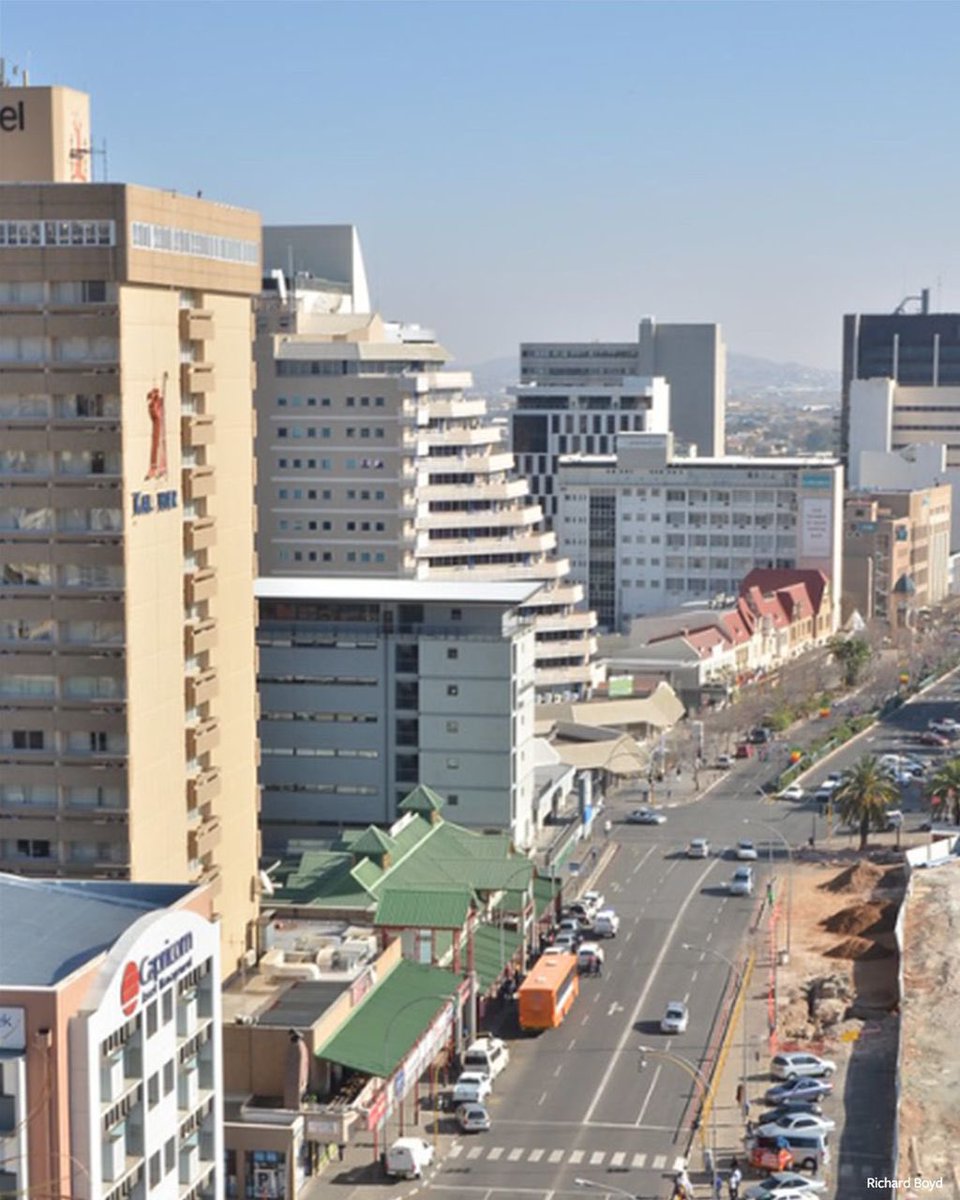
Windhoek, Namibia, a mountain city on the Khomas Highland plateau, embodies a blend of indigenous heritage, African influences, and colonial urbanism shaped by its geography. Today, Windhoek’s urban landscape reflects its colonial and apartheid and Modern African legacy.
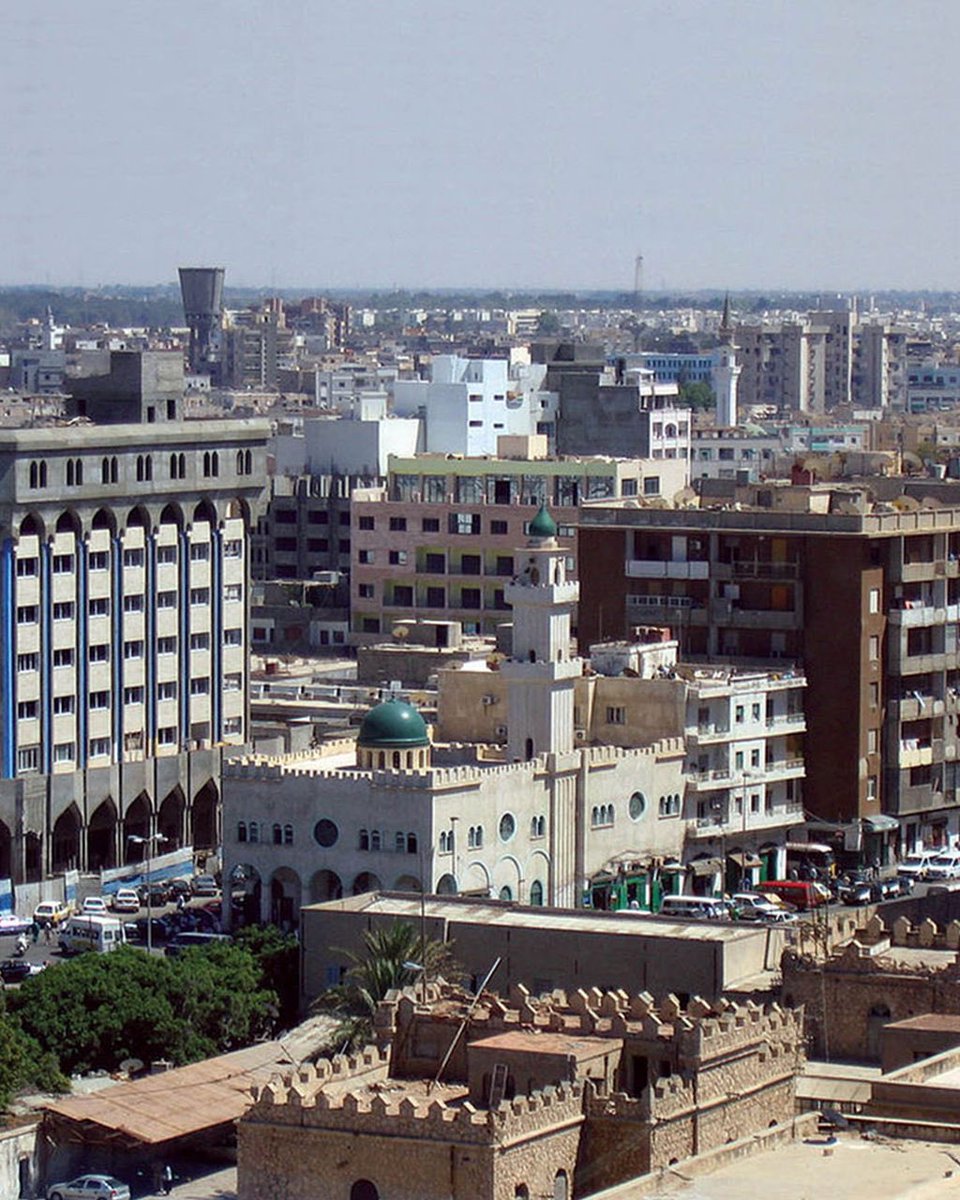
Tripoli, Libya, located along the Mediterranean coast, reflects a rich blend of African, Phoenician, Roman, Arab, Ottoman, and European influences. Today, the city reflects its layered history, from the old Medina’s traditional streets to colonial quarters and modern suburbs.
Tunis, Tunisia, located at the northernmost tip of Africa along the Mediterranean coast, has been shaped by diverse historical influences, including Berber, Phoenician, Roman, Arab, Ottoman, and European cultures.
N’Djamena, Chad, is located at the confluence of the Chari and Logone rivers. The city incorporates African,European and Islamic traditions. Today, N’Djamena reflects a blend of colonial, traditional, and modern architectural styles.
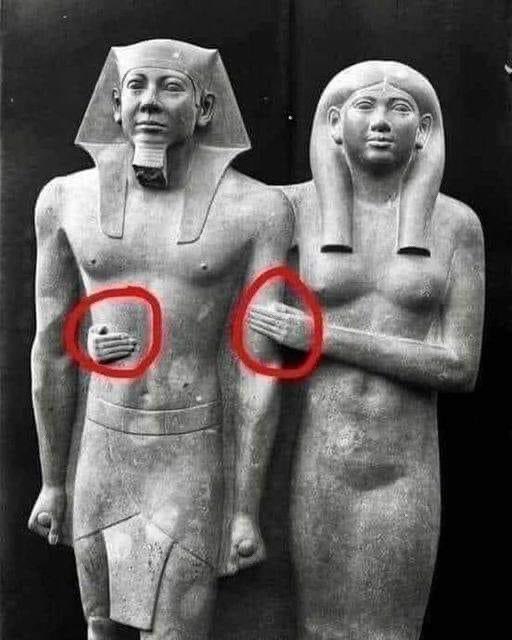
In ancient Egypt (Kemet) , women were honored and respected as equals to men, unlike in many other cultures. They were revered as the mothers of all, bringers of life and wisdom. The people of Kemet believed that attaining great knowledge, spirituality, and power allowed a man to symbolically wear a wig of long hair, representing a level of accomplishment equal to that of a woman.
This balance was seen as harmonious, with the woman offering strength and protection to her partner.
A saying that still holds relevance today is: "Beside every successful man, there's a strong woman supporting him." This highlights the enduring recognition of women's vital role in both ancient and modern societies.
Algiers, Algeria, occupies a strategic position along the Mediterranean’s northwestern edge, overlooking a vast bay. The city’s urbanism reflects its layered history of settlement, conquest, and adaptation, shaped by African, Phoenician, Roman, Ottoman, and European influences.