It may now be easier to understand how this war will end than when it will end. The end of the war, or at least of the Israeli and American strikes, depends above all on one man recognizing that none of the war objectives he has publicly floated is attainable, and that he now needs an exit, not a victory.
To understand how this crisis is likely to end, and it may well be a particularly dramatic and historic one, it is necessary, for a moment, to step back from the immediate noise and examine its effect on the principal actors.
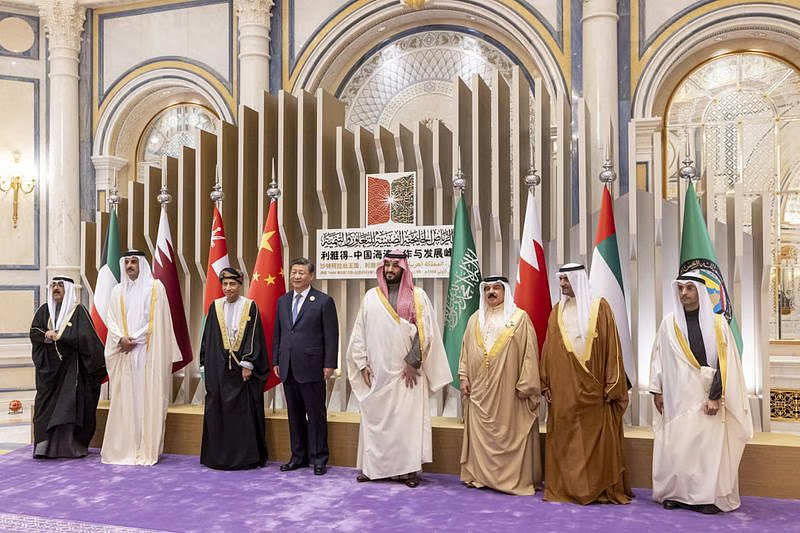
The Gulf states. It is difficult to find language adequate to describe what they are going through. Earthquake, tectonic shift: such expressions are too weak. Their worst nightmare, the very scenario they spent decades and trillions trying to avoid, is now their reality. It is not merely about the hundreds of millions of dollars the war is costing them each day.
For decades, Gulf rulers invested imaginery amounts in building an island of wealth, stability, and relative sanity amid the turbulence of a boiling Middle East. To that end, they hosted not only the World Cup and Formula 1, but also American military bases; they purchased American weapons on a massive scale and cultivated close personal and political ties with Washington.
At the moment of truth, they are discovering that the United States is not merely failing to protect them. It initiated the war they are now living through, ignoring their pleas. There is also a personal dimension of betrayal: billions directed to Jared Kushner linked funds, an aircraft worth hundreds of millions, promises of vast deals, all of it now appears to have been a very costly miscalculation. Not the sort of insult Gulf sheikhs are likely to forget.
The Gulf states will emerge from this crisis with one clear conclusion: even if, for the time being, they have no choice but to rely on the American security umbrella, they must diversify in every respect. When Gulf air defenses are forced to count the interceptors they have left while the United States is unable to provide more, that diversification will extend to military procurement as well.
The scenario that frightens them more than any other is an American retreat that leaves them facing chaos in Iran. Such a scenario could bury, perhaps permanently, the image they have constructed with such care: a haven for global wealth, a major business center, a transportation and tourism hub, in short, everything they built through decades of patient work and immense investment.
The Iranian regime more precisely, the IRGC. Their objective is survival, both on the final day of the war and, no less importantly, on the day after. That is no simple challenge, given that Iran is a shattered state with much of its infrastructure in ruins. Equally important, the regime needs confidence that, a few months later, aircrafts will not return to destroy what has just been rebuilt.
There is only one country in the world capable of undertaking such a reconstruction effort within a reasonable timeframe: China.
China is affected by the crisis as well, but it has oil reserves, strategic patience, and the economic capacity to absorb the shock. At the same time, it has a clear interest in bringing this crisis to an end. And if, in the process, it secures a deep strategic foothold in the Middle East, that would represent a double gain from Beijing’s perspective.
The financing for such a massive reconstruction project would come through long-term Iranian oil shipments to China, likely at attractive prices, alongside Gulf participation. The Gulf states would be willing to pay almost any price to end the crisis, and certainly to avoid a scenario of Iranian chaos. Some of that financing may even come at the expense of deals once promised to the United States.
Iran, too, would have to pay its share. China favors stability and opposes nuclear proliferation, and that would be one of its conditions. But the regime would survive, perhaps with a few cosmetic reforms and reduced corruption. The economic crisis and the vast infrastructural breakdown would be addressed by Chinese engineers at a pace only China can offer.
There may be no formal guarantee to the regime against future attacks. But when China has invested billions and has effectively become the owner of the country’s oil infrastructure, water systems, roads, and industrial base, such a guarantee is not truly necessary.
And Trump? It is possible that he already understands the options available to him and where the key lies. In recent days he has referred repeatedly to China and has even called for its participation in efforts to guarantee the reopening of the straits.
A meeting between Xi and Trump had been expected, but has now been postponed by Trump. This may reflect a deeper uncertainty: whether the way out lies in coordination with China, or in withdrawal, leaving behind a vacuum that China would inevitably fill.
From Beijing’s perspective, time may be working in its favor. There is little urgency to intervene before the strategic terms become even more advantageous. In moments like this, the old maxim about not interrupting an adversary in the midst of a mistake is hard to ignore.
In this scenario, decades of diplomatic effort that succeeded in keeping China and Russia out of the Middle East would be undone; Kissinger would be turning in his grave. Yet this scenario is fully consistent with the logic of America First. No less importantly, unlike in Kissinger’s day, the United States no longer merely meets its own energy needs; it is also an oil exporter.
The strength of this scenario lies in the fact that, in the short and medium term, it offers every principal actor an outcome it can live with. The regime remains in power. Trump declares that he has achieved his objective and that Iran is not, and will not become, nuclear; Netanyahu says the same. The Gulf states regain quiet, acquire a responsible external anchor for an unruly neighbor, and reduce the near-total dependence on the United States that defined the pre-war order.
China, for its part, receives a prize it may not itself have expected: an anchor in the Gulf, guaranteed oil flows for years at attractive prices, and a market of ninety million people. More than that, China assumes the role of the stabilizing power in the international system, a role that until recently, belonged to the United States.
@he8fgEe71QYzSXm הקונספציות לא עזרו, לא החמאס זה נכס ולא אפשר לקנות את החמאס בכסף קטארי, אבל בסופו של יום זה חוק שימור החומר, אלא אם אתה חושב שארבעה גדודים בלי קונספציה זה מספיק לשמור על כל גבול הצפון כנגד חיזבאללה.
@ZuckermanRoy@shushkidude Judging by the rush of major companies to raise money while they can, you are probably not the only one to think the party is about to be over.
@Sharpest_pencil אני חושב שאין אפשרות לגייס יותר מילואים אם רוצים לשמור על המשק החברה והכלכלה הישראלית שהם מרכיב בביטחון הלאומי לא פחות מהצבא. אגב לא רואה את הישועה גם מכיוון החרדים אפילו בסצנריו דמיוני שהם יגויסו ללחימה.
@ronigoldshmidt אפילו אחרי שלוש שנים של השקעה אינטנסיבית ב-LLM לפי הבנצ'מרקים אפילו הטובים ביניהם רחוקים מה-99% פלוס שדרוש לעולם הפיזי. בעיני זה תפוחים ותפוזים הפיזי והטקסטואלי בכלל לא דומים
@ronigoldshmidt@urieli17 האמת לא מבין את חשיבות הדאטה בעולם הפיזי. לא מומחה אבל להבנתי הדאטה שצריך לעולם הפיזי הוא על מנת ללמוד חוקים בשונה מטקסט ששם ה-LLM בעצם מכינים מראש רצפים של טקסטים על בסיס שכיחות ולא חוקים.
@tsoofbaror לדעתי אפל עומדת להיות המרוויחה הגדולה של ה-AI ולא רק בגלל שלא נשחקה בהוצאות עתק על בניית מודלים אלא משום שהלב של ה-AI יעבור ל-EDGE ואפל ממוקמת מעולה, עם שבבים ייעודיים להרצה מקומית של מודלים ועם הגנה על פרטיות.