THIS GUY TURNED HIS OBSIDIAN INTO A JARVIS THAT TAKES A 3AM IDEA AND SHIPS IT AS A FINISHED PROJECT WHILE HE SLEEPS
The problem he solved: way more ideas than time to build them. So he wired Obsidian into a pipeline that takes a raw idea and carries it all the way to a finished project, with him stepping in only once
How it flows:
A 3am idea gets dumped into a single note. No structure, just the rambling
An automation reads that note and decides what it is. A project? A grocery item? A random thought? A TikTok to make? It sorts on its own
If it's a project, it moves to processing. The system researches it, watches the relevant YouTube videos, checks what tools already exist, and turns the mess into a proposed plan
Here's the only human step. He opens a Claude Code session and reviews the plan. Likes this, cuts that, approves it. That's the entire time he touches it
On approval the plan becomes a full requirements doc. Then one command, promote project, ships it to his machine and execution starts
A project manager agent spins up, reads the requirements, and creates the sub-agents that specific project needs. A website gets a developer agent. Research gets a research agent. They build it
Idea to execution, and he's in the loop for about two minutes
The trick isn't capturing ideas. Everyone has notes full of those. It's the layer that decides, plans, and executes without waiting on you
Bookmark this
1/
Healthcare is no longer confined to hospitals and clinics.
Telemedicine platforms now allow doctors and patients to connect through video calls, online consultations, and digital health services.
Medical care is increasingly happening through screens.
Here’s what’s changing 👇
🚨 BREAKING: A new role is quietly emerging and it’s about to dominate the next 5 years.
It’s not “AI engineer.”
It’s not “prompt engineer.”
It’s the Agent Operator.
And it will sit inside almost every organization.
Most people are still thinking about AI as a tool.
That framing is already outdated.
What’s actually happening is a shift from:
humans using software to humans managing autonomous agents that execute work
This is a fundamental redesign of how work gets done.
So what is an Agent Operator?
An Agent Operator is the person who:
• Designs how agents interact with real workflows
• Connects tools, data, and systems into agent pipelines
• Translates business problems into executable agent behavior
• Monitors, corrects, and improves agent performance over time
They don’t just “use AI.”
They orchestrate outcomes.
and this matter because
Every function marketing, legal, finance, biotech is becoming “agent-compatible.”
Not because companies want it.
Because they won’t have a choice.
Agents can:
• Run research loops
• Execute multi-step workflows
• Integrate across tools without APIs breaking the flow
• Operate 24/7 at near-zero marginal cost
The bottleneck is no longer capability.
It’s implementation inside real-world systems.
Required skills for AI Agent Operator role:
→ MCPs (Model Context Protocols)
Understanding how agents access tools, memory, and structured context.
→ CLIs (Command Line Interfaces)
Because serious agent workflows won’t live in GUIs—they’ll run in programmable environments.
→ Writing skills (the file kind)
Clear specs, instructions, and structured documents.
Agents run on precision, not vibes.
→ agents dot md fluency
The ability to define agent roles, constraints, memory, and tool usage in persistent formats.
→ Business acumen
Knowing what actually matters:
Where automation creates leverage, not noise.
What happens next
Enterprises will begin to redesign workflows:
Not around employees using dashboards…
But around agents executing tasks.
That means:
• SOPs → Agent playbooks
• Teams → Human + agent hybrids
• Tools → Composable agent systems
When that shift happens, companies won’t just need engineers.
They’ll need operators who understand both the system and the business.
The leverage is asymmetric
One strong Agent Operator can:
• Replace fragmented SaaS workflows
• Multiply team output without adding headcount
• Turn ideas into execution systems in days
This is not incremental productivity.
It’s operational transformation.
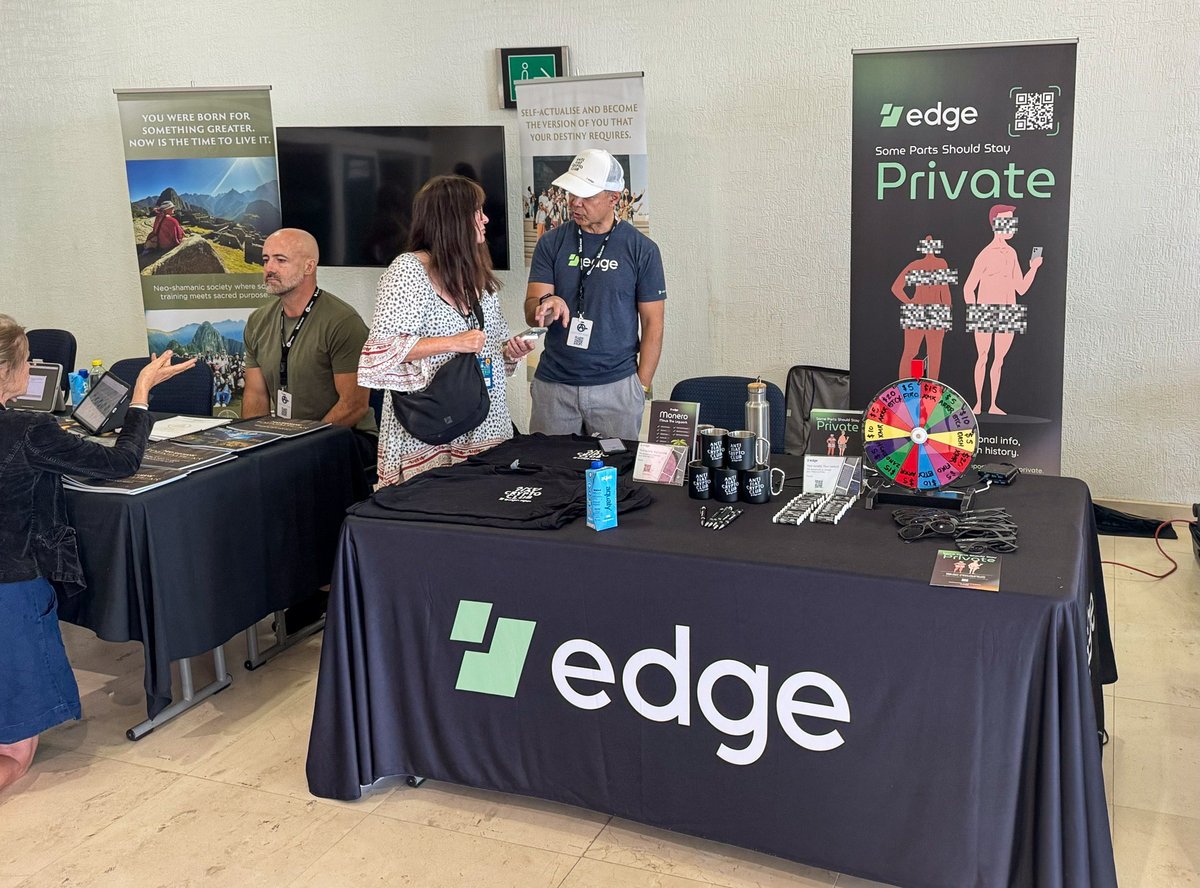
Another great meetup happening next week at @EdgeWallet HQ. We have the great @AaluxxMyth from @Maya_Protocol joining us to give us insights on the state of decentralized exchanges. Thanks again to @BitRefill and @zano_project for sponsoring.
https://t.co/1kHphfTF9V
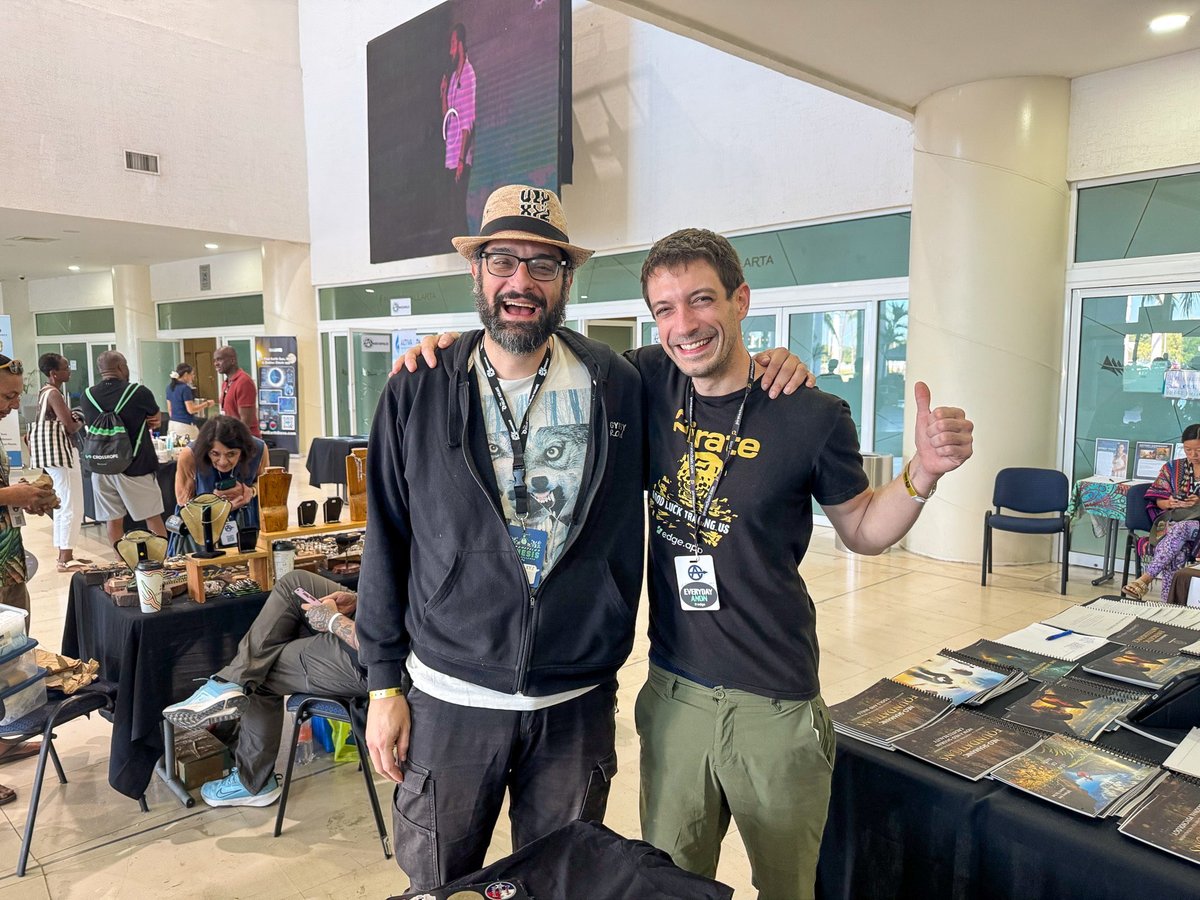
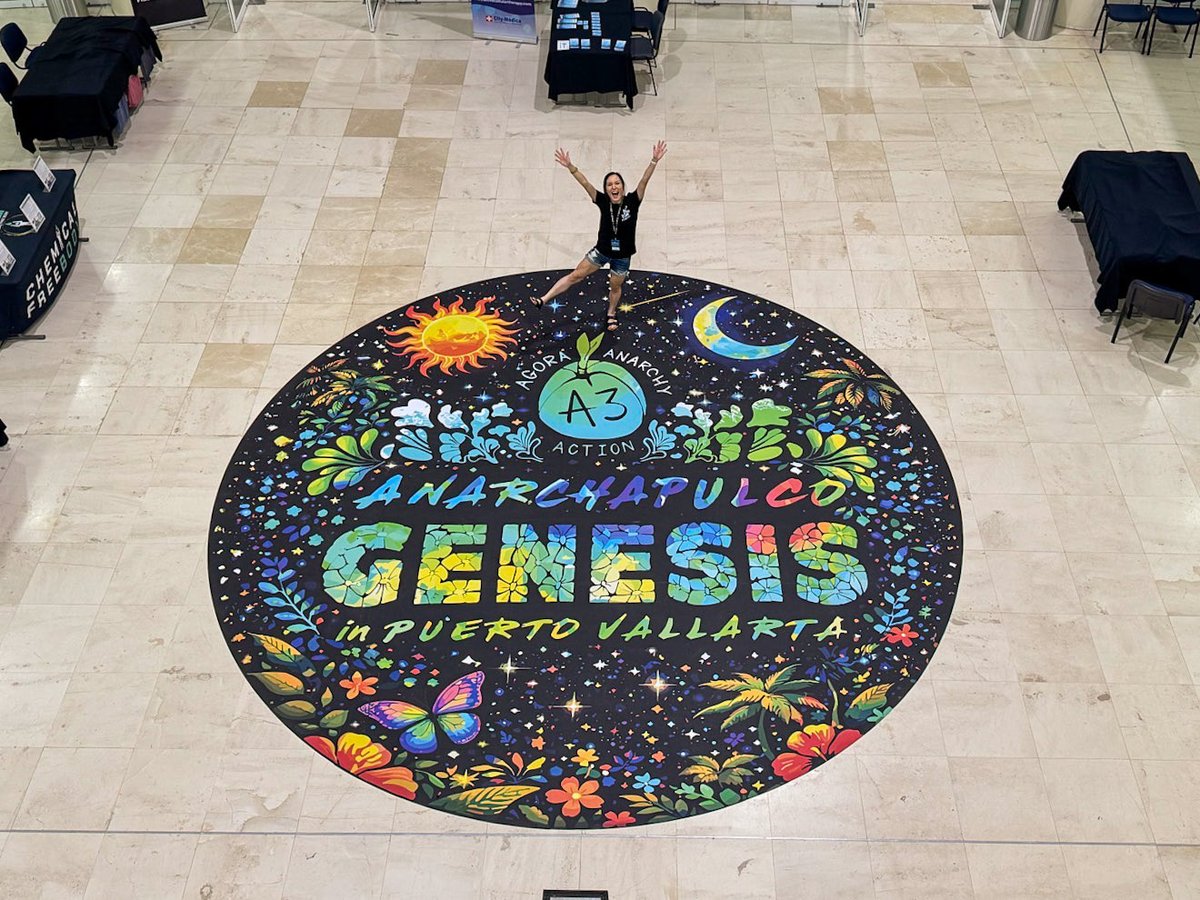
At @Anarchapulco freedom isn’t just discussed, it’s practiced 🙌
The conversations here go far beyond crypto — they’re about sovereignty, self-reliance, and building parallel systems.
We’ve loved connecting with so many freedom-minded people over the last few days!
Only 2 days left 🥲 If you’re here, swing by the Edge booth and say hi!
venice ai processing 1.5m daily chats through warden protocol. nearly 1 trillion tokens handled. monthly buybacks funded by actual revenue started december. vvv holders mint diem credits that trade at $300 for $1 of api access. $134m cap for the only ai project with real inference volume and deflationary mechanics
@RichardHeartWin No rules, but I’m pretty sure idea is any vice or overindulgence is a form of escapism and running from the deep introspection needed to know who the “I am” really is.(one & equal within/as all/God). Religion puts a twist on it.
Rituals > Resolutions
Resolutions chase outcomes.
Rituals attend to process.
A goal in separation can't compete with directly moving the needle.
Be here.
Be clear.
Embrace every moment,
regardless of year 🥳🙌
Someone just shilled me this meme coin:
- 35 trillion supply
- No supply cap
- 1 node
- 25% of supply minted in the last 6 months
- 1% of holders own 30%
- Backed by the U.S. government
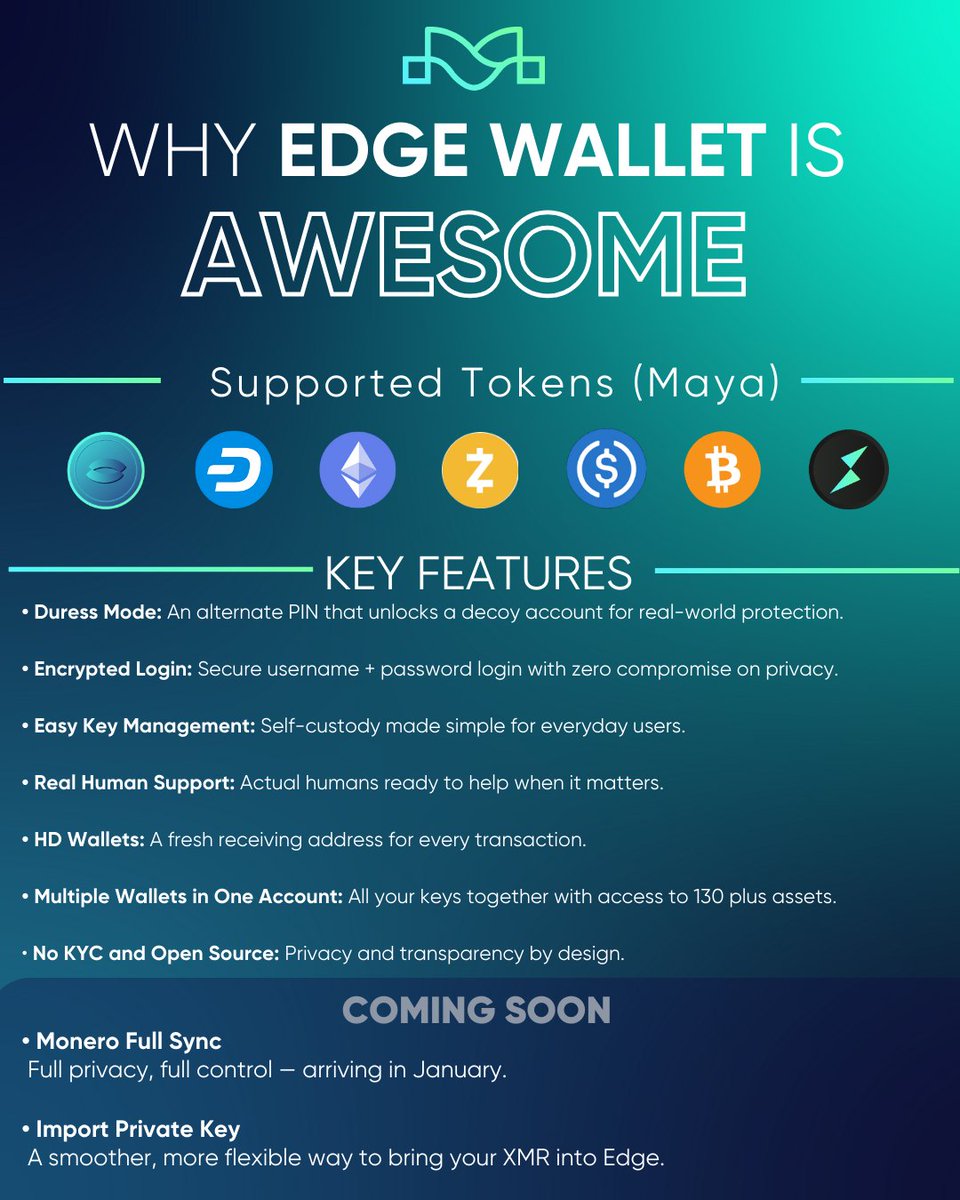
If you're into wallets that actually do things right… @EdgeWallet is worth watching.
Strong security, real privacy tools, smooth self custody, and more upgrades on the way.
Worth keeping an eye on. 👀✨