story teller, ex head of content, ex distribution engineer, ex head of growth, ex founder, ex head of product. ex consultant
i work w start ups & make content
steve jobs couldnt code and the engineers at apple didnt even understand what he did. rorys point here is that we think we've bought a great product, when really we only thought it was great because of HOW it was sold. in korea that selling gets done by a handful of creators who actually understand what youve built, a hundred "huge launch coming" posts is simply not enough.
my nicotine intake tiers:
S tier: cigarillo
A tier: cigars / pipes
B tier: Chinese cigarettes/flavoured cigs/ high quality cigs
C tier: cheap gas station cigs / nicotine gum
D tier: snus / nicotine pouches
E tier: lip dip / nicotine patches
F tier: vaping (sucking plastic)
"SITTING, SCROLLING, THINKING, WAITING"
LISTEN TO THE HIGH ENERGY MANIFESTO PODCAST EPISODE
FROM THE SERMON SERIES
RECORDED W @VibesPatrol BREAKING DOWN THE MANIFESTOS LINE BY LINE
HIGH ENERGY IS THE WAY TO GET MORE, MORE OF EVERYTHING!
Only 1% of humanity is on social media everyday.
And out of that 1%
Only 1% are serious content creators
If you want to start posting. Go ahead. There is no competition. Most people burn out and wash out and don’t last. Social media is only going to 1000x from here. Ez.
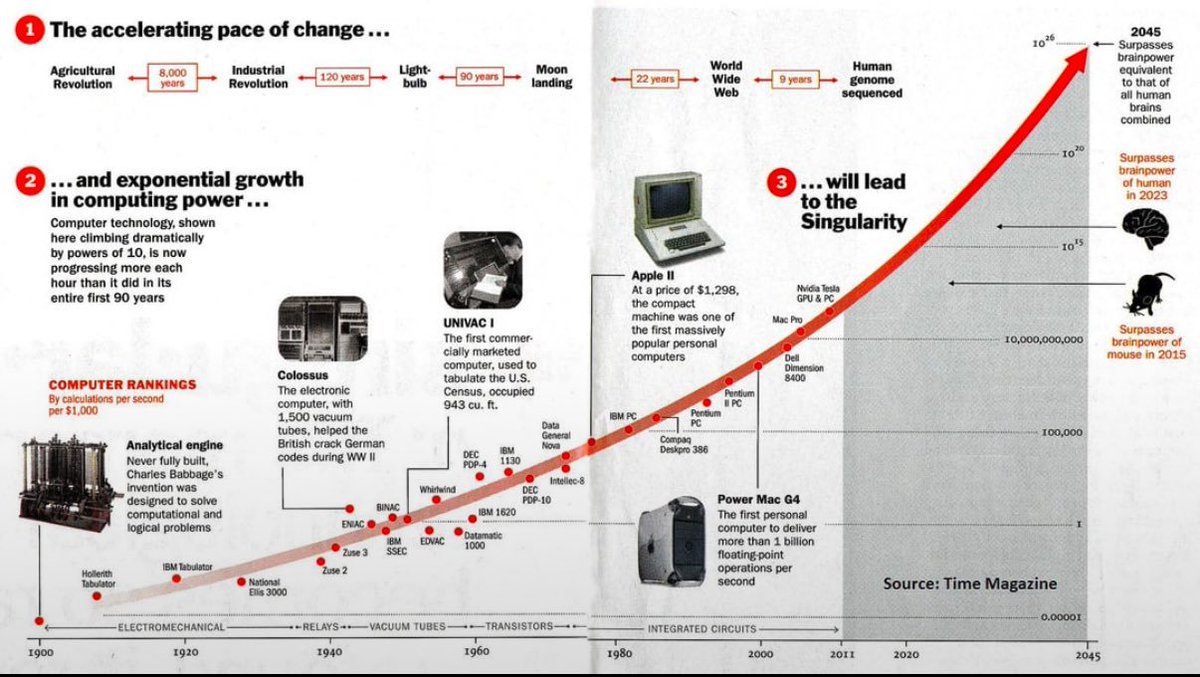
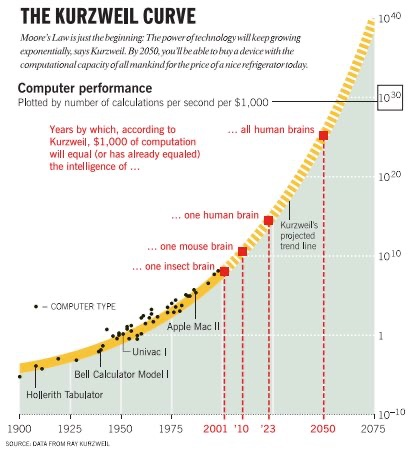
Everyone is saying Ray Kurzeil was the most right about AI, 30 years ago, down to the year-
"the most accurate futurist" - @pmarca
So i compiled a list of every single prediction he got right... there is a lot.
>Soviet Union collapses as fax machines and cell phones end state control of information
>a computer beats the world chess champion, then ordinary PCs beat everyone
>a worldwide computer network explodes in users and content, linking every library and database
>smart weapons dominate warfare
>my company builds a voice-activated typewriter
>wireless becomes the normal way to get online, high-speed and everywhere
>phones translate what you say into another language and speak it back
>speech-to-text machines let deaf people read what's being said
>robotic exoskeletons let paraplegics walk
>smart answering machines screen calls and rank them by priority
>lifetime patient records sit in national data banks
>courseware adapts to each student and distance learning is normal
>students interact with virtual versions of what they study
>products are routinely tailored to the individual
>drugs are designed and tested in simulations of the human body
>blind people read and get around using machines that see for them
>supercomputers simulate protein folding
>a $1,000 computer does a trillion calculations per second
>people mostly use portables, desktops are just for storage
>most portable computers have no keyboard and no moving parts
>computers are built into watches, clothing and jewelry
>worn computers track your health, prove your identity, give directions and flag disease
>cables are disappearing, peripherals talk wirelessly
>you talk to your computer and an assistant answers questions, books things and tells jokes
>books, music, movies, games and software arrive as downloads with no physical object
>most reading is done on thin high-res screens, though paper is still around
>every student has a thin tablet
>glasses with displays do AR, recognize what you look at, subtitle speech
>3D chips take over before flat chips run out
>supercomputers reach the raw power of a human brain
>ordinary computers network into giant shared supercomputers
>neural nets go from research interest to wide use
>scientists start reverse engineering the brain with scans
>autonomous nano-engineered machines are demonstrated
>digital documents routinely carry moving images and sound
>synthetic voices sound fully human
>phone calls are mostly wireless, and cell phones do video calls
>high-res audio-visual cybersex is common
>more and more people work from home or on the road
>the typical home has 100+ computers, mostly hidden in appliances
>households have robots that clean
>human musicians jam with digital musicians
>most visual art is made with intelligent art software
>VR goes mass market, then full immersion
>militaries rely on armed drones
>bioengineered treatments cut deaths from cancer and heart disease
>telemedicine is common, with remote monitoring and video visits
>software routinely helps diagnose disease by reading scans
>doctors train in VR on simulated patients
>privacy is a top political issue and people hide behind strong encryption
>a US company is worth more than $1 trillion
>PCs answer questions by pulling information wirelessly off the internet
>phones commonly do speech-to-text
>high-quality broadband almost everywhere
>solar gets cheaper per watt than coal and oil
>the biotech revolution arrives
>ultrasonic beams aim sound at a single person
>most people own several computers, none of which look like computers
>spinning hard drives disappear from phones and laptops
>pinhead-sized cameras are everywhere
>you talk and gesture to computers instead of typing
>students learn and socialize together, often remotely
>cochlear implants are widespread and some people carry implanted computers
>body suits and gloves add touch to VR, and virtual sex becomes real
>the world economy keeps growing, no global collapse
>prototype personal flying vehicles exist, mostly computer-flown
>people form deep relationships with AI personalities
>people argue AIs are conscious and deserve rights
>most decisions involve consulting a machine
>public places and workplaces are monitored and recorded everywhere
>the basic needs of the underclass are met
>virtual artists with their own reputations emerge
>most flying weapons are small robots, some insect-sized
>chips shrink to 4 nm features
>we reprogram our biology the way we program computers
>Microsoft and Google stay successful companies
>working software models of human intelligence
>some military drones and ground vehicles are 100% computer-controlled
>biotech lets terrorists build new pathogens
>machines run at human level
>personal flying machines fly themselves
>AI avatars of dead loved ones built from their data
>computers tell jokes, flirt and are romantic
>computers have read nearly everything public
>machines pass the Turing test, people still argue they're not truly intelligent
>machine intelligence pairs human pattern recognition with machine speed and memory
>machines convincingly show emotion and claim to be conscious
>computers beat humans at investment decisions
>the brain is a stack of pattern recognizers, so we can build one
>0.03% of the sunlight hitting Earth would cover all our energy needs
it feels crazy to have outgrown videogames. used to love playing them, and now have totally lost interest. i see gta 6 and could not give a shit, just total apathy. hope you guys have fun tho. i just cant suspend belief for that kind of stuff anymore.