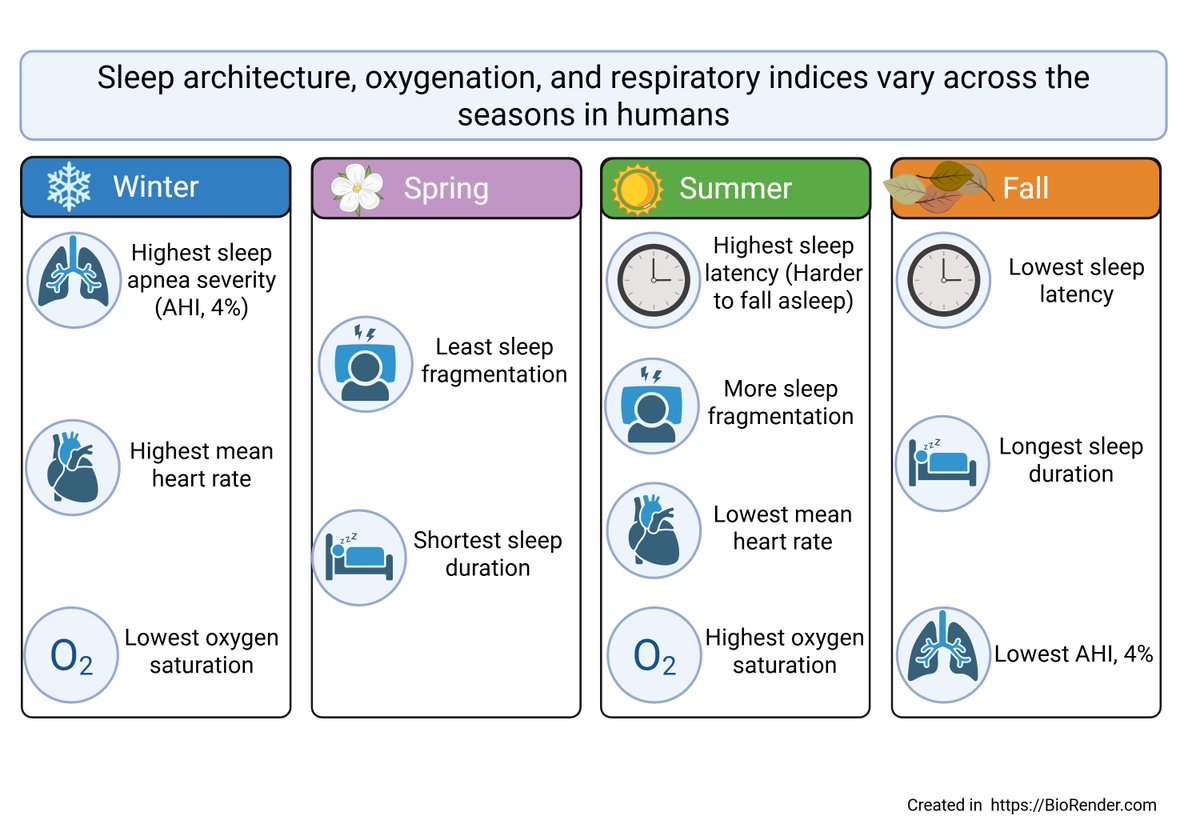
A study published last month in #JBR shows that humans exhibit seasonal changes in sleep, oxygen levels, and respiratory indices. Environmental rhythms and human biology are tightly linked!
https://t.co/9do84PZRv2
@CurrentBiology This is also the first experimental evidence that annual change in daylength can be sufficient as a selective force for the evolution of self-sustained clocks over damped clocks.
Our new paper is out in @CurrentBiology where we address the question of why self-sustenance, a defining feature of circadian clocks might have been selected, when environments on Earth are rarely constant! https://t.co/I3ifYfwsYE #circadian#cyanobacteria#evolution
@CurrentBiology We competed self-sustained, damped, and arrhythmic cyanobacteria strains under different photoperiods. The result? While damped clocks can hold their own in winter-like short days, they get out-competed by self-sustained clocks in equinox and summer conditions.
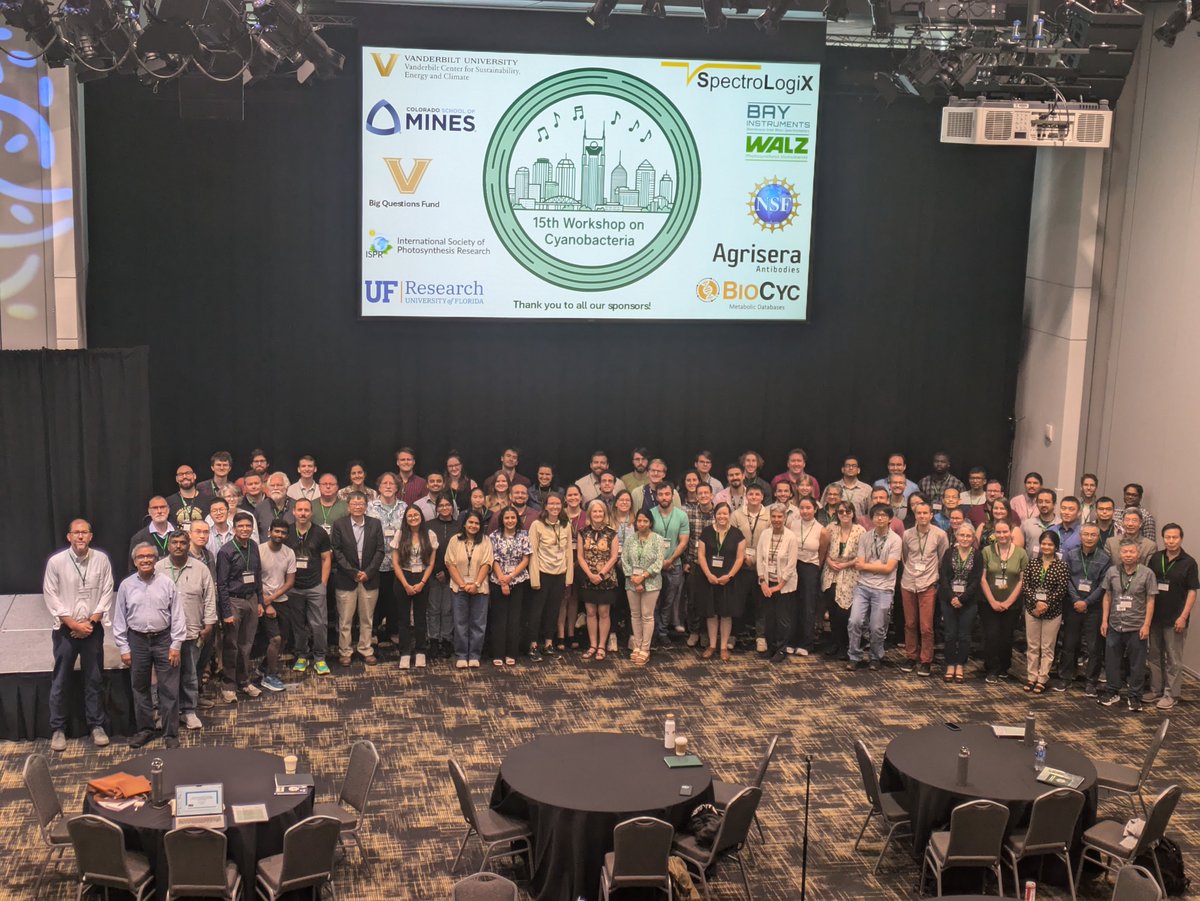
It was an honor and a thrill to host the 15th Cyanobacteria Workshop last week at @VanderbiltU. The workshop was a huge success, with 95 attendees from 21 US states and 8 other countries discussing the planet's most ancient microorganisms. Thanks to the sponsors and presenters!
Honored to present my research and serve on the organizing committee for my first Cyanobacteria Workshop & grateful to all participants, sponsors, and @VanderbiltU for an exceptional meeting!
It was an honor and a thrill to host the 15th Cyanobacteria Workshop last week at @VanderbiltU. The workshop was a huge success, with 95 attendees from 21 US states and 8 other countries discussing the planet's most ancient microorganisms. Thanks to the sponsors and presenters!
The vast majority over discoveries are low hanging fruit when they are made. The key to scientific progress is progressively making more fruit low-hanging. One of the deep problems we have in science is that we reward the people who pick the fruit rather than the ones who lower the branches.
Five people have seen a color never before visible to the naked human eye, thanks to a new retinal stimulation technique called Oz. https://t.co/5bY7Uzjyn2
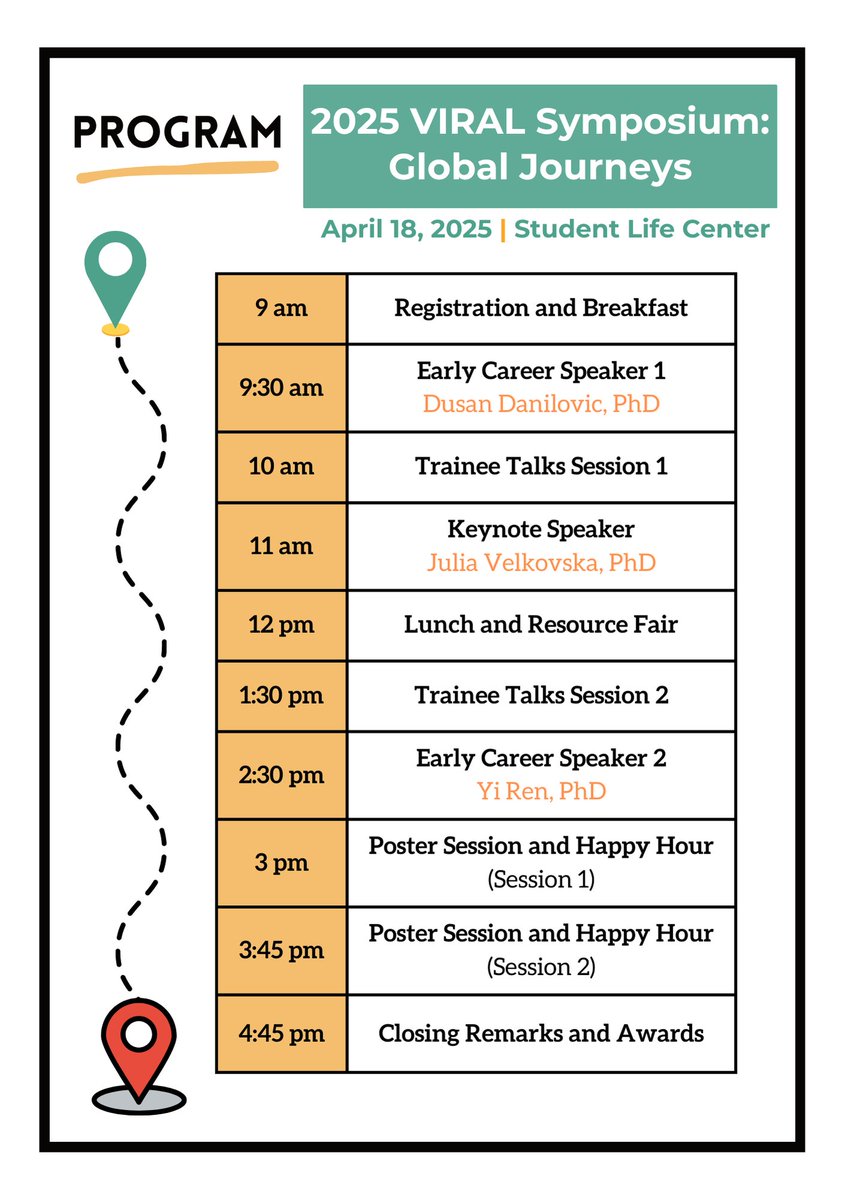
Please Join us for our dynamic symposium packed with distinguished early career speakers, exciting trainee talks, poster sessions, a resource fair, and lunch on us! Don't miss the chance to connect, learn, and get inspired. You can still register in person. #Symposium#Research
Abstracts are invited in: 1) Advances in Light Harvesting and Structural Biology 2) Computational and Systems Biology 3) Ecology, Evolution, and Natural Products 4) Physiology, Metabolism, and Regulatory Networks 5) Synthetic Biology and Biotechnology Applications
Just three days left for the deadline for oral abstract submissions (and 2 weeks for poster abstracts) for the 15th Workshop on Cyanobacteria at @VanderbiltU - Nashville, TN, USA.
Workshop dates: 4-7th June 2025. More information: https://t.co/Ww0PlFGZQA. Don't miss out!
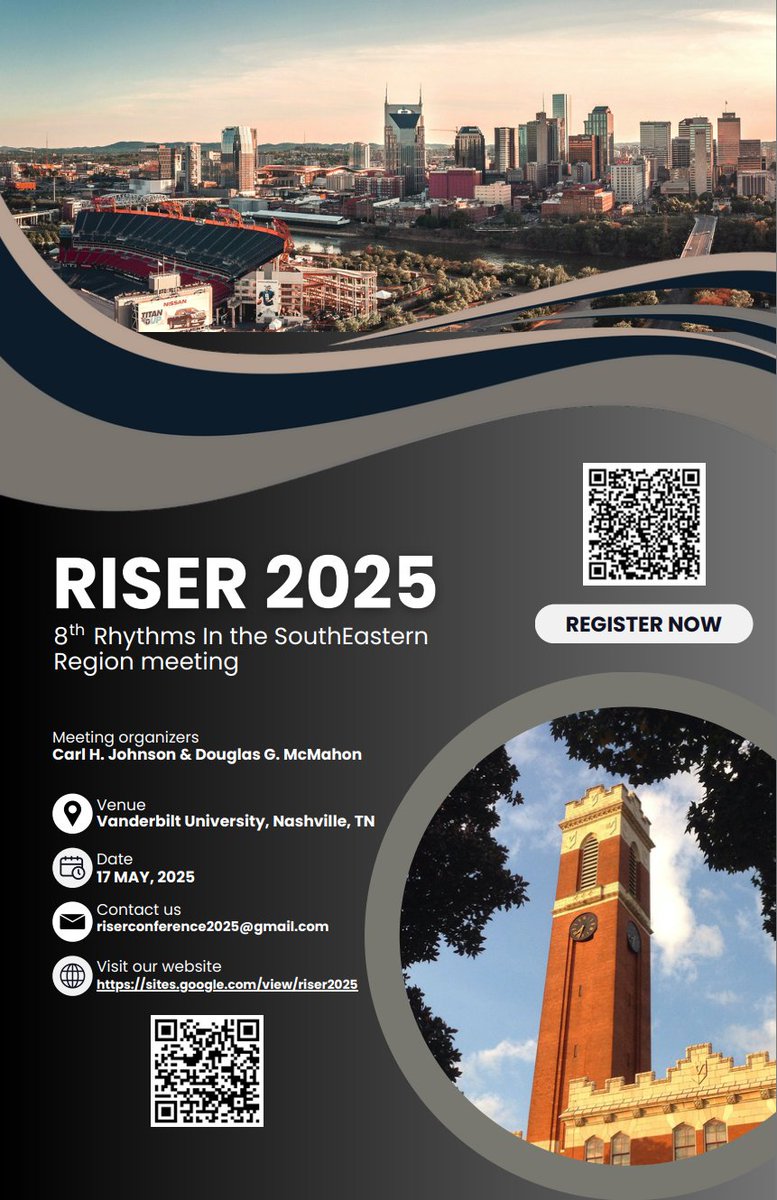
If you work on #circadian rhythms and are located in or around South-East USA, this meeting is for you: The 8th Rhythms in the SouthEastern Region (RISER) meeting is happening at Vanderbilt University, Nashville (TN) on May 17, 2025. Abstracts due in 25 days! Register soon!
For #circadian trainees: The 8th Rhythms in the SouthEastern Region (RISER) meeting will be happening at Vanderbilt University, Nashville (TN) on May 17, 2025. Abstracts due: March 14, 2025!
More info: https://t.co/oQ0go6DO0u
Register here: https://t.co/mgMgVCDDVf
We are thrilled to invite you to the 2025 Annual VIRAL #Research#Symposium. Details are below. Registration is open now. https://t.co/kjIfkDOOsV Abstract submission deadline: Oral Presentation (March 10), Poster Presentation (March 28). A generous travel award for all winners.
🪰 We're thrilled to kick off the year ✨with a new preprint from our lab: 'DANCE – An Open-Source Analysis Pipeline and Low-Cost Hardware to Quantify Aggression and Courtship in Drosophila.' Let’s dive in! 🧵
#DANCE#innovation#ScienceTwitter#AIML#ML https://t.co/dwqIHrlWas