Structural biologist and protein biochemist. Interested in bacterial pathogenesis and host-microbiome interactions. Junior Group Leader at @LeibnizFMP.
We are very grateful for this exciting opportunity provided by Leibniz Cooperative Excellence. Looking forward to new collaborations through this framework. Within this funding opportunity, we have one job opening for a PhD student or Postdoc: https://t.co/u0mN2zAUuB
Sebastian Tacke has been honored with the Paper of the Year Award by the Journal of Structural Biology @ElsevierConnect for his innovative technical developments in the field of #cryoET#cryoEM Congratulations! #teamtomo
Ich möchte nur kurz daran erinnern, dass dieser Zug in meiner Kindheit aus politischen Gründen unmöglich gewesen wäre, und ich finde, wir sollten - allen Problemen und Meinungsverschiedenheiten und Streitereien zum Trotz - dankbar sein, dass er heute eine Selbstverständlichkeit ist.
🚬 An die Raucher:innen, die kommentieren, dass ich mich ja woanders hin bewegen soll, wenn ihr an der Haltestelle qualmt: Ihr habt da was nicht verstanden. (THREAD)
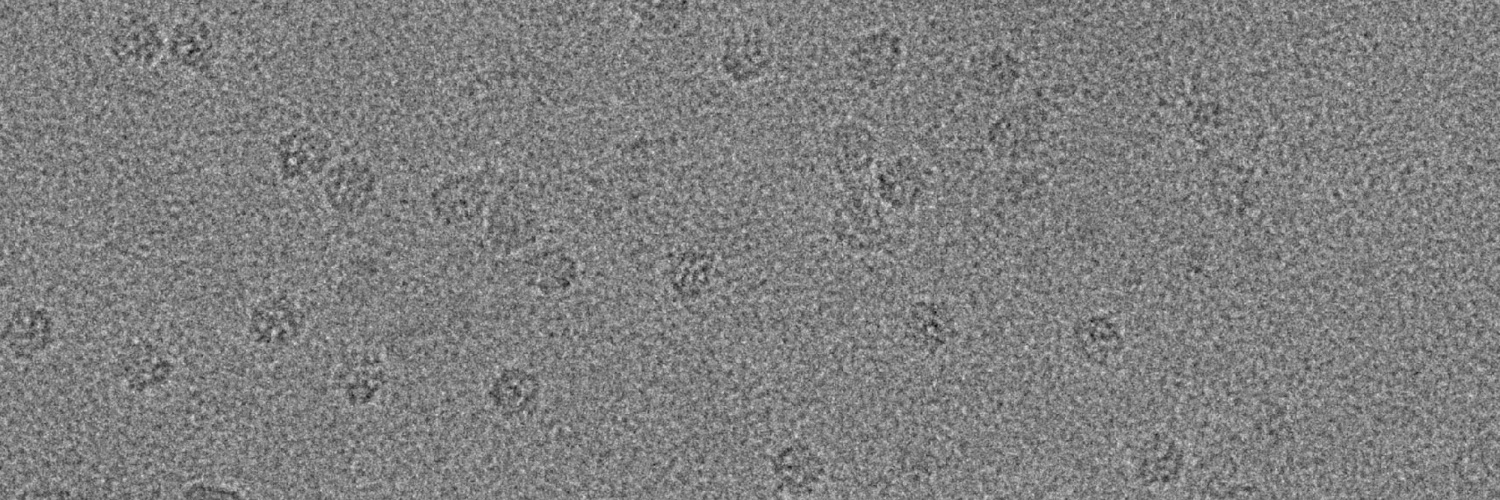
We have a new paper for you: “Structure of tetrameric forms of the serotonin-gated 5-HT3A receptor ion channel”.
Here we found that the prototypical pentameric ligand gated ion channel can form stable tetramers and characterized it with cryo-EM/ET and molecular simulations.
Are you interested in the structural background of the host-microbiome interaction and searching for a PhD position in an exciting scientific community? Then look no further and apply at the @LeibnizFMP! Please find details here: https://t.co/IGp2tmBjfn
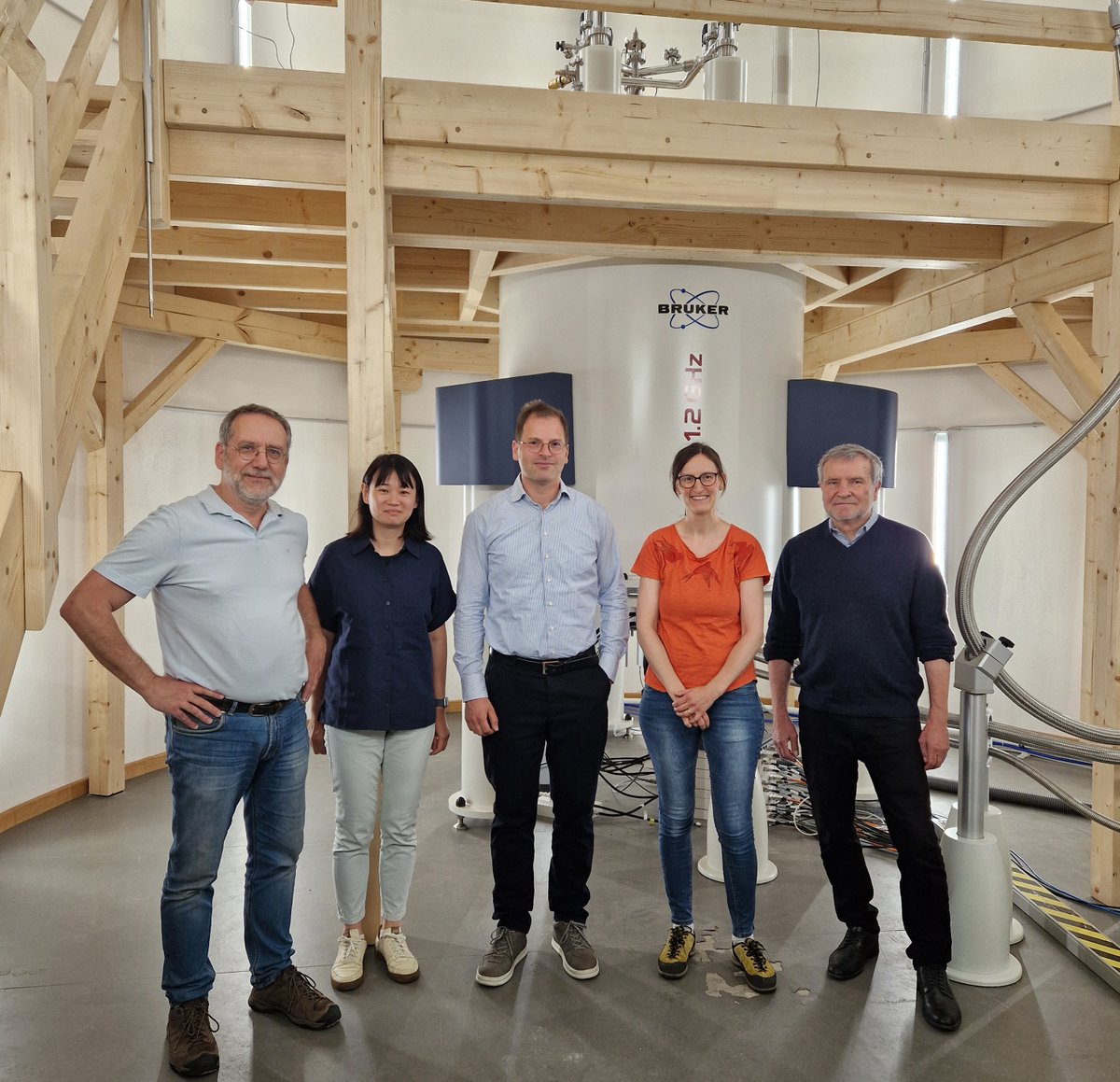
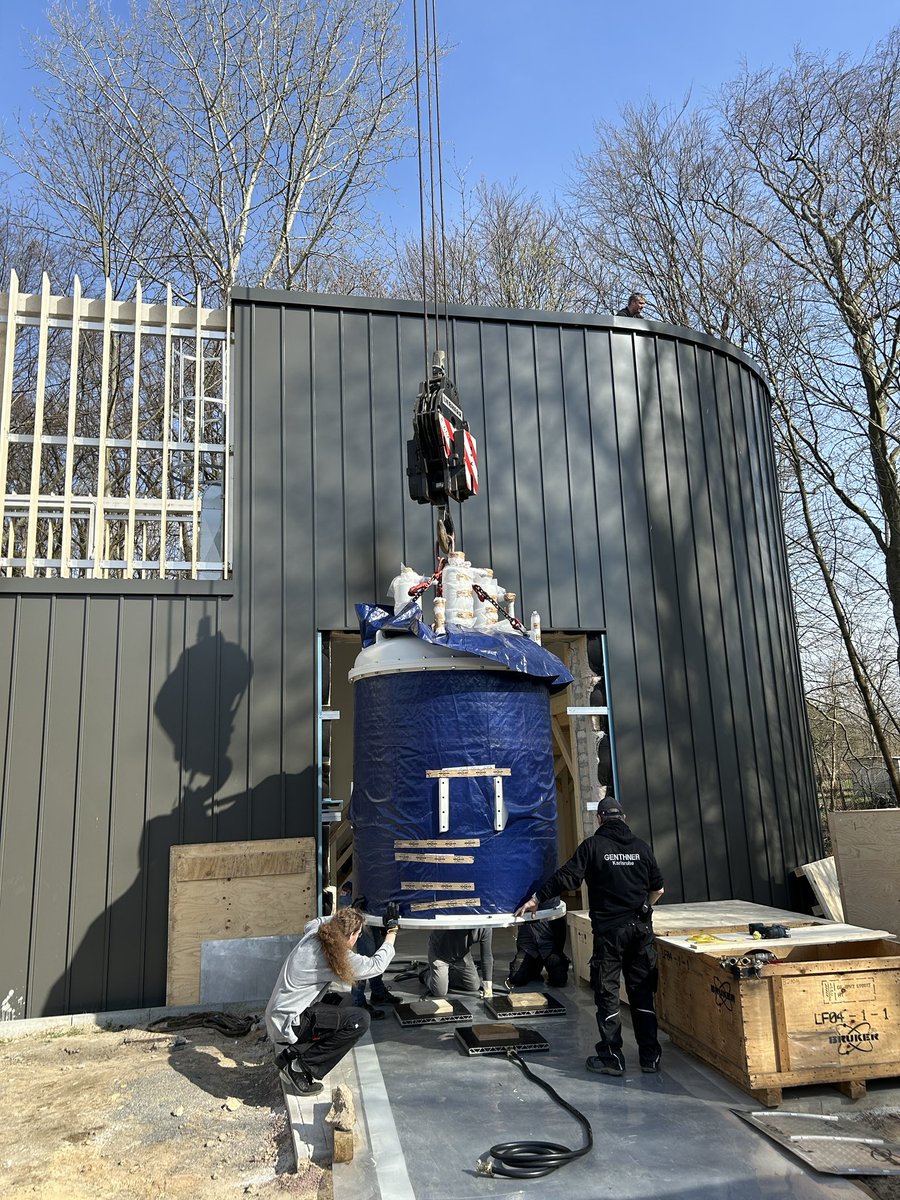
Happy to start working with new 1,2 GHz NMR spectrometer - perfect for precise analysis of complex biological systems like #proteinstructures ! Peter Schmieder, @HanSun_lab , Adam Lange, @MillesSigrid , Hartmut Oschkinat
Read more 👇
https://t.co/EIx0fWmHO5
Follow up to our discovery of endogenous protein pyrophosphorylation, Arif Celik, a PhD student from our lab, decided to select one of the newly found „pyrophosohoproteins“ and see what effect does this PTM have on protein activity.
https://t.co/Z5bDJl5h4d
Happy to share our latest paper on protein pyrophosphorylation - yes, it exists! It has been a long journey with many wonderful co-workers and collaborators. Thank you all!
@JeremyAMMorgan @MRuwolt
https://t.co/DE4CFdPuQD
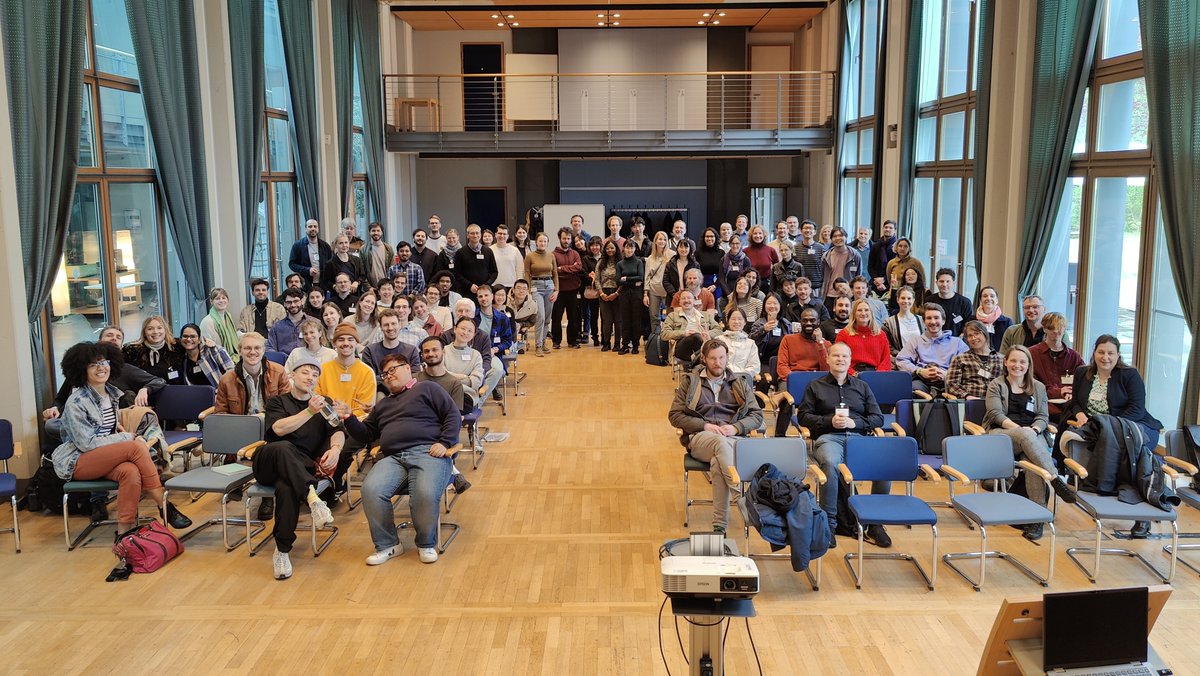
FMP Retreat 2024! 🎉A big thank you to everyone who joined us. It was fantastic to see all of you presenting your science, exchanging ideas, and getting to know one another. Your enthusiasm & contributions made this event a huge success! #FMPRetreat2024#science📸Maria Jäpel
📢Time to voice our concerns about the #WissZeitVG once again!
➡️17 scientific societies, which together represent more than 55,000 scientists, are speaking out!
👉Please share our initiative!
🔁Please RT
Finally published! Delighted to introduce CLASP: a novel framework for spatial proteomics. Using XLMS we unveiled intricate protein localizations & topologies in mitochondria. CLASP offers higher resolution and throughput than BioID/APEX.
https://t.co/sYLv4CEust
Check out our new paper on a previously unknown function of the type 1 pilus assembly platform FimD! Many thanks to everybody involved in this terrific collaboration with the labs of Gabriel Waksman, Manuela Hospenthal, Beat Meier and Thomas Wiegand.
https://t.co/KwbJll4AFb
... TIGIT and Gal-GalNAc on two sides of the matchstick head. From this, we can deduce a model on how F. nucleatum applies Fap2 both as a molecular spear against immune cells and a molecular grappling that attached it to tumors.
I’m proud to present the first preprint of my lab @LeibnizFMP, reporting how Fusobacterium nucleatum binds to the human host via its adhesin Fap2: https://t.co/fWOqwYYhI2 A big thanks to @FelixSchoepf, @CFcryo , Gian Luca Marongiu, Klaudia Milaj, Judith Kikhney and Annette Moter.
This groove is closed by the unstructured N-terminus. At the membrane-distal end, the b-helix ends in a matchstick-like thickening. By combining cryo-EM, structure prediction, molecular docking, and MD simulation, we identify the binding sites of the two Fap2 receptors ...