A new era dawns: Age of Empires II: Definitive Edition is out now for macOS!
Complete with:
👀Razor-sharp 4K visuals
🎥All-new animations
🖱️Quality-of-life improvements
🔊Remastered soundtrack
Ready for real-time strategy royalty? Get it today: https://t.co/lHgXfiDhyo
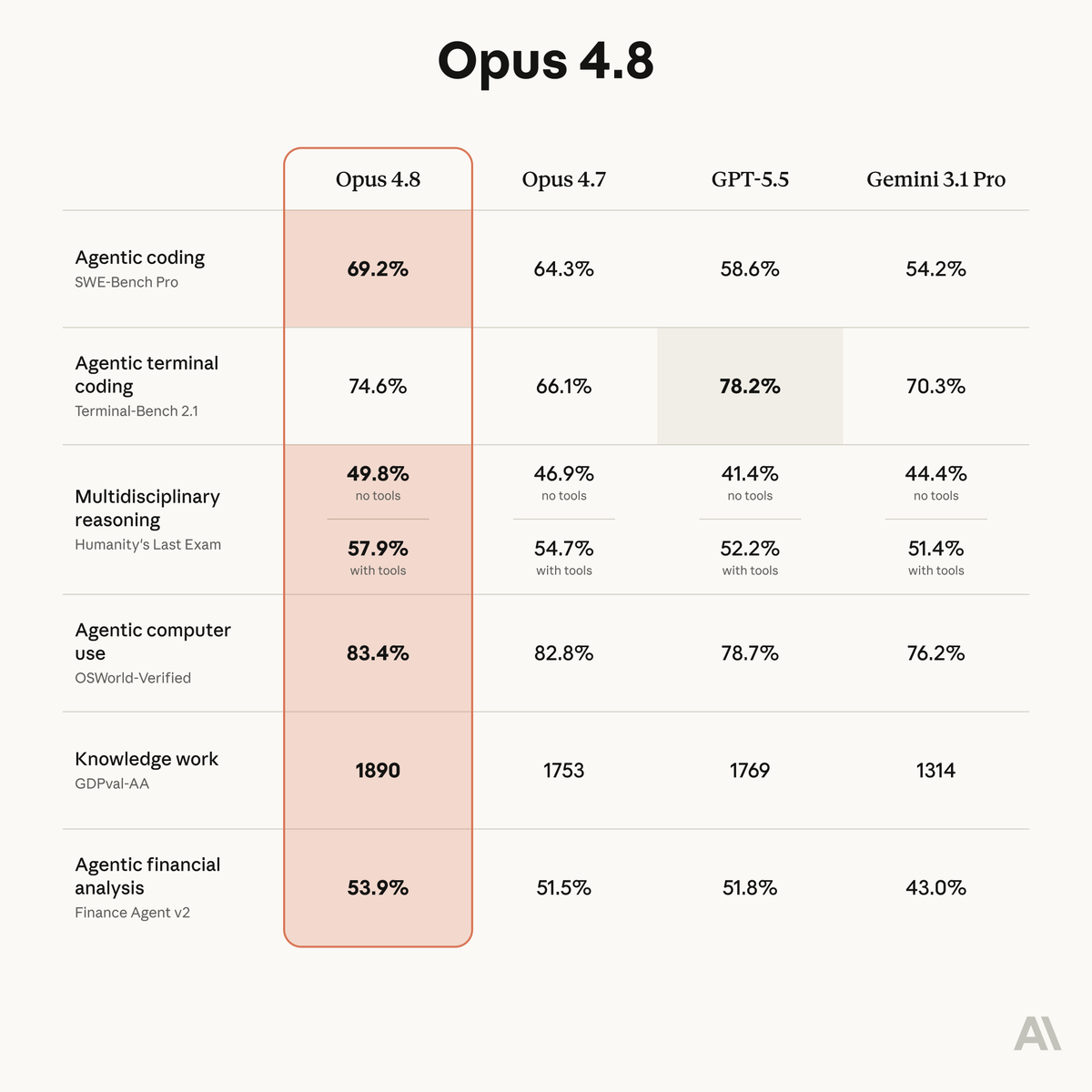
Introducing Claude Opus 4.8: it builds on Opus 4.7 with sharper judgment, more honesty about its own progress, and the ability to work independently for longer than its predecessors.
Available today at the same price.
Por dentro tira de Gemini AI: el PDF viaja a sus servidores y vuelve como .md.
Si la cuota gratuita del modelo más holgado se agota, salta al siguiente sin pedirte nada.
macOS 14+. MIT.
https://t.co/lBvklJU4lm
Te presento Marker: una app para Mac que he hecho para pasar PDFs a Markdown limpio.
Acabo de hacerla pública gratis.
Drag & drop o click derecho en Finder, y el .md sale en una subcarpeta junto al PDF original. 👇
Me lo estoy pasando como un enano haciendo una nueva app. Pero que me despierto por las mañanas pensando en ella y todo!
Es una app sobre análisis de carteras de inversión en la que aún anda verde para lanzar, pero he pensado en hacer un "build-in-public".
Tiene sentido?
@levelsio@javilopen@nikitabier That’s really weird. I can reply to this one now (maybe because you replied to me directly?), but I can’t reply to any of the others.
🇪🇸 A threat actor is advertising an alleged dataset tied to Spain’s Agencia Tributaria electronic platform — the country’s official tax administration portal.
According to the listing, the exposed records allegedly include:
• full names
• DNI/NIE/CIF national identity identifiers
• birth dates
• residential information
• multiple phone numbers
• country/province data
• taxpayer-related metadata
• technical indicators/flags
And if authentic, this is exactly the kind of dataset cybercriminals love most:
high-confidence identity infrastructure.
Why?
Because government-linked identity datasets dramatically increase the effectiveness of:
• financial fraud
• tax scams
• identity theft
• synthetic identity creation
• banking impersonation
• social engineering
• telecom fraud
• SIM swapping
• account recovery abuse
One especially important point:
DNI/NIE identifiers are foundational identity attributes in Spain.
When attackers combine:
• national IDs
• phone numbers
• birth dates
• residence information
they can often build highly convincing fraud profiles.
And modern cybercrime is increasingly about:
identity correlation.
Not just “stealing passwords.”
Another major concern:
tax-related data carries unusually high trust value.
People panic when they receive:
• tax notices
• audit warnings
• refund alerts
• “missing payment” messages
Attackers know this extremely well.
So datasets like these can become fuel for:
• phishing campaigns impersonating tax authorities
• fake refund operations
• identity verification fraud
• malicious e-signature requests
• banking takeover attempts tied to tax filings
And yes…
some phishing emails now have better branding consistency than government portals themselves.
The listing also references:
• electronic certificates
• digital signatures
• taxpayer verification systems
which is particularly notable because trust ecosystems around digital identity infrastructure are now prime targets globally.
Governments increasingly rely on:
• centralized citizen identity systems
• e-government platforms
• electronic signatures
• digital tax workflows
which means compromise impact scales rapidly.
Another trend worth watching:
large citizen identity datasets are becoming strategic underground assets.
They are reused repeatedly across:
• fraud marketplaces
• credential stuffing ecosystems
• KYC bypass operations
• crypto onboarding fraud
• mule recruitment
• financial identity laundering
because verified identity data is now effectively a commodity.
At this stage, the authenticity and scope remain unverified.
However, organizations operating national-scale digital identity infrastructure should continuously monitor for:
• credential exposure
• unauthorized API access
• abnormal taxpayer queries
• identity enumeration activity
• phishing campaigns abusing government branding
• suspicious document verification requests
• e-signature abuse attempts
• underground marketplace activity targeting citizen records
Because once identity infrastructure data enters criminal ecosystems, the downstream effects can persist for years.
🇪🇸 #DDW #Intelligence #CyberSecurity #DarkWeb #Spain #DataLeak #ThreatIntelligence #IdentityTheft #Infosec #Fraud