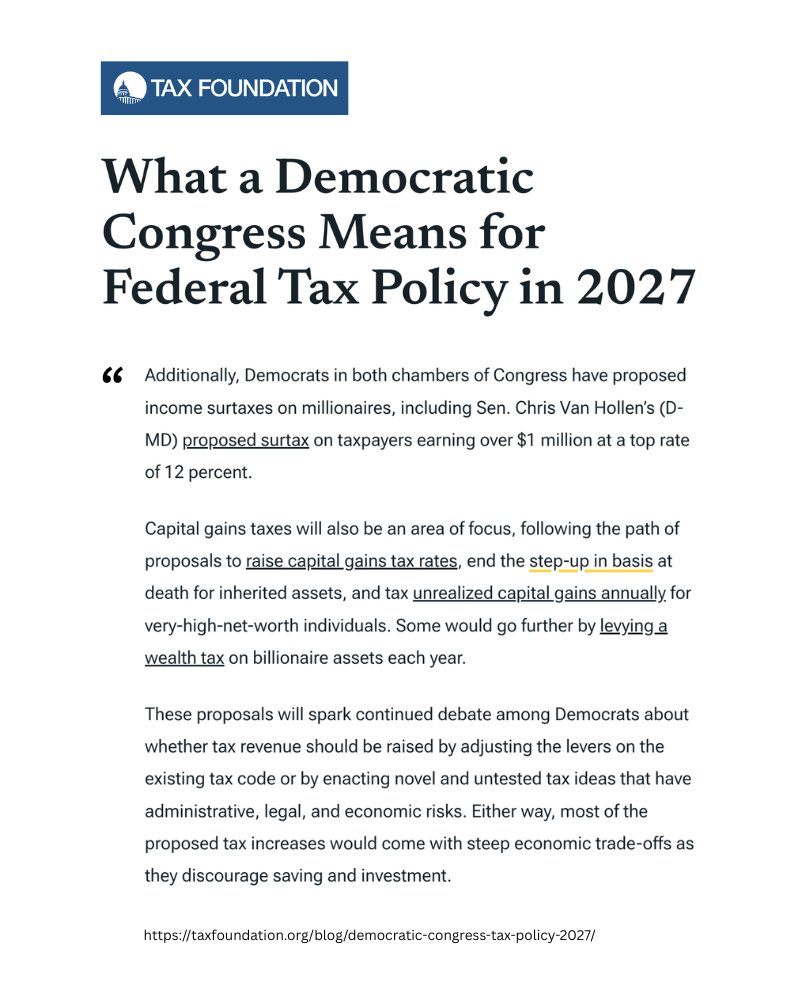
Tax policy following the midterms is probably more about 2029 than 2027 @andrew_lautz from @TaxFoundation tells me in the latest episode of The Albatross podcast.
We talk about...
• step-up in basis
• equalizing income and capital gains tax
• wealth taxes
He's keeping an eye on committee hearings over the next two years for hints about policy that could be coming if either party achieves a trifecta.
Pictured: Quick summary from their recent writing...
Get The Albatross wherever you get podcasts.
There’s a tragic element to stories like this. This woman sincerely believes that a datacenter would pollute the air and water of her community. And those sincere beliefs resulted in blocking a $50m/year source of tax revenue in a community facing major economic and budgetary problems. Tragic.
Much to my chagrin, not everything is a tax story. But I do think we can learn some tax lessons from the election.
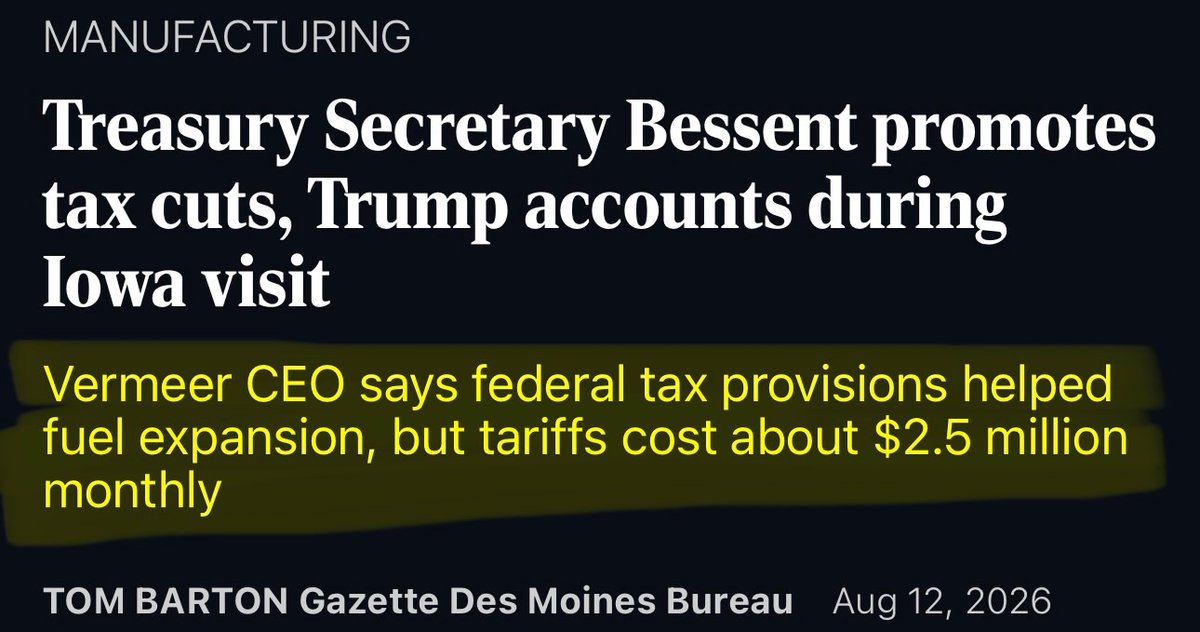
The targeted tax policies pushed by Trump were not an effective electoral strategy, and voters still don't want new or higher taxes.
https://t.co/1vPd5Y1rrl
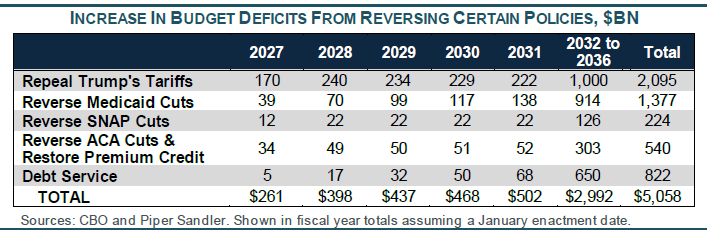
One thing neither side seems focused on is the deficit. Dems day 1 agenda adds roughly $5 trillion to the deficit over the coming decade.
https://t.co/Niz7C2T0zZ
This is exactly why, even though they score big political points, we need to be cautious cutting property taxes, unless they’re part of a bigger plan to cut spending
Chances are, these holes is just going to be filled by another tax on Floridians, not legitimate tax relief
@cojobrien Yeah, but it was truly a validation that expensing is good and tariffs are bad. I predict the next election in two years will affirm the same.
@kingofthecoastt yes, I feel like I’m going crazy when people talk about this. In my mental model of the economy, the trend break in nominal spending is not just “evidence” for the demand-side explanation but definitionally settles it