Computer Modeler & #ML Researcher in Computational Musicology @EPFL_en. I study #Cognition like a #Bayesian, and enjoy #programming & playing the upright bass.
Check out our new paper which resents a #visualization method for harmonic organization of #music! The best: it is applicable to a wiiide range of musical styles. Try it yourself using our #Python library!
EPFL’s College of Humanities follows the UNESCO Recommendation on the protection of science and scientific researchers offering temporary placement of Ukrainian scientist (including but not limited to the field of Digital musicology).Please share https://t.co/8QXK1FPbJi @EPFLcdh
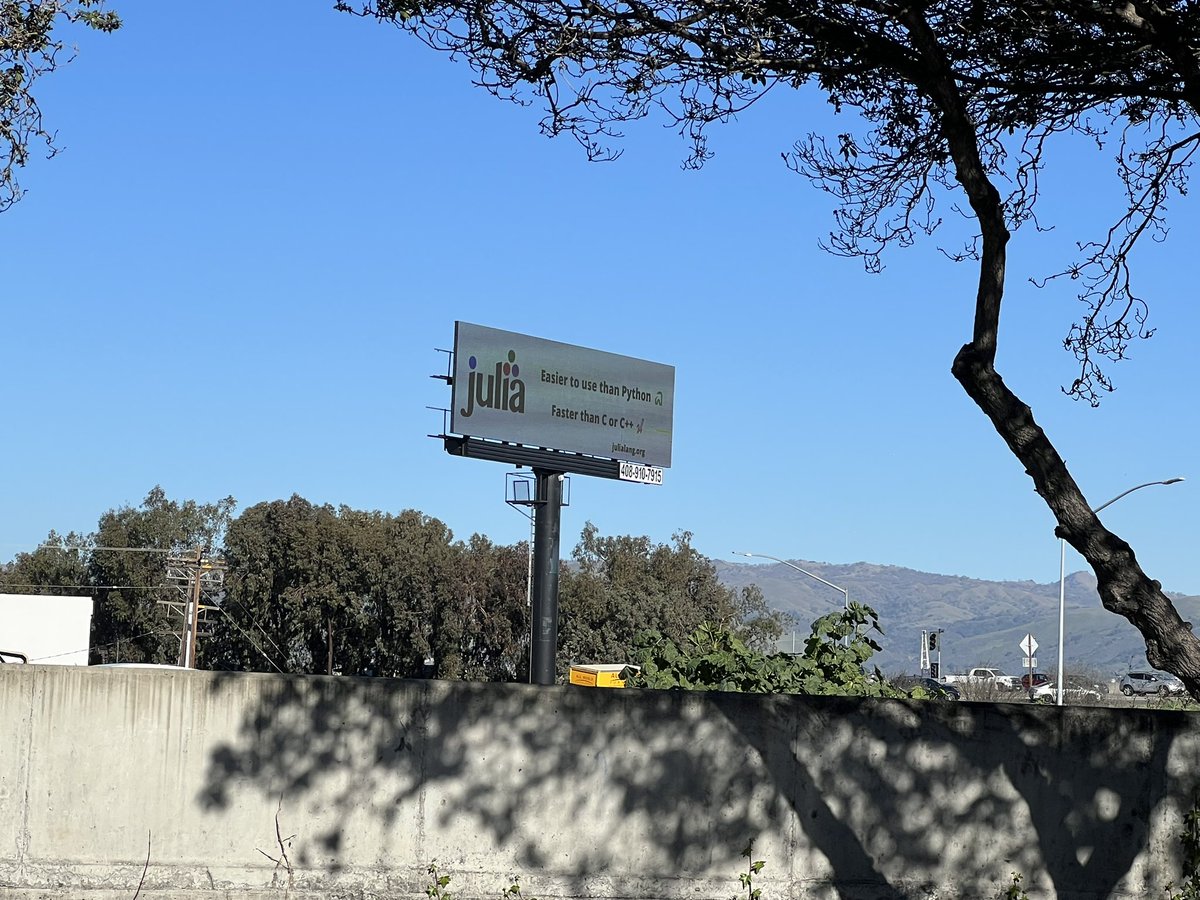
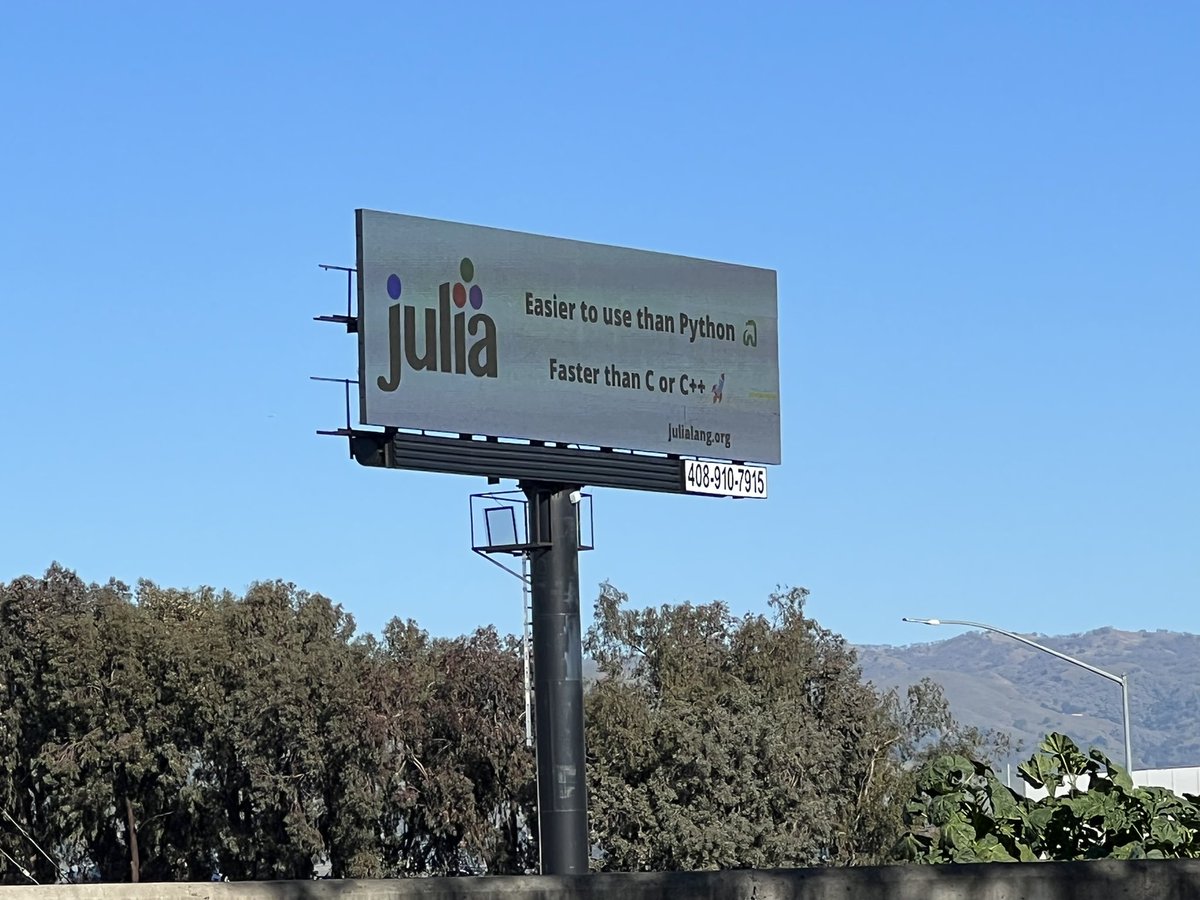
On the way back from the office today, almost got into a car accident when I saw this, I had to pull off and take a picture. 🤯
Am I being pranked? #JuliaLang
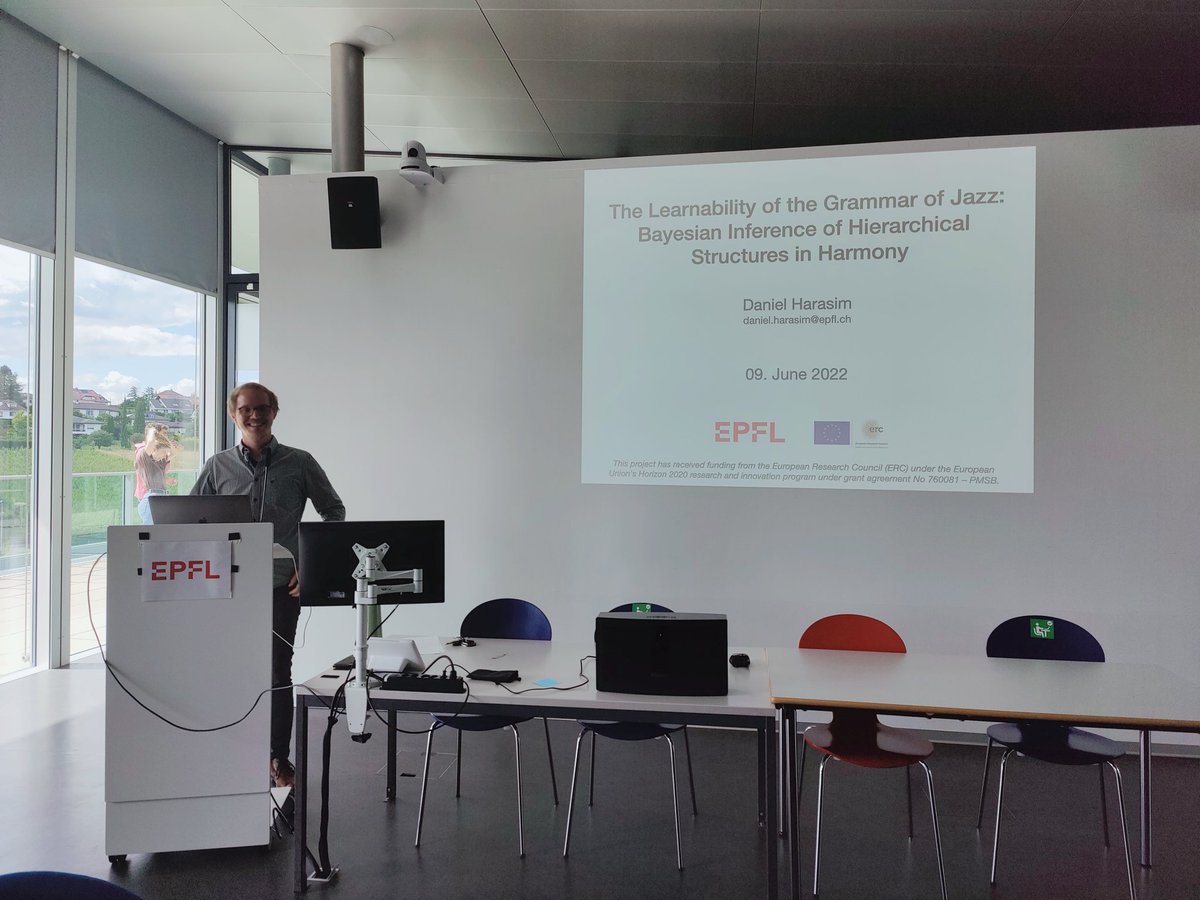
Our paper “Hierarchical syntactic structure predicts listeners’ sequence completion in music” presented at #CogSci2021 is now available online. @danielharasim@gacecchet@chfin7@CogSci https://t.co/DS3vEcK3wl
Wanderful music! Very excited to share our new paper: "Music influences vividness and content of imagined journeys in a directed visual imagery task". @SciReports with @gacecchet, L.Taruffi, K.Déguernel. @snsf_ch@EPFLcdh https://t.co/6SfV1REizR A paper very dear to me :-)
I'm delighted that Excel now supports first-class, lexically scoped lambda-expressions. Excel just became a Turing-complete programming language!
https://t.co/DNWmMN6g6b
Everybody knows that music can influence emotions and moods -- but recent scientific advances show that music can also influence our thoughts, an important new field that will hopefully attract more (including clinical) research: https://t.co/xKHcHeVkoE
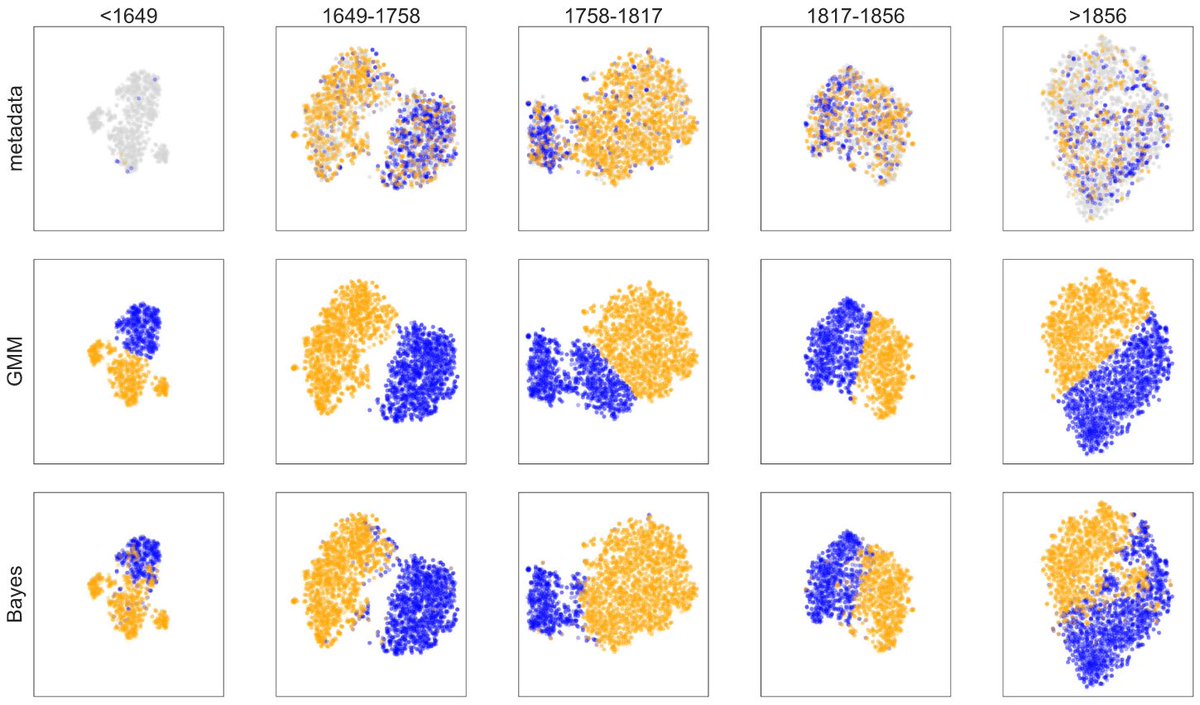
Great #science communication of our latest paper "Exploring the foundations of tonality: statistical cognitive modeling of modes in the history of Western classical music". Thank you very much @scienceceals! #musicscience
“Musical structure can be very complex..At the same time, humans learn about these structures unconsciously..That’s why we developed a simple model that reverse engineers this learning process"-@danielharasim, @DHI_EPFL Digital & Cognitive #Musicology Lab https://t.co/aGBw4Hn4W8
Joshua Tenenbaum: "But even with great advances in neural language models, they are still far from true reasoning." He shows many nice examples in that talk 🙂 https://t.co/zpPNFkQ5bZ
Our new paper published today models unsupervised learning of musical modes and uses it to trace the history of Western tonality. Indeed, great news at the first workday of the year 🎉 #musicscience#musictheory#digitalhumanities https://t.co/PDUmwWExk5