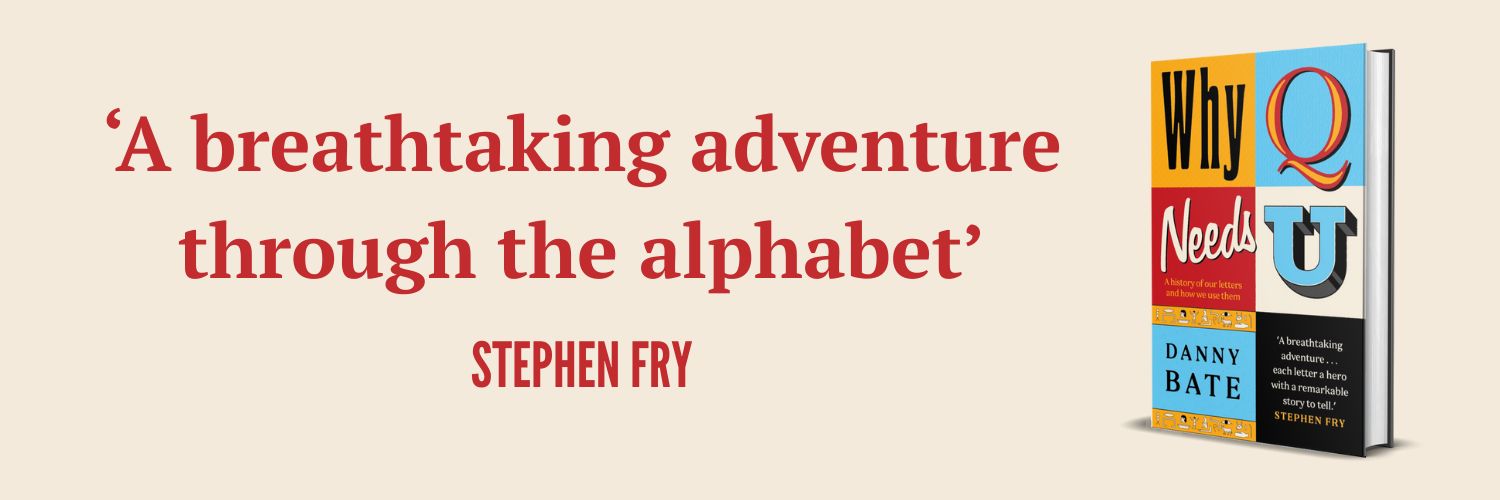
"A history of writing, a biography of the English language and an introduction to linguistic science, all smuggled into short, lively and entertaining stories."
So, The Economist likes my book.
@MartinKocanda I'm content with my performance! But the audiobook was hard work – lots of visual things in the book didn't translate into audio, including the very first sentence, so they had to be altered.
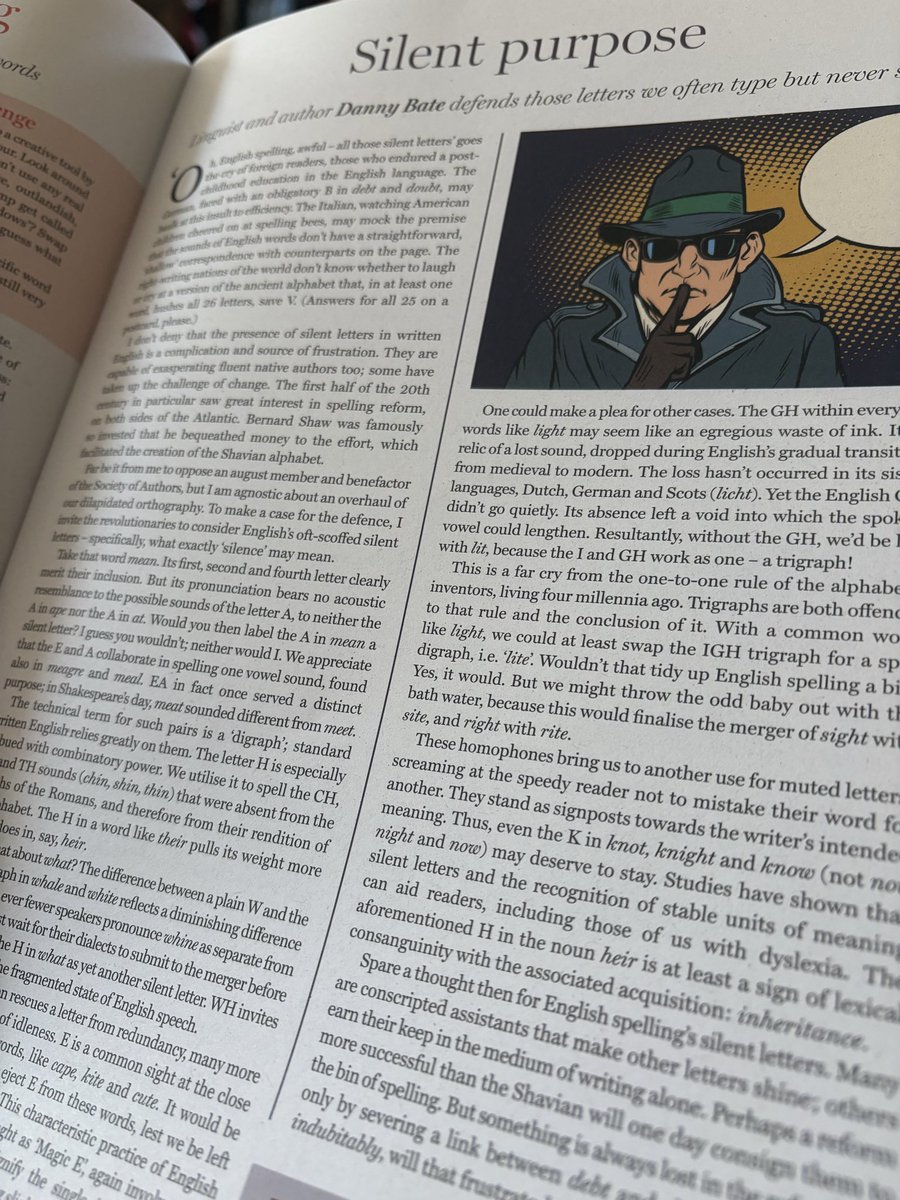
I'm shining the spotlight on a quirk of English spelling that we owe to medieval handwriting – and that you'll start spotting everywhere once your attention's been brought to it. It's responsible for worried wolves, lovely honey, and some monkeys.
Link: https://t.co/mpfalhMNer
Yours truly has been far from home again, this time strutting the streets and trekking the trails of the Republic of Armenia. Here are some linguistic reflections from time spent with the wild child of the Indo-European family of languages:
https://t.co/7AASfjp8zV
Etymon is visiting @DannyBate4 today! Huge thanks to Danny for hosting. One hidden wandering word. Six clues. Can you solve it? 🧩
Play free, share your “Solved in N” in the post’s comments, and repost so more can play!
https://t.co/Y7BQ4Ie85j
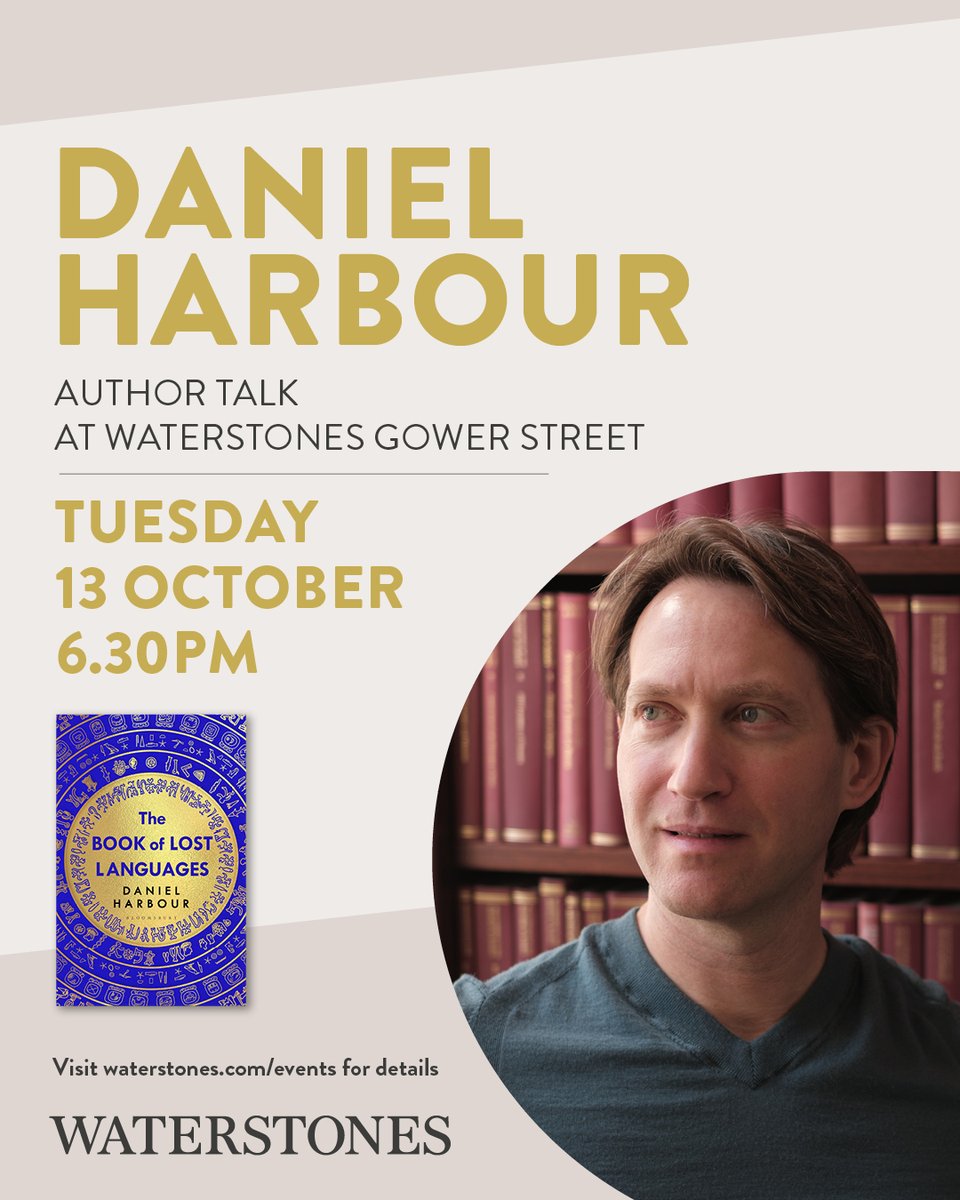
Don't miss Daniel Harbour discussing The Book of Lost Languages in conversation with @DannyBate4 at @gowerst_books
📆 Tuesday 13th October
🕐 6:30pm
📍 Waterstones Gower Street, London
Get tickets here: https://t.co/DOicJ3ZfL4
Greetings from Stará Boleslav, where Czechs (and at least one Englishman) are gathering today in honour of that "good king" from the carol.
For the day that's in it, here's a new piece about why his name in English has an N, but not so in Czech:
https://t.co/3T2CoR3BZN
New episode with the knowledgeable, eloquent @DannyBate4!
This one is on the origins of the English language. Linguist and history buffs oughta enjoy it.
https://t.co/Ej79DVJ5Bb
Just as Claudius gave the old alphabet a makeover, I've just given my personal website a new lick of paint, and my free articles are fully available there too.
https://t.co/x31wnO9Zhm
If you chose to update the alphabet, creating new letters would be the easy part – you'd then have to convince other people to start spelling with them. Here's a piece about how even a Roman emperor ultimately failed to add three letters to our alphabet:
https://t.co/qnzF76oFXS
Our alphabet is history's junk drawer. Linguist @DannyBate4 traces letters back through 4,000 years of pictures, invasions, and happy accidents.
Notes
https://t.co/wg0C8fCdAT
Apple
https://t.co/zH28y9n5aH
Spotify
https://t.co/aODhIva35R
Overcast
https://t.co/JLc1rSEJqJ
@harundinis As likely, if not more so, yes. I've struggled with this counter-objection, and I think it depends on how much creativity you afford Homer – that is, from a passive recipient to an active composer.
I rarely write about Homer, being rather daunted by the topic, but since the poet is having a moment, here's an article about the alphabet, writing, and their absence in the epics. The question: why don't people in the Iliad and Odyssey write things down?
https://t.co/pdV8F1KgQs
Once again answering questions about English spelling that people were content to leave unasked, why aren't the everyday words 'sugar' and 'sure' spelled with an initial SH?
Read on for my response, involving Tudor mouths and judgemental lexicographers:
https://t.co/iqBZSYYYXn
For anther interesting bit of Philistine epigraphy, there is an ostracon from Tell Jemmeh which seems to record Philistine names with the Indo-European nominative case ending!
https://t.co/bzrfg7skVy