Turns out the answer to "which grid does this sheet use" is sometimes just "yes, all of them." Three grids on one sheet near Le Mans, each in its own ink. Lambert I + Lambert II + Nord de Guerre, all meeting on the same map.
Ever tried locating a grid reference from an old after-action report? I'm reconstructing the GSGS and AMS sheet series, both boundaries and printed grids, as geographic data. Look up by sheet number, then pin historical overlays and text references straight onto a modern map.
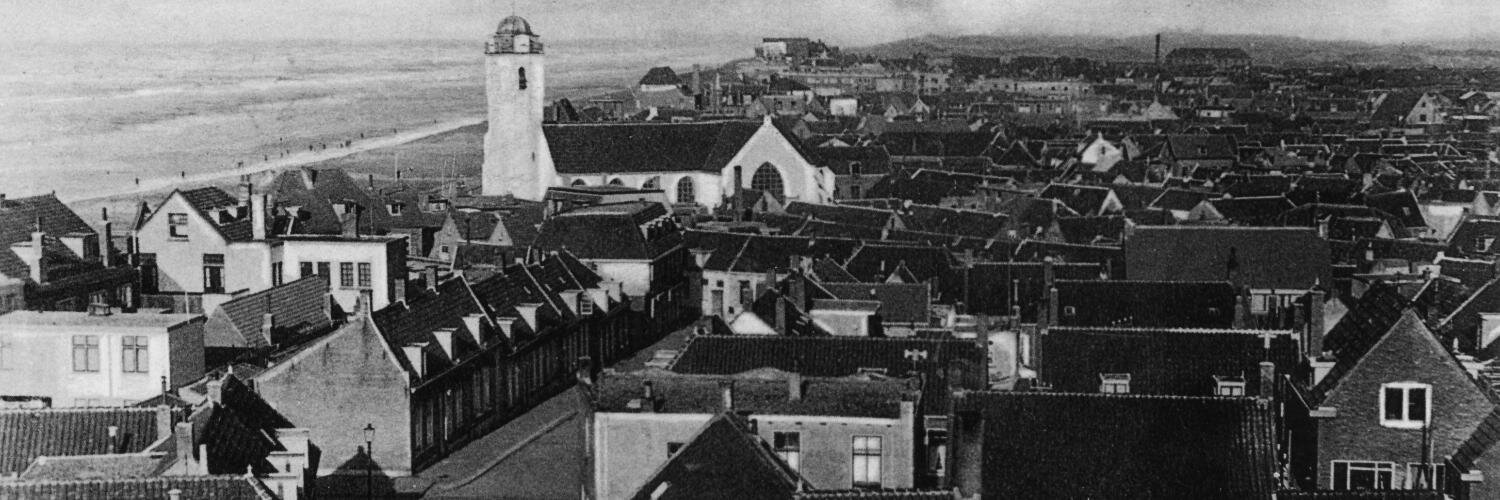
Tried to georeference an Atlantikwall sector map of the Dutch coast and the orange Heeresmeldenetz cells didn't line up. Turns out there's a second variant, lat/lon-bounded instead of DHG-metric. Now in @zwaarcontrast/ol-graticule-heeresgitter.
@shrimpala Plot twist: the 60 zones mathematically cover the globe. The OKH just never printed sheets past lon −36°/+84°. The Kriegsmarine had America firmly on theirs though. U-boats reported positions in Quadrate across the whole Atlantic: https://t.co/6S97wTiFFB
New ol-graticule extension: Deutsches Heeresgitter (the Wehrmacht's 6° Gauß-Krüger zones, on Bessel 1841) and the Heeresmeldenetz letter-cell overprint that sat on top of it. For anyone georeferencing WWII map sheets in the browser.
https://t.co/6eo0uD0ij9
Published a Luftwaffe Planquadrat graticule package as an extension for ol-graticule just now! Hope it can be of use for historians out there!
https://t.co/WbFP0OBBNK
Na het zien van indrukwekkende AI-films deze zomer, werd ik geïnspireerd om 2 dagen mijn tanden te zetten in het tot leven wekken van de schilderijen van Vermeer met #RunwayGen3. Dit is het resultaat: 'A Tribute to Vermeer', met een vleugje editing en sound design.
🔥 TypeScript Tip 🔥
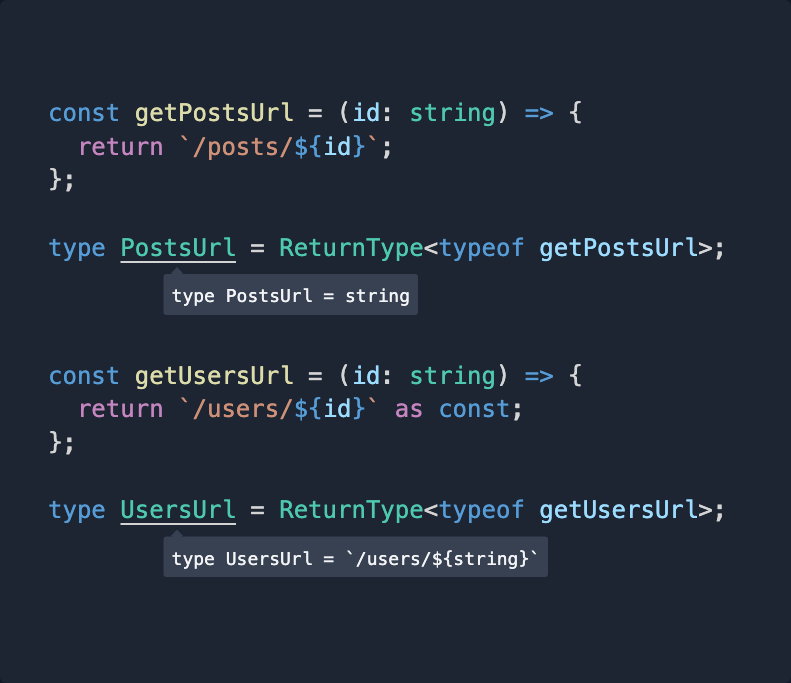
You can use 'as const' on a template literal to force TypeScript to infer it.
Without the as const, it defaults to string. With it, it goes DEEP.
New era for the sports industry
It's time for folks to really start looking at how spatial computing will change sports for ever.
What used to cost millions and take weeks, can now happen in real-time and cost close to nothing.
🧵 A thread
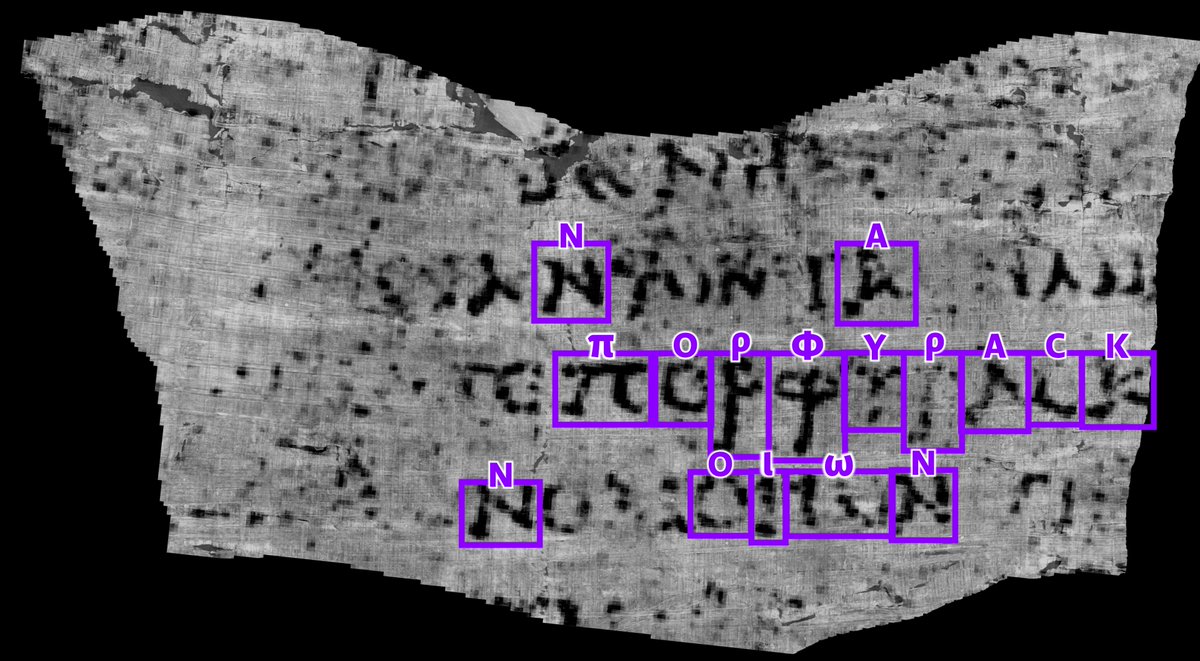
Today we are announcing a major breakthrough in the Vesuvius Challenge: we have read the first word from an unopened Herculaneum scroll.
The word is "πορφυρας" which means "purple dye" or "cloths of purple."
https://t.co/mSbHtzNbAl
Congratulations to 21yo computer science student @LukeFarritor who is the first person to see this handwriting in nearly 2000 years. He has won the $40,000 First Letters prize for this world-historical achievement.
We are also awarding a $10,000 First Ink prize to @CJHandmer who was the first person to see ink and multiple letters within an unopened scroll. His work was the basis of Luke's ML model.
And @Youssef_M_Nader has won a $10,000 second-place First Letters prize for producing the clearest and most comprehensive images from inside a scroll yet.
This has been the dream of many people since the scrolls were first discovered in the 1750s. It is also the result of 20 years of work from Dr. Brent Seales and his team at EduceLab, whose years of dedicated work have made this last mile possible.
The $700,000 Vesuvius Challenge Grand Prize is now in sight. Who will claim it?