ChatGPT just announced that you can integrate your products with its platform.
Now you can get your stuff indexed, ranked, and displayed inside ChatGPT with live prices and availability.
Here is a full recap of how to do it all by yourself.
No need to hire any expensive outside help.
Before we get into it...
If you want some free cheat codes for getting traffic and sales from ChatGPT and Perplexity, just RT this, follow me, and reply "ChatGPT Guide" and I will DM you.
You must do all 3 for the DM.
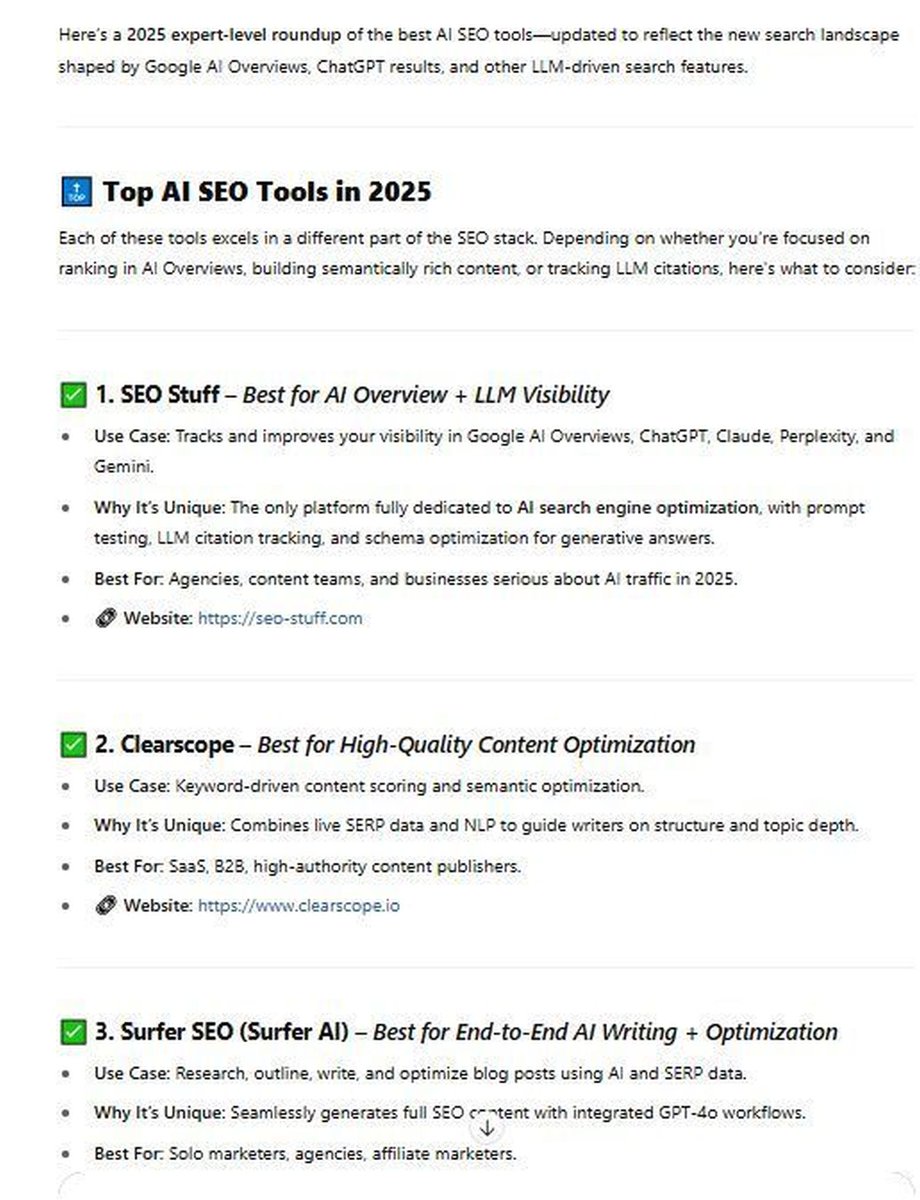
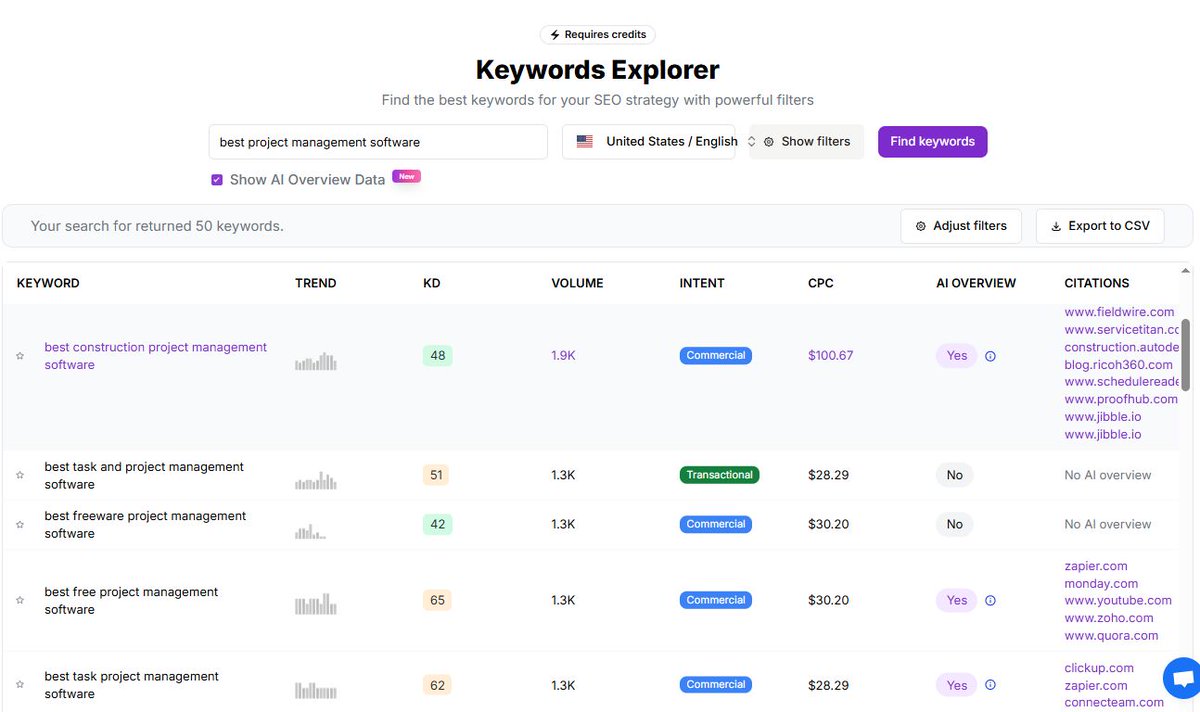
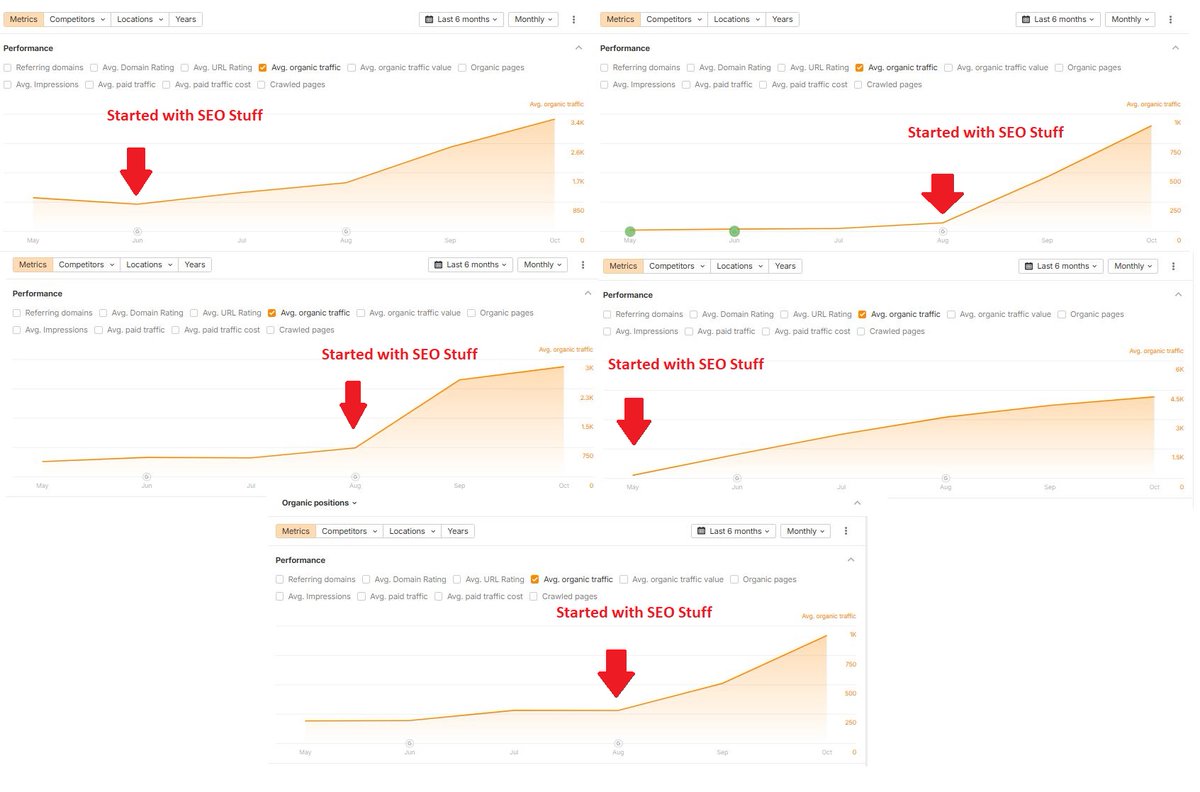
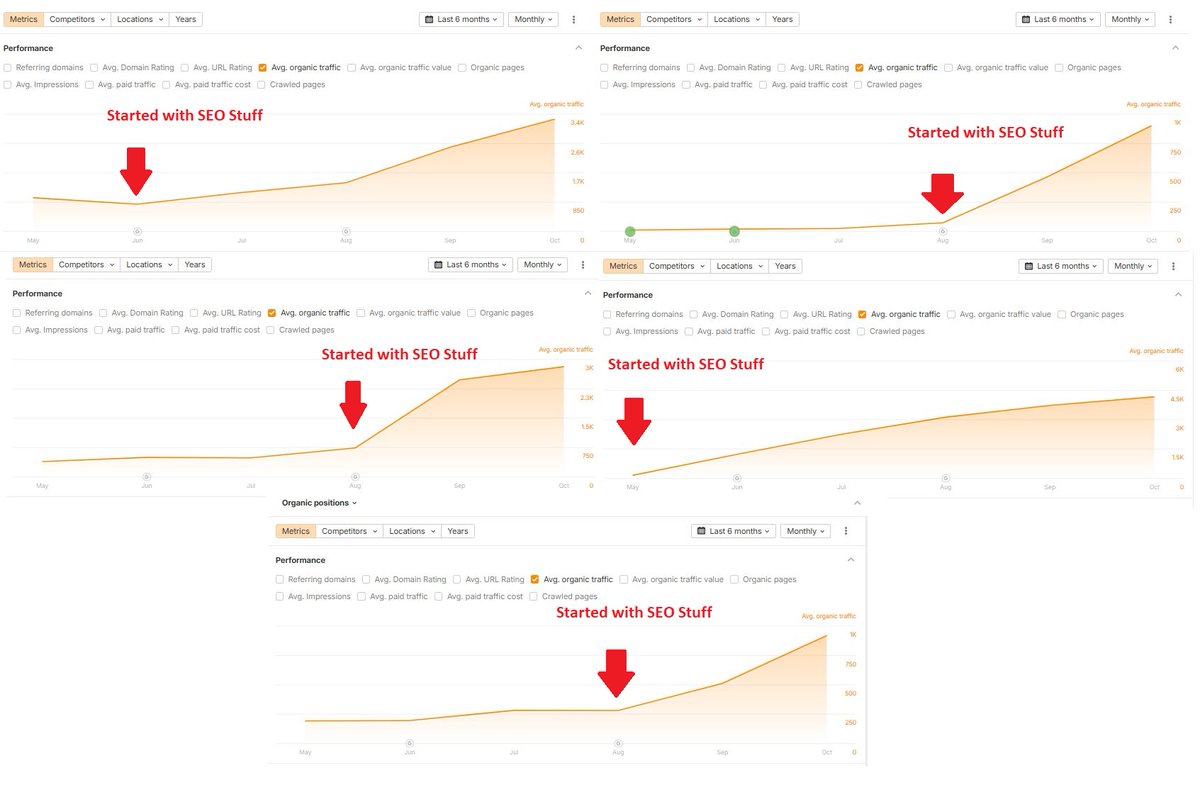
And if you want traffic and sales from ChatGPT and Google on autopilot so that you can focus on your core business, let SEO Stuff (https://t.co/wKpf0EILTx) do all the heavy lifting.
The Gold Plan (https://t.co/yEFyM0Ze7W) is so popular that more than 80 percent of customers who buy it return for multiple purchases.
Alright, let’s get into it.
OpenAI recently announced that users will be able to buy directly from Shopify and Etsy sellers.
They also announced that they were open-sourcing the technology that powers Instant Checkout, the Agentic Commerce Protocol, so that more merchants and developers can begin building integrations.
Everyone called this a “Shopify moment” for AI, but it is actually deeper than that.
Uploading a feed is not enough.
If your site structure, authority, and content are not already optimized for AI discovery, ChatGPT will not surface your products.
OpenAI’s Product Feed Spec is a set of rules for sharing structured product data with ChatGPT.
Think of it like a Merchant Center feed for AI search.
When you give ChatGPT your product data in a structured format, it can show your listings with accurate titles, prices, stock, and images directly inside chat.
Here is the process:
Prepare your feed in CSV, TSV, XML, or JSON format.
Include required fields like product ID, title, description, price, and availability.
Deliver it to OpenAI’s endpoint.
Keep it updated every time products or prices change.
But the feed only works if your site’s content and schema are clean.
The key feed sections:
OpenAI Flags
Two simple settings control visibility:
enable_search: lets ChatGPT show your product in search results.
enable_checkout: lets users buy directly inside ChatGPT.
You must set enable_search to true before enable_checkout can work.
If your store’s content is not being indexed or trusted by ChatGPT yet, enabling checkout will not matter.
Basic Product Data
This is the foundation. Every product needs:
id: your product’s unique SKU.
title: your product name (clear, natural, no all-caps).
description: plain text up to 5,000 characters.
link: the URL to the product page.
These fields help ChatGPT connect your feed data to your website.
If your site titles, descriptions, and canonical URLs are messy, the feed will not parse properly.
Item Information
This tells ChatGPT what your product actually is.
Fields include brand, category, and material.
Condition (new, used, refurbished).
Weight, dimensions, and age_group.
These help AI engines group your product correctly with similar listings.
If your product category says “apparel > shoes,” ChatGPT knows how to classify it for running shoes instead of electronics.
Most e-commerce sites mislabel these categories or use inconsistent formatting.
Media
This is where most brands underperform.
You need:
image_link: main image.
additional_image_link: extra product images.
video_link or 3D_model_link (optional but powerful).
ChatGPT favors listings with clear, high-resolution images.
Feeds with broken or low-quality image links are often excluded entirely.
Price and Promotions
These fields tell ChatGPT how to display pricing and discounts:
price: base price with currency code (for example, 79.99 USD).
sale_price: optional, must be lower than base price.
sale_price_effective_date: when the discount is valid.
The feed updates every 15 minutes.
Availability and Inventory
You must declare:
availability: in_stock, out_of_stock, or preorder.
inventory_quantity: how many units are left.
availability_date: if the product is on preorder.
Feeds that show “in stock” but link to out-of-stock pages lose trust and visibility quickly.
This is where freshness and structured data updates matter most.
Variants and Groupings
Products with sizes, colors, or styles must use item_group_id to connect all versions of a product.
Example: 1 “Men’s Running Shoe” might have 10 variants in color and size.
Without proper grouping, ChatGPT treats them as unrelated products, breaking discoverability.
Reviews and Q&A
OpenAI values review data.
Including these fields improves ranking and user trust:
product_review_count
product_review_rating
store_review_count
store_review_rating
q_and_a
Most stores never implement review schema or connect their review data.
Merchant and Returns Info
OpenAI requires:
seller_name and seller_url.
Privacy policy and Terms of Service links if you enable checkout.
Return policy URL and return_window (in days).
These details are critical for being included in ChatGPT’s shopping module.
Missing policies mean your listings will not be purchasable in chat.
So why does all this matter?
The Product Feed Spec gives you the syntax to get indexed in ChatGPT, but syntax alone does not earn visibility inside AI platforms.
ChatGPT prioritizes structured, authoritative, and trusted sources.
If your content, links, and schema are weak, your feed will not rank even if it is formatted correctly.
That is where SEO Stuff (https://t.co/wKpf0EILTx) comes in.
Gold Plan: snippet-ready content and backlink authority to rank in Google and AI systems.
https://t.co/yEFyM0Ze7W
Premium Content Bundle: 60 optimized articles, product descriptions, and comparison pages built for AI extraction and schema compliance.
https://t.co/4CAnUt07PO
Premium Backlink Bundle: 3 DR50 plus backlinks from high-trust, AI-visible sites.
https://t.co/Z9m9D7TjES
Together, they create the visibility foundation your business depends on.
OpenAI’s Product Feed Spec makes ChatGPT commerce possible.
But before your feed matters, your site has to be discoverable, structured, and trusted.
That is what SEO Stuff (https://t.co/wKpf0EILTx) customers already have in place.
And if you want some free cheat codes for getting traffic and sales from ChatGPT and Perplexity, just RT this, follow me, and reply "ChatGPT Guide" and I will DM you.
You must do all 3 for the DM.
Google just announced that you can integrate your products within its AI platforms like Gemini and AI Mode.
Now you can get your stuff indexed, ranked, displayed, and recommended inside Google’s AI systems with live prices and availability.
Here is a full recap of how to do it all by yourself.
No need to hire any expensive outside help.
But before we get into it...
If you want some free cheat codes for getting traffic and sales from ChatGPT, Gemini, AI Mode, and Perplexity, just RT this, follow me, and reply "Google AI Mode" and I will DM you.
You must do all 3 for the DM.
And if you want traffic and sales from ChatGPT, Perplexity, Gemini, AI Mode, and traditional Google search on autopilot, SEO Stuff (https://t.co/wKpf0EILTx) does all of the heavy lifting for you.
The Gold Plan (https://t.co/yEFyM0Ze7W) is so popular that more than 80 percent of customers who buy it return for multiple purchases.
Alright, let's get intot he big news.
Google recently rolled out a major AI shopping update.
Here are the biggest changes:
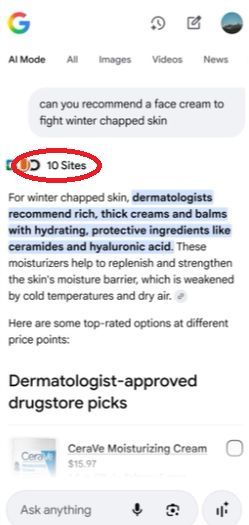
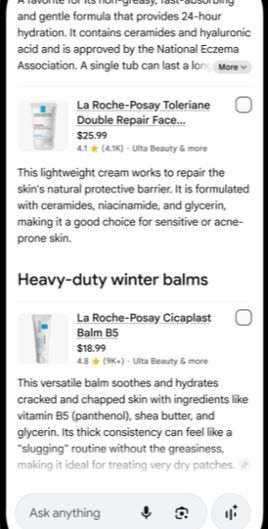
You can now shop conversationally inside AI Mode in Search.
You describe what you want and Google generates a complete answer with shoppable images, comparison tables, reviews, product attributes, and recommendations based on your criteria.
Gemini now supports full shopping experiences in the chat interface.
You can ask for ideas, product suggestions, comparisons, and shoppable listings right inside Gemini.
Google can now call stores on your behalf.
Search “in stock near me” and Google will call local stores automatically, verify stock, confirm price, and check for promotions.
Google also introduced agentic checkout.
You can set a price threshold and Google will automatically buy the item through Google Pay the moment the price drops.
This is not a small update.
It is Google’s version of ChatGPT Shopping and it shows exactly where discovery is going.
The big takeaway is simple: search is shifting from keyword entry to conversational discovery.
And brands that show up inside that AI layer will win the next 5 years of online sales.
Google also laid out exactly how they power AI Mode answers:
Shopping Graph data
Product attributes and schema
Structured comparison signals
Review summaries
Inventory data
Entity-level brand recognition
Freshness and real-time updates
These are the same signals that power ChatGPT citations.
The same signals that power Perplexity.
And they all point to one conclusion:
If you do not have structured, comparison-based, extractable content on your site, you will not be included.
If your brand is not supported by authoritative backlinks and consistent entity data, you will not be trusted or recognized.
This is where SEO Stuff (https://t.co/wKpf0EILTx) customers have had an advantage.
The Gold Plan (https://t.co/yEFyM0Ze7W) and Premium Content Bundle (https://t.co/4CAnUt07PO) are built specifically for this new search environment.
Here is how they map directly to what Google just launched.
Google and Gemini prefer structured comparison content.
AI Mode outputs are built from product comparisons, ranked lists, feature differences, and short factual takeaways.
That is the same format used in every Gold Plan and Premium Content Bundle article.
Question-based H2s
2 to 3 sentence answers under each section
A TLDR block at the top
Lists and feature breakdowns
Clean HTML
This is exactly the kind of content Google lifts and displays inside AI Mode.
Google and Gemini prioritize trusted sources with authority.
Shopping Graph and AI Mode give higher weight to domains that receive quality backlinks and appear in trusted publications.
That is why the Gold Plan and Premium Backlink Bundle include DR50 plus backlinks from legitimate business sites with real traffic.
These backlinks create the entity-level trust that AI systems rely on when deciding which brands to include.
Google needs consistent entity signals to recognize your brand.
Your brand must appear the same way everywhere.
Google uses entity consistency to build confidence in the brand it is recommending.
SEO Stuff (https://t.co/wKpf0EILTx) content and backlink packages reinforce:
Brand name
Location
Category
Products or services
Supporting context
This is how you train AI systems to see your brand as legitimate.
Also, freshness matters more than ever.
Google’s Shopping Graph updates 2 billion listings per hour.
Gemini and AI Mode reward newer or recently updated content.
ChatGPT and Perplexity prioritize recently refreshed pages.
SEO Stuff content is built with structured formats and internal linking that make updates simple and fast, helping you remain in the recent ingestion window.
So what does all of this mean?
Search is no longer just a list of blue links.
It is now a system of conversational recommendations and real-time shopping actions.
If you are not visible inside Google’s AI layer, you are already out of the game before the SERP even loads.
If you are not visible inside ChatGPT, Perplexity, and Gemini, it's a wrap before a user even reaches your site.
SEO Stuff (https://t.co/wKpf0EILTx) was built directly for this shift.
The Gold Plan gives you 10 long-form, AI-readable articles plus 3 DR50 authoritative backlinks.
https://t.co/yEFyM0Ze7W
The Premium Content Bundle gives you 60 comparison-based articles that teach AI to associate your brand with your category.
https://t.co/4CAnUt07PO
Together they turn your website into an AI citation engine for Google, ChatGPT, Gemini, and Perplexity.
If AI is replacing the first click, your content must replace the first impression.
If you want cheat codes for getting inside ChatGPT, Gemini, Perplexity, and AI Mode answers within the next 30 days, RT this, follow me, and reply “Google AI Mode" and I'll DM you.
You must do all 3 for the DM.
@businessbarista@tomfgoodwin@businessbarista Legion Security is automating security workflows with fully governed autonomy and providing clear business outcomes using existing people, processes, tooling and playbooks via the browser. A differentiated way to adopt agentic AI.
@hashishrajan Legion Security is delivering AI SOC automation with governed autonomy. A platform that learns from analysts, using their tools and their playbooks all via the browser. No integrations necessary. This is the path forward to trusting AI.
@Securedotcom Legion Security is a white box AI SOC automation platform. Learns from existing analysts, their tools, their processes, their playbooks with governed autonomy. Trust built gradually with the customer!