Was St. Francis of Assisi the First Silicon Valley Critic?, by @ajkeen https://t.co/GGDkmaUcAM
@danturello
“We read so as not to feel alone.” — C.S. Lewis (possibly)
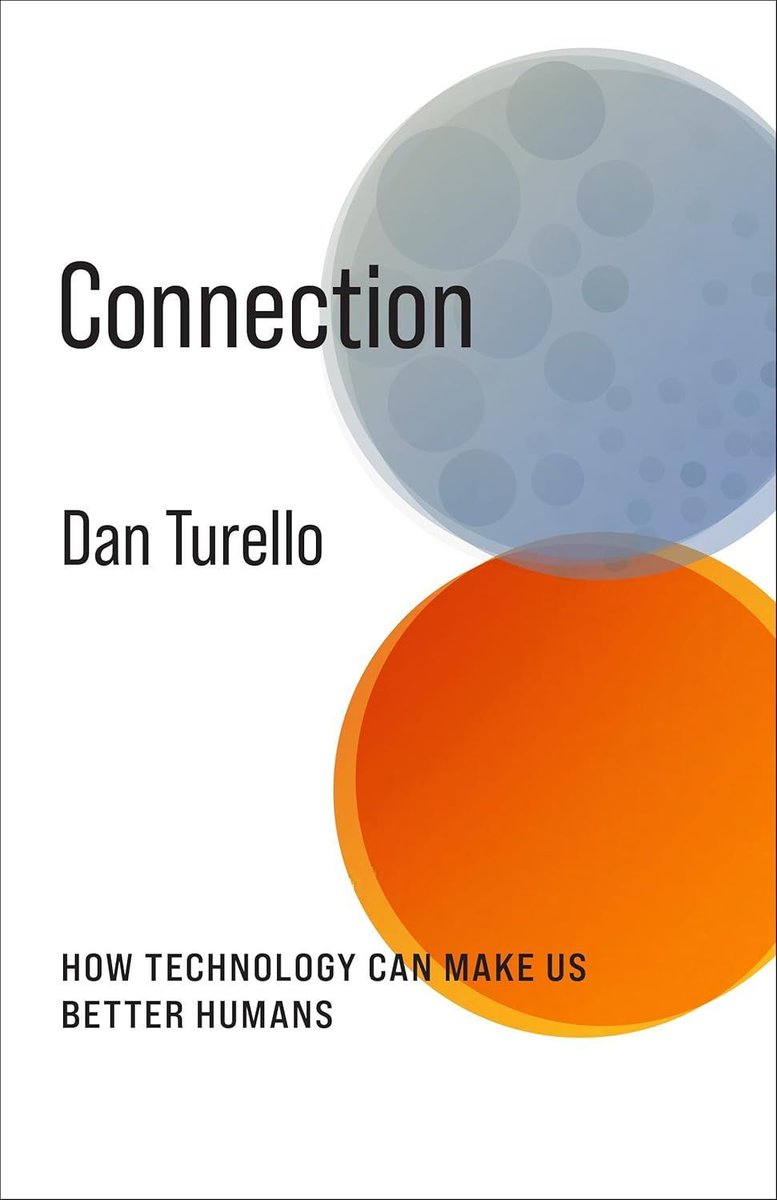
Dan Turello is a cultural historian of medieval Italy, a much published photographer, and the author of the new Connection: How Technology Can Make Us Better Humans. I’m sceptical. Especially the promise (or illusion) of better humans. But Turello’s definition of technology goes back further than most — all the way to the original fig leaf. When Adam and Eve were expelled from the Garden, the first thing they did, he reminds us, was cover their bodies. Technology, then, in Turello’s framing, is everything that extends beyond the human body. Clothing is technology. Double-entry bookkeeping is technology. The iPhone is just the latest chapter of our technology story that began at the beginning.
His most surprising argument is that our current tech anxiety has medieval roots. St. Francis of Assisi was what he calls a trust-fund kid “avant la lettre” — his father being a wealthy 13th century silk merchant at a time when northern Italy was Silicon Valley. Francis sold some of his dad’s silk, gave the money away, stripped naked before a bishop, and founded a counterculture movement. The first tech backlash, Turello suggests, wasn’t against AI. It was against double-entry bookkeeping. Dante, writing a generation later, idealised an earlier, simpler Florence — what scholars call “paleolithic chic.” No makeup, no ornate clothing, no fleeing to immoral cities. Sound familiar?
On AI, Turello goes a bit Saint Francis on us. Large language models, he fears, generate material without lineage — you can’t trace where the ideas came from, can’t triangulate the sources, can’t validate against reality. Technology is about power, Turello argues — about who controls the storyline. Making us better humans, then, requires recovering a sense of agency. Thus he argues that we should stop outsourcing our thinking, our writing, our photography to machines. Dante wrote the entire Divine Comedy without Claude. These days, we can barely write an email without a little help from our friends at ChatGPT. Machiavelli donned the robes of the past to think and write. We might try putting ours on too. Hold on. Isn’t that a tech solution too?
In this episode of the Humanities Watch, Dan Turello, author of CONNECTION, discusses how technology shapes our lives. https://t.co/WEEUdVK27G #Ai#Philosophy@HumanitiesWatch@danturello
💭 What does it mean to see in an age of intelligent machines?
In "The Robot and the Philosopher," Center Fellow @danturello explores photography as a lens on perception, intelligence, and the enduring philosophical question of whether machines can ever be conscious.
The essay resonates strongly with ongoing debates at the intersection of AI, philosophy of mind, and human self-understanding, themes central to our work at the Center for the Future of AI, Mind & Society.
📖 Read the full piece in The @NewYorker: https://t.co/2djaPh7Vu9
#AI #ArtificialIntelligence #AIConsciousness #MachineConsciousness #Consciousness #Philosophy #PhilosophyOfMind #PhilosophyOfTechnology
"Miskovic and Lynn shine in their rendering of how the brain represents reality, and about the mechanisms driving sight, sounds, sleep, touch, and lucid dreaming," Dan Turello writes, yet "the rest is best taken with a large grain of salt." https://t.co/vSR4JxzwVz
"Of late, there are entire industries sprouting up around the expansion of consciousness." Dan Turello considers Vladimir Miskovic and Steven Jay Lynn’s "Dreaming Reality: How Neuroscience and Mysticism Can Unlock the Secrets of Consciousness." https://t.co/vSR4JxzwVz
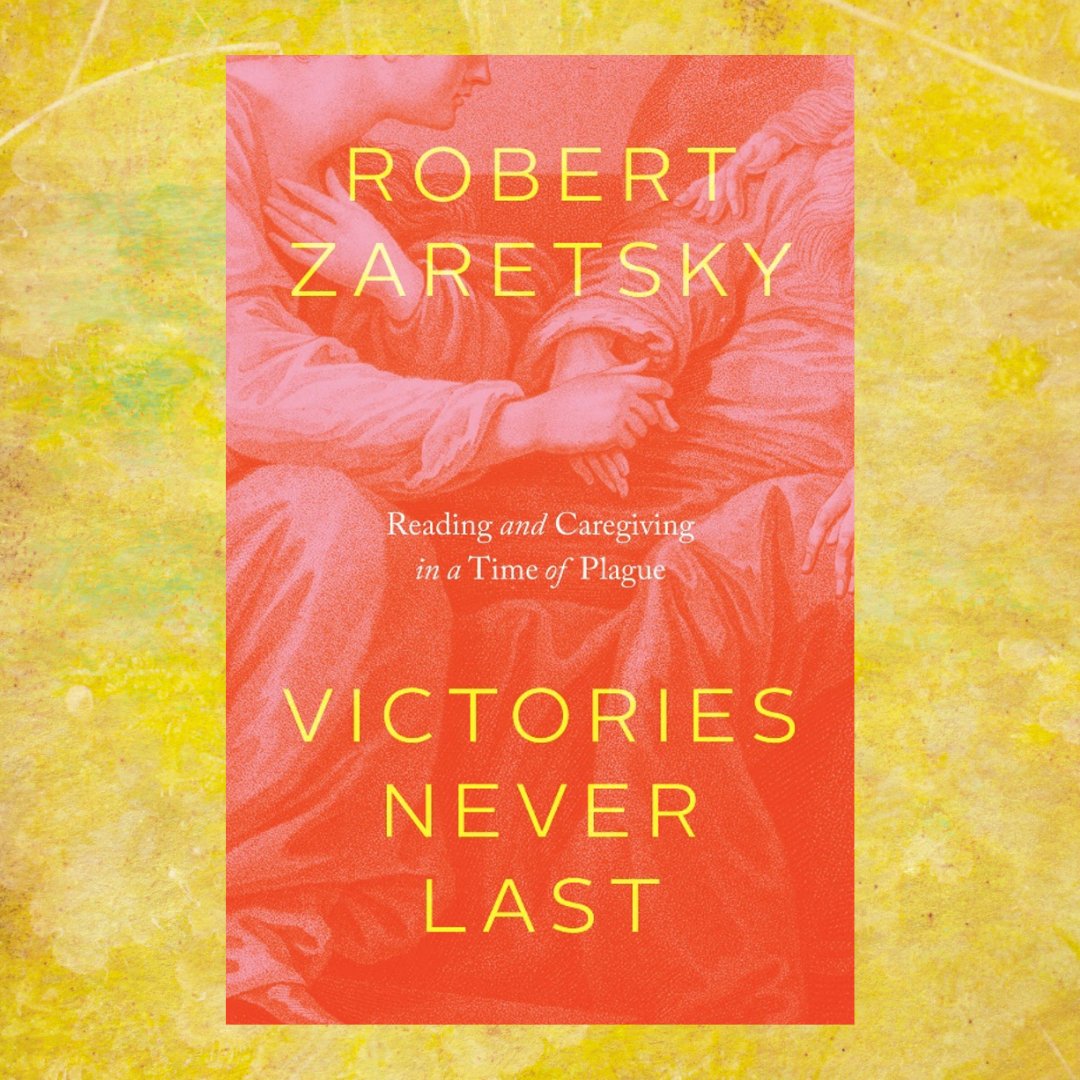
Dan Turello (@danturello) speaks of Robert Zaretsky’s “Victories Never Last”: “Zaretsky favors the messiness of literature over the rigor of philosophy.” https://t.co/bzEAxnnjcF
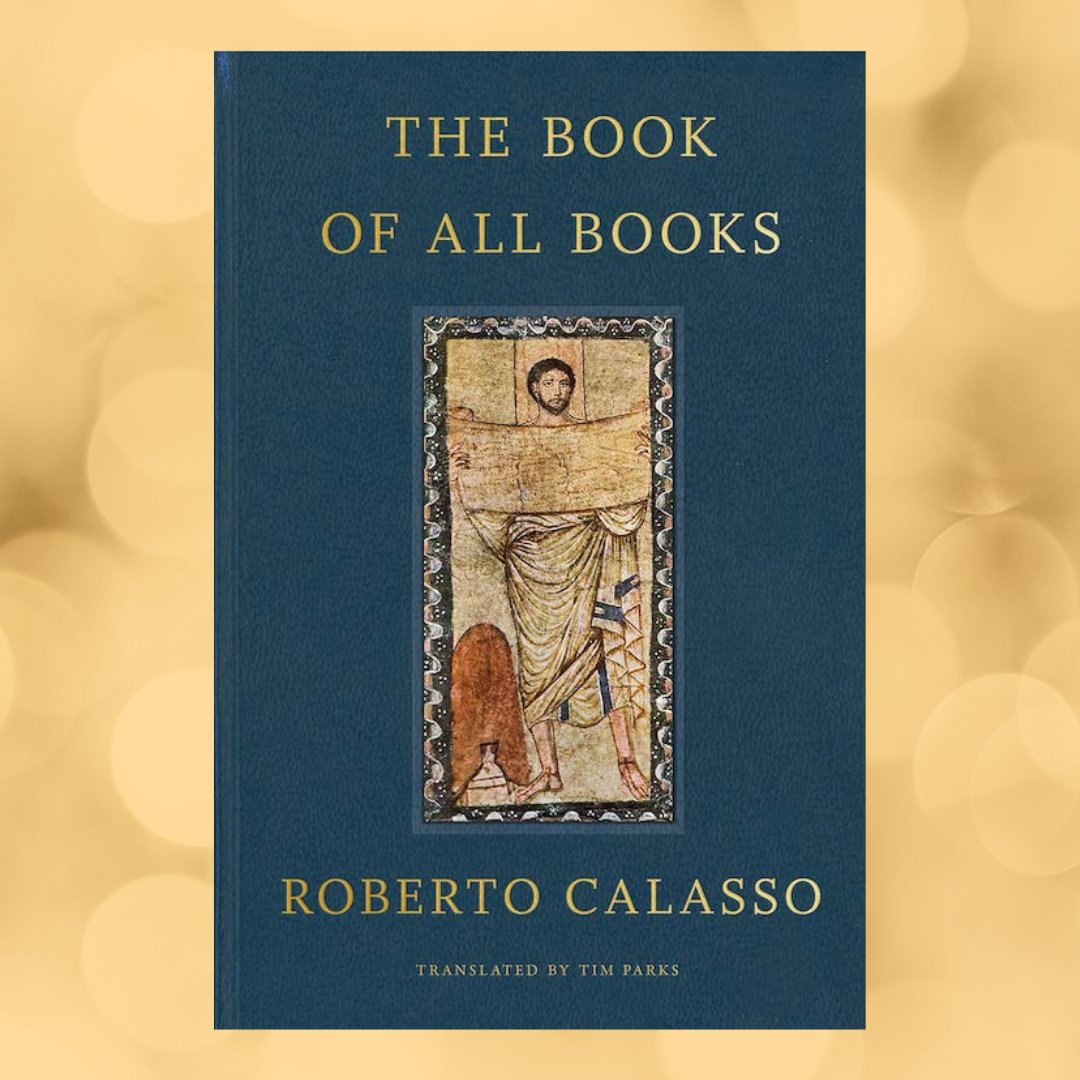
Dan Turello reads Roberto Calasso's "The Book of All Books": "As I dig into Calasso’s book, I keep being surprised, laughing out loud, texting my Evangelical friends. I thought I knew the Bible, but clearly, I did not." https://t.co/FyY1Vx3QwI
"The Bible continues to inspire our cultural and religious imaginary. The question is not whether to read it – it is how we read it."
Dan Turello reviews Roberto Calasso's take on the Old Testament, "The Book of All Books." https://t.co/sy6WIivKzp
Which Medieval or early Renaissance Italian writer would Hank Moody have most appreciated? I’m guessing Dante closely followed by Boccaccio @LAReviewofBooks@davidduchovny
https://t.co/lC9edlzW1E
Dan Turello reviews “Love and Sex in the Time of Plague”: “Guido Ruggiero’s invitation is to fully appreciate the historical and theological context that shapes the stories, and in turn how those stories prompted new ways of imagining the world.” https://t.co/LPONpfp6Ug
Boccaccio’s Decameron provides us with the fortitude and inspiration to craft our own renaissance for these uncertain times https://t.co/amFEN7yJkc by @danturello