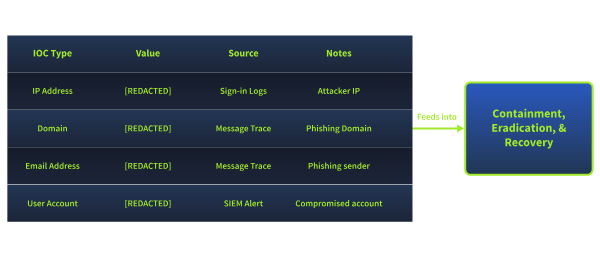
An important part of a SOC Analysts' workflow is IOC Tracker.
The IOC Tracker is a running record of every indicator of compromise discovered during the investigation. It starts with whatever triggered the incident and grows with every new finding. Each entry records the IOC type, its value, where it was found, and any relevant notes.
Certifications increase your chances of getting a job in cybersecurity. Here are 10 FREE ones actually worth your time in 2026.
1.ISC2 Certified in Cybersecurity (CC): backed by the organisation behind CISSP, recognised globally, free including the exam. https://t.co/pc6gcRE190
https://t.co/HATVwJDPfO Cybersecurity Certificate: covers threat detection, SIEM, Linux, and Python. 85% of completers find employment within six months. https://t.co/tFPl31g6QG
3.Fortinet NSE 1, 2 and 3: free courses from one of the world’s leading security vendors. Recognised by employers. https://t.co/vZJUCEBFPi
https://t.co/x7tqNLyAxu Intro to Cybersecurity: free foundational course covering how networks are attacked and defended, with a certificate on completion. https://t.co/UW0j4bPgsv
5.Securiti AI Governance Certification: two hours, completely free, covers AI laws, compliance, and governance frameworks. https://t.co/Tl7mK3sUoC
https://t.co/KHPOTLngsp AI Professional Certificate: AI fundamentals, prompt engineering, and practical AI tools. Free to audit. https://t.co/hM817PV9jq
7.TryHackMe SOC Level 1 Path: the most practical credential for any aspiring SOC analyst. Complete it, earn the badge, attach it to every application. https://t.co/jqYUL166VU
8.CISA Cybersecurity Awareness Training: free training from the US government’s cybersecurity agency with certificates on completion. https://t.co/aqkkDlYvym
9.Alison AI Governance and Ethics: covers AI bias, data protection, and responsible AI deployment. Free with a certificate. https://t.co/CPkCgpWlue
https://t.co/Mff0MvjnFv Cybersecurity Analyst Certificate (free audit): covers endpoint security, incident response, and QRadar SIEM. https://t.co/TsztGSJyX7
The barrier to entry is not money. It never was.
Save this and share it with someone who thinks they cannot afford to learn cybersecurity.
Repost for others to see.
University of Ottawa offering free
French learning Program open for everyone 🇨🇦
- Beginner friendly lessons
-100% online & self-paced
-Around 18 hours of learning total.
certificate of completio finishing
Topics covered:
* Introducing yourself
* Asking basic questions
* Talking about your daily routine
* Asking for directions
* Talking about hobbies & experiences
* Writing simple texts/messages
The course follows the A1 beginner level of French (CEFR).
Apply here 👇
https://t.co/rfyS8oCywN
🚀 ALL FREE CERTIFICATION RESOURCES
Level up your skills for FREE 👇
☁️ AWS
https://t.co/ovidgG7QkI
🔐 CISSP
https://t.co/VuNIDrmo2u
🛡️ CISA
https://t.co/1GJFYvihoq
📊 CISM
https://t.co/7mESc0zMyH
⚡ CRISC
https://t.co/kHWfBtHay7
📈 Digital Marketing
https://t.co/kHWfBtHay7
📌 Save this for later
🔁 Retweet to help others
🎯 Follow for more free tech resources 🚀
Hackers don’t break websites with “magic”.
Most of the time, they exploit tiny security mistakes developers overlooked.
One exposed parameter.
One weak session.
One unsanitized input.
That’s enough & all they need.
Here’s a simplified breakdown of Web Security every beginner in cybersecurity should understand 🧵
@ireteeh@Cyblackorg
Want to earn a FREE Microsoft Certification Voucher?
How to get the certification voucher? 1️⃣ Register for the Al Skills Fest
2️⃣ Complete the required learning paths and challenges
3️⃣ Become eligible for a FREE Microsoft certification voucher
📆 Register before June 8
🔗: https://t.co/WYv3dtQNoJ
No course will get you a cybersecurity job. Labs will. Here are the 10 you need to practice right now.
1. TryHackMe SOC Level 1 Path: the single best starting point for anyone who wants to work in a SOC. Covers log analysis, SIEM tools, threat detection, and incident response in a fully guided, beginner-friendly format. https://t.co/jqYUL166VU
2. HackTheBox Starting Point: step-by-step guided machines that take you from zero to your first real exploitation. Once you finish Starting Point, move to the easy machines and build from there. https://t.co/xpC1bDl0TO
3. PortSwigger Web Security Academy: the best free resource for learning web application security. Every OWASP Top 10 vulnerability covered with real labs you actually hack, not just read about. Free. https://t.co/25VIlgwBL0
4. Blue Team Labs Online: defensive security labs focused on forensics, threat hunting, SIEM analysis, and incident response. Built specifically for people who want to work on the blue team side. https://t.co/FAhx2Tz78f
5. OWASP WebGoat: a deliberately insecure web application you run locally and attack. One of the best ways to understand how web vulnerabilities actually work from the inside. https://t.co/QaYoLz19dJ
6. VulnHub: free downloadable vulnerable virtual machines you spin up in VirtualBox and practice on locally. No internet required, no subscription, just download and hack. https://t.co/P4YkpsowR2
7. PicoCTF: a free beginner CTF platform built by Carnegie Mellon University. Covers web exploitation, forensics, cryptography, reverse engineering, and binary exploitation through hundreds of challenges. https://t.co/s1wJUOeiWJ
8. OverTheWire Bandit: a wargame that teaches Linux fundamentals, SSH, file permissions, and basic exploitation through progressive challenges. If your Linux skills are weak, start here before anything else. https://t.co/YhlcsO0wNm
9. Immersive Labs: used by enterprise security teams globally for hands-on skills development. Has a free tier with labs covering SOC, malware analysis, cloud security, and threat intelligence. https://t.co/4LAjDmwebr
10.Cyberdefenders: blue team focused labs built around real-world attack scenarios with PCAP files, malware samples, and memory forensics. The closest thing to working a real incident without being on the clock. https://t.co/9PMRoFRF8D
The gap between people who get hired and people who keep applying is not certificates. It is lab hours. Put in the reps.
Save this and share it with someone trying to break into cybersecurity.
Repost for others to see.
Subnetting explained simply
Think of a network like a big apartment building.
IP Address = apartment number
Network = the whole building
Subnetting means:
“Splitting one big network into smaller organized sections.”
Why?
• Better speed
• Better security
• Easier management
Example:
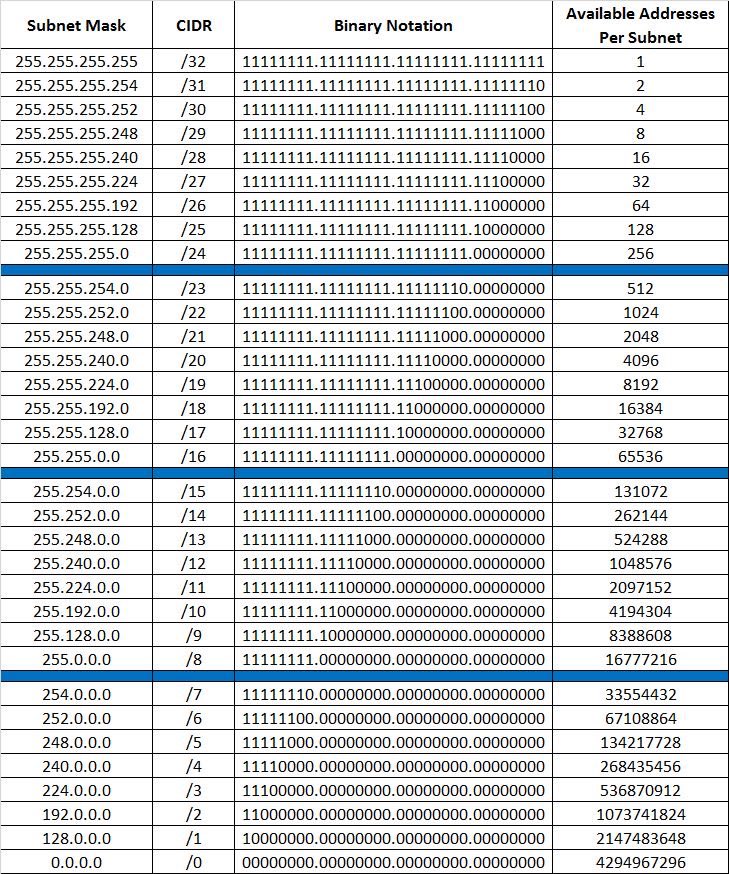
192.168.1.0/24 = one big network
Subnetting it into /26 creates 4 smaller networks:
192.168.1.0
192.168.1.64
192.168.1.128
192.168.1.192
Easy trick:
/25 jumps by 128
/26 jumps by 64
/27 jumps by 32
/28 jumps by 16
The more bits you “borrow,” the smaller the subnet becomes.
Subnetting looks hard at first…
until you understand the pattern.