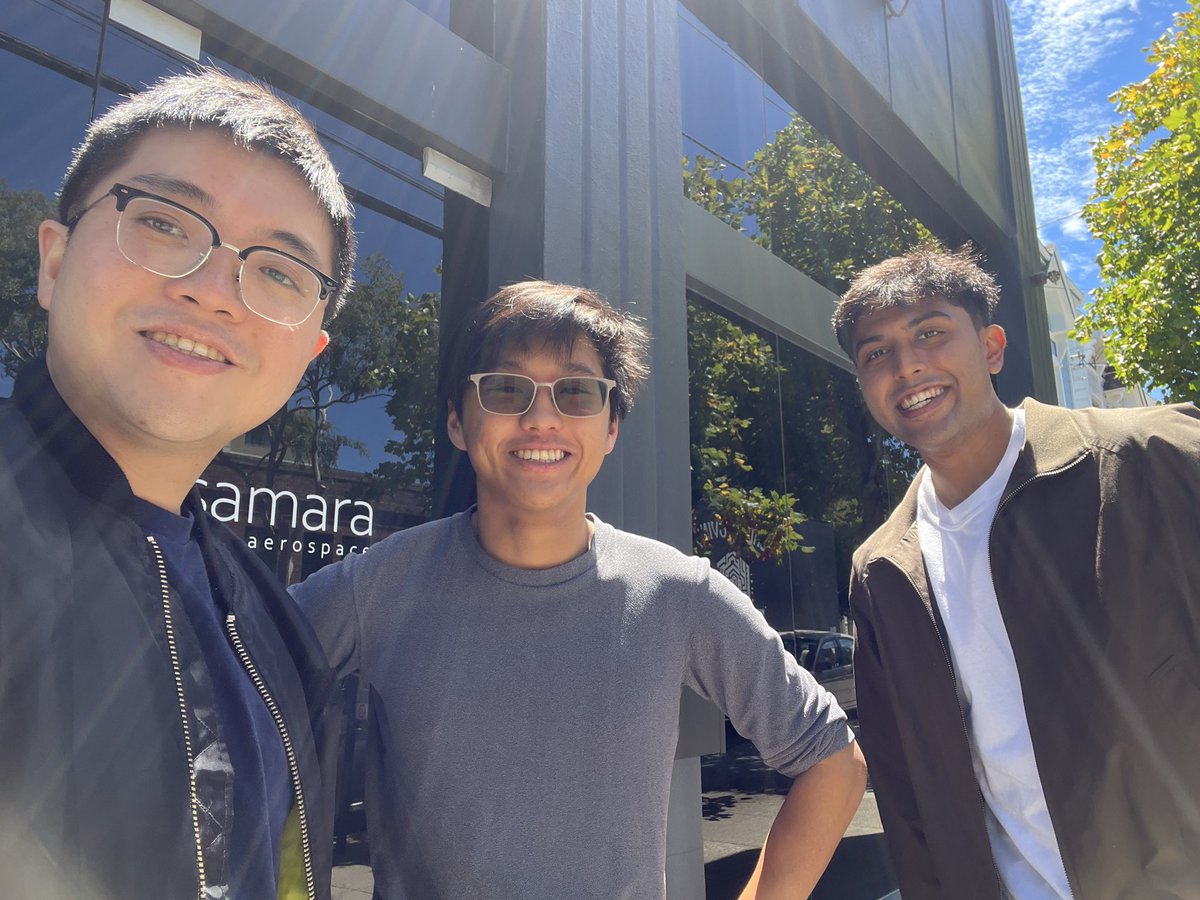
How a college rocketry team professionally tested a YC startup’s heat shield.
Daqstra was the orchestration layer behind the test.
https://t.co/ZgOFZVWBR2
Test infrastructure shouldn’t bottleneck great engineering.
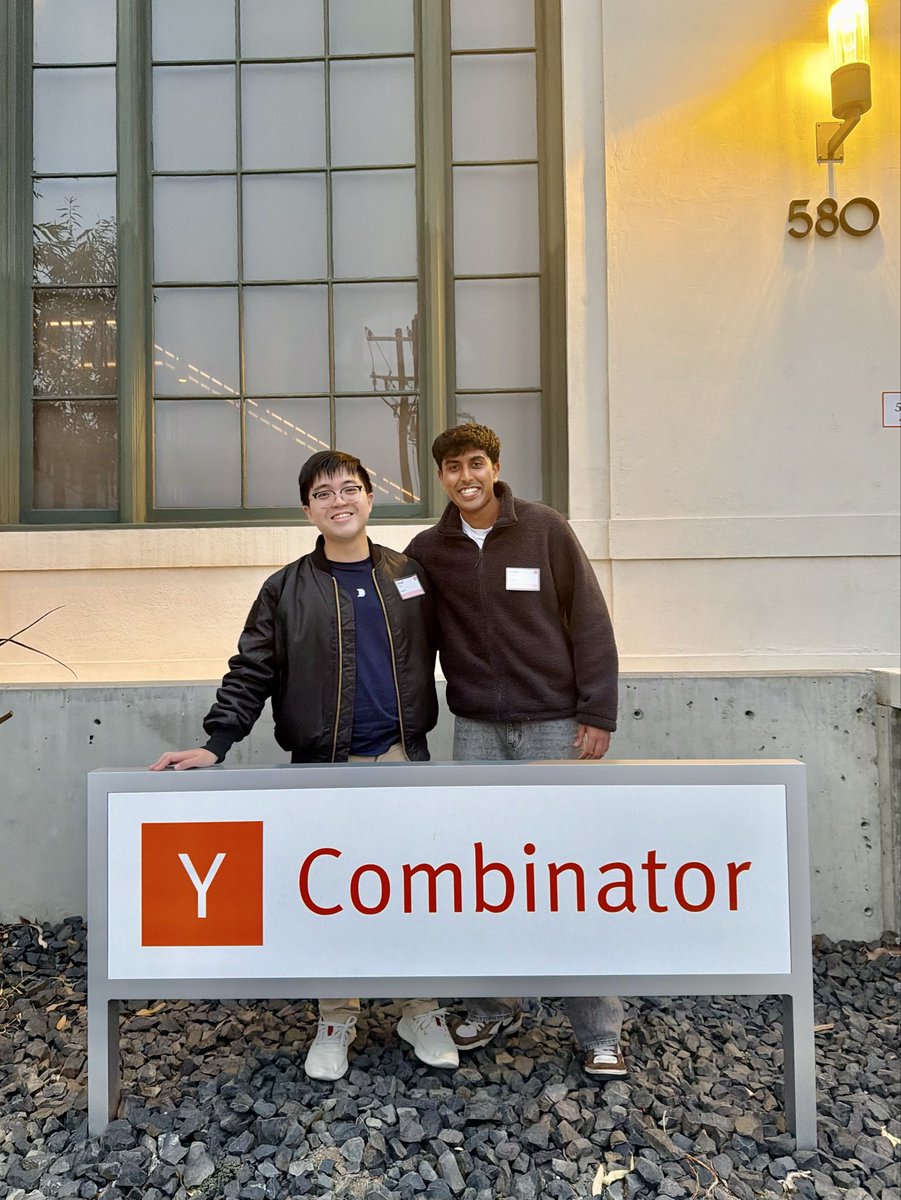
Today, we’re launching @daqstra with @ycombinator.
Daqstra turns complex test infrastructure into an AI-native operating layer.
We’re Anchit and Darell, the founders of Daqstra.
We first met while testing liquid rocket engines in the Mojave Desert, where we realized much of the friction wasn’t the engines—it was the infrastructure around them.
We thought building a cryogenic rocket engine would be the hard part.
It wasn’t.
The real bottleneck was everything around the test: fragmented hardware, brittle scripts, manual procedures, redlines, and hours spent digging through logs.
So we built Daqstra: an AI-native test orchestration platform that brings hardware, live data, procedures, automation, and analysis into one place.
Today, we’re excited to share that Daqstra is part of Y Combinator S26.
If your team runs complex physical tests, we’d love to talk.
The goal hasn’t changed: make physical R&D as fast and iterative as software.
If your team runs test campaigns and feels the same friction we did, we’d love to talk — we’re onboarding a handful of early customers now.
— Darell & Anchit
It feels like yesterday we were building this in a basement workspace — just the two of us and a pile of hardware, writing code between test runs and driving back and forth between the desert and our university. Now we’re taking it to enterprises everywhere.
A glimpse of what’s next.
We’re already building this for real test engineers.
This is where test infrastructure is going.
Visualized with AI. Edited by humans.
#deeptech
Physical R&D generates massive amounts of data, but most of it gets trapped in one-off rigs, scripts, and programs.
Our AI-native data layer turns raw signals from real-world tests into structured data teams can reuse and build on across their organization.
We’re live today in rocket test stands and advanced hardware teams— and we’re just getting started!
@JasonrShuman Love this. The curious thing is, in our experience, some VCs tend to categorize us into the sum of parts rather than seeing how they compound. Wish they could see what they’re missing out on.