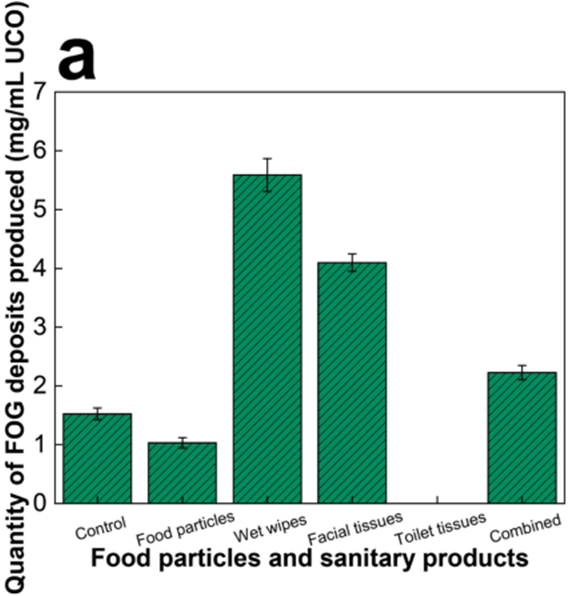
@IDontFlushNews And this, fresh off the press: the deposition of FOG from used cooking oil (UCO) is significantly increased in the presence of wet wipes and facial tissues!
https://t.co/q35HlPg4CR
@Gane_64 Mada deluje tako posto se sve desilo za manje od dve sekunde, sajle na desnoj strani su se prve otkacile, dovodeci do preopterecenja i pucanja ostalih.
The #CityOfTO is consulting the public on new and expanded stormwater management incentive programs for private properties. We encourage residents to provide feedback on potential incentives to help reduce runoff and protect properties.
Have your say on #Toronto's stormwater management incentive programs. The #CityOfTO is looking for feedback on ways to manage stormwater and help prevent basement flooding on private properties. Your input will help shape potential programs.
Learn more: https://t.co/IC3b0s6JU3
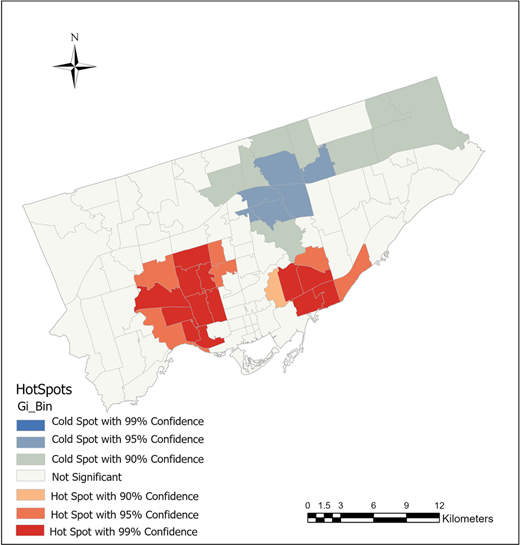
🚧 Sewer blockages can cause backups, overflows, flooding, and environmental contamination. This Toronto-based study identifies the factors contributing to blockages and highlights opportunities to improve inspection and maintenance ➡ https://t.co/DTuBHzUSvh
#Water#Sewage
The 2023 data is in!💧🔬
The site report cards are one-page summaries of the previous year’s water quality and relevant environmental observations, broken down into Water Quality Grades and Key Facts.
Visit https://t.co/07F6166eEC to dive into the reports and learn more!
@311Toronto Yet even a consultation process to offer incentives to (at least) large stormwater contributors, while providing a system for stormwater charges that is far more fair than the current one (based on water usage), got shut down...
The 4000 year-old network of ceramic water pipes unearthed at archaeological site of Pingliangtai on Central Plains of China represents an unprecedented social and environmental manipulation as Neolithic societies faced surging environmental crises in East Asian Monsoon region :-
Ancient ceramic water pipes in China show neolithic people accomplishing complex engineering feats communally, without centralised authority. The pipes are 4000 years old, dating back to Longshan period (3000-1900 BC) of Chinese society. Also known as Black Pottery Culture, Longshan period marked transition from independent neolithic communities to China’s first dynastic states which emerged more than 3000 years ago. Team of archaeologists found oldest known ceramic water pipes in China, demonstrating that locals were capable of major feats of engineering without centralized state government. The findings are described in a study published August 2014, in the journal Nature Water.
A network of ceramic water pipes and drainage ditches at central Chinese walled site of Pingliangtai show signs of cooperation among the neolithic community to build and maintain water system, according to a study published in Nature Water. There is no record of centralised power or authority in region during that period. About 500 people would have lived in neolithic Pingliangtai. Town was surrounded by protective earthen walls and a moat. It sits on the Upper Huai River Plain. 4,000 years ago, region saw major seasonal climate shifts. Summer monsoons regularly saw 500mm of rain fall monthly. Managing such deluges would have been critical for region’s inhabitants.
Pingliangtai’s neolithic occupants built and operated a two-tier drainage system unlike anything on Earth at the time. Drainage ditches running parallel to rowed houses diverted water from residences to a series of ceramic water pipes that carried water into town’s surrounding moat. The pipes have a diameter of about 20–30cm and are made up of 30–40cm segments that slot into each other to carry water over large distances. Pingliangtai’s drainage system is unique for its primary function to divert flood waters. Other water infrastructure from this period around the world tended to be used for sewerage or other purposes. While it is unclear exactly how labour was divided, lack of any evidence of centralised power at the time suggests that townspeople worked together to build and maintain the structure.
“The discovery of this ceramic water pipe network is remarkable because the people of Pingliangtai were able to build and maintain this advanced water management system with stone age tools and without the organisation of a central power structure,” says senior author Dr Yijie Zhuang from University College London’s Institute of Archaeology. This system would have required a significant level of community-wide planning and coordination, and it was all done communally.
Previously, it has been assumed that complex water systems in ancient societies would have required strong, centralised governance or even despotism. India’s Indus River Valley contains the world’s oldest known water pipes. Copper pipes ran through a palace complex around 4000–3000 BC. Around the same time, ancient Egyptians and Minoans had established vast networks of underground water systems. These systems predated impressive Roman aqueducts by nearly 4000 years. They also emerged in societies that fit conception that only communities led by congregated authority saw building of complex water systems. “Pingliangtai is an extraordinary site,” says co-author Dr Hai Zhang of Peking University, China. “The network of water pipes shows an advanced understanding of engineering and hydrology that was previously only thought possible in more hierarchical societies.”
#archaeohistories
Did you know that even wipes labelled "flushable" may not dissolve and can clog your pipes?
Best to dispose of them in the garbage.
For more on what not to flush, visit https://t.co/PvcJBg5q3g.