Researcher at Suicidal Behaviour Research Lab (SBRL), University of Glasgow. Interested in women's suicide risk, particularly during the perinatal period.
Our new paper, ‘Mental health disorders, childhood adversities, and recent stressors as risk factors for non-suicidal self-injury and suicidality among LGBTQA+ higher education students’.
Thanks to supervisors, and co-authors.
https://t.co/Tpfmbzh5a6
We are recruiting UK-based men aged 40 to 65 years for our @ucl research study to find out what they think of our video: Men Talking About Suicide. Funded by a @GrandChallenges award. Closes 30/06/25. Click on this link to read more https://t.co/ASEu6O8FbI
We are asking clinicians working in #mentalhealth care to take part in a survey examining the impact of patient suicide on well-being & clinical practice. If you've experienced the death of a patient by suicide & would like to take part see here https://t.co/WYeIFJUdVA
Please share!
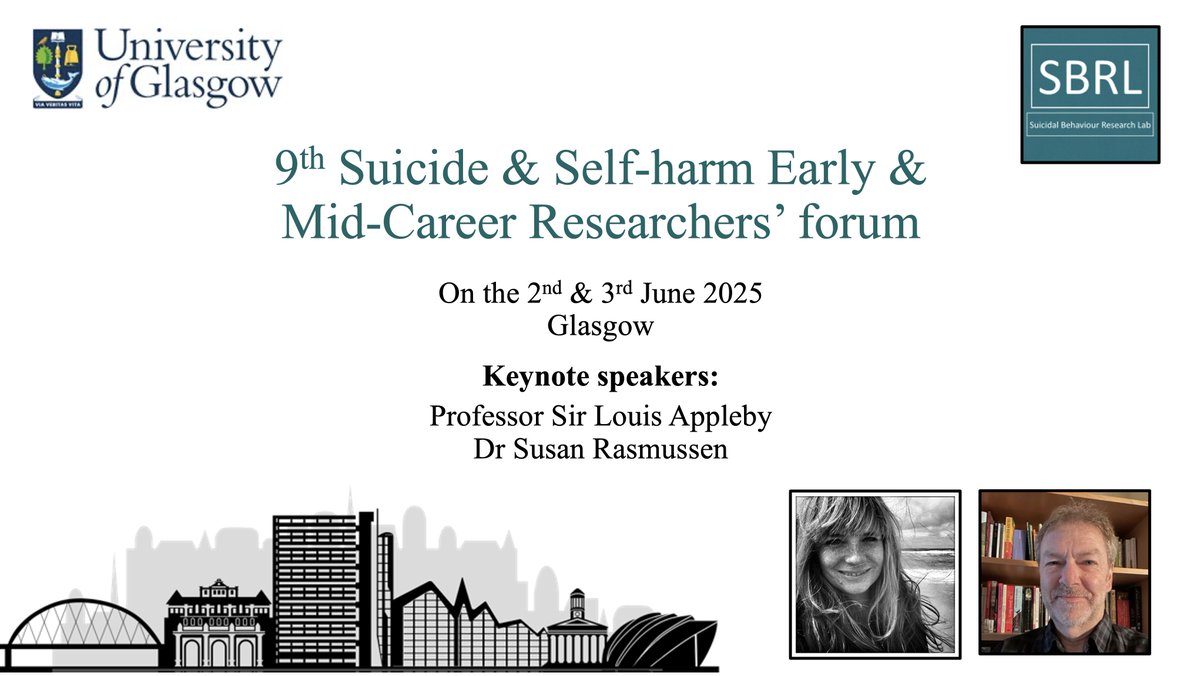
Registration deadline for the brilliant Suicide & Self-harm Early & Mid-Career Researchers' Forum is fast approaching:
Closing date: 9th May
🔗https://t.co/est1BLBEm3
#EMCRF2025
We're delighted to share the paper describing the development of Scotland's national Distress Brief Intervention (https://t.co/TfDBk0grml)
A completely new way of responding to people in distress to ensure they receive connected, compassionate support as soon as they need it.
More than 82,000 people across Scotland have received DBI since its inception and it is currently being trialled in Australia and England.
Funded by @scotgovhealth, it is a real multi-agency team effort under the fantastic leadership of Kevin O'Neill
🔗https://t.co/VaxdE8utFl
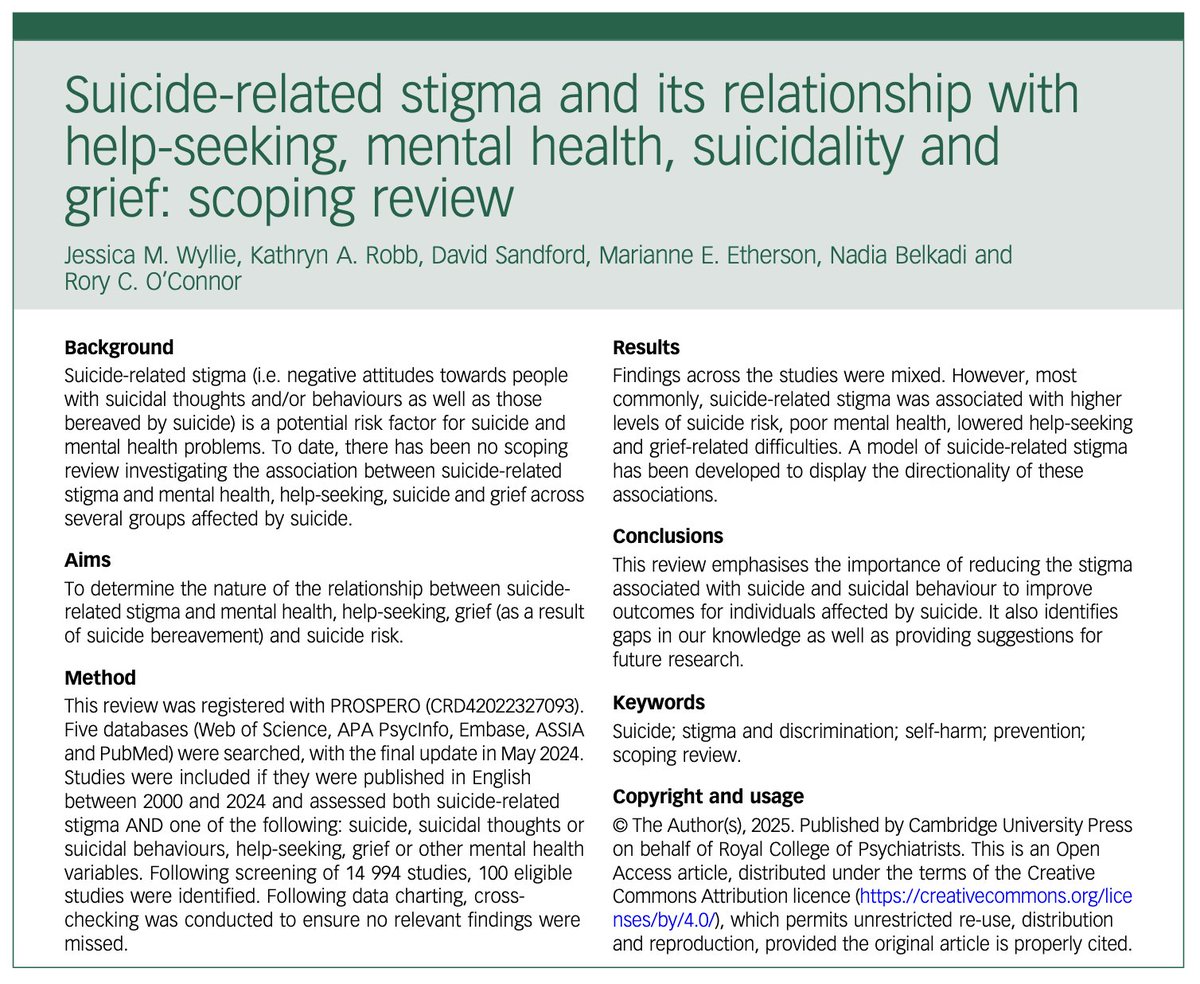
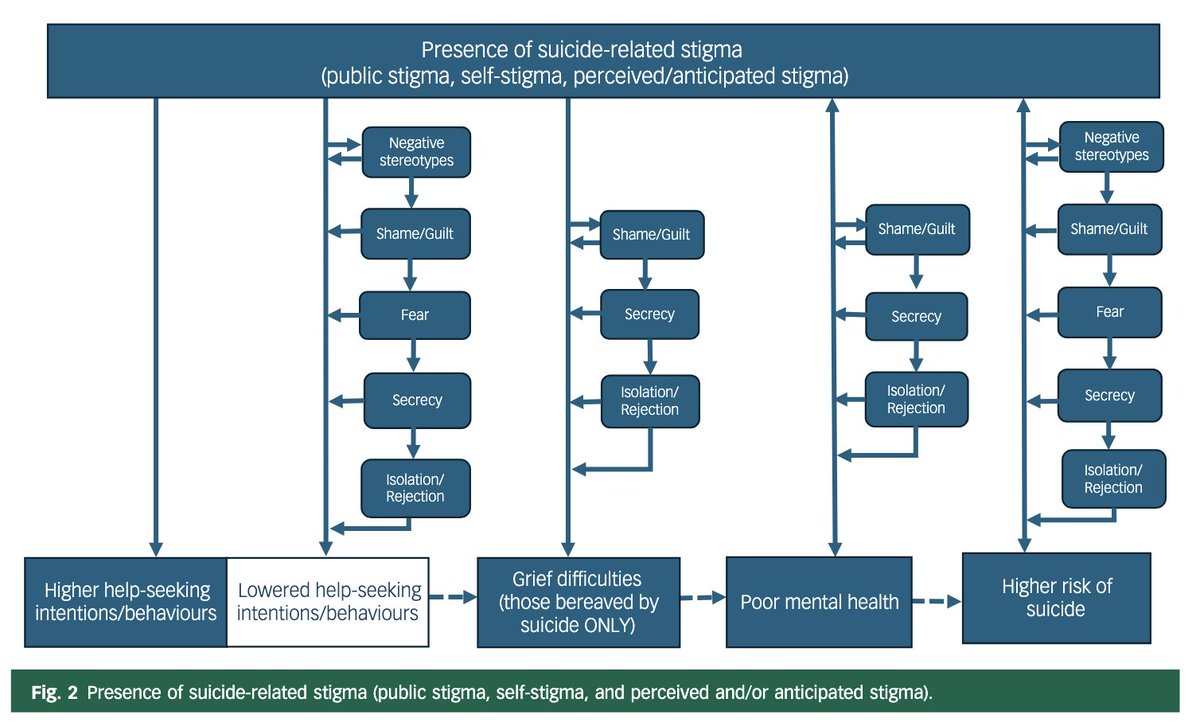
New study led by @JessicaWyllie98 on the complex relationship between suicide-related stigma and
help-seeking, mental health, suicidality and
grief - funded by @SAMHtweets
🔗 https://t.co/fGrs5LV70P
Registration for the Suicide & Self-harm Early & Mid-Career Researchers' Forum will open next week.
We have fantastic keynote speakers and new this year, there will be two pre-conference workshops in addition to the regular programme.
@ProfLAppleby@SeonaidCleare @derekdebeurs @HazelMarzetti
#EMCRF2025
Nadia Belkadis blog on male suicide in the construction industry is worth the read! A very important topic to be encouraging discussions on.
Follow the link to read: https://t.co/CMeugMQ0Yw
Important blog by SBRL's @JessicaWyllie98 about the negative effects of suicide stigma. "Participants expressed their desire to keep their experiences of suicide a secret: “I didn’t even want to say the word"
Februarys blog written by myself discusses suicide-related stigma and it’s consequences. It highlights the importance of using sensitive language and reports findings from our recent scoping review. Follow the link to read: https://t.co/NfoxqY66z5
🆕 Please share
9th Suicide & Self-harm Early & Mid-Career Researchers' Forum
The Call for Abstracts is now open.
Closing date 31st March 2025.
If you are an early or mid-career researcher working in the field of suicide or self-harm, this conference is for you.
It's the only Forum of its kind anywhere internationally.
All welcome.
🔗https://t.co/TgMXNnGgFf
Check out Januarys blog post by our very own James Glass - @Vet_James
An interesting discussion of the risk factors of suicide for individuals working or studying within the veterinary profession.
https://t.co/k28KbCnXXI
📢New Cognitive Interview Study!📢
We are looking for mothers of:
- Premature (<37 weeks' gestation) infants who HAVE NOT been admitted to the NICU
- Premature (<37 weeks' gestation) infants who HAVE been admitted to the NICU
- Term infants who HAVE been admitted to the NICU
Please share!
Exciting fully funded PhD opportunity.
Are you passionate about understanding and preventing suicide?
If so, why not consider joining us to undertake a PhD generously funded by the Canmore Trust?
Please get in touch if you are interested or have any questions.
🔗https://t.co/wgNK2roGGv
New publication from @MatCHNet_ members in @IJPDS
Novel data linkage for c.200,000 children born in Scotland 2009-2013 shows large social inequalities in health which start from the moment of birth.
Read more: https://t.co/8hWHJcTMwA
🧵@NCISH_UK
are inviting clinicians to take part in our Clinician Bereavement Study. This study will provide clinicians with an opportunity to share their experiences and views on the support they received following the
death of a patient https://t.co/zt9U0Vegs7… 1/3
We're hiring!
Passionate about #PerinatalMentalHealth? Join the MMHA as Campaigns Officer to play a key part in our policy work and help drive impactful change to benefit families across the UK.
📍 Remote
💼 Part-time
🖊️ Apply now: https://t.co/ea3B9YFEoG
#CharityJobs
Stigma can be a major barrier for new and expectant parents and, their families when it comes to seeking help.
Our guidance for healthcare practitioners, commissioners and providers of perinatal and infant mental health services seeks to tackle that.
https://t.co/4uCU39sKPt
Children in deprived areas 4 times more likely to have mental health problems by the age of 11.
Poverty➡️ mental illness
No ringfenced funding for the Child Poverty Strategy.
Rts increased frm 20% to 24% during last Child Poverty Strategy.
Shocking.
https://t.co/uTcKyA02xy
Updated NICE menopause guidelines published today.
While it’s welcome to see HRT as the preferred treatment for the menopause, this is a disappointing update overall. The focus remains primarily on vasomotor symptoms – hot flushes and night sweats – which are, for many women, not the main symptoms of perimenopause and menopause. Most women experience brain symptoms – brain fog, low mood, anxiety, poor concentration, sleep disturbances, memory problems and fatigue – and these are things we know are unlikely to be alleviated in the long term by CBT, as suggested.
The guidelines also do not differentiate between older, synthetic HRT and the natural (body identical) hormones now more commonly prescribed – while the word “risk” is mentioned three times as often than the word “benefit”, these newer forms offer more benefit than risks.
The true risk comes in NOT taking HRT at all, with good quality evidence showing that low hormones during menopause increases the risk of heart disease, osteoporosis, type 2 diabetes, dementia, neurodegenerative diseases, clincial depression, autoimmune diseases and an earlier death. These diseases reduce in women taking hormones and life expectancy increases.
Women deserve to be fully informed and involved at every step of their healthcare consultation to make an informed decision on the right treatment or combination of treatments for them. While we have seen a rise in recent years in access to evidence-based treatments like HRT, a postcode lottery still exists, particularly for those from lower socio-economic backgrounds. Too many women are still struggling to receive HRT, and these guidelines will be confusing for both healthcare professionals and women.
Perimenopause and menopause is sorely under-researched and under-funded, and this must change. In the meantime, women deserve to have a choice, and those who want to take HRT should be able to have it prescribed. That HRT is now the frontline treatment is refreshing, but future documents and consultations must go further to ensure women get the treatment they deserve.
https://t.co/9tut2nB1SO