Manchester Self-Harm Project conducts epidemiological research into #selfharm and suicidal behaviour as part of the Multicentre Study of Self-Harm in England.
Are you a clinician with experience of working with young people who have moved from CAMHS to Adult Mental Health Services? Your clinical experience can help us identify service improvements.
https://t.co/5luKV8LrCX
The NCISH website presents the most up-to-date suicide data, including all the data they currently hold for deaths that occurred between 2012 and 2024 in the UK and Jersey. This is updated on a quarterly basis as more data becomes available
Our website presents the most up-to-date suicide data, including all data we currently hold for deaths that occurred between 2012 and 2024 in the UK and Jersey. This is updated on a quarterly basis as more data becomes available: https://t.co/t5pErZdQXR
We recently held our 12th Annual Conference where we presented findings from our 2026 Annual Report and findings from 30 years of research. Recordings and slides will shortly be available on our website.
You can read the 2026 Annual Report here: https://t.co/cGlVF2wNzp
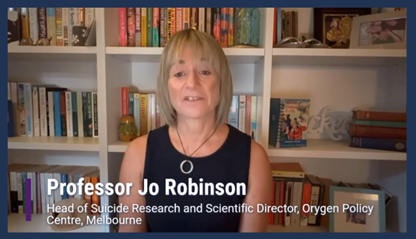
The #NCISH2026 conference was addressed by my former @NCISH_UK boss Prof Jo Robinson, now @orygen_aus suicide prevention research unit lead & current @IASPinfo president. She is a former @NCISH_UK Project Manager from some of the earlier years.
In recognition of 30 years of NCISH, we heard throughout today’s conference from:
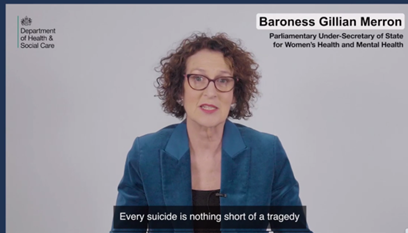
Baroness Gillian Merron
Dr Lade Smith CBE
Angela Samata @Angelasamata
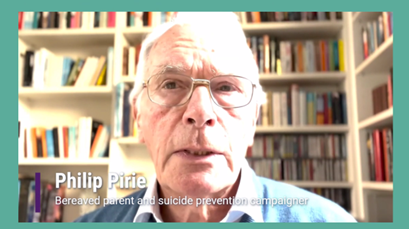
Philip Pirie @philippirie
Professor Jo Robinson
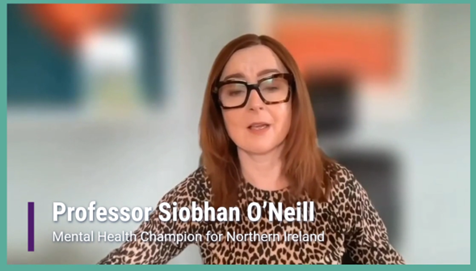
Professor Siobhan O’Neill
#NCISH2026 referencing our @DrCClements@mashproject on self-harm in mid-life. 2 papers: https://t.co/qLIO2cmiem SH in women in midlife: rates, precipitating problems + outcomes & https://t.co/yZTE0UU4t1
The panel was then asked about the impact of hormones on mental health. Prof Kapur mentioned the work of Dr Clements @MASH looking into self-harm in mid-life women. Profs Appleby & John talked about the importance of addressing risk holistically during mid-life #NCISH2026
Martin: an amazing person, clinician + researcher whose family generously provide an annual bursary in his memory. This year it will help make a Nurse Advisory Group with lived experience nurses' PhDs on nurse distress & suicidality related to whistleblowing & workplace violence.
Professor Appleby highlights our NCISH 10 ways to improve safety. There is no single approach to safety, but every Trust and Health Board in the UK should have these services in place #NCISH2026
Feeding our academic research back into frontline services, for the benefit of patients + general public. There is always more work to do to make services safer for vulnerable patients, but we'll keep collecting + analysing data for evidence of what actually makes a difference.
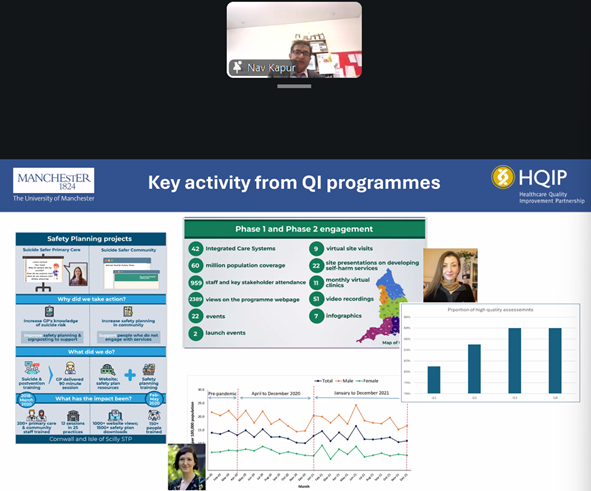
Finally, Prof Kapur talked about some of the QI programmes NCISH has been involved in. These focused on bringing research back to the front line and improve quality of care, and reached all mental health organisations across England https://t.co/B985iBCpCs
Prof Kapur also highlighted the importance of ensuring that research findings are implemented in practice. Services implementing more NCISH recommendations had lower suicide rates and were associated with greater safety #NCISH2026
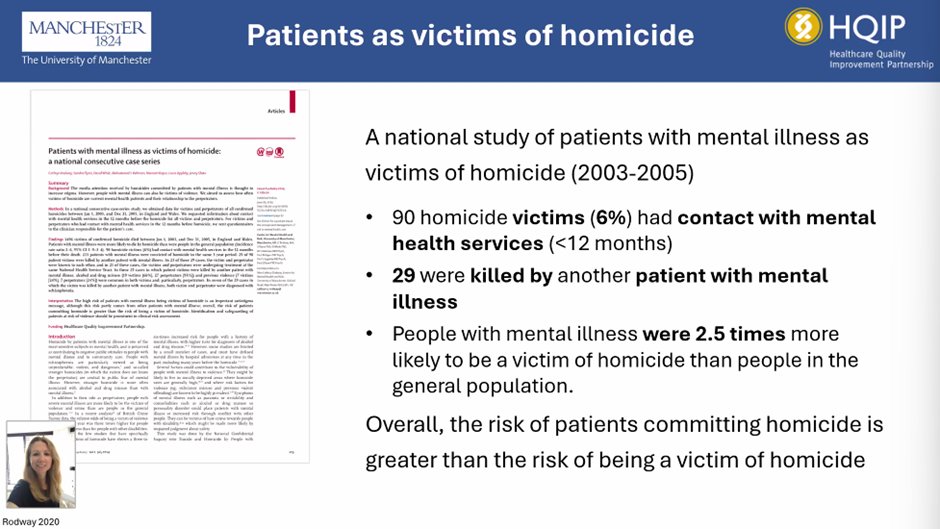
To contextualise the normal media narrative on 'dangerous' mental health patients, it is worth noting that while one-third of MH patient homicide victims were killed by another MH patient, patients were > twice as likely to be a homicide victim compared to the general population.
A third of patients who were homicide victims were killed by another metal health patient. Patients were over twice as likely to be a victim of homicide compared to the general population. Read the full paper here: https://t.co/Lnq9p4JVye #NCISH2026
Professor Kapur spoke about a collaborative paper between NCISH and @mashproject which examined suicide following self-harm and potential sociodemographic and clinical predictors of suicide within this cohort. You can read the full paper here: https://t.co/pTZjlksj4l
You can also read a paper on sociodemographic characteristics and antecedents in middle-aged males who recently consulted a GP before dying by suicide led by our colleague @farazhmughal https://t.co/dVgVWwxYrx
Prof Kapur spoke about a series of papers led by Dr Cathryn Rodway about antecedents of suicide in children and young people. MH professionals should be aware that suicide-related online experience is a risk and is not limited to social media #NCISH2026
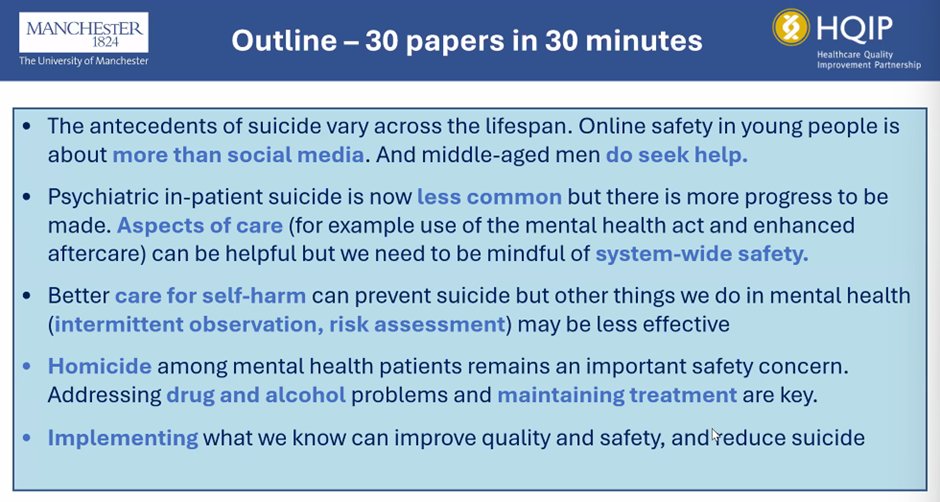
One of our @mashproject staff worked at @NCISH_UK for half of those 30 years it has been going. From all 30 years, Prof Nav Kapur covered 30 papers in 30 minutes at last week's @NCISH_UK report launch.
Our Prof Nav Kapur is now presenting 30 NCISH papers on suicide across the lifespan, in-patients – a key setting for safety, clinical care, homicide by patients with mental illness and how we narrow the gap between what we know and what we do #NCISH2026
Homicides by mental health patients with schizophrenia are low overall but any number is too high for bereaved families + society. Addressing substance misuse problems, engagement with mental health services + treatment adherence has the best chance of avoiding these tragedies.
We have been recommissioned to study patient homicide having not done so since 2018. Key messages from our previous studies highlight that addressing comorbid alcohol/drug misuse & delivering deliver the care plan as intended is crucial to reduce risk #NCISH2026@ProfLAppleby
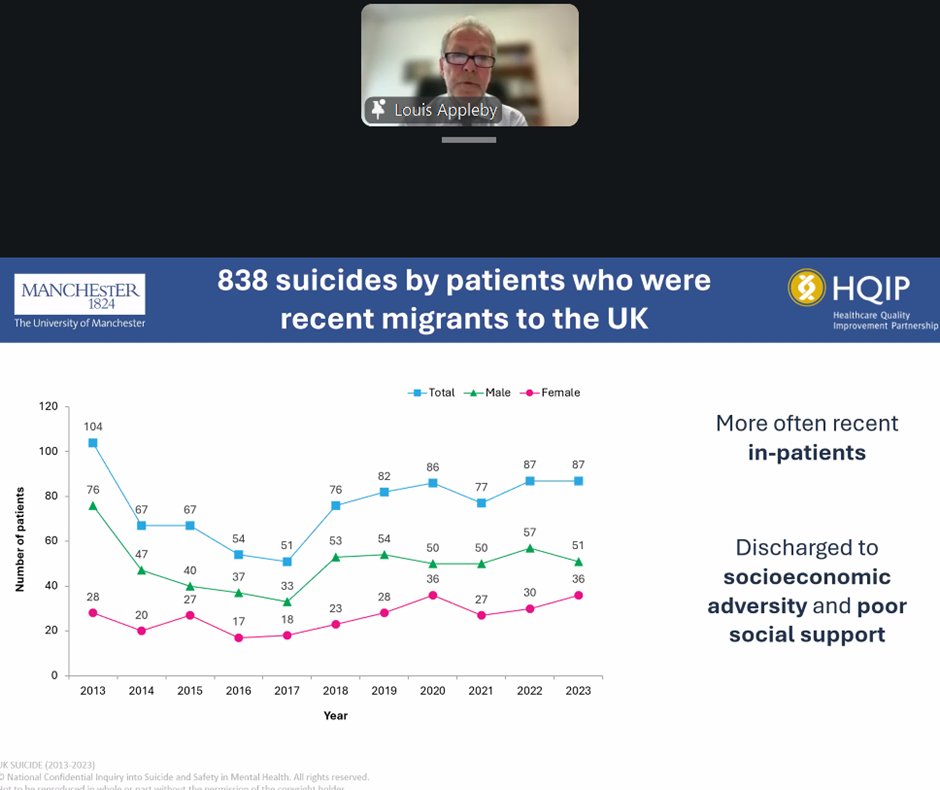
Recent migrants + people with anxiety disorders are two groups experiencing increasing numbers of suicides in the UK. Reasons for increased suicidality in migrants + refugees are complex, but reduced access to mental health care + multidisciplinary support are fixable problems.
Patients who were recent migrants to the UK are a group which has a different profile to other patients. They may find it more difficult to access mental health care and on discharge, have less available multi-disciplinary support #NCISH2026
The first two weeks after psych inpatient discharge remain particularly vulnerable for mental health patients, and day 6 after discharge is emerging as a period of suicide risk.