#Workshop
Small Mammals Big Insights: Ecology, Evolution and Conservation
📆 19-21 November 2025
📍 NCBS, Bengaluru
🔗https://t.co/H4SDR6G063
Registration Deadline: 30 August 2025
✉️ For enquiries, contact: [email protected]
📢#LatestPublicationAlert !
@ansilbr2009 & team from @uramakri's lab have identified five novel adenovirus lineages in Rattus satarae, an endemic forest-associated rodent species in the Western Ghats.
Read here: https://t.co/KFD0iW3uI7
🎉Congratulations to the team!
@DAEIndia
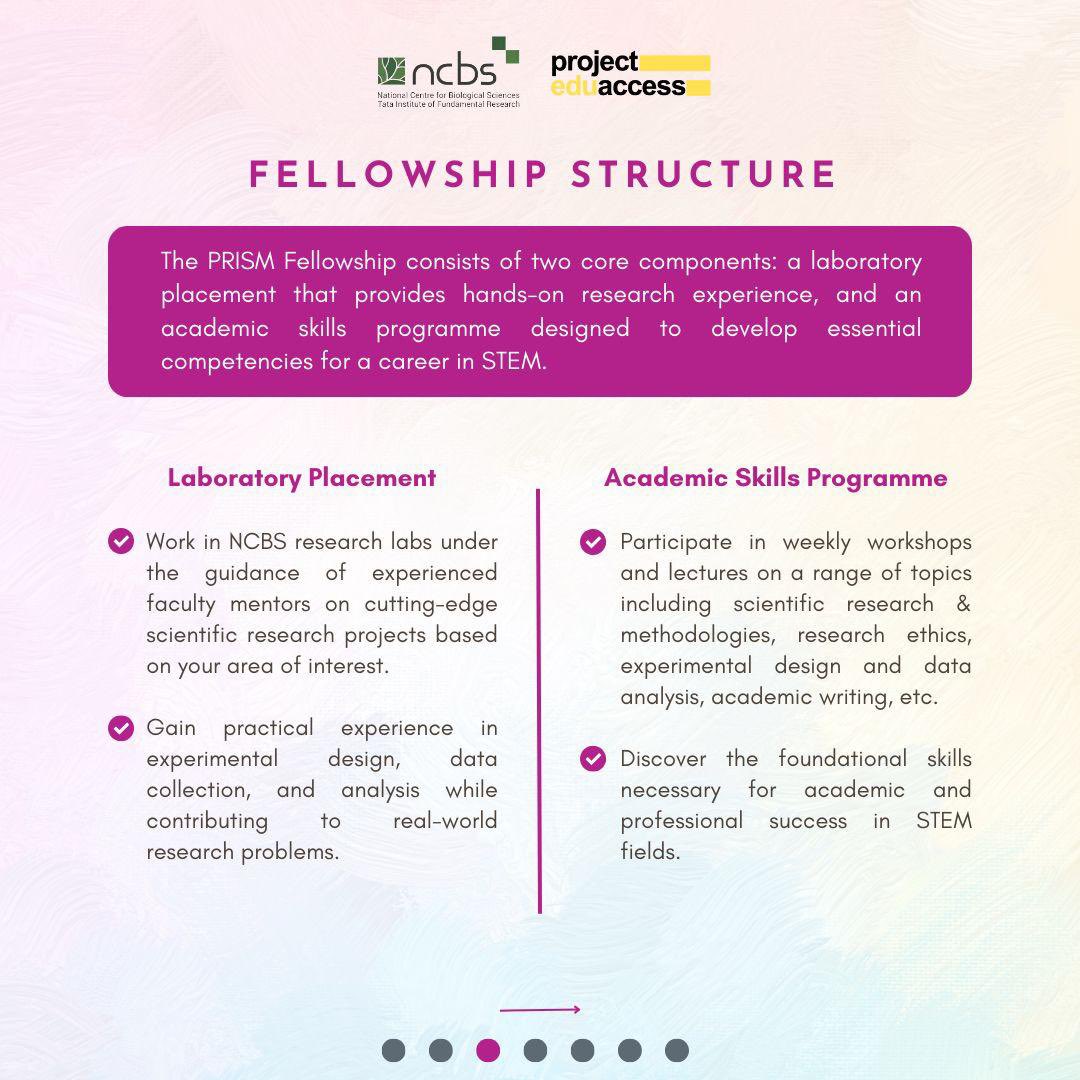
We’re excited to collaborate with @NCBS_Bangalore to launch the PRISM Fellowship (Promoting Research and Inclusion in STEM). It offers an unparalleled opportunity for students from disadvantaged backgrounds to gain research experience, academic skills & mentorship at NCBS.
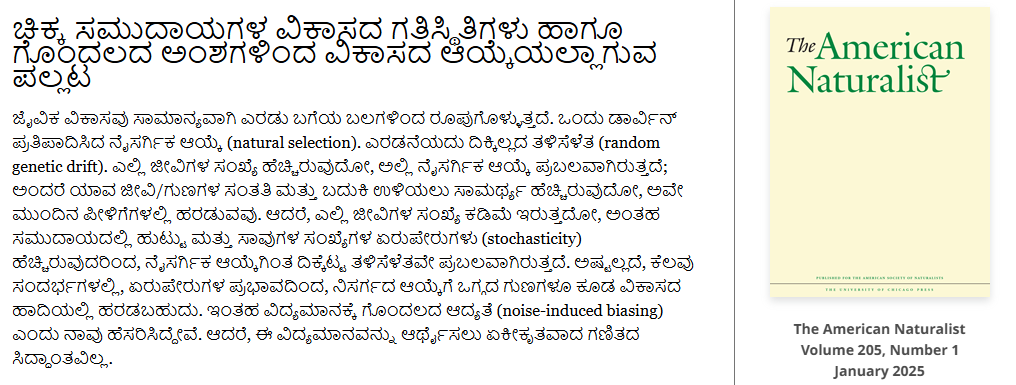
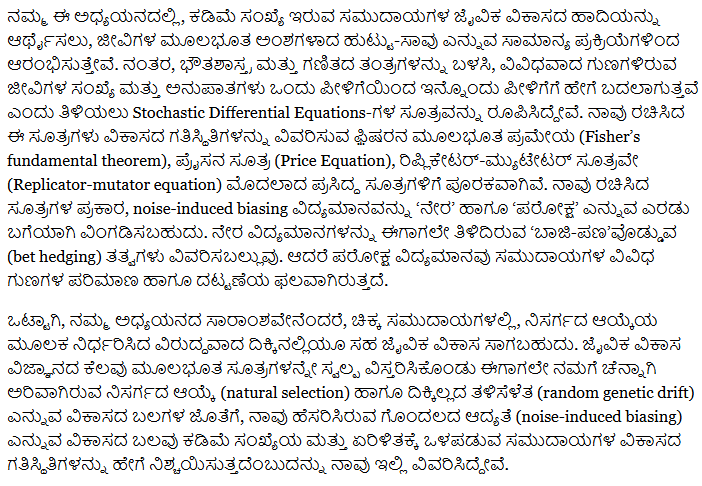
We have a Kannada abstract for this work, which appears on the Am Nat website.
It was pretty challenging to come up with Kannada terms, but thanks to amazing Kollegala Sharma @kollegala, as always.
What is ancient DNA? Can biologists go back in time to look at lost genetic diversity in a species? @uramakri in @NatureInd Podcast talks about how tiger trophies can give us a glimpse of the past and inform tiger conservation in future.
Tune in now!
https://t.co/de86962Nql
New paper with Viktoriia Radchuk, @ksuryawanshi & @voigtbatlab . The last from my PhD at @IZWberlin and the 1st with my new workplace @ncfindia
Mountains are hard to work in, bats are elusive. How well do we know bats that occur only in mountains?
https://t.co/iDKcDYcYnt
🔴 A recent study on long-term surveillance in #Vietnam reveals that live bird markets pose a significant risk, harboring high levels of avian influenza A viruses, including dangerous H5N6 strains. https://t.co/qwOzOcJfdG
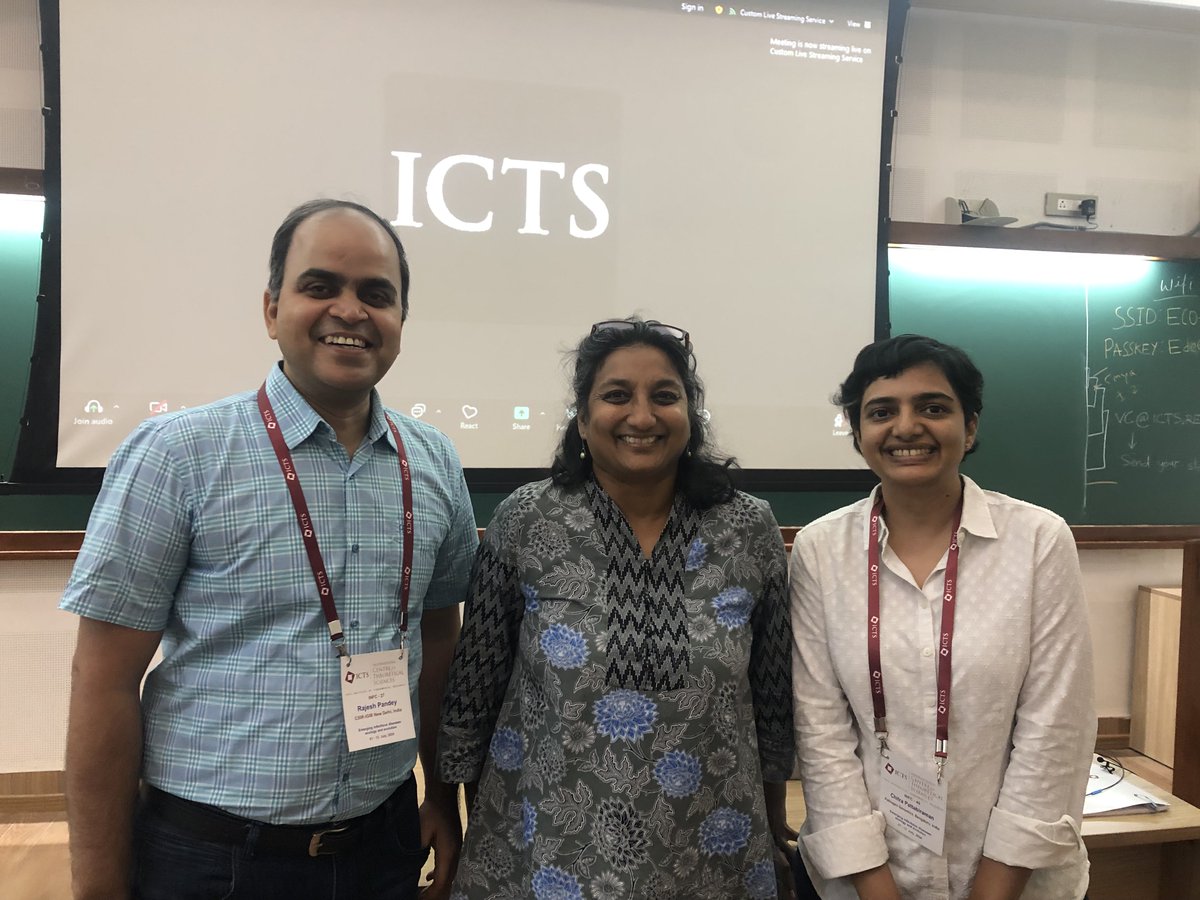
!May 2021! Peak of the 2nd wave, with @RajeshPandayLab and @virology_chitra, and many collaborators we proposed a program to explore unknown potential pathogens in northeast India. 2024: we met @ictstifr for https://t.co/cRswca7Ir6. 3 years, waiting, but still working together!
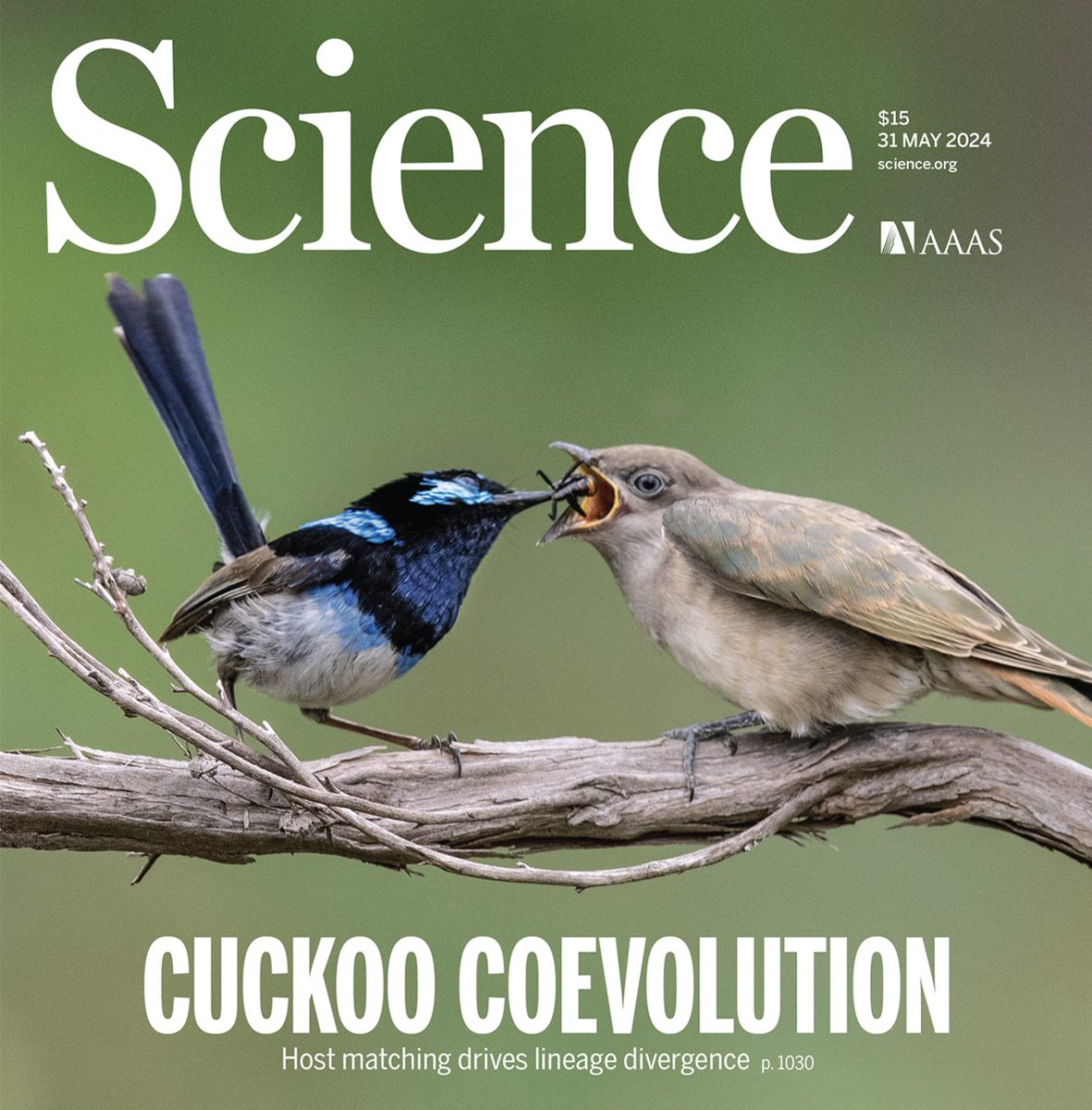
Hot on the heels of the Giant Hummer paper in PNAS, another big-hitting bird speciation story appears, this time gracing the cover of Science. Langmore et al. show that coevolution between parasitic cuckoos and their hosts may drive sympatric speciation. https://t.co/K8NVfFctaB
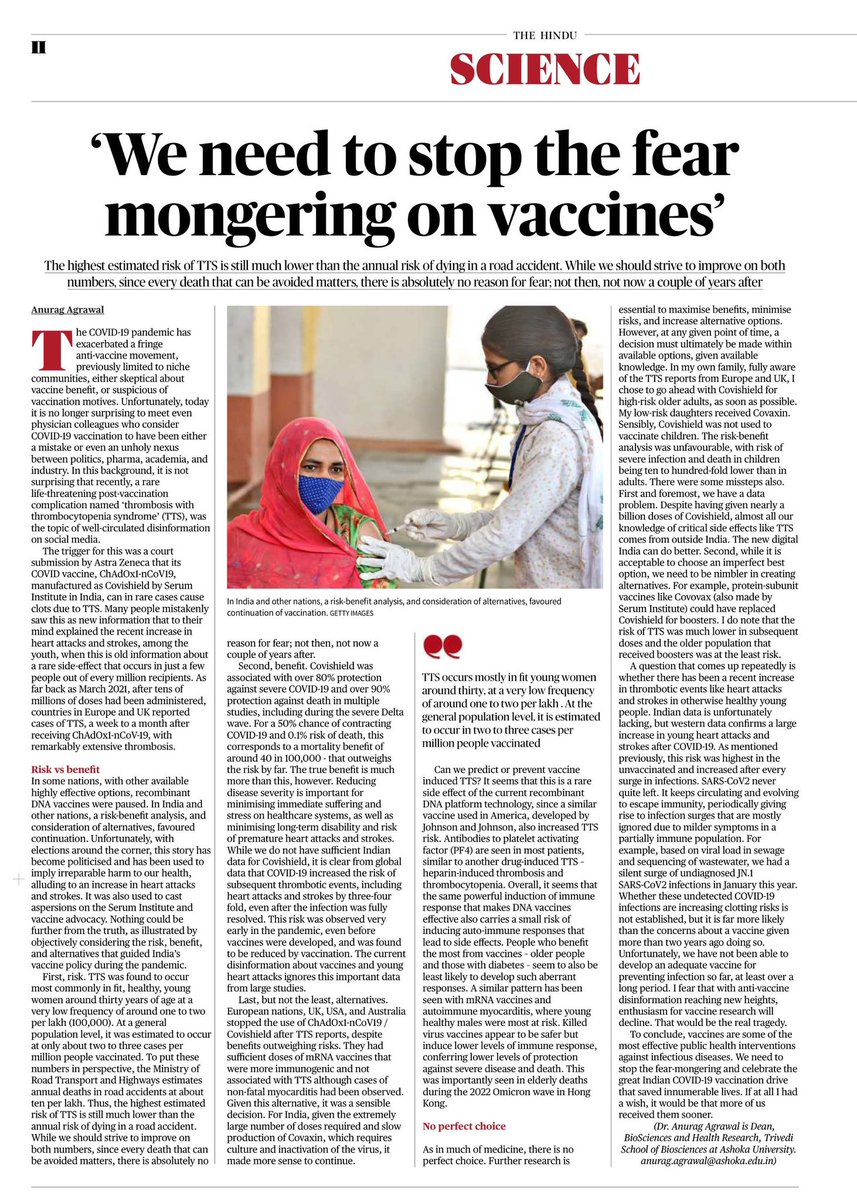
While Covishield is no longer relevant today, it served its purpose well despite rare side effects. I just wish that more had got it sooner. I also wish that we could keep politics away from vaccines. @TSB_Ashoka
In our latest version of ViralZone (April 24), all virus profiles are now linked to @NCBI virus. This resource is a community portal for viral sequence data from RefSeq, GenBank and other NCBI repositories.
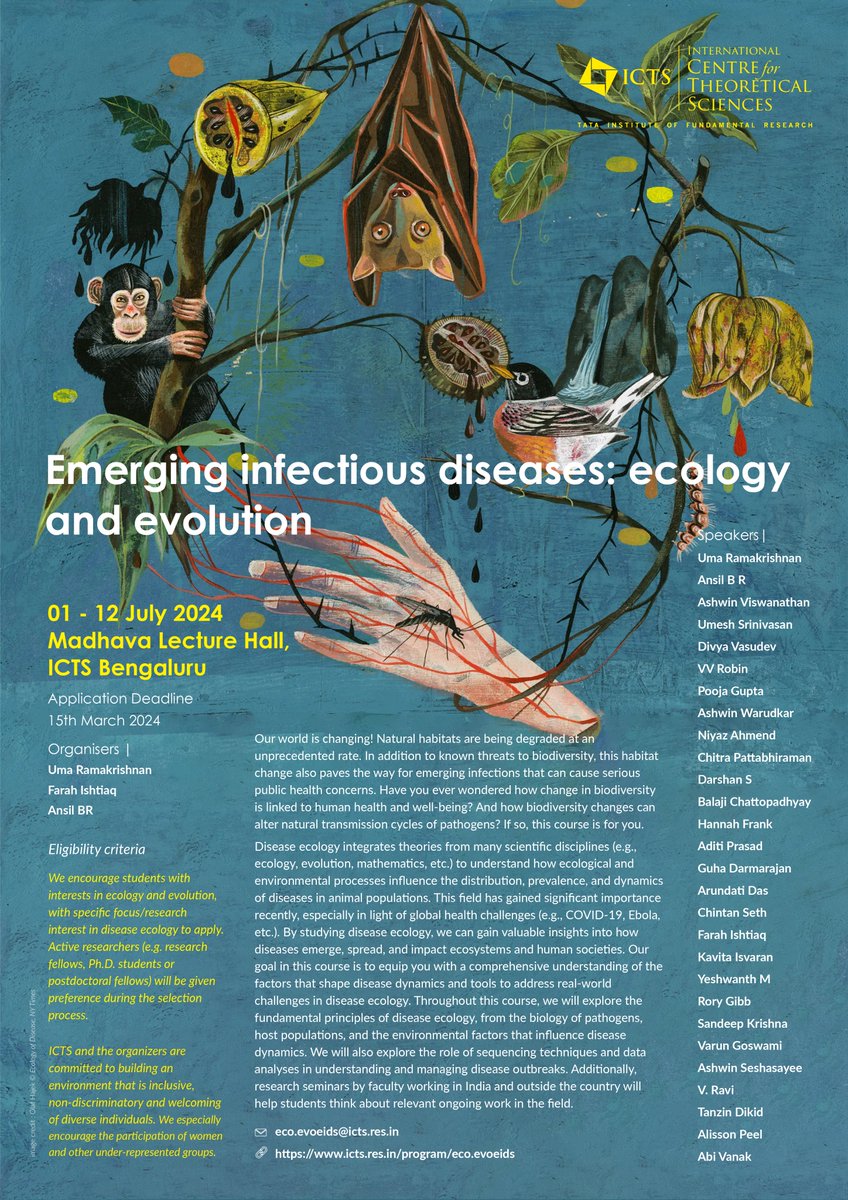
Very excited to be co-organising a workshop on 'emerging infectious disease:ecology and evolution'. July 1-12, 2024!
https://t.co/YswC2kiwmI
Applications open! https://t.co/5Hu1V7qDR6
with @fishtiaq@ansilbr2009 and supported by @ictstifr.
Amazing adventures that lead to amazing science! But time to say goodbye.. Also time for a new field vehicle. @anandmahindra, please help us continue our research on endangered species. Field vehicles are expensive, yet critical to molecular ecology and conservation research!
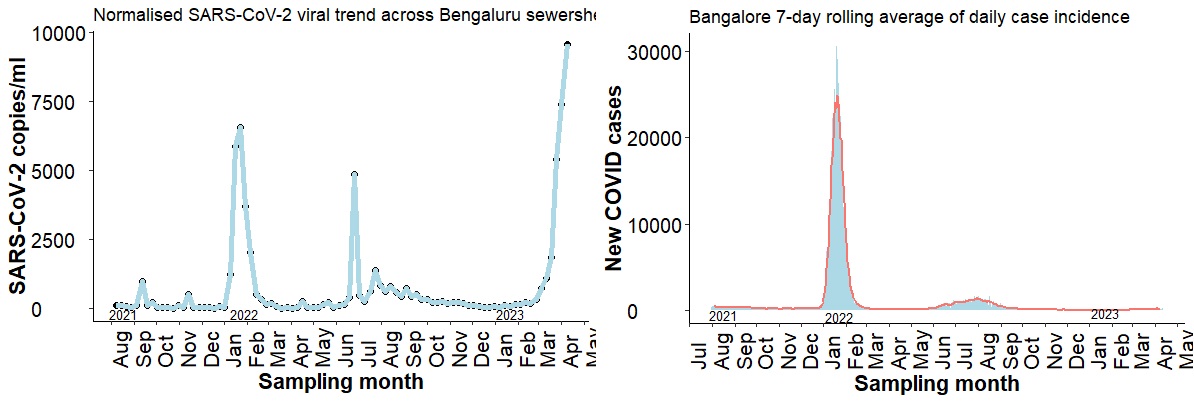
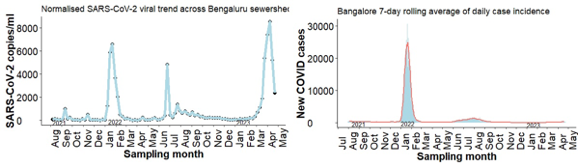
It appears that an invisible wave of COVID-19 has just passed. Vacccines and hybrid immunity have done a great job. Wastewater surveillance helps us "see" even the invisibles! The environmental surveillance should be a regular component of our healthcare system.
#Realtime#SARSCoV2 in sewershed sites wastewaters & reported COVID-19 cases. The viral load has been constantly high, above the threshold line
Wastewater surveillance helps to keep track of emerging pattern in #SARSCOV2 & must be used as a complementary tool to clinical testing
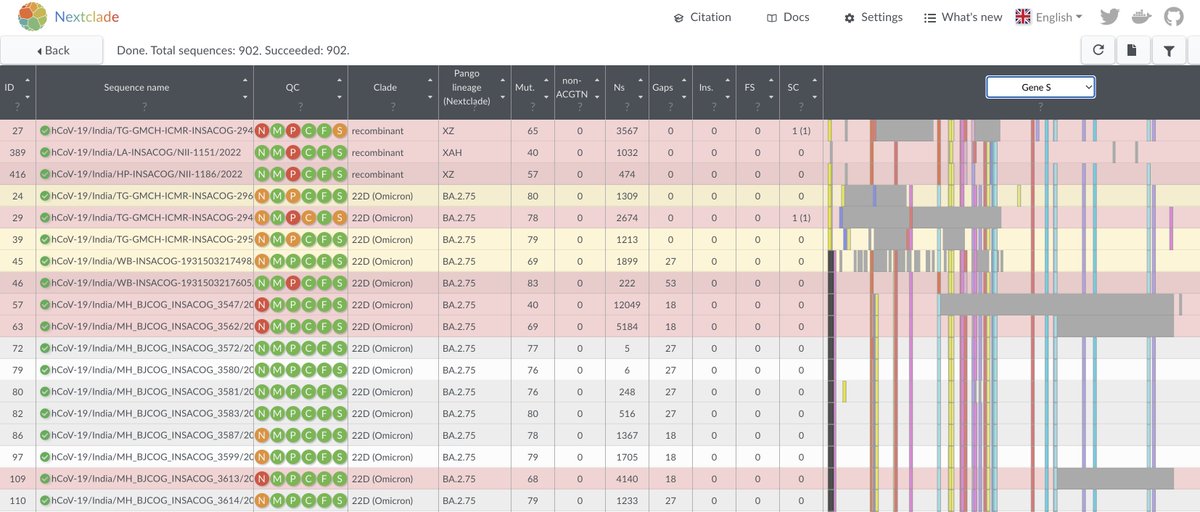
Genomic surveillance reveals circulation of multiple variants and lineages of SARS-CoV-2 during COVID-19 pandemic in Indian city of Bengaluru https://t.co/nOcO4fQfWI #bioRxiv
Amazing day at @ddnandankanan with @Vinay_Sagar8 and Rajesh Mohapatra. Wow! just look at the signage outside the black tiger enclosure! Amazing to have been a part of this discovery, and to share it with the public! The QRcode even links to the @PNASNews paper.