The Year of Me
Since the industrial revolution, humanity has been obsessed with economies of scale. That mindset unlocked incredible things: cheaper food, better shelter, global transportation.
But my big idea is that 2026 is the year this flips.
Generative AI makes true personalization cheap, fast, and universal, turning the “economy of scale” into an economy of self.
Ask yourself: What happens when the most important products stop being mass-produced and start being made bespoke... for everyone?
- What if education finally adapts to each child, with students learning at their own pace, getting extra support when concepts are hard, and advancing quickly when they’re ready? Mass classrooms force everyone into the same mold. Personalized learning lets every child reach their full potential.
- What if wellness became truly individual? Instead of expensive personal trainers or lowest-common-denominator supplement packs, we could have dynamic, AI-generated health stacks tailored to your biology and updated in real time using wearable data.
- And what if instead of being captive to a one-size-fits-all algorithm, your news, shows, and stories instantly adapted to your interests, values, and preferred tone?
The biggest companies of the last century won by finding the average consumer.
The biggest of the next century will win by finding the individual inside the average.
2026 is the year the world stops optimizing for everyone, and starts optimizing for me (and you!).
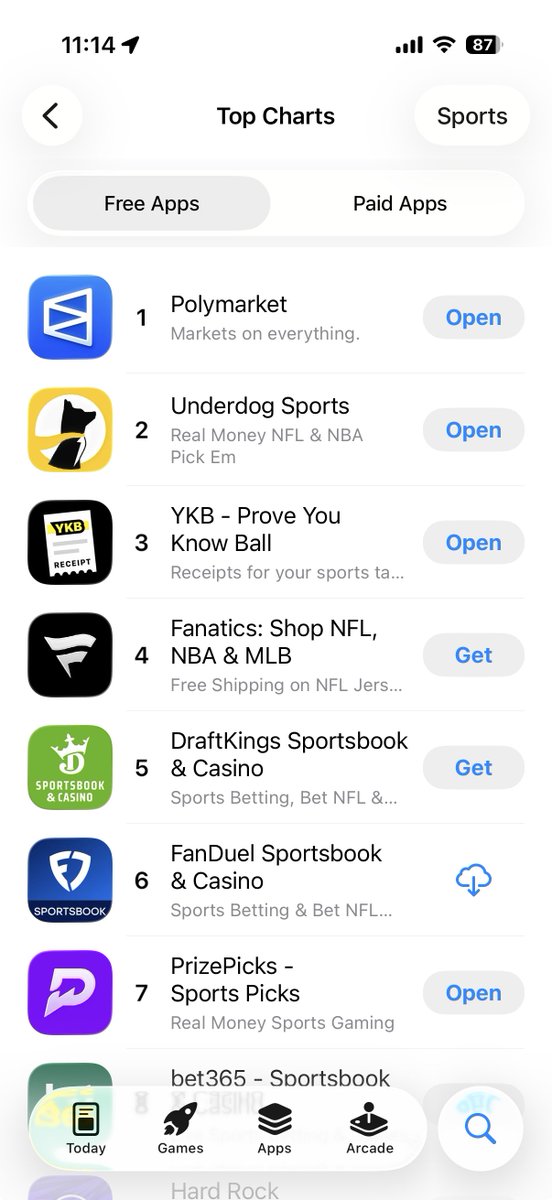
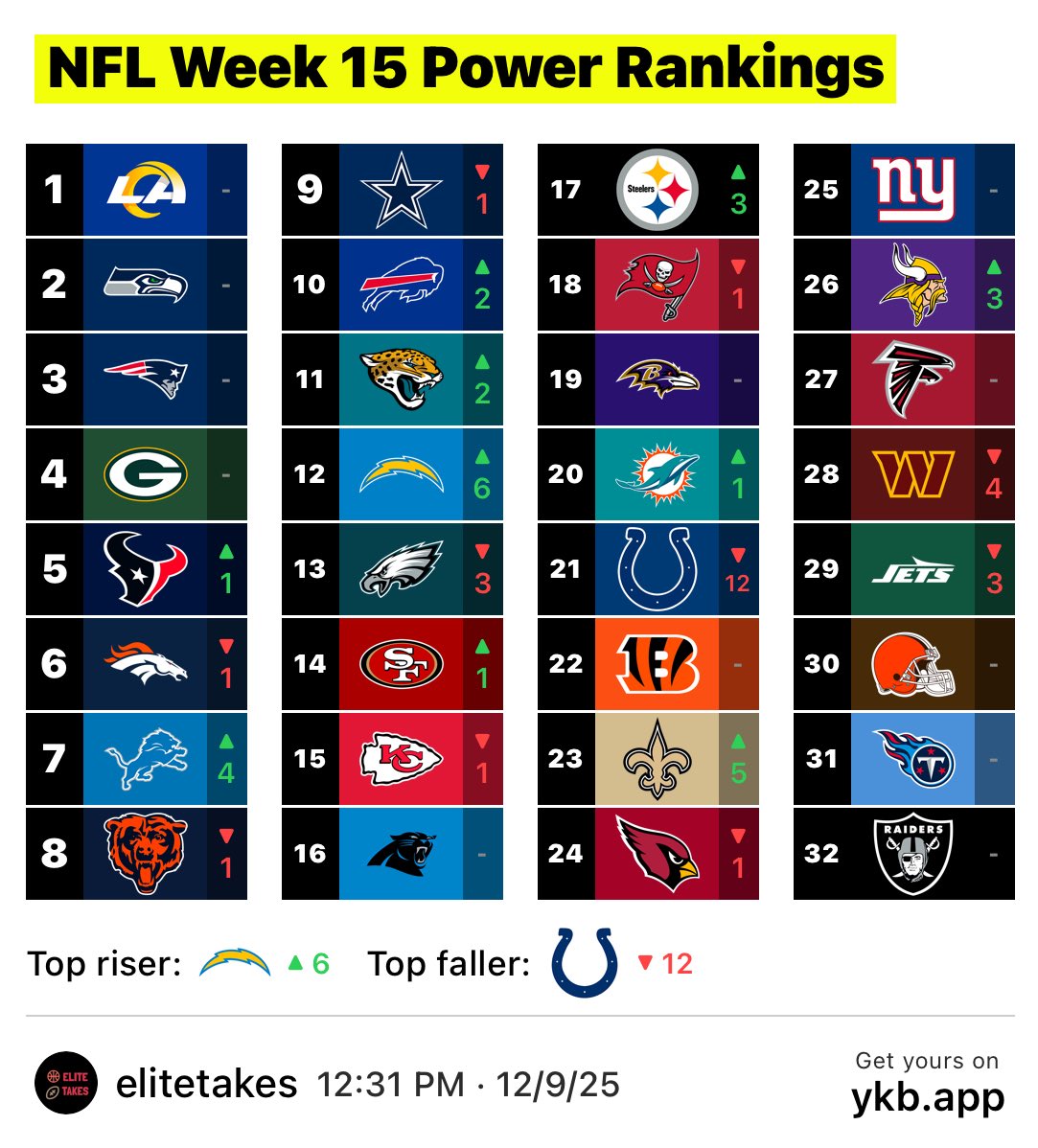
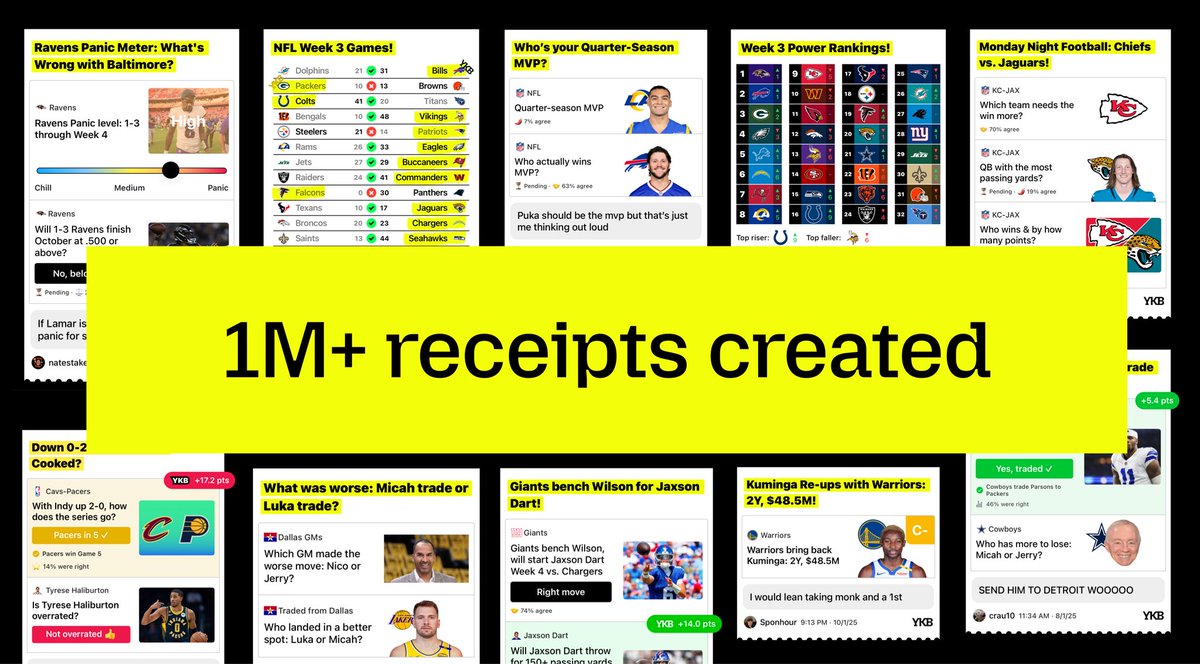
Pretty amazing to see @ykb_app ripping up the sports charts and passing betting apps with a product that is just about having fun and having the best takes
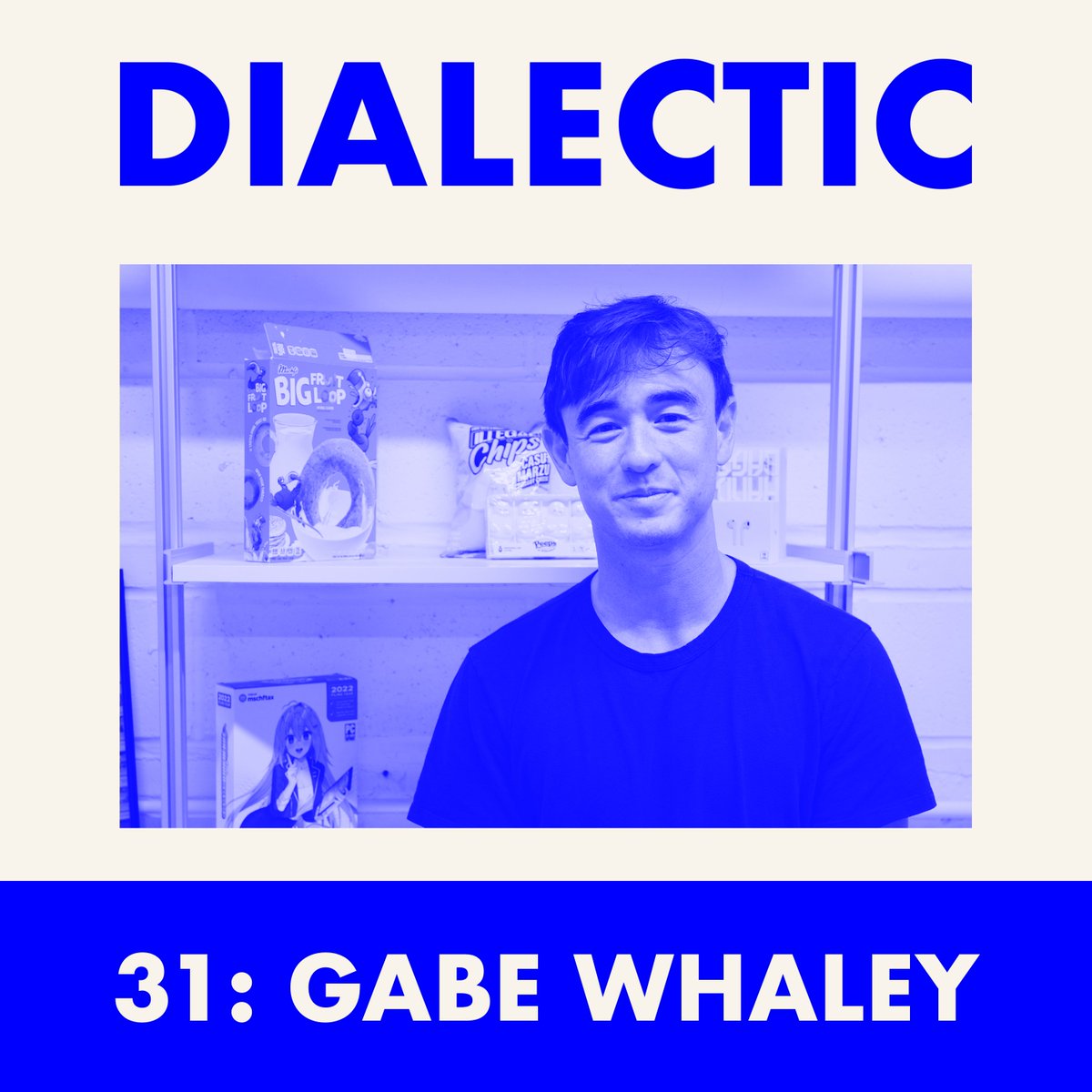
I'm going full time on @dialecticpod with the support of @notionHQ.
A few thoughts on what the future holds, what Dialectic means to me, and why Notion is the perfect presenting partner:
A year ago, I started interviewing some of my smart friends without much of a strategy. I quickly realized that despite the lack of a grand plan, it was easy for me to *care* a lot about it, especially the preparation to make sure I could meet the guest deeply in their ideas and push them to go a bit further.
Over the course of the last year, I found Dialectic to be the ideal vehicle for me to:
(1) commit to something and compound in a specific direction
(2) still maximize serendipity and get to follow my curiosity in many different directions
(3) spotlight people I believe in and want to amplify
(4) produce something that, in its most aspirational sense, is of service: whether that is to my guests or my listeners, in helping them grow, expand, learn, or shine.
I'm so grateful that I get to pour all my energy into just that. As I look ahead, I've been reflecting. Dialectic isn’t always legible, but I’m starting to get a better sense of what defines it.
Not everyone I talk to explicitly makes things, but most of them do. While I don't deliberately pursue a specific kind of guest, there are a few themes that run across my conversations. I think they explain why Notion is such a perfect partner for me, but I'll get to that in a moment:
The first is about where ideas meet action. I love ideas, and I love reflective people. But I've increasingly come to appreciate the thinkers who make sure all that thinking results in doing. Introspection paired with agency. People who understand the power of ideas, but who care most about the ways they meet reality. People who seek to understand themselves as means toward asserting themselves upon the world.
The second is craft. Craft is always aspirational: it is what appears when we care just a little bit more. When our taste is deployed. A human touch. Craft can be the object of creation but it can also be the way we create. When the creator can really *feel* the work, they produce something that meets reality where it is, and better yet, where it is going.
The third is soul. There are other words one could use here, like authenticity, aliveness, or originality. The elements that make us human. When someone has found a way to line up their life, creativity, and work in a way that feels distinctly them. When they are willing to reach deep, and then naturally settle into a way of being that is inevitable.
I'm proud that Dialectic's audience seems to appreciate these themes too, and pursue them in their own lives. One of my favorite parts of all this is the audience -- that it seems like my kind of people are listening to and watching the show. I've made new friends amongst listeners, made the show better from their feedback, and I'm even lucky to call several of my guests fans.
I'm fortunate that one member of that audience is Notion's @akothari. When I began thinking about what it would look like to double down on Dialectic and make it my complete focus earlier this year, I started having conversations with potential partners. He was one the first people to reach out.
Notion makes beautiful tools for your life's work. I've always been a fan of creative tools (and have talked to several people who make them, including Notion's own @geoffreylitt!). The best tools amplify us. They meet us where we are and keep up with us as we grow.
In Notion's case, it is a tool first and foremost for turning ideas into action. For sharing them, tinkering with them, and building things with them.
Craft has always been an essential word for Notion: how do you build an entire system of dynamic building blocks that still feels cohesive? How do you design details that work for students and giant teams? By sweating every single one, and caring enough to raise the floor.
As for soul: well, perhaps that is in the eye of the beholder. But most software doesn't give mind to it, or to letting its users pour themselves into the tools they use. The rich and wide world of Notion's community, templates, remixing, and creative expression is evidence of software that feels alive.
So it really wasn't a hard decision at all, to team up with an organization, product, and brand that feels a lot like Dialectic.
Finally, looking ahead:
A lot more of the same. But better. It's simple, if not easy. I think I'm onto something. I want to speak to the most original, creative, inspiring, generative people in the world about the stuff that makes their eyes light up. That means creative technologists, thoughtful writers, pragmatic designers, and authentic investors.
But the aperture will widen too! I want to talk to people in 2026 that have me pinching myself, and to talk to people you and I have never heard of (yet). I hope to keep you guessing and nodding your head at the same time.
And there will be a lot more video, for those of you who've been asking. I have some other ideas too. I see Dialectic as a world I want to build, and I hope you come spend some time here. I hope I am lucky enough to keep creating this world with you for a long time.
In the meantime, please send me people you think I should talk to. People who love ideas, make things, care a lot, and put themselves into what they do.
And thank you to the wonderful team at Notion for being a partner to me on this journey.
Onwards!
Gabe Whaley and the team at MSCHF have spent a decade perfecting the art of going viral on a biweekly cadence. Now they've given up their own rule.
I talked to him about how they got here, what they value, and what it will take to make mischief that lasts.
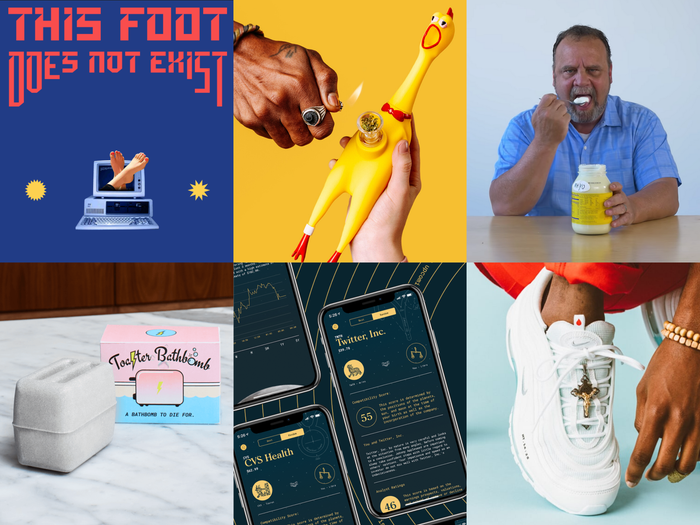
You may know MSCHF (@mschf) by some of their viral shoes (Big Red Boots, Jesus Air Maxes) or their provocative art projects (a chopped up Damien Hirst, 999 forgeries of a Warhol and one real one, mixed together).
But Gabe (@Gabriel_Whaley)'s most interesting creation is the factory that produced these and many others every other week for the last 7 years.
I think this conversation will be especially meaningful for anyone interested in the mechanics of creativity, attention, and commerce. OR, for those interested in how the internet is changing us, our attention, and what we value.
I'm eager to look back at this someday with another decade of MSCHF as hindsight. This was a special one!
Avail on X and all platforms below, including transcript.
attention is currency. distribution matters. every founder has a story, and today's stories are videos.
We've built several @speedrun programs to help founders become better storytellers:
1) brand lab: we offer cost-effective design services to take your brand from 0-1: decks, logos, typography, colors, websites, and more.
2) launch lab: video is hard. talking to a camera for the first time sucks. we offer studio spaces for founders to level up their product demos, client-facing videos, and more. we also offer up a network of videographers, production teams, and creatives to build your launch+ strategy.
3) creator connect & press club: we've built data-backed systems to help connect you with both top creators and UGC/ambassadors. additionally, we help early-stage founders who don't yet have street cred get in front of the newest media outlets.
Whether you're a seasoned creative with design chops or have no idea what 'marketing' is, we encourage you to apply.
applications close this weekend.