thank you to my collaborators for the up to date summary on NEC in @nature primers @HopkinsKids with the latest in diagnosis, treatment and future directions for research into this devastating disease @NECsociety
https://t.co/3NQRWE0pLv
A new Nature paper from Johns Hopkins (by Prof. Lin @DingchangLin ) just solved one of the hardest problems in biology: how do you record what every cell in a tissue experienced over time, not just what it looks like right now?
The answer: GEMINI — Granularly Expanding Memory for Intracellular Narrative Integration.
It works exactly like tree rings.
Cells are genetically engineered to express a computationally designed protein assembly. As the assembly grows inside the cell, it captures cellular activity as fluorescent ring patterns — each ring a timestamp, each ring's properties encoding signal intensity. Look at a cross-section under a microscope and you can read the cell's history backward, with ~15-minute resolution.
The key: cells build the recorder themselves. GEMINI doesn't interfere with normal function — it just quietly writes.
What they demonstrated:
In a full tumor xenograft, GEMINI captured every cancer cell's activity history across the entire tumor while it continued to grow normally. For the first time, researchers can look back and see how different regions of the same tumor responded differently to therapy over time — not snapshots, but film.
In a mouse brain, GEMINI recorded neural activity dynamics without disrupting behavior, coordination, or memory. It could temporally resolve the history of a brain seizure.
Why this matters:
Every tool we have in biology gives you state — what the cell looks like now. Sequencing, imaging, proteomics — all snapshots. GEMINI gives you trajectory. It's the difference between a photograph and a video, applied to every cell in an organ simultaneously.
The team is explicit that AI-based decoding tools will be central to reading GEMINI's output at whole-brain scale. This is the data layer that makes temporal single-cell atlases possible.
Paper: https://t.co/TsObknQqga
Congratulations @DingchangLin
A group of superhero window washers descended from the roof to put smiles on the faces of patients getting care on Thursday at the Johns Hopkins Children's Center. https://t.co/Alj8YWg3sq
BREAKING NEWS
The 2025 #NobelPrize in Physiology or Medicine has been awarded to Mary E. Brunkow, Fred Ramsdell and Shimon Sakaguchi “for their discoveries concerning peripheral immune tolerance.”
Very proud of this study from our team at @HopkinsKids@HopkinsMedicine@HopkinsMedNews giving new insights into NEC.
@HopkinsKids study led by @davidhackam shows an infection prevalent at birth could worsen a life-threatening gastrointestinal condition in premature infants.
important work from @gargparvesh2011 and colleagues which provides additional evidence that NEC is a disease that can severely affect the brains of premature infants.
I want to thank everyone that reached out and supported me this week, especially my mentor @ewhitakermd. Thankfully I have accepted a preliminary surgery position at Johns Hopkins and hope to work hard and improve to apply for Anesthesiology again next year. @hopkinssurgery
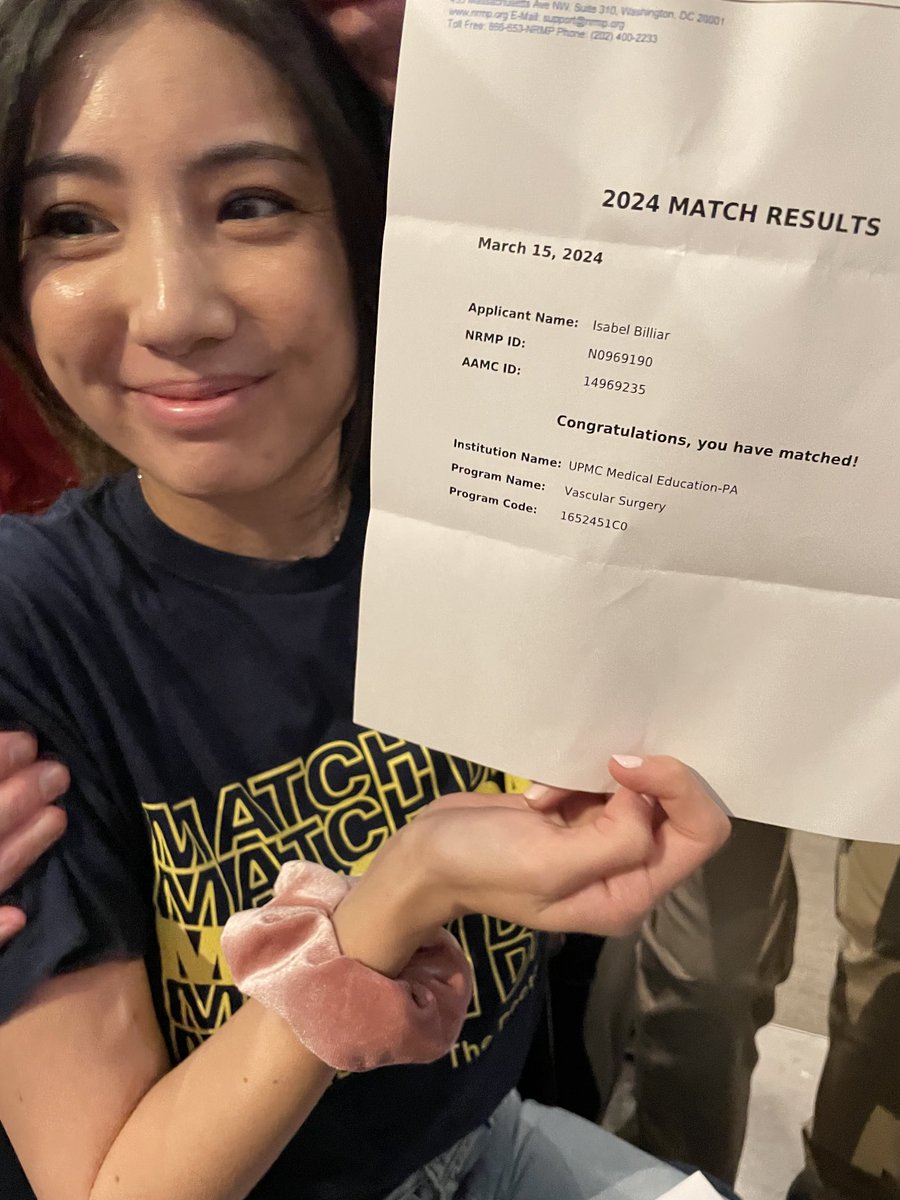
So proud that my love of vascular surgery and the wonderful patients we care for rubbed off on Isabel! Dad only slightly disappointed she didn’t go general surgery. (#notacompetition). Congrats Isabel, Love Mom🥰🎉@UPMC_Vascular @PittSurgery #Match2024
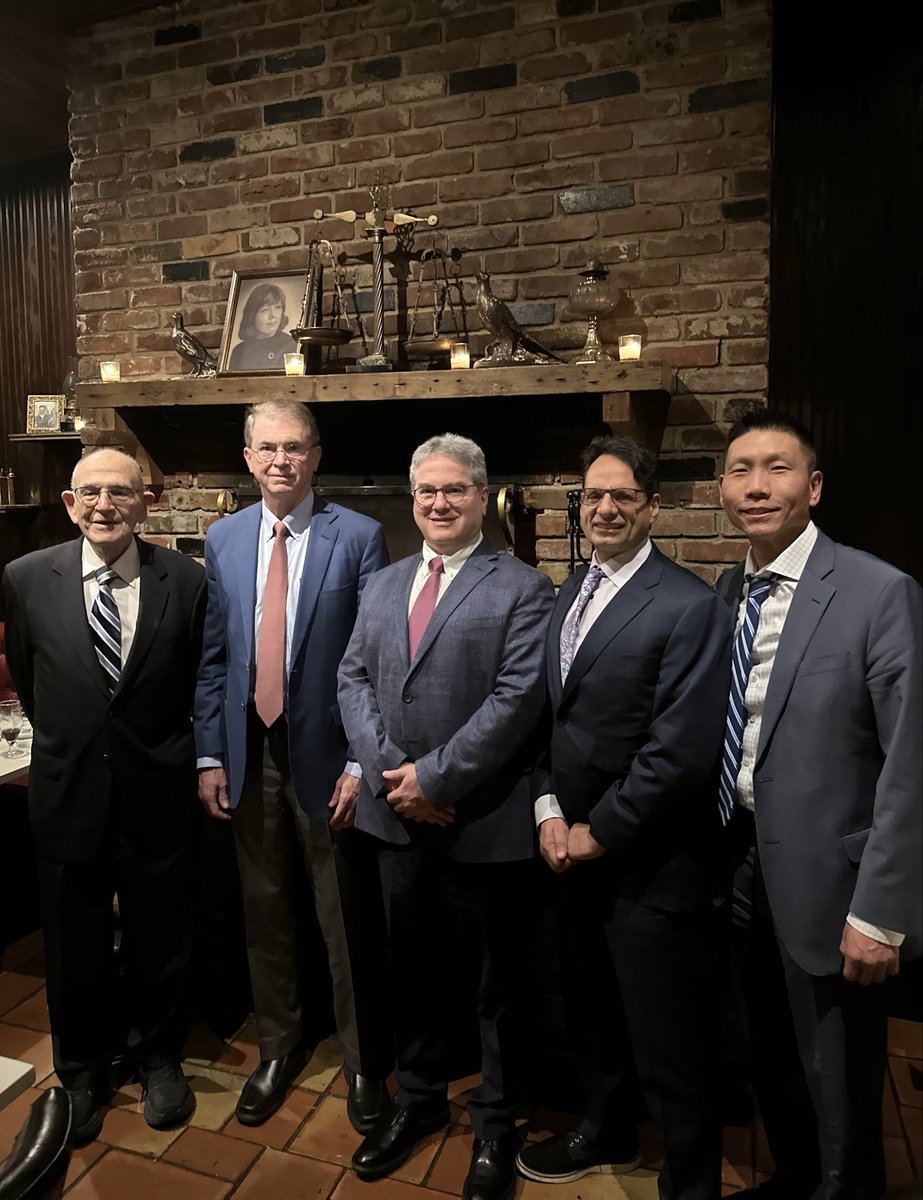
honored to be part of this group of leaders, and hope to be able to live up to the incredible legacy of the folks on either side of me.
@UnivSurg@PittSurgery@HopkinsKids
Grateful for the incredible journey with @PittSurgery ! Here's a glimpse into rich history of past @UnivSurg presidents-mentors and friends. Congrats to Tim Billiar for SUS Life time achievement award. #ASC2024@davidhackam