Thank you to @SoilScienceAust for giving me the honour of presenting the 2025 Boodja Lecture on the impact that soil science has had in transforming WA soils for crop production. Also to the @AgInstituteAus for the excellence in agriculture award.
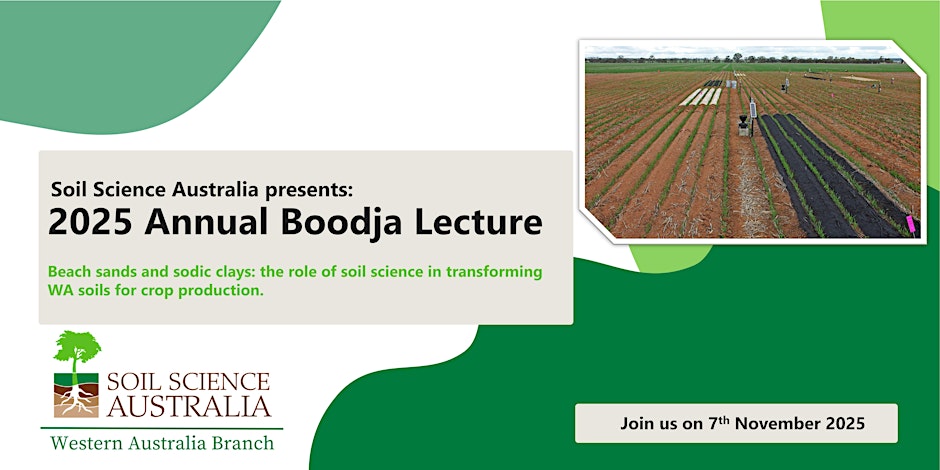
Join SSA's Western Australia Branch, supported by @theGRDC for an insightful lecture by David Hall where he'll be exploring how sandy and clay soils can be transformed through practical, field-based research.
https://t.co/VFJYez5DqL
🌾🧐Wonder where sodic and alkaline clay soils occur most throughout WA? 📍
@DavidHall_Soils came on the @GrainsConvo podcast to discuss, along with insights into sodic soils from his 30+ years of research!
🎧 Listen here https://t.co/pFAYeW0esr
@ipaddockapps In relation to the type of gravel - larger pores will reduce capillary rise and encourage leaching in these salty soils. Hence, screened gravel is likely better than clayey/sand gravels mixes (ie. road base). It would be interesting to compare.
@SiemerChristian@ipaddockapps Gut feeling is that it may help to reduce the connectivity of soil pores that transport salt to the surface but effect will be short term.
Very grateful to have been awarded the Community Industry Impact & Engagement Award by Murdoch University! Thankful to be recognised for the efforts of our people and projects that are part of SoilsWest and our wide-ranging collaborators across so many fantastic organisations.
@barnoolut Good question. Healthy soils are both productive and resilient. Productivity comes from soil physics and chemistry. Resilience comes from soil biology. Get physics and chemistry right and biology will follow.
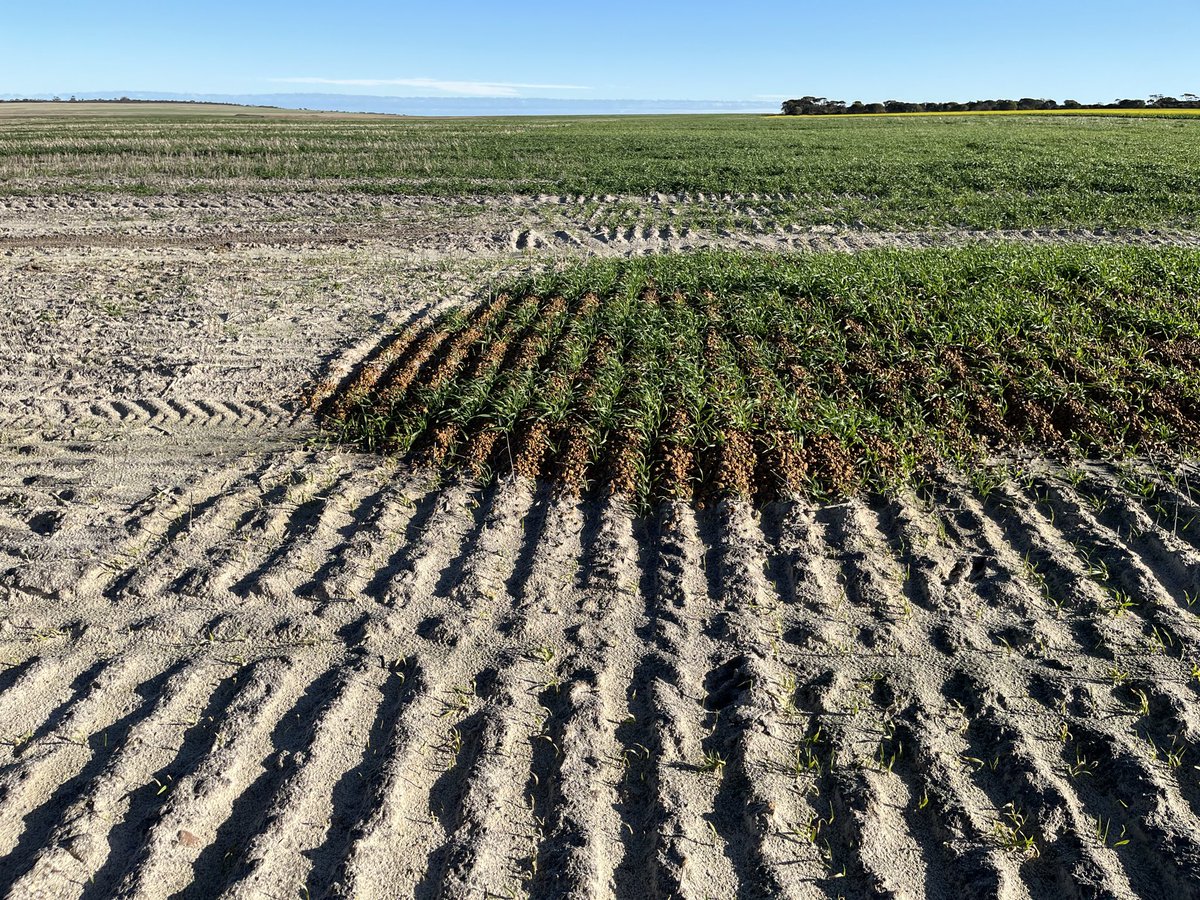
After a hot drying week dpird re-engineering trials really shining. Still healthy and green. Rest of paddock lost most of its leaf. Great research @azam_gaus @SoilsWest @DPIRDbroadacre @Glenn_SoilAgro
Improve the design and efficiency of tillage-based soil amelioration machinery & crop seeding technologies to better suit Australian soil and climatic conditions.
https://t.co/uIlMiVAkUz
@PeterMoerman71 @farmboyG Good results from organic matter additions to sodic clay soils in the higher rainfall eastern states. In WA we have no yield improvements in sodic clays where 8 t/ha composted manure and 12 t/ ha lucerne hay applied to a depth of 50 cm in lower rainfall regions. @LeonCla28708846
Check out this GroundCover story by @SEK_Consulting published today on how the Soil Quality ebooks are helping translate and spread the reach of soil science ➡️ https://t.co/Y4Ze4iIhSb
Well the gravel mulch worked a treat in year 1 on this scald, grew a decent barley crop right to the edge of the thin gravel layer. Now to see if it continues to have that effect
31mm and counting; the biggest rainfall event in 17 months.
1st hole: Non-wetting deep sand that’s yet to be ameliorated.
2nd hole: 2 years post clay spread/spade/rip.
Seeing the difference between the two never gets old, and makes all of the hard work worth it #therealregenag
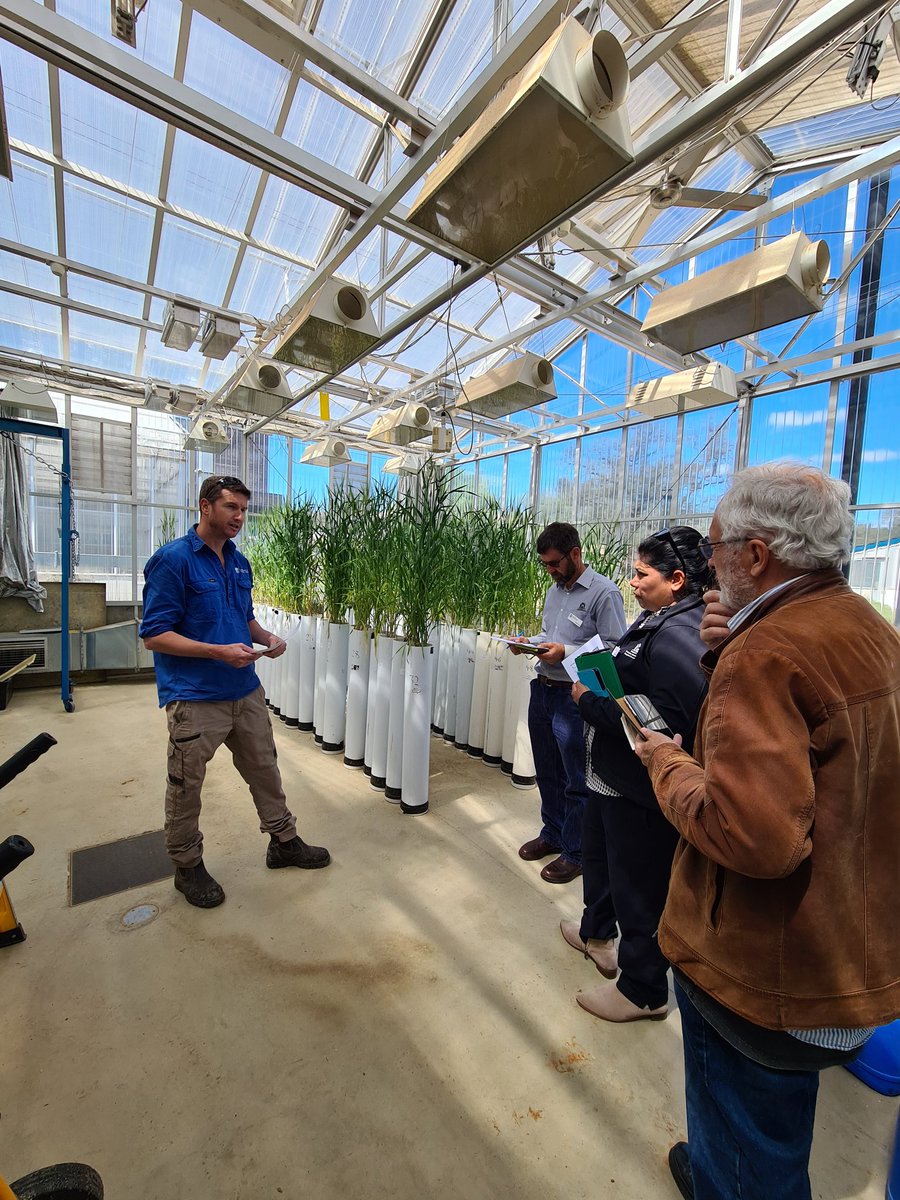
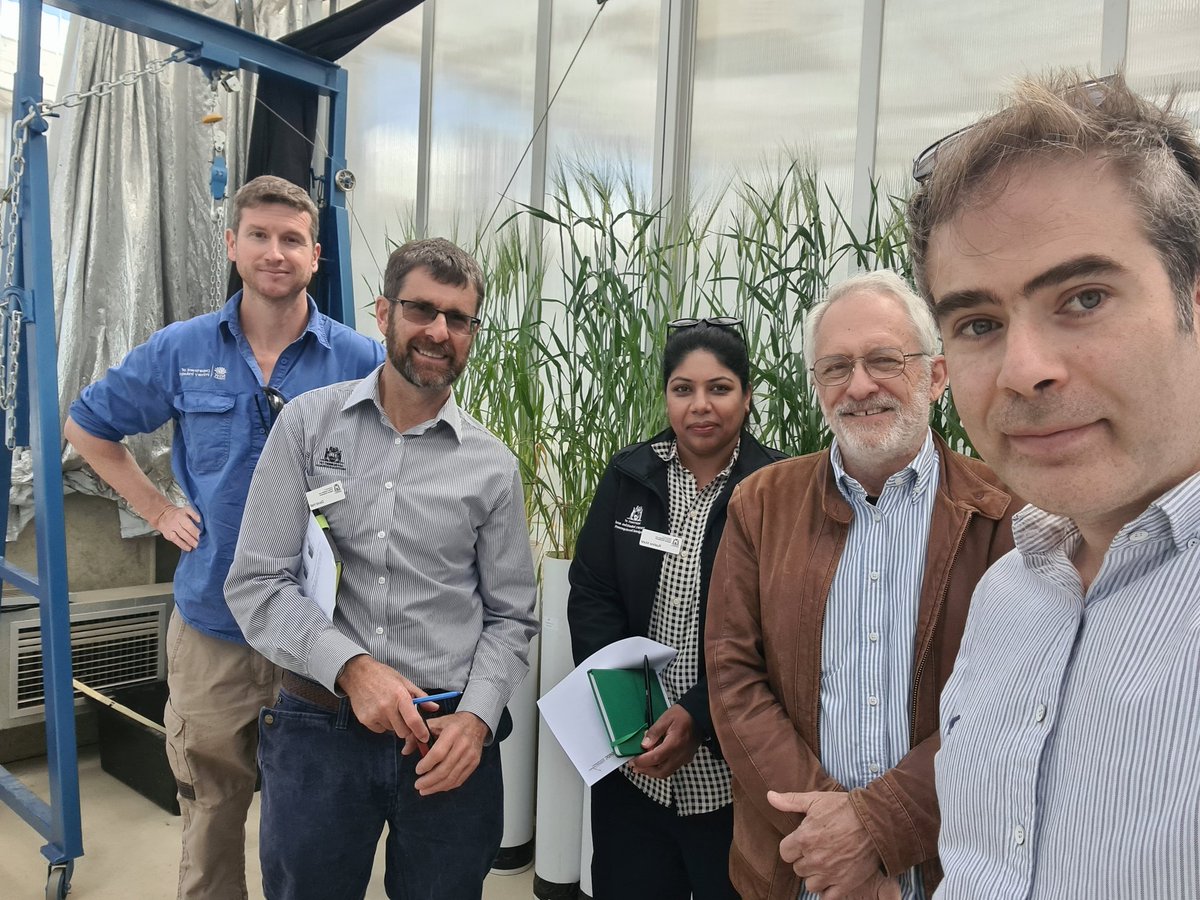
A great pleasure to host colleagues from Western Australia @DPIRDWA for a #ScienceExchangeDay and to strengthen our collaboration on innovative soil research in grains industry. @theGRDC @NSWDPI_Soils @DavidHall_Soils
~60% of WA's arable hectares are sodic and alkaline soil 🥬 The new 🆓 eBook Soil Quality 8 brings together current knowledge and grower experiences to help landholders, scientists and consultants better manage these soils ➡️ https://t.co/AEBOUBWlhP @GRDCWest@DPIRDbroadacre