Nitrogen - variable rate tips for 2026.
In light of the dramas the industry is facing. A few important points to remember if you are planning on using biomass for VR nitrogen: #jfg 🧵
Here we have "As applied" fert data, grower challenging his VR prescription 👌
Our latest trial strip analyser tool will help growers evaluate their on-farm trials easily! Pull in "As applied" or yield data, build your strips, hit GO!
#jfg#deeperisbetter
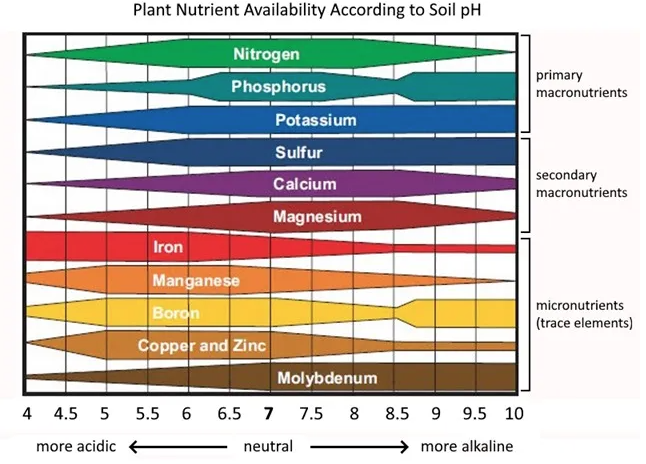
@farmersgrowit This chart is from 1946, and even the author wasnt certain of its accuracy. The other main issue with this chart is that it is pH H20, and most agros/farmers read it like it is pH CaCl2. 0.5 of a pH unit on average different. It also doesn't account for soil moisture content.
This chart is from 1946, and even the author wasnt certain of its accuracy.
The other main issue with this chart is that it is pH H20, and most agros/farmers read it like it is pH CaCl2. 0.5 of a pH unit on average different.
It also doesn't account for soil moisture content.
Soil pH isn't just a number — it controls which nutrients your plant can actually access.
Most crops want pH 5.5–7.0. Outside that range, nutrients lock up even when they're physically present in the soil.
Don't throw money at the wrong solution.
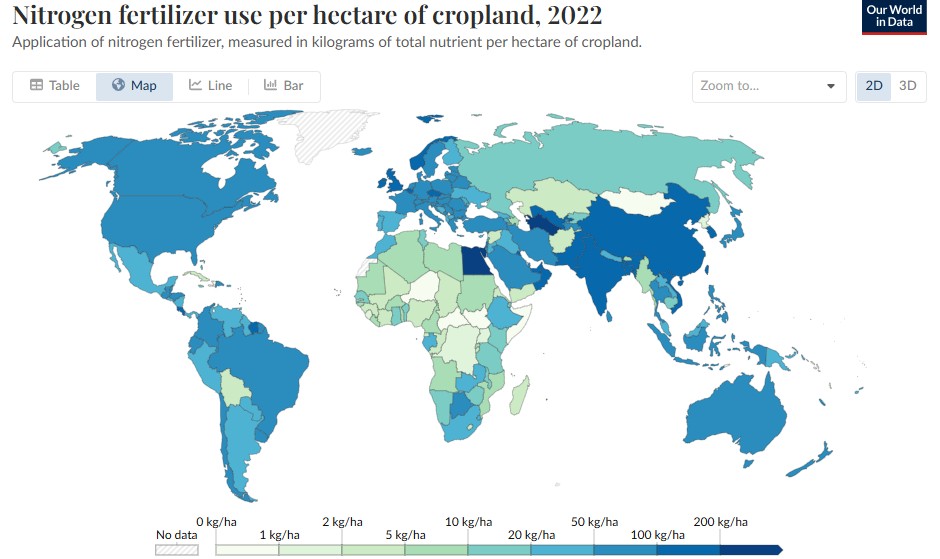
$10.6 billion, and this was at last years prices 🤯
Variable rate adoption has moved to a requirement, not a luxury. Make sure you find the best methods to optimise your targets.
#jfg#deeperisbetter
Global agriculture's future leans towards doing more with less.
Just 11.5% smarter use of urea alone could save farmers nearly $10.6 billion USD globally each year.
$10,600,000,000 USD
The data is ready, LETS GO! #jfg#deeperisbetter
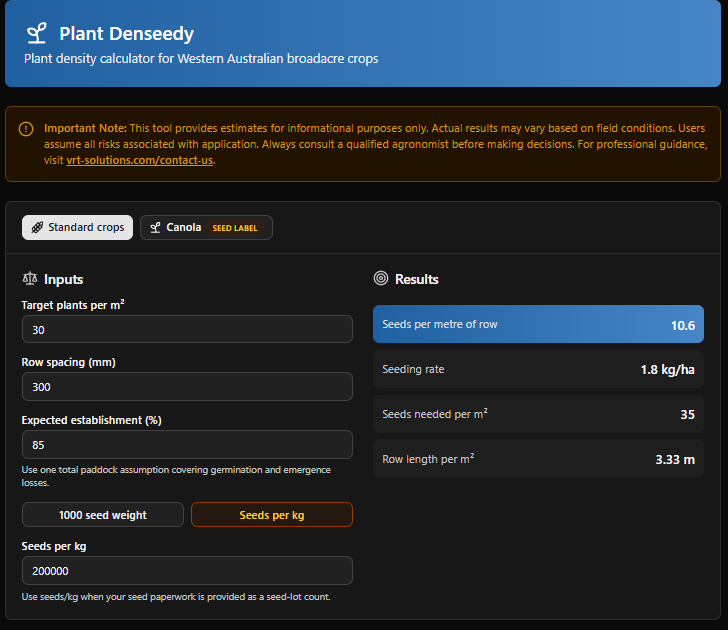
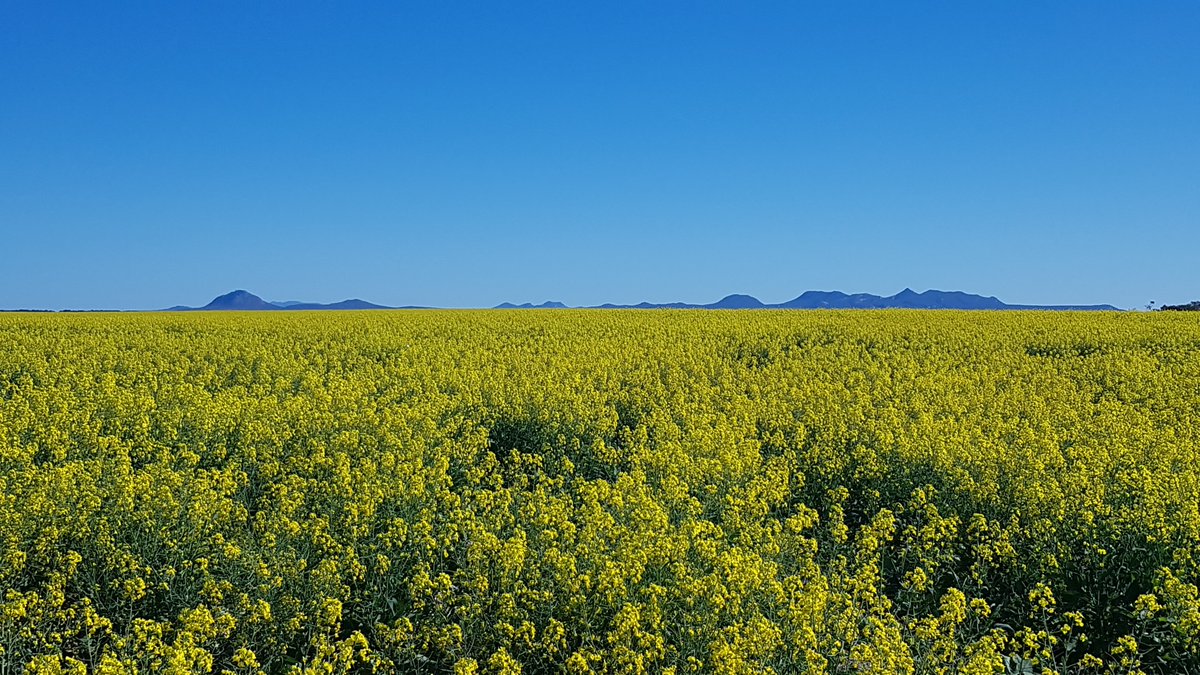
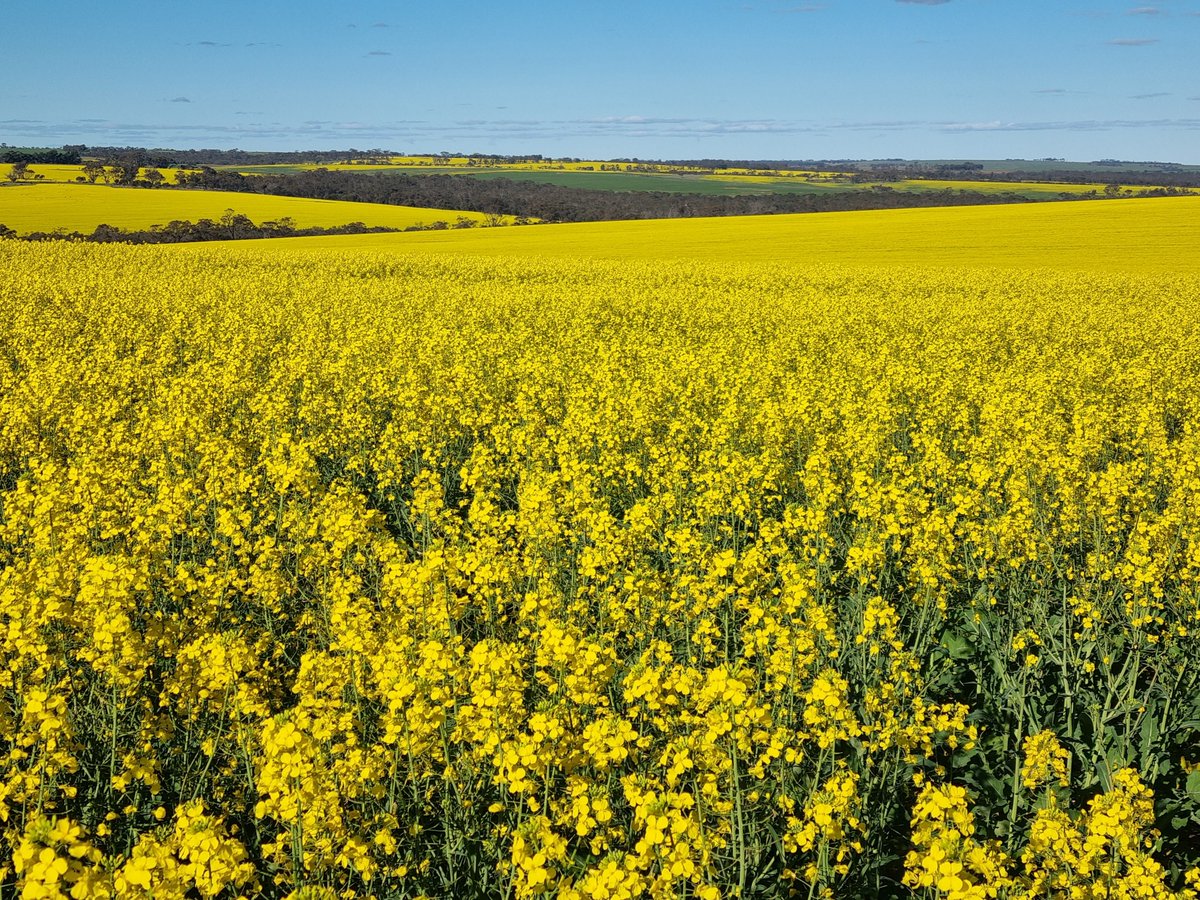
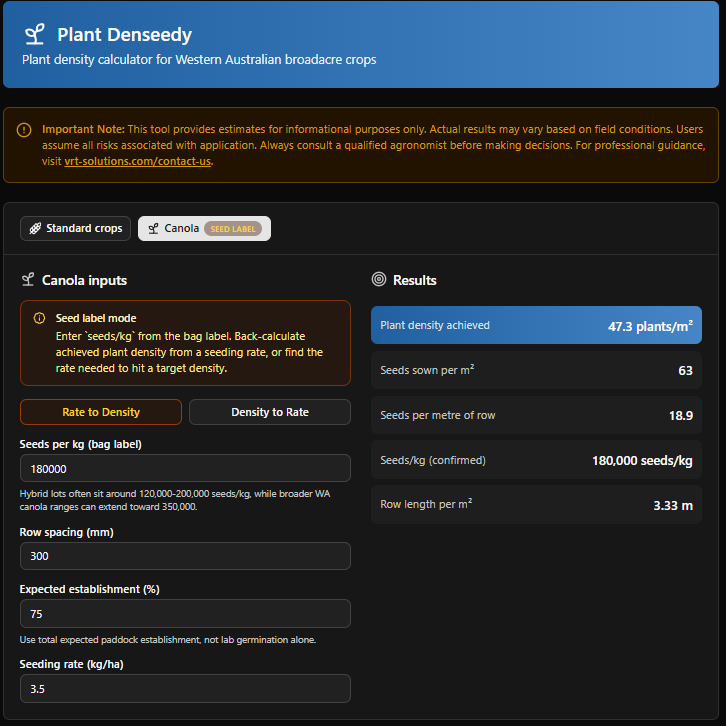
We have made some adjustments to our plant density/seed rate calculator, with a focus on canola seed. Optimise your rates!
Free for everyone, feedback and comments welcome. #jfg#deeperisbetter
https://t.co/l7UR9PWWCk
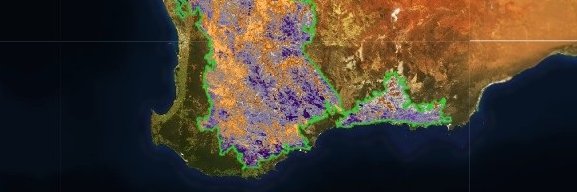
World leading in WA.
10cm increments, you'll notice "measured and predicted" in top left alongside the depth increment. Fantastic insight into the soil profile and where sands meet clays, moisture retention and salinity issues in a vertical plane #jfg#deeperisbetter
Nitrogen - variable rate tips for 2026.
In light of the dramas the industry is facing. A few important points to remember if you are planning on using biomass for VR nitrogen: #jfg 🧵
@David_Agronomy Use soil maps to identify best areas to attack. This makes time/$ spend most effective, removes ambiguity especially if using contractors. Have seen $500/hr reefinators driving aimlessly around farms before...!
Nitrogen - variable rate tips for 2026.
In light of the dramas the industry is facing. A few important points to remember if you are planning on using biomass for VR nitrogen: #jfg 🧵
6. If you have soil maps, even setting 2 rates (light country, heavy country) can help mitigate risk in a year like this. This can be done any number of ways.
5. Canola – After 5% flower, NDVI data becomes increasingly useless. However, the last 2 weeks of cabbage normally have a good correlation to yield at the end of year. Please refrain from using NDVI data on Canola once the flowers come out.
3. When NDVI data is calculated, it can ONLY be between 0 and 1. It is common to find early season 2-6 leaf cereals range from 0.05-0.2, and later season crops (Zadoks 45-65) can range between 0.1-0.95. Treat with caution as the range plays a big role in accuracy of VR N.
2. Scout before applying: Extremely important that you assess that you are not applying N to areas of weeds. Basic stuff, but often overlooked due to time pressures. Please ensure that your paddocks are clean before zoning for VR N.
1. Normally we don’t recommend VR N at seeding. Soil tests are so unreliable for N, it is difficult to assess properly. If there is more moisture, then use a little more, if its drier, use a little less, so you hopefully have some in the pocket for later. KISS rule here!
Nitrogen - variable rate tips for 2026.
In light of the dramas the industry is facing. A few important points to remember if you are planning on using biomass for VR nitrogen: #jfg 🧵