These numbers are shocking. It's like we got a new frontier AI model but for the body.
Lilly's phase 3 results for retatrutide:
> highest dose lost 28.3% of body weight in 80 wks
> 70 lbs ave
> 45% lost 30% or more of their body weight
> 65% on the top dose no longer clinically obese
Retatrutide is more dynamic than semaglutide and tirzepatide because it targets three receptors (GIP, GLP-1, and glucagon), versus one and two, respectively.
Side effects, on the highest dose (12mg), were higher for retatrutide than tirzepatide (nausea and GI), with an 11.3% drop out rate. The lowest 4mg dose still delivered 19% loss with fewer dropouts than placebo.
Retatrutide, a triple receptor drug for GLP-1, GIP, and glucagon, is the most powerful weight loss drug yet. A significant issue is too much weight loss among the trial participants. New randomized trial results announced today with 28% body weight loss.
gift link https://t.co/82tRkOvQ49
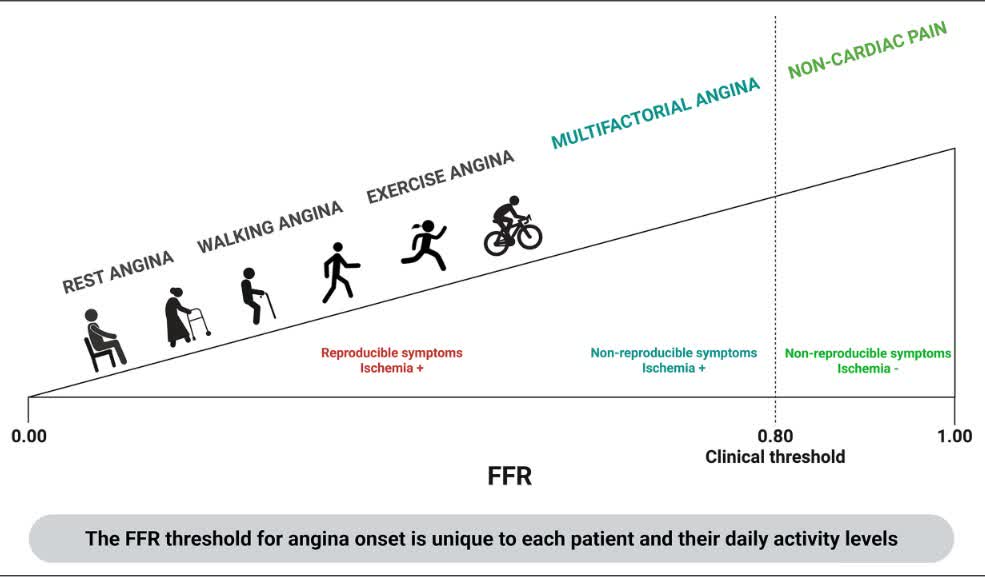
ORBITA-FIRE suggests universal Ischemia-based thresholds for FFR and non-hyperemic pressure ratio should be interpreted with caution: Integrating symptom-linked physiology may refine PCI selection and improve symptomatic response.https://t.co/oGyHMRbOLZ
☢️ Radiation exposure and orthopedic strain remain major risks in the #CathLab. SCAI’s new Radiation and Occupational Safety Resource Center brings together toolkits, clinical documents, and on-demand education to help teams create safer environments.
Explore the resource center ➡️ https://t.co/UuuitRSz87
#SCAIWellness #CardioX #InterventionalCardiology
Interventional echocardiographers who work with suspended lead suits during left atrial appendage occlusion procedures are exposed to significantly less radiation than when they're wearing lead aprons, a potential solution for a growing occupational hazard, according to a new study. https://t.co/mrO3JWRXzT
@davidmcnam
Thanks for highlighting the importance of radiation protection to interventional echocardiographers @TCTMD_Yael@TCTMD. As outlined, we are hopeful radiation exposure to interventional echocardiographers remains top of mind. There is room for significant improvement in radiation protection nationally. @SCAI and @SrihariNaiduMD has been vocal advocates; @ASE and @CynthiaTaub are well positioned to support the interventional echocardiographer community too with an estimated 2,000 users. As @SLittleMD and @CynthiaTaub highlighted, there is quite a bit more advocacy that still needs to be done for interventional echocardiographers.
https://t.co/oKtvtq8Chg
@JAMANetworkOpen
doi:10.1001/jamanetworkopen.2025.58134
We are grateful for the support provided by @FM_HVI@wohnsmd@VikKashyapMD for the suspended lead suits and support to interventional echocardiographers.
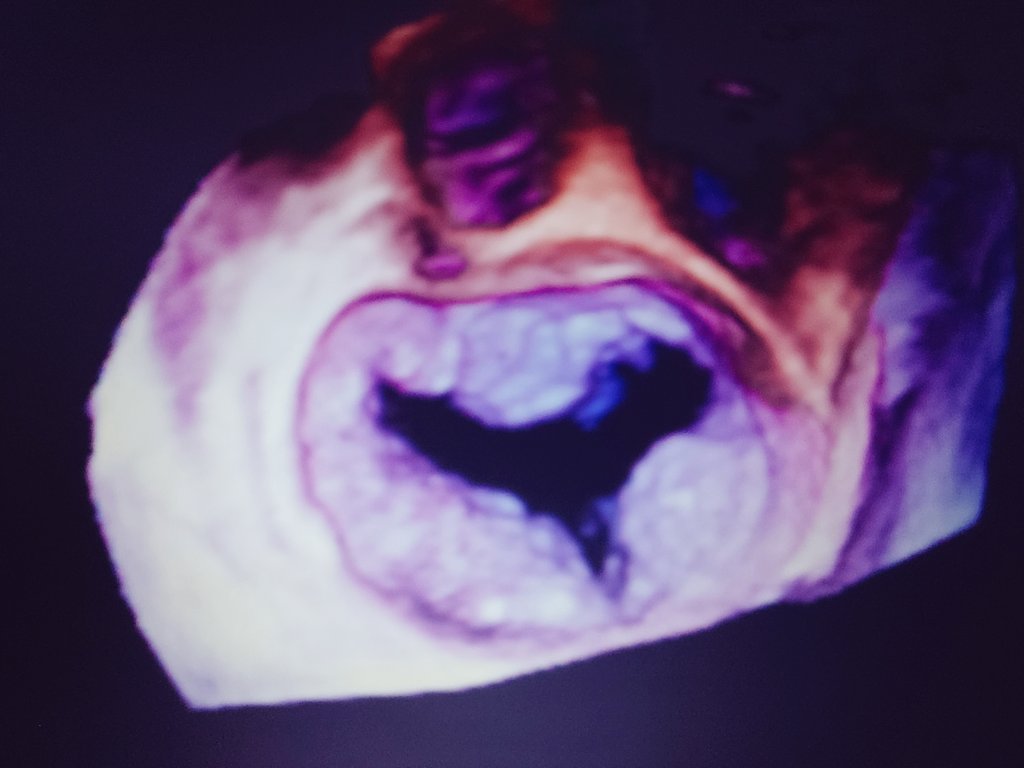
The most stenotic bioprosthetic mitral valve I have encountered. Mean transmitral gradient 31 mmHg at HR 74 bpm, EOA of just 0.2 cm².
The pt was transferred from OSH in pre-shock. Successful TMViV, no valvular or PVL, mean gradient 3 mm Hg.
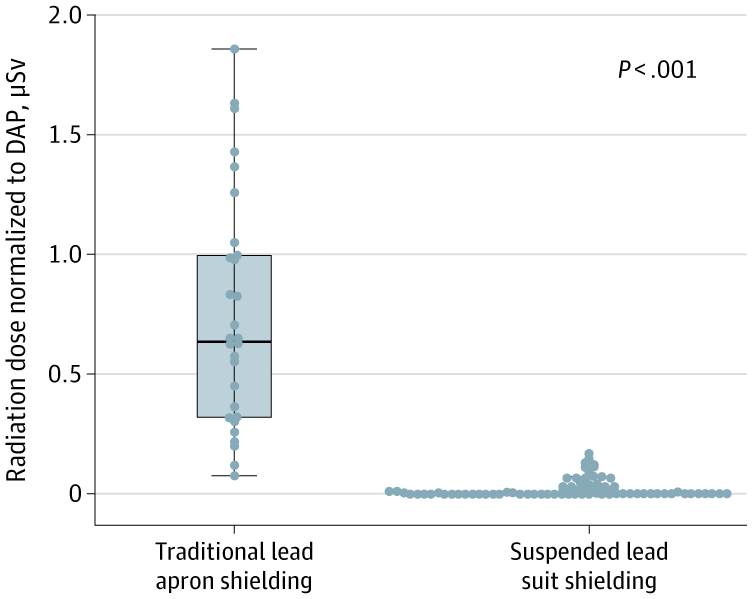
Use of suspended lead suits during left atrial appendage occlusion procedures was associated with substantial reductions in head-level radiation exposure for #InterventionalEchocardiographers vs traditional lead aprons.
https://t.co/OdvrQVE9DV
Thanks for highlighting our work on radiation protection for interventional echocardiographers:
@medpagetoday
https://t.co/T7YxwA2DdN
@JAMANetworkOpen
https://t.co/QEuM6HZ9d5
Suspended Lead Suits and Radiation Exposure in Interventional Echocardiographers published in @JAMANetworkOpen today with @RyanMadderMD . Suspended lead suits vs traditional lead aprons (used by 90+% of structural imagers). Important information for the structural heart team and interventional imagers!
- Suspended lead suits provide substantial reductions in the occupational radiation exposure to interventional echocardiographers during structural procedures
- median (IQR) radiation dose was 0.0 (0.0-0.3) μSv while using suspended lead suits vs 10.6 [5.8-24.1] μSv with traditional lead aprons
- full article here: https://t.co/r4uZxnAWa0
@CASivaram1@ASE360@SCAI@PWesslyMD@nishath_quader@FM_HVI@DeeDeeWangMD@EGarciaSayan
70F w/ severe symptomatic iatrogenic TR due to chordal rupture & flail septal leaflet 30 yrs after HTx. The heart team opted for #TTVR, & 44-mm Evoque valve (Edwards Lifesciences) was implanted w/out complications.
Get the details: https://t.co/Me5LyUZyIP #JACCCaseReports
#JADEL Just Another Day in the Echo Lab
Check out the latest publication in CASE
@CASEfromASE#NowInSCOPUS
Read details of 48F ACHD (managed conservatively)
https://t.co/c0ojQguheS
@ASE360




![davidmcnam's tweet photo. Suspended Lead Suits and Radiation Exposure in Interventional Echocardiographers published in @JAMANetworkOpen today with @RyanMadderMD . Suspended lead suits vs traditional lead aprons (used by 90+% of structural imagers). Important information for the structural heart team and interventional imagers!
- Suspended lead suits provide substantial reductions in the occupational radiation exposure to interventional echocardiographers during structural procedures
- median (IQR) radiation dose was 0.0 (0.0-0.3) μSv while using suspended lead suits vs 10.6 [5.8-24.1] μSv with traditional lead aprons
- full article here: https://t.co/r4uZxnAWa0
@CASivaram1
@ASE360
@SCAI
@PWesslyMD
@nishath_quader
@FM_HVI
@DeeDeeWangMD
@EGarciaSayan](https://pbs.twimg.com/media/HDJ4Hm6XcAA1Zbv.png)


