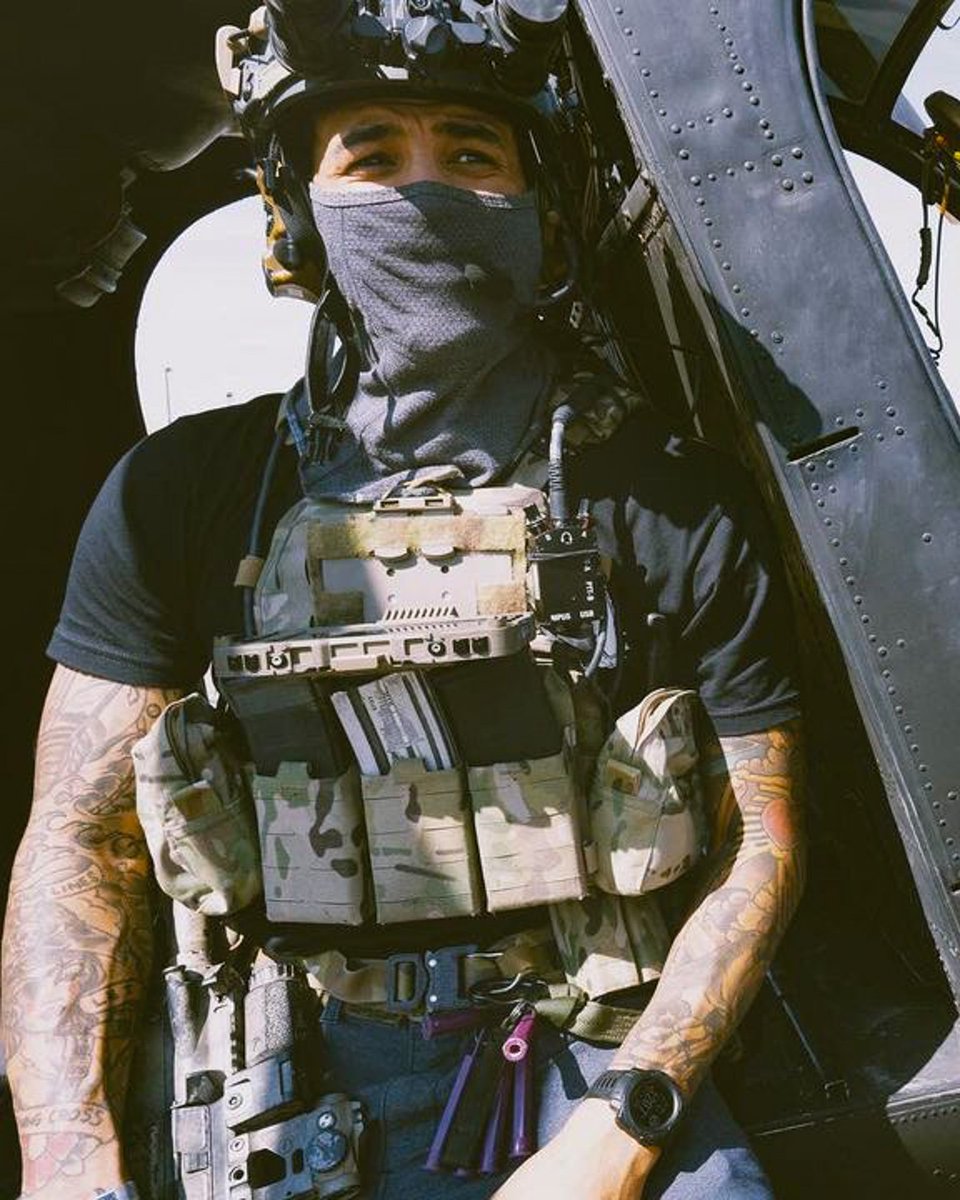
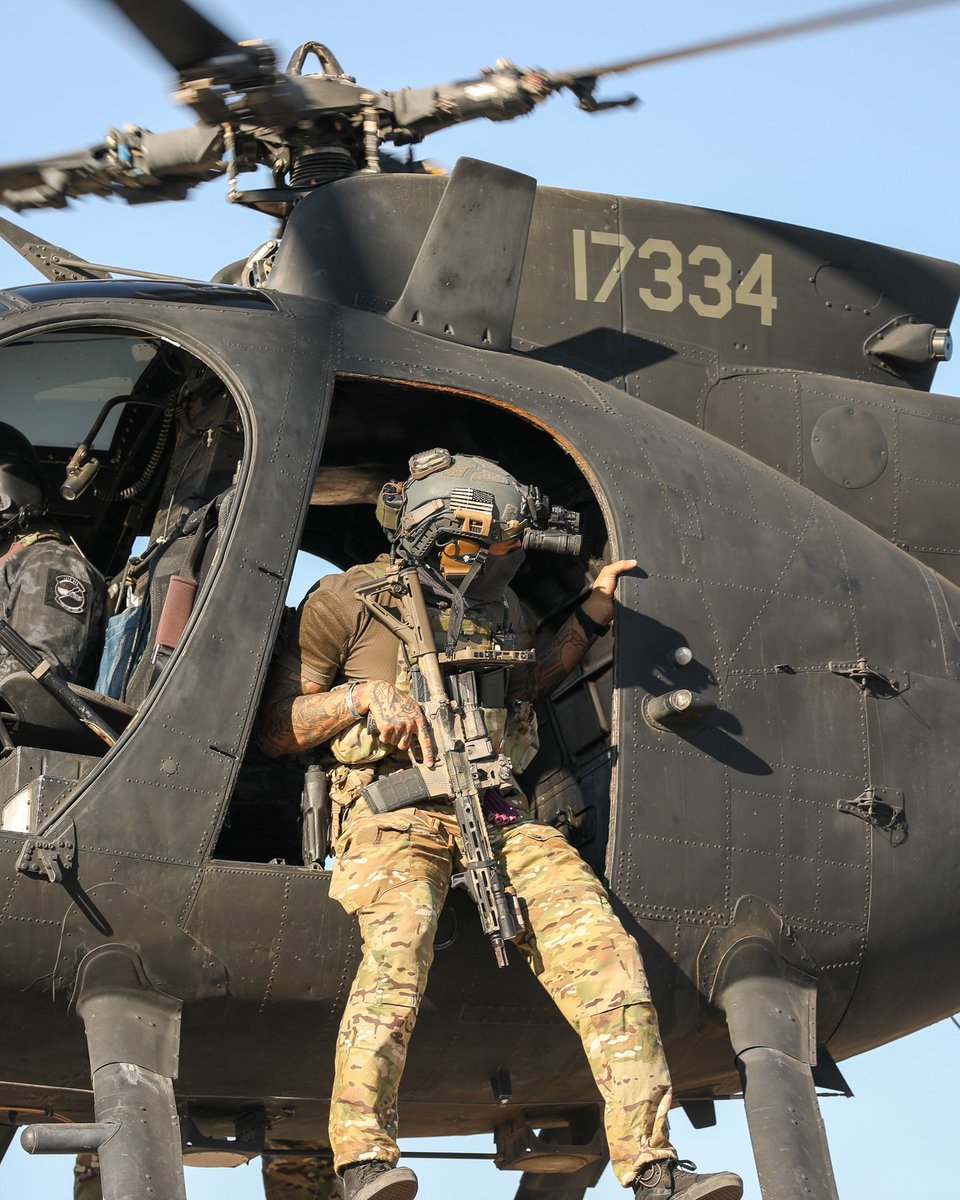
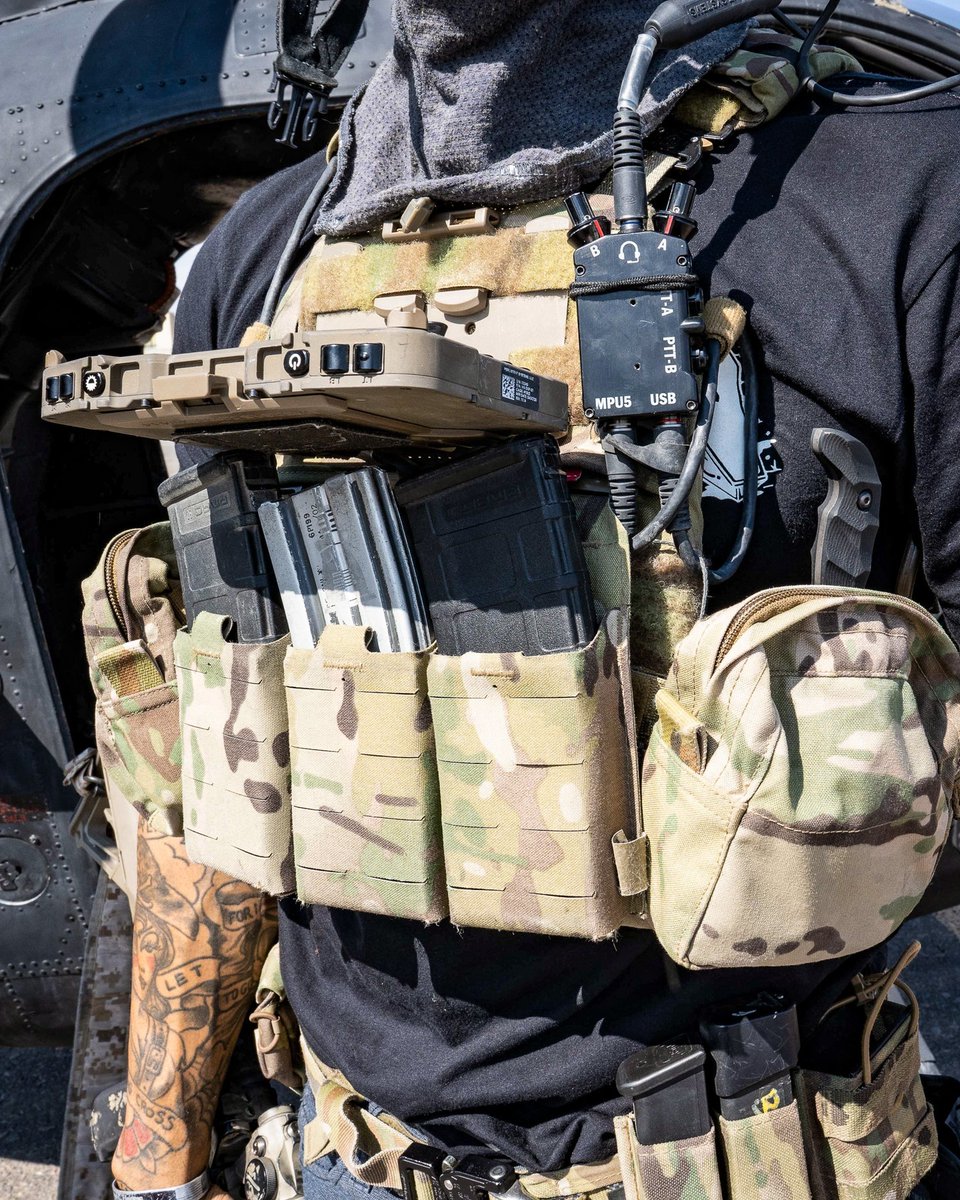
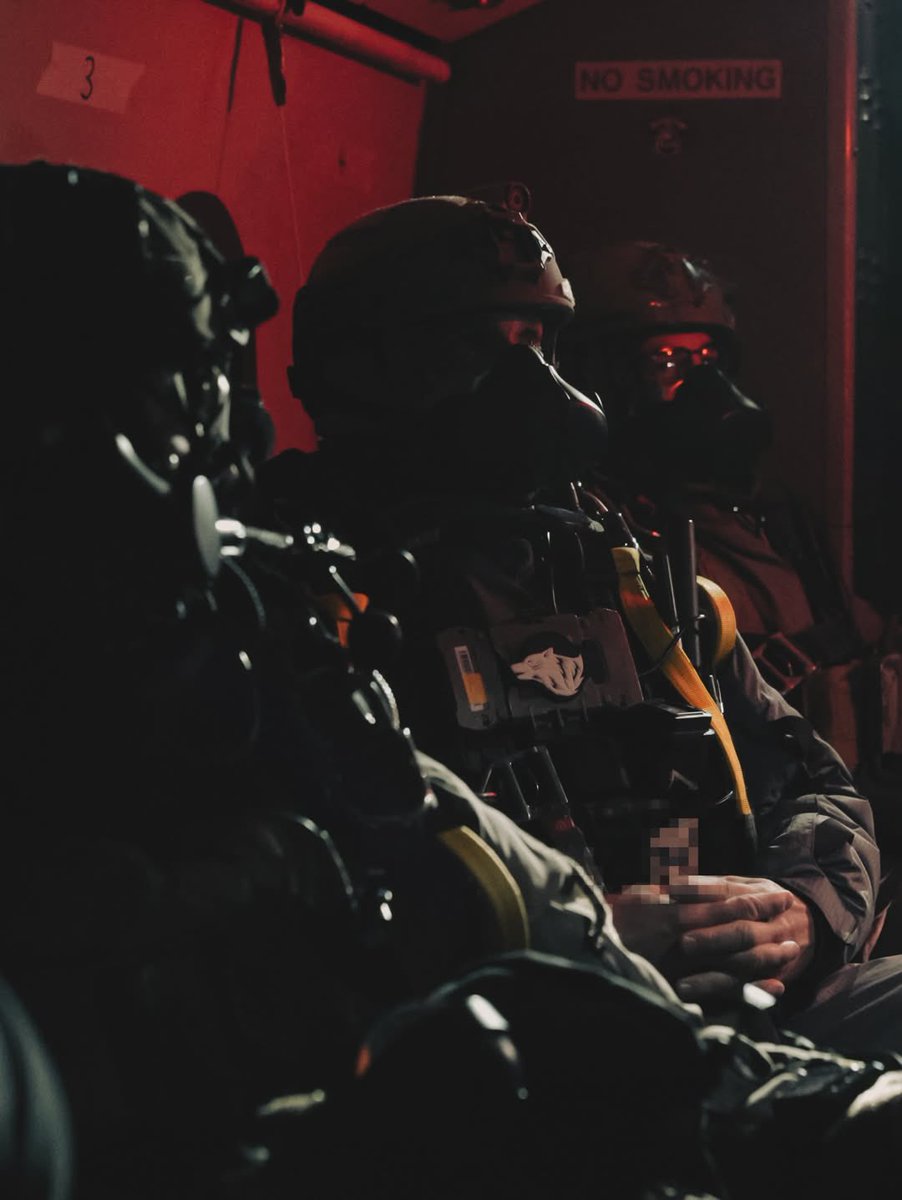
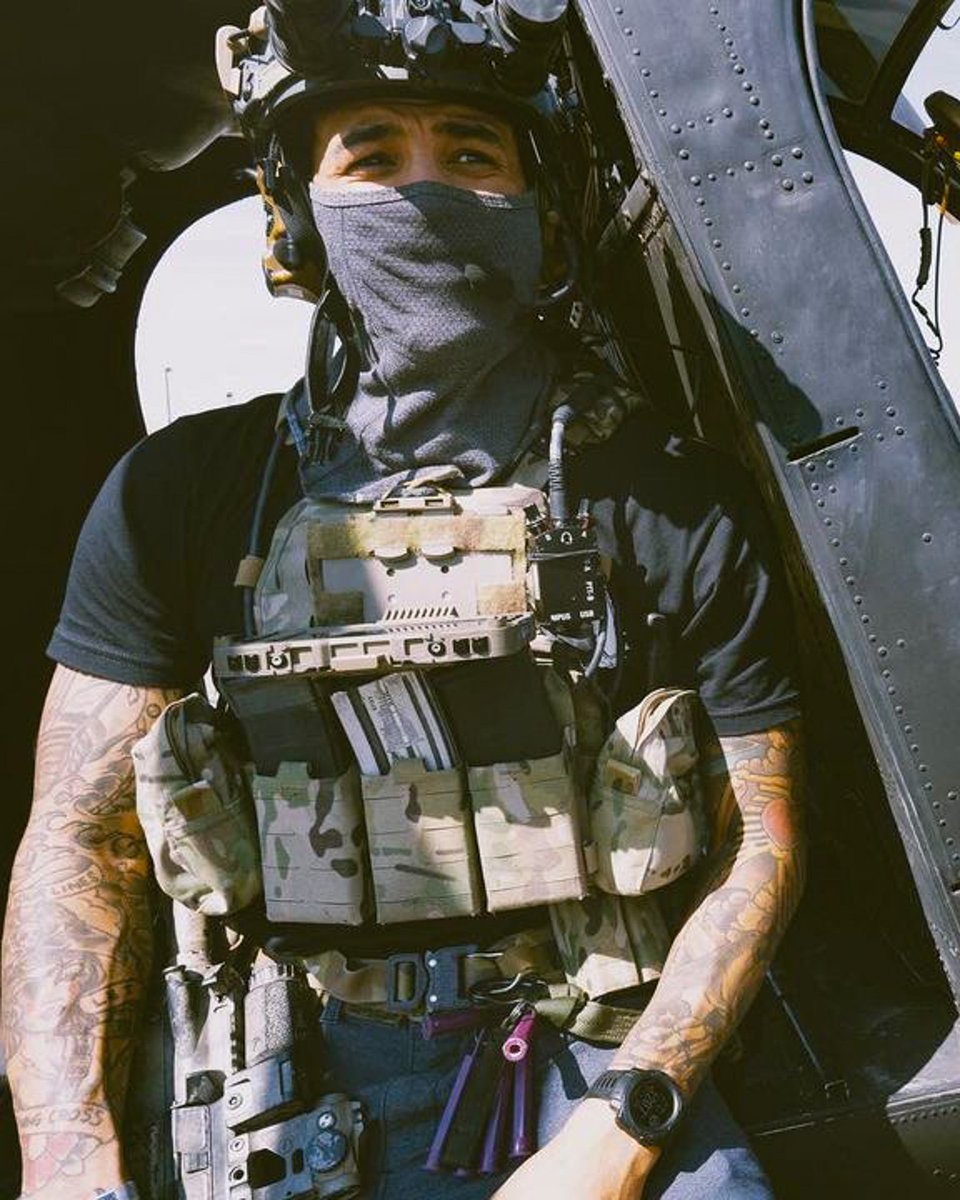
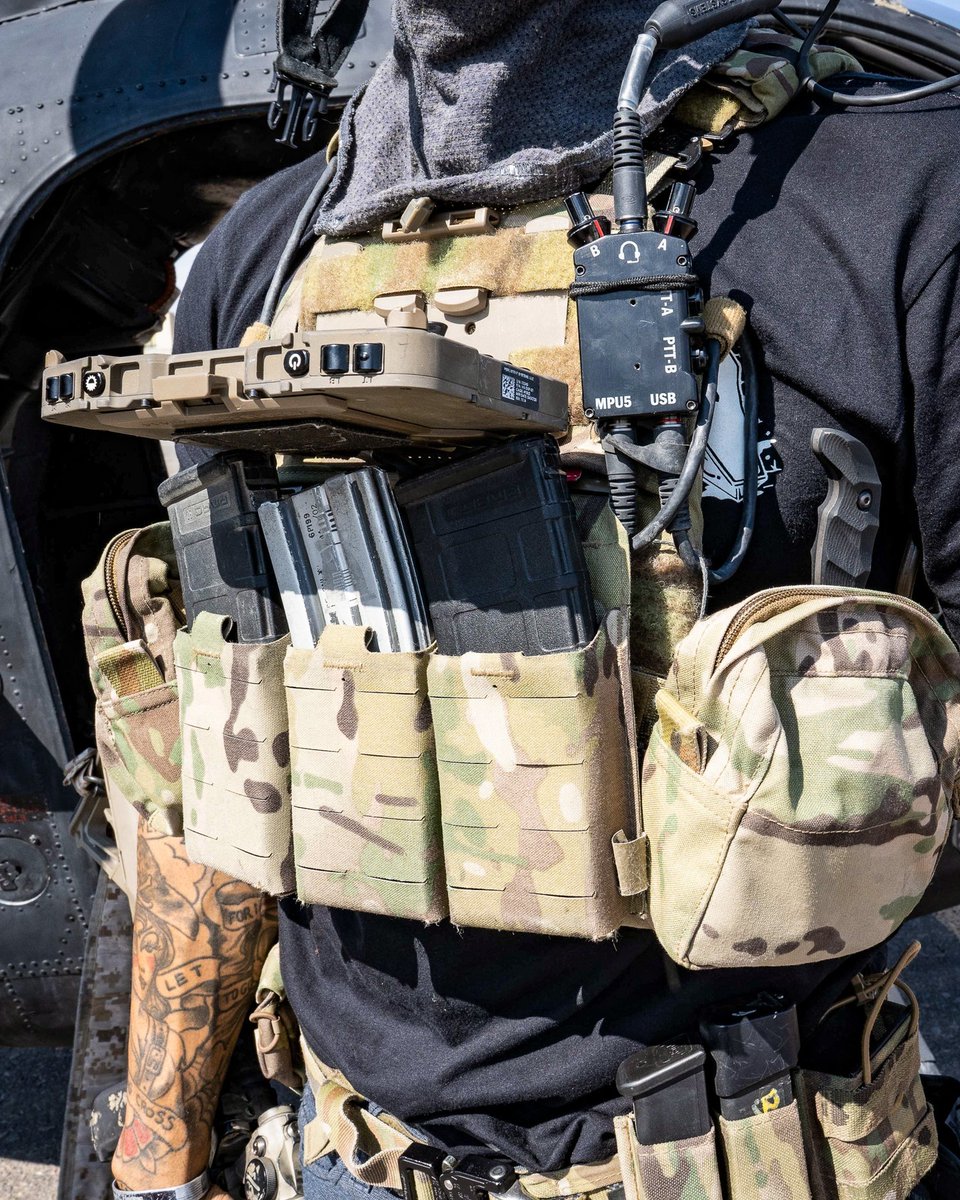
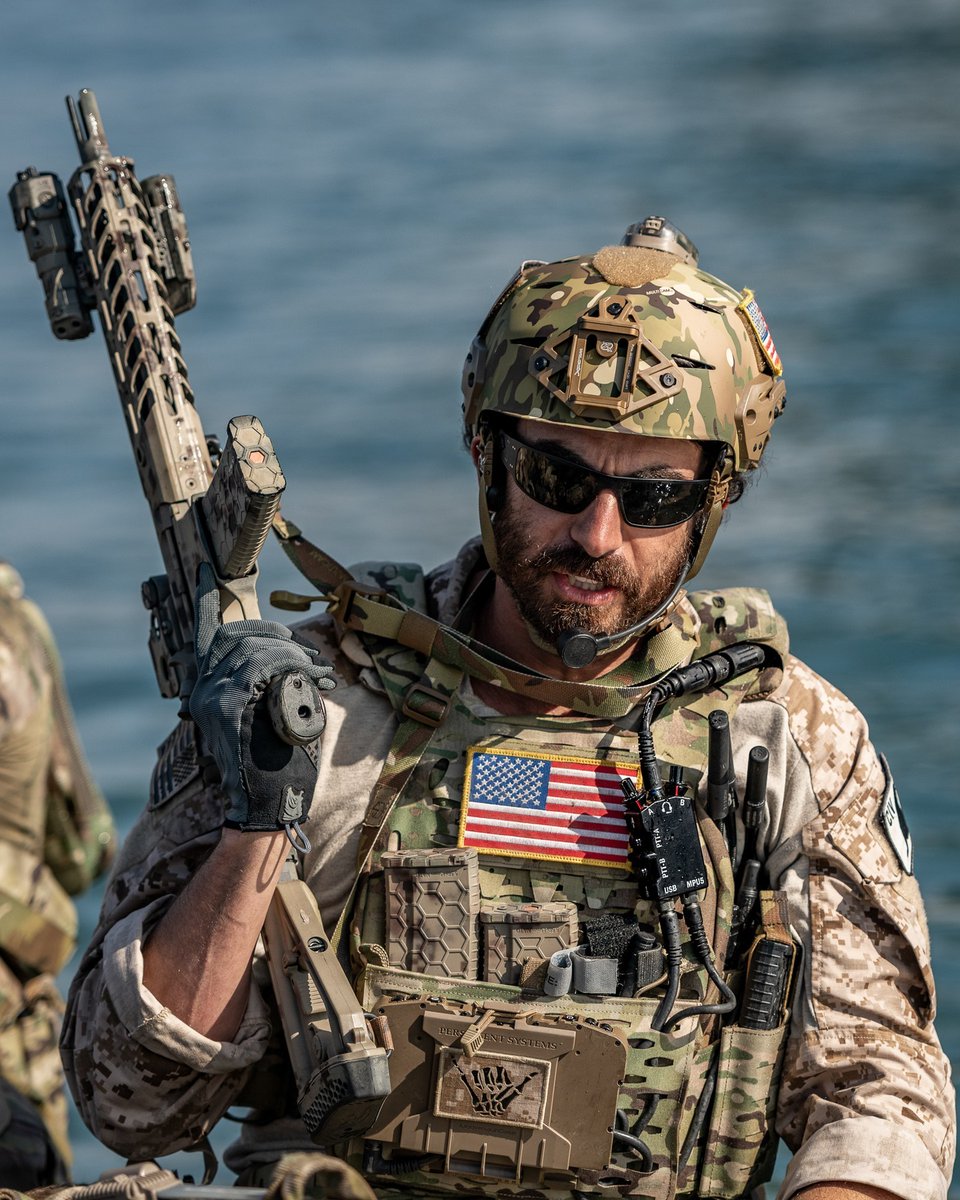
RolP with the MPU5 does far more than just bridging two radios together.
Most RolP solutions are built around a fixed gateway. If that gateway becomes congested, unavailable, or just isn't the best path anymore, everyone using it is affected.
Wave Relay does it differently.
Any MPU5 can become a RolP gateway with nothing more than a cable connected to another radio. No racks. No servers. No IT infrastructure. Just any MPU5 on the MANET.
More importantly, you're not limited to one gateway.
Multiple RolP gateways can exist on the same Layer 2 MANET, and every time someone keys their radio, the network evaluates topology, RF conditions, latency, throughput, and congestion to choose the best gateway for that individual operator.
The entry team might use one gateway. The perimeter another. A command vehicle a third. As the mission changes, those decisions change automatically.
They're all talking on the same network, but they aren't all forced through the same gateway.
As everyone moves, vehicles reposition, RF conditions change, or another transport comes online, those gateway decisions change automatically.
Nobody has to switch channels. Nobody has to move cables. Nobody has to call the comm guy.
Wave Relay just adapts.
Behind the scenes, the Wave Relay may have made hundreds or thousands of routing decisions to make sure that transmission took the best path available.
The gateway isn't assigned to the operator. The network assigns the best gateway to the operator every single time they transmit.
Because in the end when things go bad, nobody cares which gateway they're using. They care that when they hit the PTT, someone answers. That's what Wave Relay is built to do.
The #DualPTT simplifies team leader (TL) responsibilities, enhances communication, and provides flexibility.
-
As the TL, you have to manage your team, coordinate with supporting elements, and keep higher-ups aware of what's happening. That's a lot going on even in a non-combative scenario. At a minimum, you would have to communicate on the internal team net and the channel that higher-ups at the Tactical Operations Center (TOC) are on.
-
In the past, managing multiple channels often required a dedicated Radio Telephone Operator (RTO) by your side at nearly all times. They'd handle sending SITREPs and relaying info between you and higher-ups while you control your team via the team's internal frequency on your radio.
-
With the #MPU5 and Dual PTT, you now have the ability to control two talk groups using a single radio. This reduces your reliance on an RTO, giving you and your team more freedom and adaptability during an op.
-
The Dual PTT has two independent channel and volume knobs, and each knob can be switched to one of the 16 different talk groups. This flexibility means you can adapt to your mission's needs by having quick and effective comms with anyone on the pre-set talk groups.
-
Additionally, there are two PTT buttons that you can easily distinguish by feel. When you're wearing a stereo headset, the Dual PTT routes one talk group's audio to your left ear and the other talk group's audio to your right ear, allowing you to manage multiple conversations effortlessly.
-
So, with the Dual PTT, managing these vital talk groups becomes a straightforward and efficient process, tailored to the demands of modern tactical operations and your mission-specific needs.
-
-
-
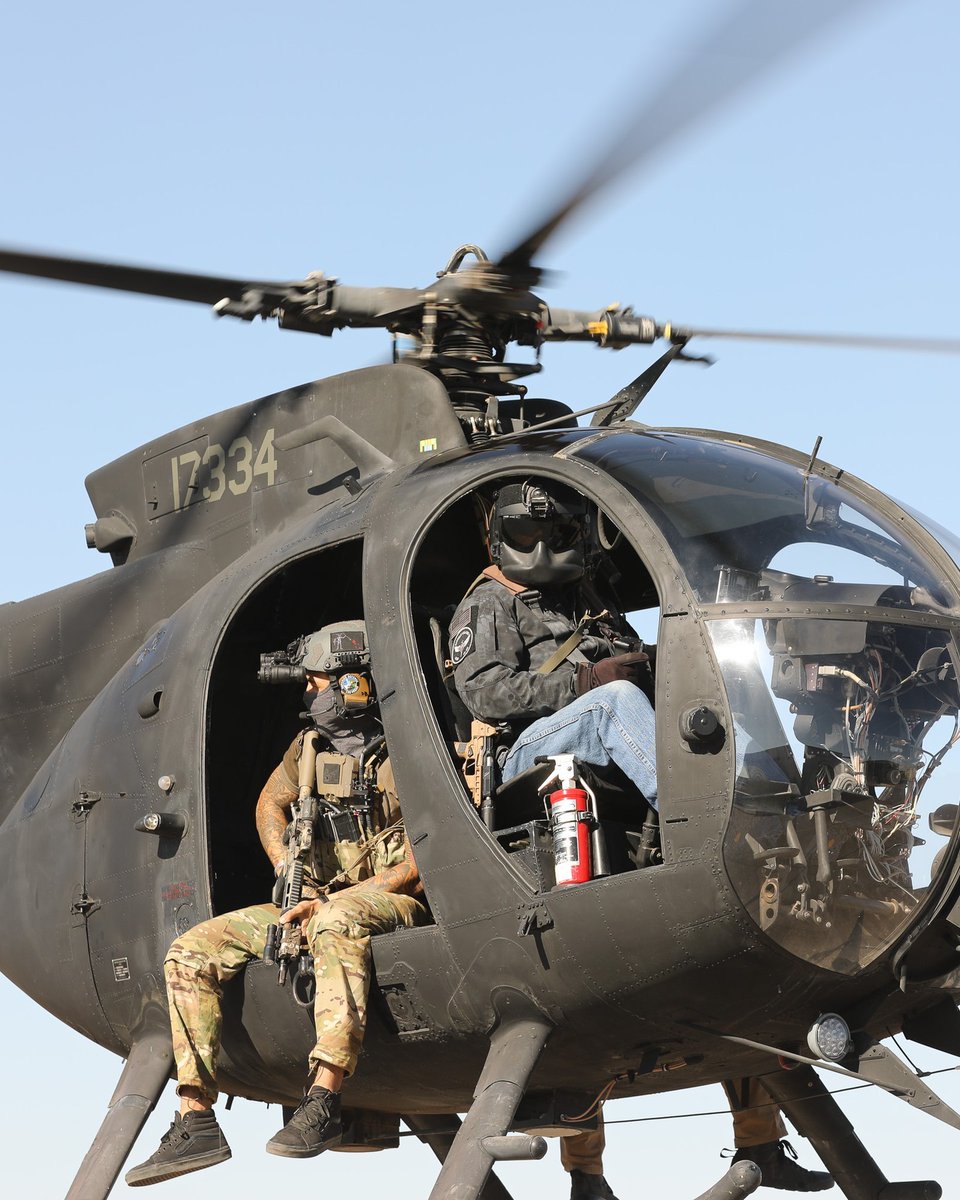
#WaveRelay #TacticalComms #MH6 #160th #pvs31 #tacticalcommunications
New MAX GAIN is live.
https://t.co/Lj79frfXI0
This one’s about scalability.
Scale is where the truth comes out.
Think about everything on the network during a real operation. Radios. Vehicles. UAS. ISR feeds. loitering munitions, targeting data. PLI. ATAK. Sensors. Supporting elements, SWARMING!... That list isn't getting shorter, it's getting longer every other day.
Wave Relay was built around the assumption that operations grow, terrain degrades links, and nobody has time to manually re-route a network mid-mission.
Most networks have a ceiling and you're going to find that ceiling when your operation scales past what the architecture was designed to handle. Feeds cut out. UAS fail. PLI is gone. Operators start working around the technology instead of through it.
Wave Relay was built around a different assumption entirely. Every node that joins isn't just a device consuming bandwidth — it's a router, a relay, a new path for data to move through. More nodes means more paths. More paths means it gets more capable. That's not a feature that showed up in a firmware update. That's the architecture.
This episode is for anyone serious about understanding why that distinction matters at real operational scale. Density is the advantage. Ep. 11 — link in bio.
SOF Week is live. Booth 540, Tampa Convention Center, Level 3 — come see it in person.
https://t.co/Lj79frfXI0
@KFCBarstool All four of our kids play/played 3 sports in high school but never played 3 sports in a season during youth - don’t fall for the fallacy that you must play any sport year round - 3 of my kids are playing a sport in college as well
Congratulations to Caleb Smith ‘24 on being inducted into the Fairfield County Gridiron Hall of Fame!!
Caleb Quarterbacked the 2023 State Championship team and holds the record for passing yards in school history.
Caleb now plays lacrosse at Boston University.
GO WRECKERS!!
Wave Relay isn't a radio system. It's the network itself.
Not a channel. Not a frequency. Not a single link.
A fabric.
Every node from dismounts, vehicles, drones, or sensors... become part of the same system.
Just a flat network where node density becomes the tactical advantage, not a liability.
That means you stop chasing connectivity.
Adding more people, vehicles, or drones doesn't make comms worse.. it makes it stronger. You're not stopping to troubleshoot, not reconfiguring on the fly, and not worried about one radio taking everything down. Everyone around you becomes part of the nervous system of the battlefield, helping carry voice, video, and data through whatever environment you're in... buildings, ships, urban terrain, it doesn't matter. The more Wave Relay devices in the environment, the more paths exist and connectivity just keeps adapting with you.
That's the standard.
Sam Pera sits down with @theadamholroyd - Army veteran, former 10th Mountain, and Co-Founder of @spiritussystems.
If you follow Adam or know the brand, you’ll hear things here you probably haven’t before. That’s what makes this conversation different. There’s more to him than most people see. Click the link below to watch.
https://t.co/Q7gozIAMle
With Wave Relay, every jumper is part of the network and helps move data.
-
There isn’t one critical link you’re relying on. As the formation reshapes in the air, the network reshapes with it. No single device or connection has to “hold” everything together. It just finds the path that makes the most sense in that moment.
-
Here’s something guys don’t talk about enough: data load.
-
We’re not just talking about voice. Especially in free fall—or any operation that demands tight coordination—you’re moving map data, ATAK overlays, live position updates, ISR feeds. That’s not lightweight traffic. That’s high-throughput data moving through a constantly changing environment.
-
The MPU5 isn’t just pushing voice; it’s moving real data. And it does it without external routers, encoders, or a mess of extra cables. One device handling routing, computing, and transport. Less clutter. Fewer failure points.
The #DualPTT simplifies team leader (TL) responsibilities, enhances communication, and provides flexibility.
-
As the TL, you have to manage your team, coordinate with supporting elements, and keep higher-ups aware of what's happening. That's a lot going on even in a non-combative scenario. At a minimum, you would have to communicate on the internal team net and the channel that higher-ups at the Tactical Operations Center (TOC) are on.
-
In the past, managing multiple channels often required a dedicated Radio Telephone Operator (RTO) by your side at nearly all times. They'd handle sending SITREPs and relaying info between you and higher-ups while you control your team via the team's internal frequency on your radio.
-
With the #MPU5 and Dual PTT, you now have the ability to control two talk groups using a single radio. This reduces your reliance on an RTO, giving you and your team more freedom and adaptability during an op.
-
The Dual PTT has two independent channel and volume knobs, and each knob can be switched to one of the 16 different talk groups. This flexibility means you can adapt to your mission's needs by having quick and effective comms with anyone on the pre-set talk groups.
-
Additionally, there are two PTT buttons that you can easily distinguish by feel. When you're wearing a stereo headset, the Dual PTT routes one talk group's audio to your left ear and the other talk group's audio to your right ear, allowing you to manage multiple conversations effortlessly.
-
So, with the Dual PTT, managing these vital talk groups becomes a straightforward and efficient process, tailored to the demands of modern tactical operations and your mission-specific needs.
-
-
-
#WaveRelay #TacticalComms #MH6 #160th #pvs31 #tacticalcommunications
The #DualPTT provides audible talk-group notifications in your headset. You no longer need to memorize the nets, a frequency plan, or the channel wheel. In a gunfight you shouldn't need to count "clicks" on a knob to communicate.
-
Imagine you're in a #TIC, and you need to switch to Fires net for a #CFF (Call for Fire) mission. In the past you needed to memorize the op frequency list or pull out a cheat sheet, find the "Fires" frequency, cross-reference it to the channel, rotate the channel dial, and then check the radio to confirm it's on the "Fires" frequency. Think about what that would be like at night under NODs...
-
With the MPU5's Dual PTT, when you change the Talk Group, it uses Android text-to-speech, to audibly announce the channel and talk group name in your headset.
-
Here is how it works:
Let's say channel 14 is 'Medevac'. When you turn the Dual PTT knob to 14, you'll hear "14 Medevac" announced.
-
It's a modern solution to an age-old problem, designed to keep you focused, reduce the cognitive load, and enhance your overall effectiveness.
-
-
-
#WaveRelay #RDC #deathfromabove #specialwarfare #closeairsupport #TACP #JTAC #deathoncall
Flash Override: Instant Threat Communication Across All Talk Groups.
-
In tactical operations, time is often your most precious resource, and when a threat suddenly emerges, that information needs to be disseminated immediately.
-
Flash override was designed for situations like this. It ensures that your voice takes top priority on the network. It doesn't matter if there's ongoing communication or background chatter; your message becomes the immediate focus. There's no more waiting in line – your critical information is passed to ALL PTT talk groups instantly.
-
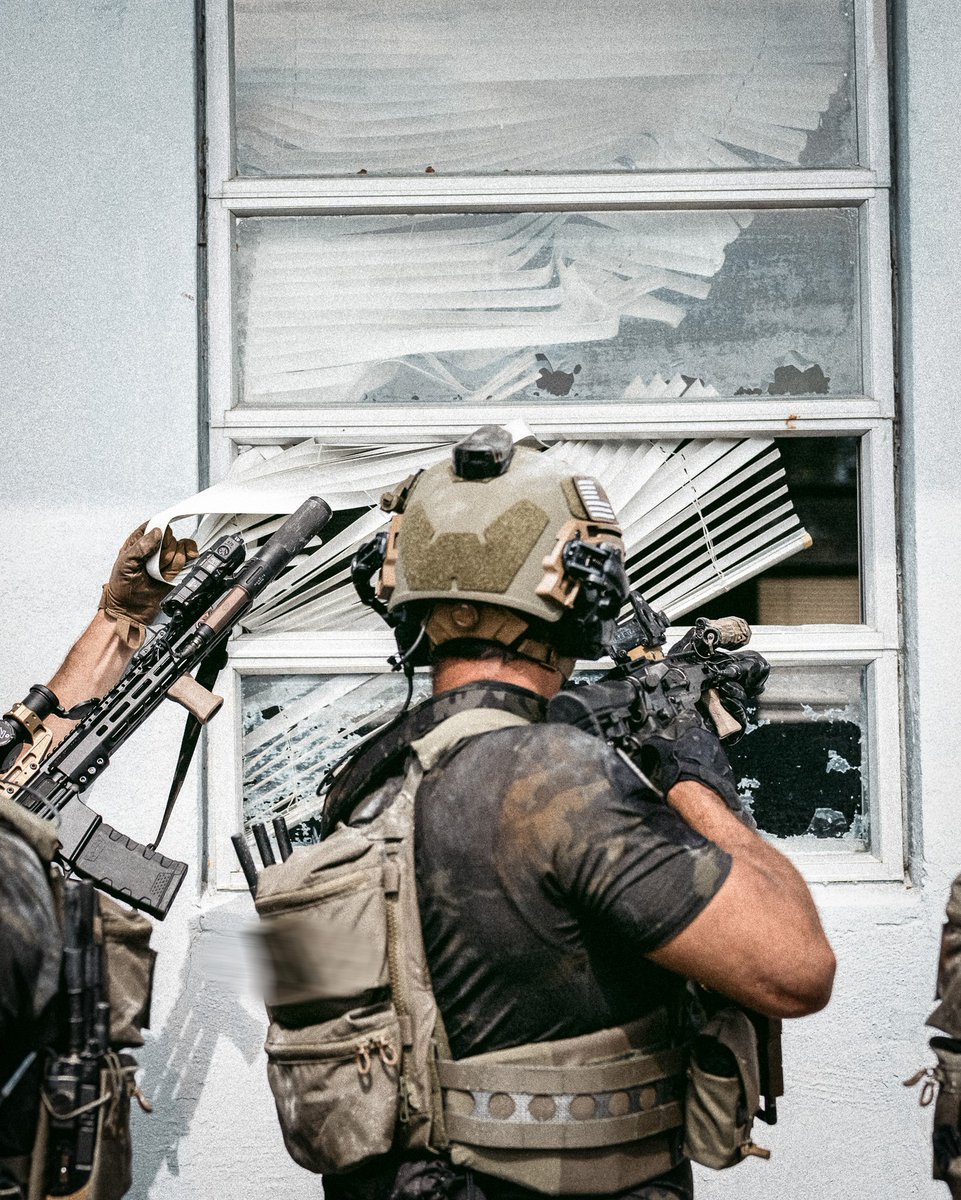
So, when you're staring down a threat from an exterior window, simply triple press a talk group on the #DualPTT to activate flash override to ensure each team inside gets the information they need before stepping into a dangerous situation.
-
What's your CQB approach? Dynamic or deliberate?
-
-
-
#MPU5 #WaveRelay #TacticalComms #CQB #platecarrier #SWAT #tacticalcommunications #ussocom #multicamblack #multicam