I spent the summer researching technical standards and their (underrated) role in shaping civilization.
The results of that exploration are being published today:
Standards Make the World
https://t.co/Ft2rI2DHh4
"The garages of Silicon Valley are no myth. And no accident." -@stewartbrand
I maintain that historians will look back and determine the American dream was never about homeownership—it was about *garage* ownership.
It could actually be a significant problem that Europe doesn't have enough garages. This sounds like a joke, but I'm serious. Garages let you work on stuff that doesn't matter yet, which is how big things often start. The outliers of ideas need the outliers of space.
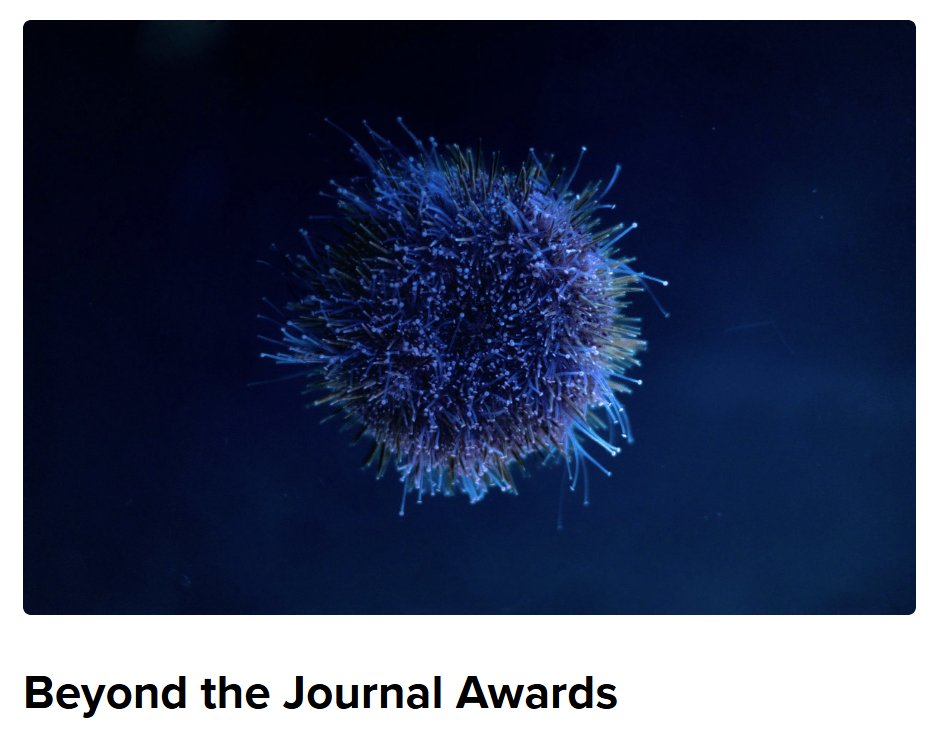
If you’re looking for inspiration and worry it’s truly impossible to operate differently in science, take a look at some of these folks who are quietly redefining what is possible without permission or guarantees. Huge kudos to the recipients and thanks to @davidtlang for showcasing them!
https://t.co/BcjRUINj8U
Dempsey hit a chord—a topic that’s been lighting up my private conversations lately: *Post-Founder Archetypes*
The moment feels similar to 2008, when finance careers went from highly coveted to passé. The social hierarchy seems to run on these ~20-year cycles.
The question now: what comes next?
I'll go a step further than Dempsey. I'm predicting the rise of the *bricoleur*, in the Lévi-Strauss sense of the term: someone who can make and *remake* things with the tools at hand. There's never been a better time to be a maker of things and stories, including your own personal myths.
If you're unbound by the dogma of product/market fit, the world opens widely, ready to be remade by a small group of friends.
I've also noticed the most interesting people I know are having a *terrible* time answering the "what do you do?" question. They can tell you about a project they're working on, but they'll shirk any qualifying identity description, including and especially "founder".
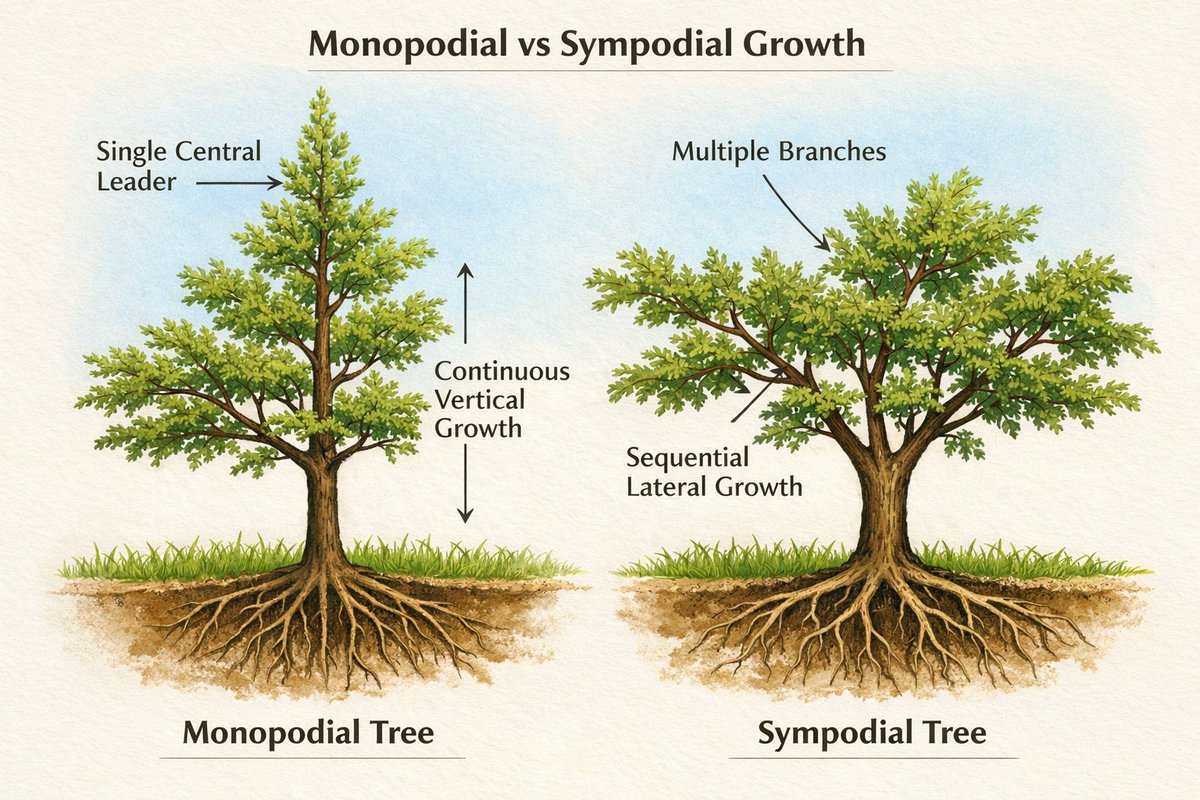
My favorite analogy comes from biology: monopodial vs sympodial growth in trees. Monopodials (like redwoods) have one big trunk and aim for continuous vertical growth. Sympodials (like oaks) grow via multiple branches. The metabolic strategies are very different. Monopodials put all their energy into growing tall quickly, whereas the sympodial plants hedge with multiple different leading edges, which is more resilient.
The next high-status career will be sympodial. Or what @zebriez called Flounder Mode—moving from project to project with people you like, and not letting your identity get too tangled up with any one of them.
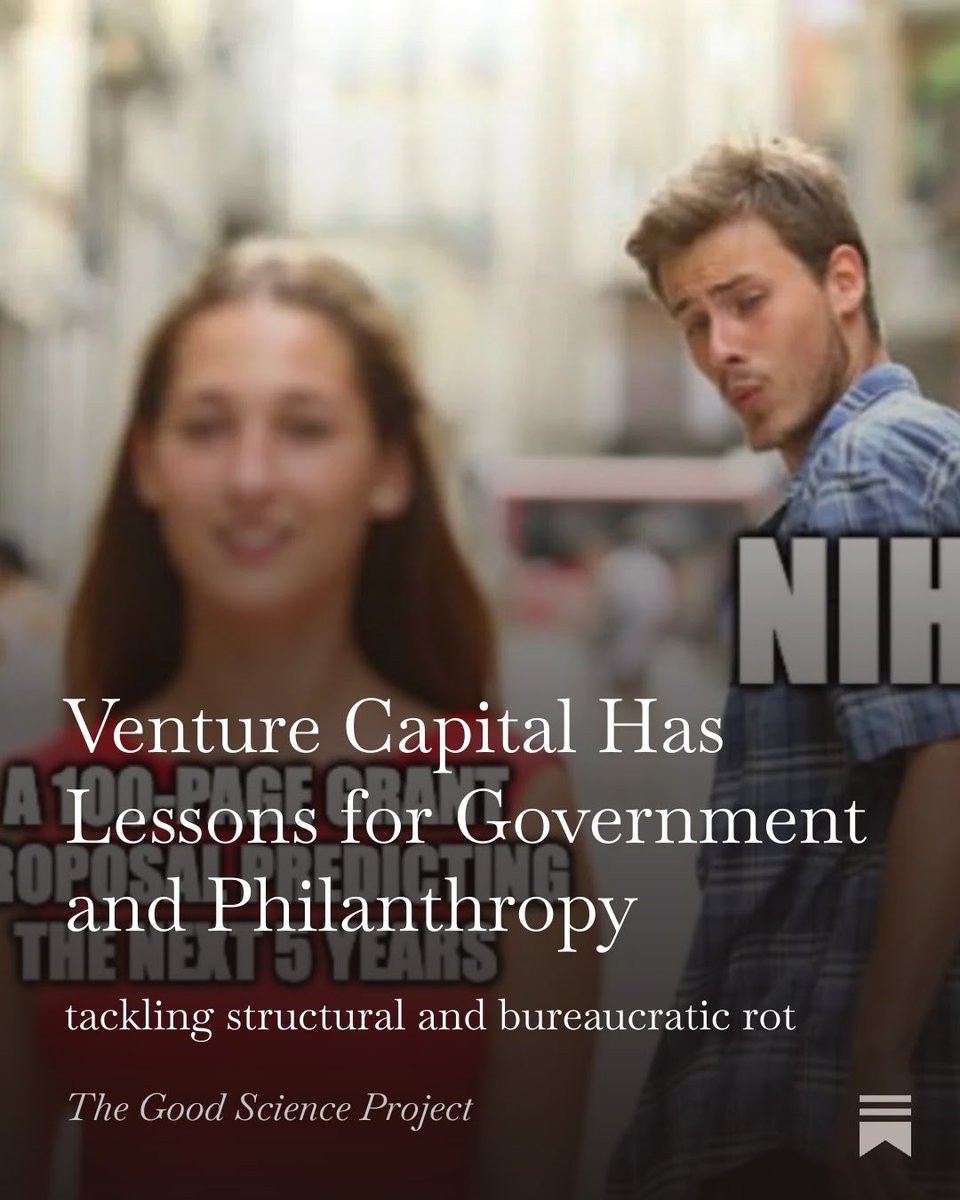
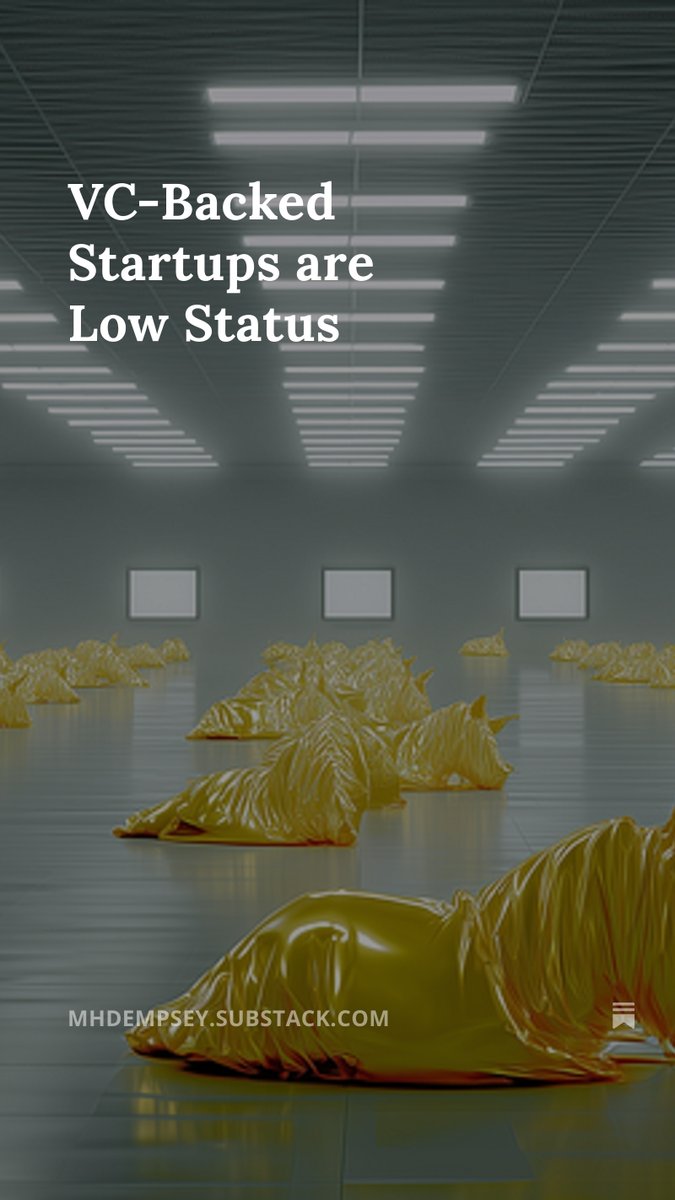
(New Essay) VC-Backed Startups are Low Status
The traditional VC-backed startup path is becoming low status in the same way investment banking did. An aesthetic collapse across institutions, ideas, and founders paired with the world's tiring of tech has recently accelerated this shift.
Some thoughts on the cascade, the generational divide, Anthropic vs. OpenAI, what comes next, and more.
@DaneMooreNBA I appreciate you Dane. If you start a subscription option—here, Patreon, whatever—I would kick in. We don’t need any bonus content or anything like that. Just to support.
1/ Today @stripepress publishes one of my favorite books to date: Maintenance: Of Everything, Part One by @stewartbrand, about the unglamorous yet civilizationally important work of maintenance and repair.
https://t.co/XEE0fUHsVA
There is a restaurant in downtown Berkeley called Comal, which has good Mexican food. I recommend it.
I suggest you go, if you can, to observe for yourself that they have SOLVED the pesky restaurant noise problem.
You can hear everyone at your table clearly, without anyone straining their voice, all while the whole place maintains a lively background buzz of conversation and ambiance.
It's a technical and design marvel. I hope they figure out how to make these tools cheap and ubiquitous.
@Parthion@willdepue@DStrachman@zeldapoem That's awesome, Parth! Thanks for thinking of us.
I can't speak for everyone, but you can support our programs here: https://t.co/WsrOrmpVq4
Or you can jump in and support a researcher directly: https://t.co/RCXF7ythw1
A perennial must-read publication.
Also, Asimov Press a great example of what a small, excellent group can accomplish. More companies should try turning their marketing budgets into a crack editorial team.
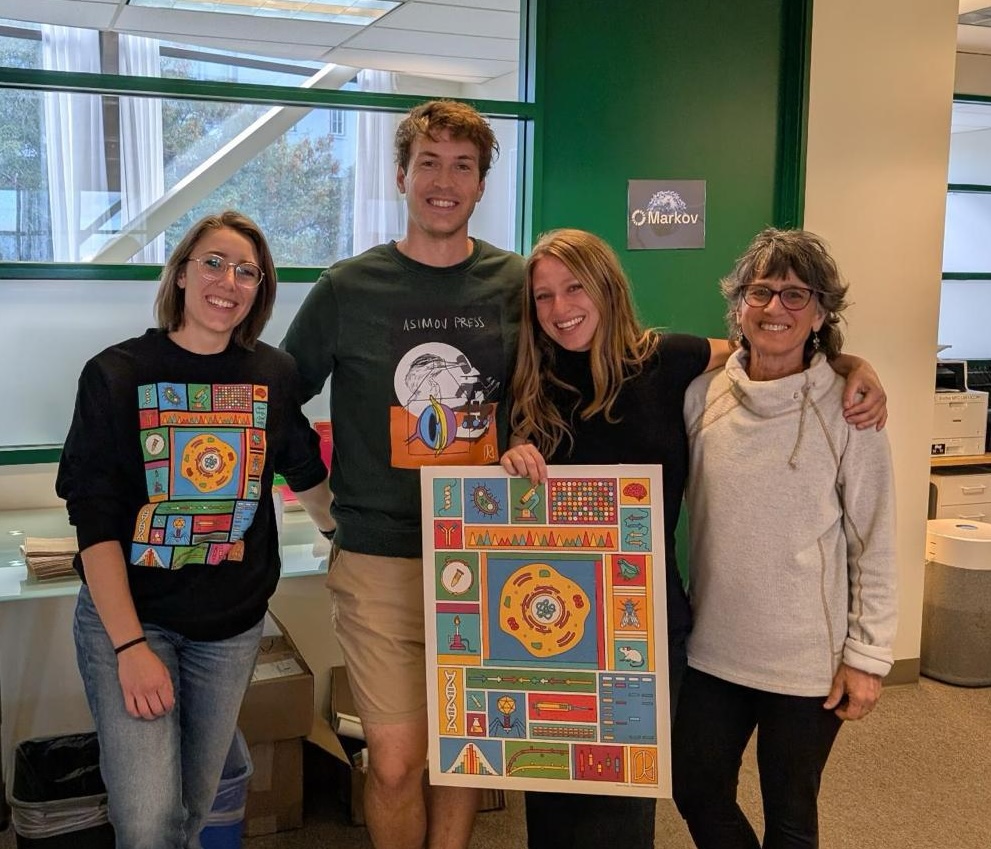
Today marks a major milestone at @AsimovPress: Our two-year anniversary!
We formally launched the magazine in December 2023; a tiny team of two operating from inside @AsimovBio.
In 2024, we published 49 articles, including a History of the Micropipette, an argument about why Mitochondria Are Alive, and quite a bit of science fiction.
In 2025, we grew our team slightly, bringing on a freelance Art Director (@EllaWD_PhD) and copyeditor (Devon Balwit), as well as some more contributing writers. This year, we published 72 articles, most of which are quite lengthy and took months to research. Thanks to funding from @AsteraInstitute and @stripe for making this possible.
I'm very grateful to be working with this team and these writers, all of whom are deeply serious about producing the best possible work. @XanderBalwit is so committed, for example, that she will occasionally drive to a writer's house and work with them in person, for hours or days, until a draft comes together.
Some memorable pieces from this year (all can be found by searching our website):
- Edwin Cohn and the Harvard Blood Factory
- Gregor Mendel's Vanishing Act
- The Battle for Better Air
- Healing My Family's Future
- The Nobel Duel
- Making the Centrifuge
- A Visual Guide to Genome Editors
- The Uncertain Origins of Aspirin
- The First Weight Loss Drugs
- How to Scale Proteomics
- What We Find in the Sewers
- A Liver on Ice
- What Makes an Experiment Beautiful?
Thanks for reading and supporting our work. See you in 2026 :)
@zachklein Me too. I recently re-read Ethan Watters' piece, Shaken, which awakens all the senses to the inevitability—and inspires preparedness.
https://t.co/vS88fXhERK
The scientific apprenticeship model needs reinvention.
Sam and the team are running more than a program—it's also a prime example of something many companies could and should be offering.
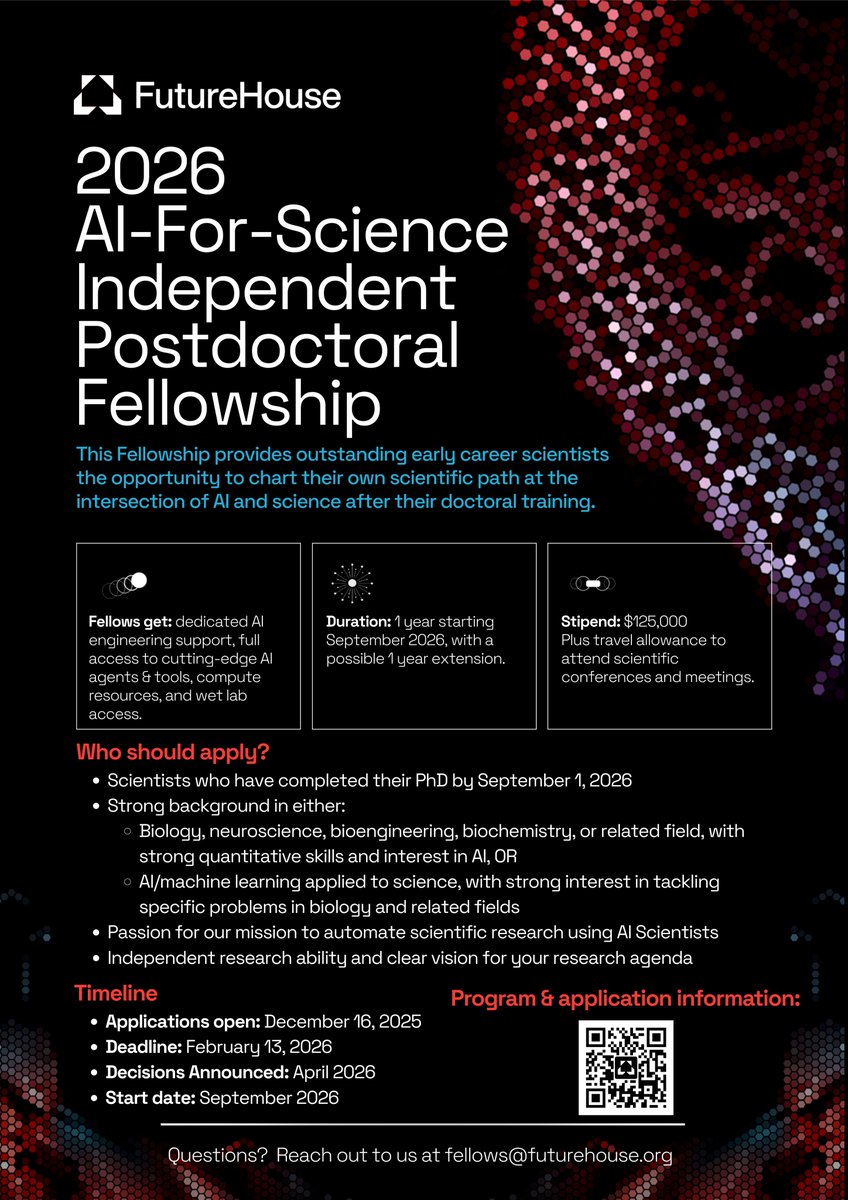
We are opening applications for our 2026 cohort of FutureHouse AI-for-Science Independent Postdoctoral Fellows! Apply our AI tools to specific problems in biology and biochemistry, in collaboration with world-leading academic labs:
--$125,000 annual stipend.
--Access to all tools developed by FutureHouse and Edison Scientific at scale, including Kosmos and several as-of-yet unreleased agents, with under-the-hood access to them to specialize them for your workflows.
--Receive dedicated software engineering support.
--1 year with possible 1 year extension.
Even more exceptional co-advisors than last year. Deadline for applications is February 13th, 2026. Link in next post.