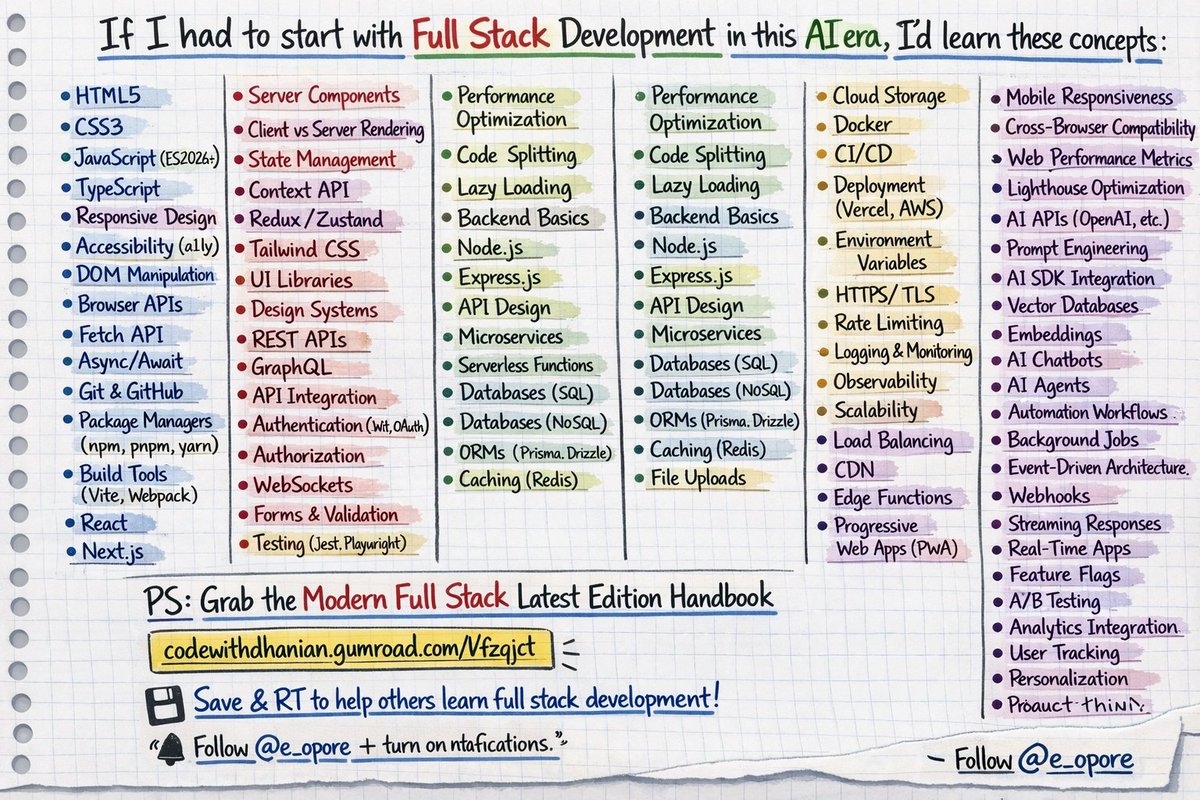
for anyone asking where to learn this stuff:
• RAG → https://t.co/4bzbUIwV5g
• Agentic RAG → https://t.co/IotOiGmV1Y
• AI Agents → https://t.co/nEeMnVJQbk
• Multi-Agent Systems → https://t.co/pavDPVJEFj
• LangGraph → https://t.co/3miEqqFzF0
• LangGraph (code) → https://t.co/v7kxHZXqba
• MCP → https://t.co/lKawRb4etX
• Memory Systems → https://t.co/LSaT2UaPAS
• Evals → https://t.co/vxChxa1kqQ
• Context Engineering → search "Context Engineering Survey" on arXiv
and please skip the "build an ai agent in 10 minutes" videos
build something, watch it fail, then figure out why.
Toru Miyazaki gave 11 cats with advanced kidney disease an experimental injection. 15 others didn’t get it. A year later, 9 of the 11 treated cats were alive. Only 3 of the 15 untreated cats survived. He just filed for approval, and the drug fixes a defect only cats have.
Most cats die from one thing: their kidneys fail. By age 10, 4 in 10 cats already have chronic kidney disease, and by age 15, the rate doubles to 8 in 10. Once diagnosed, a cat has about 2 years left.
The reason kidney disease hits cats so hard is a broken protein in their blood. All mammals carry a protein that helps the kidneys clean out waste. In humans and dogs, the protein floats freely and goes to work when the kidneys are in trouble. In cats, it stays stuck to another protein and can’t get loose. So the waste piles up, and the kidneys eventually give out.
Miyazaki originally found the protein in 1999, back when he was at the University of Tokyo. He figured out the cat-specific glitch in 2015. The paper he published in the Veterinary Journal in February laid out the trial. The injection is a working version of the missing protein. His company, the Institute for AIM Medicine, filed the approval paperwork with Japan’s Ministry of Agriculture on April 24, 2026. If the review clears, the drug goes on sale in spring 2027.
The 30-year lifespan figure in the tweet is Miyazaki’s own projection of what cats could reach without kidney disease. The trial only ran a year, and the average cat today lives 15. Most die from the same disease this injection treats.
The research almost died in 2020. After running out of funding during COVID, Miyazaki went public. Cat owners across Japan responded by sending in 300 million yen, around 2 million dollars total. He resigned from the University of Tokyo and worked on the drug full time. The treatment in front of regulators today exists because cat lovers refused to let the research die.
Este repositorio es una joya. Te da todos los pasos e instrucciones para proteger y asegurar tu servidor Linux.
Perfecto por si tienes un servidor propio o VPS:
https://t.co/yJD2GnXFPj
6 algorithms that'll help you load balance traffic:
1 Round robin
→ Load balancer forwards the request to the servers in a sequential order
2 Weighted round robin
→ Load balancer forwards the request based on server capacity
3 Least connections
→ Load balancer forwards the request to the server with the fewest connections
4 IP hash
→ Load balancer forwards the request based on client's IP address
5 Least response time
→ Load balancer forwards the request to the fastest responding server
6 Adaptive
→ Load balancer forwards the request based on server health
What else should make this list?
¡Vaya tesoro! Colección de APIs gratuitas de modelos de Inteligencia Artificial. Sin pagos y con límites claros.
✓ +20 modelos disponibles
✓ ChatGPT, DeepSeek, Gemini, Qwen y más
✓ Con requests/minuto y tokens por día
→ https://t.co/6j9yC6kwab
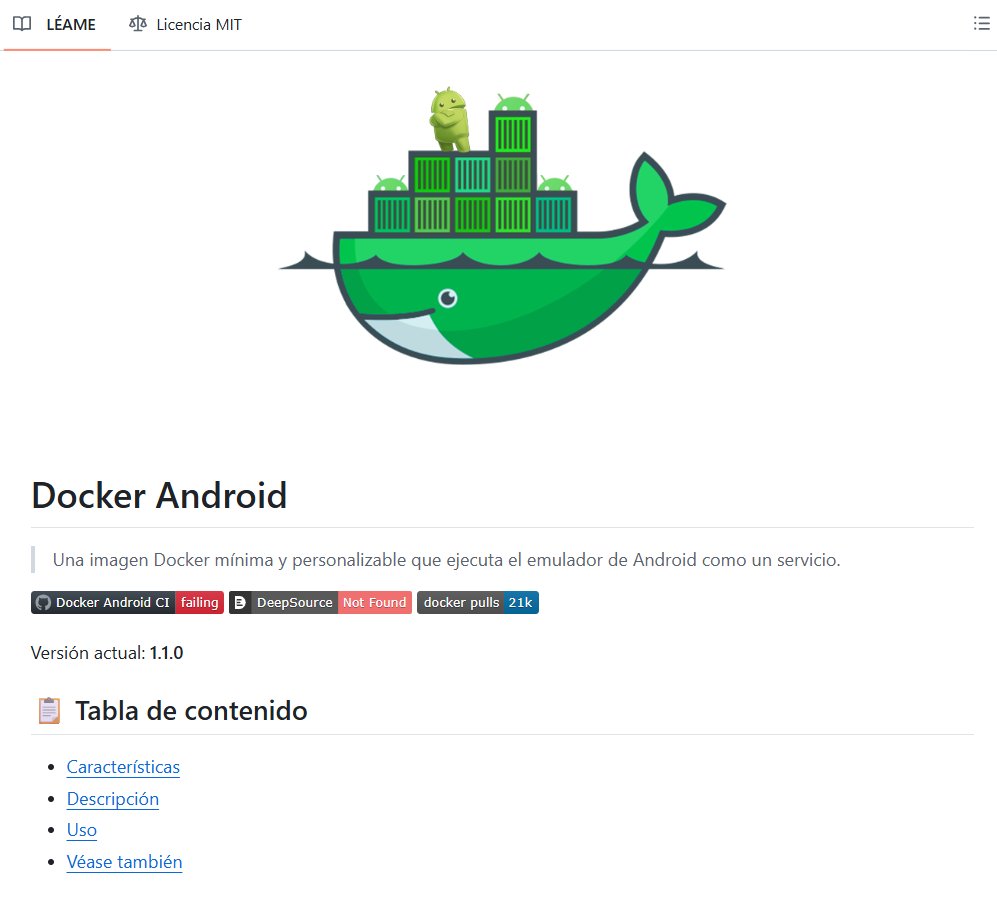
Existe un emulador de Android que se ejecuta dentro de Docker.
Te permite lanzar un dispositivo Android completo en tu ordenador con un solo comando.
Incluye aceleración por GPU, soporte KVM y ejecución headless.
Es gratis y 100% open-source 👇
Today we’re introducing a new Legal Agent in @Microsoft Word, built to support the precision and rigor legal work demands. Every clause matters. Every redline tells a story. That’s why this agent was built to follow the structured workflows lawyers use while keeping them fully in control.
Early in my career, I asked for a computer on my desk because I believed technology could change how lawyers work. It did. Today, I believe this next generation of tools will do the same, grounded in trust and responsible use.
99% of AI Engineer interviews are these 7 concepts repeated:
→ Prompt Engineering: control the model without touching weights
→ RAG: inject fresh knowledge, kill hallucinations
→ Fine-Tuning: own the model's behavior end-to-end
→ Vector Embeddings: semantic search at machine speed
→ Chain-of-Thought: force step-by-step reasoning, unlock hard problems
→ Eval Metrics: BLEU, ROUGE, LLM-as-judge. Measure or you're guessing.
→ MLOps: CI/CD, drift detection, production pipelines. Ship it or it doesn't exist.
Master these 7. Pass 90% of AI interviews.
New course: Spec-Driven Development with Coding Agents, built in partnership with @jetbrains, and taught by @paulweveritt.
Vibe coding is fast, but often produces code that doesn't match what you asked for. This short course teaches you spec-driven development: write a detailed spec defining what to build, and work with your coding agent to implement it. Many of the best developers already build this way.
A spec lets you control large code changes with a few words, preserve context across agent sessions, and stay in control as your project grows in complexity.
Skills you'll gain:
- Write a detailed specification to define your mission, tech stack, and roadmap, giving your agent the context it needs from the start
- Plan, implement, and validate features in iterative loops using a spec as your agent's guide
- Apply the same repeatable workflow to both new and legacy codebases
- Package your workflow into a portable agent skill that works across agents and IDEs
Join and write specs that keep your coding agent on track!
https://t.co/hI4GwuvhtN
La verdad es que lo siento por la frase pero sigo pensando que destruye el rendimiento de la página sin necesidad alguna y que lo mejor es que la gente despierte sobre eso. 😂
Pero estoy de acuerdo que todo son trade-offs. Sólo que ahora mismo los de Google Fonts son demasiados.
Eso sí, también se pueden bajar las fuentes de Google Fonts y hospedarlas y ya está, sólo que Font Source es mucho más cómodo para hacerlo.
Aquí tienes una fuente con todas las explicaciones que necesitas más detalladas:
https://t.co/iSiCrIYkBm
Por otro lado, creo que es importante hablar de esto, ya que mucha gente tiene la falsa creencia que la MEJOR manera de usar fuentes en tu web es Google Fonts.
Todavía hay gente que cree que se cachean entre usuarios y es algo que dejo de hacerse por seguridad desde hace tiempo (https://t.co/Z6Hntaew2G)
Sin contar a nivel europeo los problemas de GDPR siendo consideradas ilegales si no se pedía permiso del usuario: https://t.co/pW5t1g0zw8
Y es que no me da un tuit para hablar de eso. Creo que es fácil entablar una conversación, preguntar y aportar las ideas en el mismo hilo. Creo que este ha sido una oportunidad perdida para eso.
Ah, y Google Fonts sigue siendo útil. Me parece un catálogo genial para encontrar fuentes y para prototipar rápido. :)
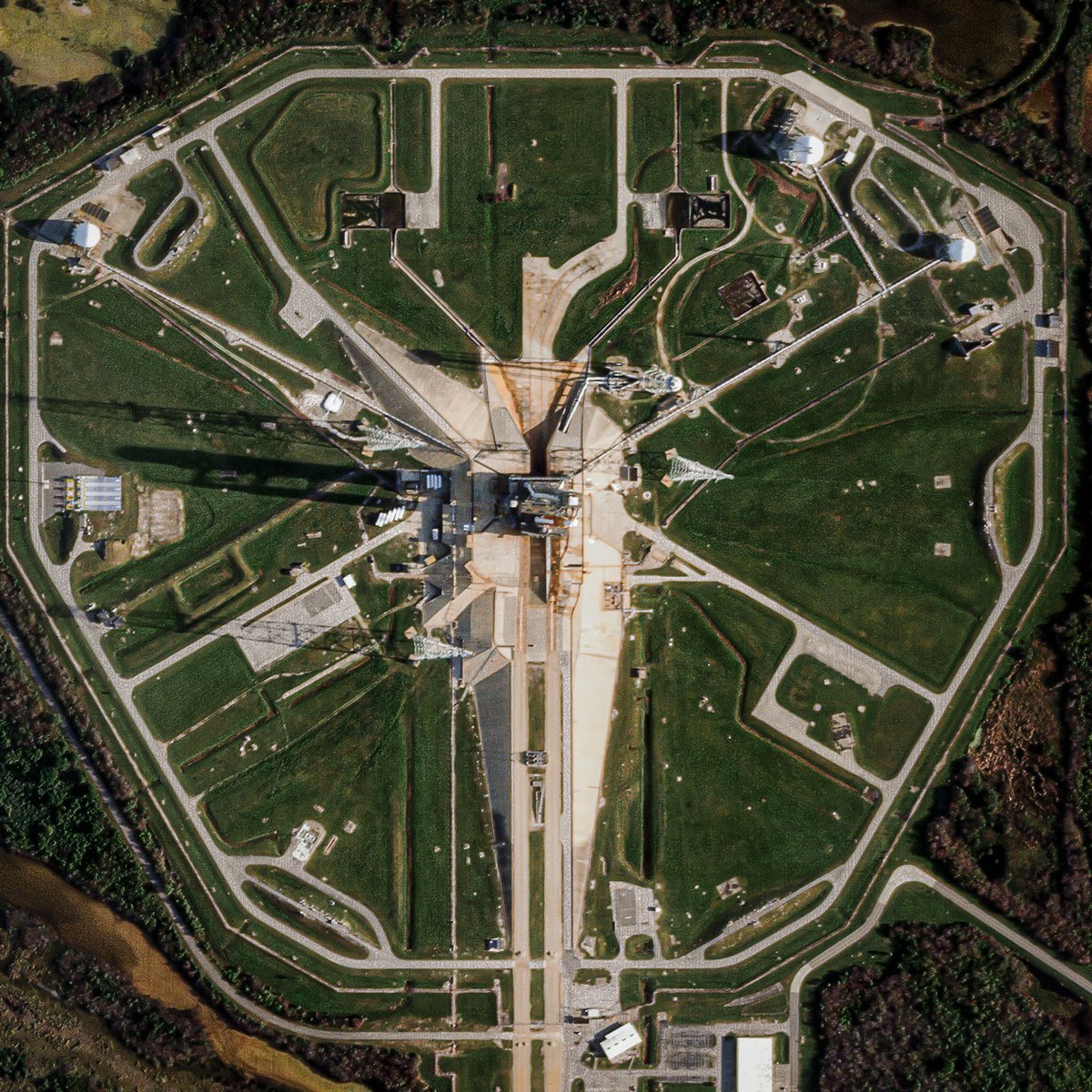
Today marks a historic return to the moon for @NASA! 🚀 We captured this view of NASA’s Space Launch System rocket and Orion spacecraft on the launch pad earlier today. Here we go!
(1 & 2) SkySat • Kennedy Space Center, Florida, United States • April 1, 2026
En la era de la #InteligenciaArtificial🤖: “¿El PDF está quedando obsoleto?”
Hace unos días me encontré con una publicación donde se cuestionaba si el PDF📄estaba en camino hacia el desuso frente a CRD (Compute-Ready Document).
🔸Entre otros aspectos, la publicación se enfocaba en dos puntos:
1⃣. Cuando un modelo procesa un PDF mediante sistemas de recuperación (RAG), el documento se fragmenta sin criterio semántico. Provocando:
☑️Métodos se separan de resultados.
☑️Gráficas de sus leyendas.
☑️Conclusiones sin contexto.
Este problema no es solo técnico. Es un tema de #ArquitecturaDeLaInformación y también de integridad científica, ya que, si la IA no distingue estructura ni procedencia, ¿cómo diferencia investigaciones científicas de contenido fraudulento?
2⃣. El Compute-Ready Document (CRD) como reemplazo del PDF. Al ser documentos diseñados, desde su origen, para ser comprendidos por IA, con datos estructurados, metadatos y trazabilidad (DOI, ORCID, revisión por pares).
Pero aquí abro el debate👇🏽:
🔹I. Suponiendo que el PDF está rumbo a la obsolescencia, ¿quién debe definir el nuevo formato del conocimiento computable? ¿Las universidades, organismos, editoriales… o las grandes empresas tecnológicas?
🔹II. Cuando una IA genera una respuesta basada en cientos de artículos académicos, ¿cómo se distribuye la autoría, el crédito y la responsabilidad jurídica? ¿Estamos frente a un vacío del #DerechoTIC o ante la necesidad de nuevos estándares de trazabilidad?
🔹III. Si el valor ya no está en “leer el paper” sino en “usar la respuesta generada por IA”,
¿quién captura ese valor? ¿La comunidad científica o las plataformas que intermedian el conocimiento?
🔹IV. En caso de que la IA se convierta en la principal intermediaria del conocimiento científico, ¿quién audita sus sesgos? ¿Quién garantiza que no reordene prioridades científicas según criterios opacos?
☝️Cierro con una pregunta final: ¿Estamos rediseñando la arquitectura del conocimiento pensando en el interés público o en la eficiencia del mercado tecnológico?
In case you didn’t know, React didn’t invent RSC, SSR, or Hydration, conceptually:
SSR is Express:
app.get('/', (req, res) => {
res.render('index', { name: 'John' })
})
RSC is Pug:
if name == "Bob"
button(class="btn") Hello Bob
else
button(class="btn") My name is #{name}
Hydration is jQuery:
$('.btn').click(...)
That’s why there’s no window in SSR, and you can’t set onClick in RSC, and you have hydration errors in jQuery too (such as a typo of .btn) but with a less fancy name.