"I've never felt lonely, and I don't feel lonely now, but from the moment I saw you, I started to wonder. You know, nothing will ever be the same again."
(Daphne du Maurier, The Birds)
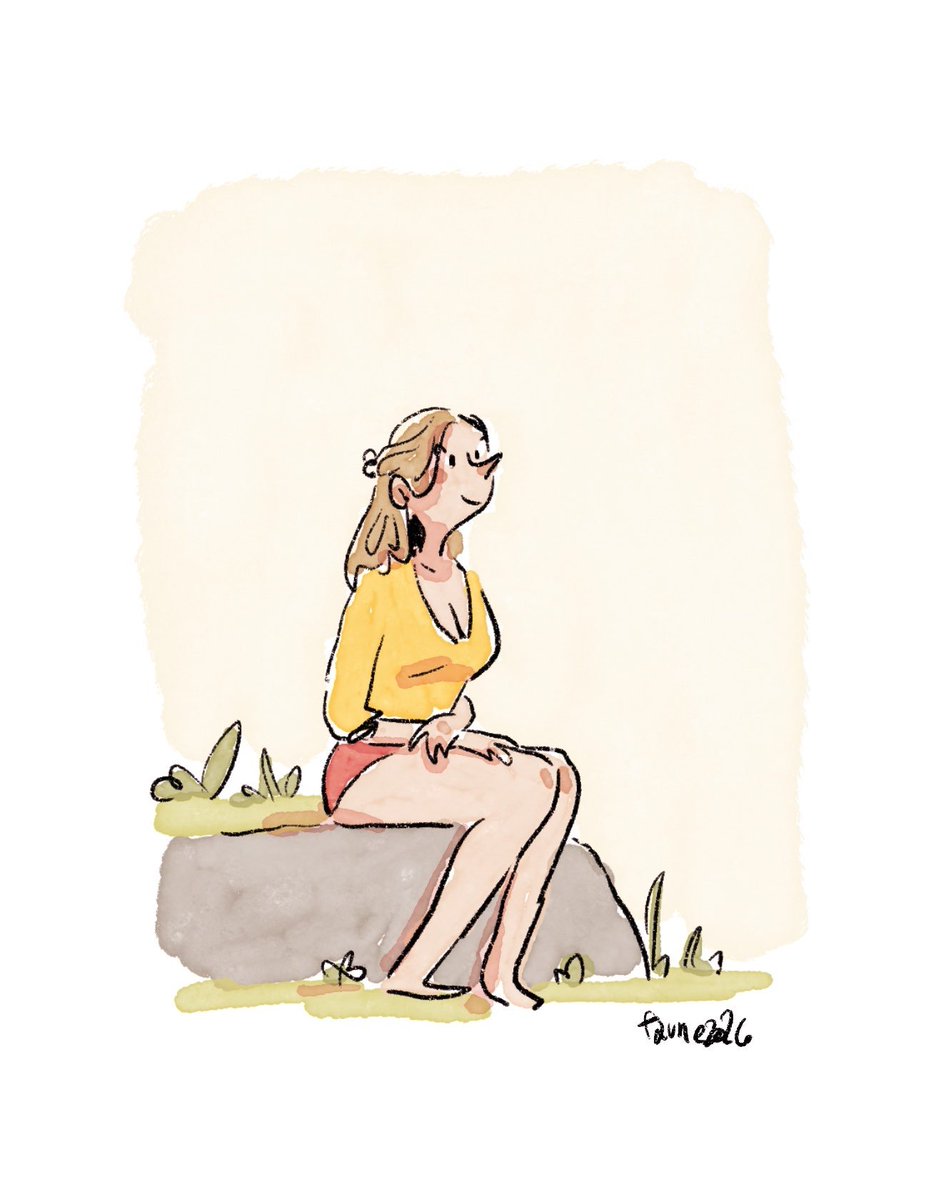
Louis Servedio-Morales artwork
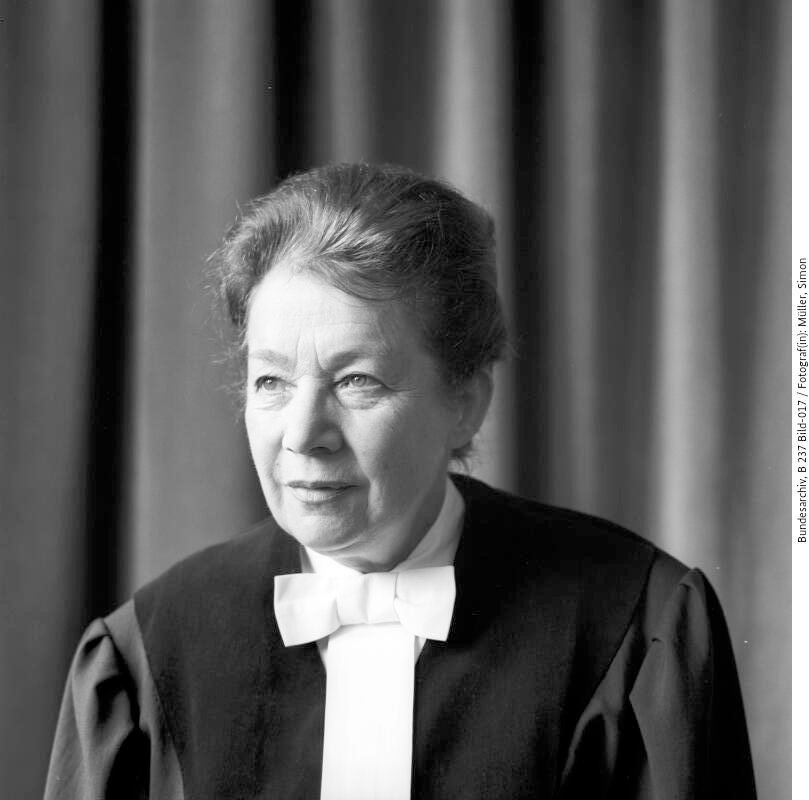
Endgültig klaute 1959 Erna Scheffler, erste Richterin am Bundesvrefassungsgericht, dem Patriarchat die Kronjuwelen.
Das Oberste Gericht erklärte den väterlichen Stichentscheid, wonach im Streitfall der Ehemann das letzte Wort hatte, für verfassungwidrig.
3/3
UK suffragette Charlotte Marsh of the Women's Social and Political Union and one of the first women to be force fed during one of her several imprisonments for militant actions, poses for first female press photographer Christina Broom, Hyde Park, 1910 #womensart
As a man, I’ll say period blood is gross. Women should have enough shame to keep their periods private instead of constantly announcing them like everyone needs to know.
“I was angry about the human talent that was lost just because it was born into a female body, and the mediocrity that was rewarded because it was born into a male one.”
Gloria Steinem
Hysterical individuals, in their passionate love affairs, fail to love themselves because of over-identification with the internalized object, but they still pursue an external object that is highly idealized.
Im September 1969 machte die SPD mit dem knackigen Slogan "Wir haben die richtigen Männer" Wahlkampf. Die erfolgreiche Gesundheitsministerin Käte Strobel und all die anderen engagierten Parlamentarierinnen und weiblichen Parteimitglieder waren lieb mitgemeint.
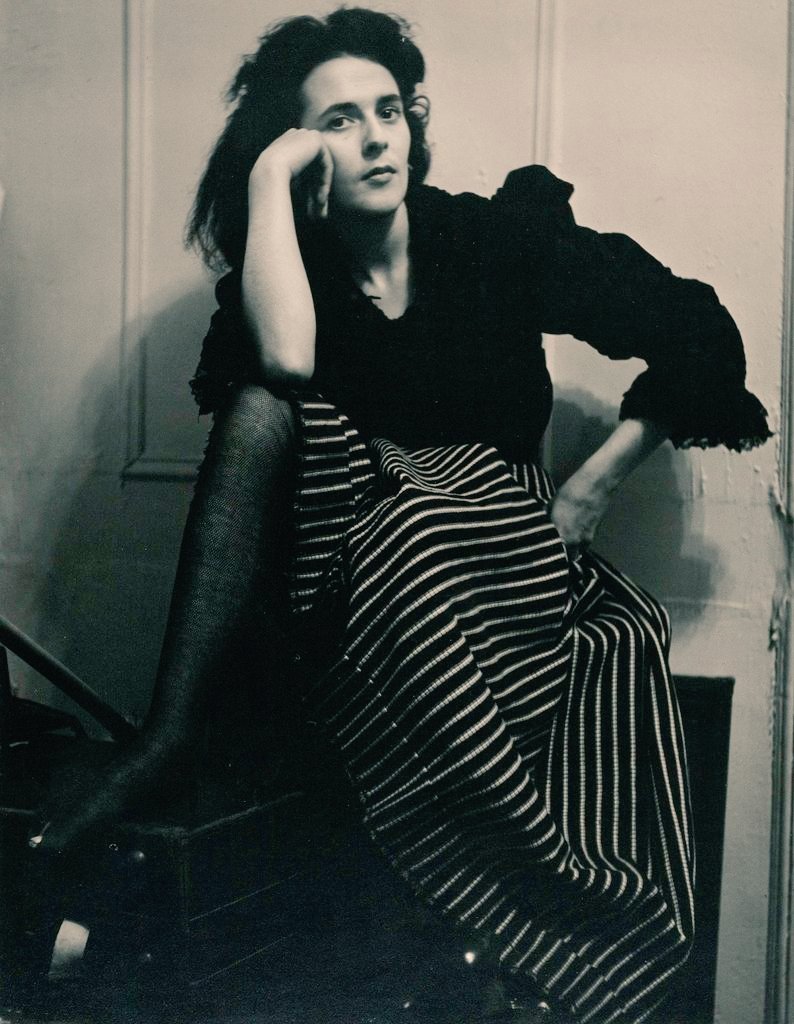
Lee Miller, US photographer whose images at the end of WW2 at Dachau concentration camp helped to expose the horrors of the Holocaust created by the Nazi regime #WomensArt
In Inhibitions, Symptoms and Anxiety (1926), Freud again took up the problem of affects and, in particular, of the anxiety affect. The main points of Freud's new theory can be summarized as follows:(1) Anxiety is not the result, but the motor of repression.
— Edith Jacobson
"Männer und Frauen sind gleichberechtigt" - diesen Satz setzte Elisabeth Selbert gegen massive Widerstände durch und brachte ihn ins Grundgesetz. Viele Gegner befürchteten, dass der Satz dazu führen würde, dass das BGB in vielen Punkten umgeschrieben werden müsste.
2/3