Swarup Babu should change the handle name to Vidura: the straight-talking realist who values fairness, common sense, and calling out folly without drama. Full mark to @grok 😀
Hey @grok
based on my entire post and comment history, what Mahabharat character best matches my personality?
Which one would be my friend and who’d be my foe?
@saipjena@manas_muduli Similipal during peak touring season- crowded, too much dust, less greenery & almost zero chance of spotting either animals or birds 😀
@saipjena@manas_muduli Already stayed in 10 Nature Camps. Sabu jagare sei eka feeling ase - jemiti bahut abhab bhitare bhoka mentaiba pain prayas chalices.
Need to upgrade the standard slashing the price.
In 1986, a five-year-old boy in India fell asleep on a railway station bench while waiting for his older brother. His brother never returned.
The boy, thinking his brother might be inside, climbed into an empty train compartment to look for him. There, he fell asleep again. When he woke up, the doors were locked and the train was moving. The train didn’t stop for nearly two days. When it finally did, he had reached Kolkata — about 1,500 kilometers away from his home. He was so young that he didn’t know his full name, couldn’t read, and couldn’t even tell the name of his village.
For several weeks, he wandered alone on the streets. He slept under railway station benches and survived on whatever little food he could find. Eventually, he was taken to an orphanage and declared a “missing child.” No one could figure out where he had come from
After some time, a couple from Tasmania, Australia, adopted him. They gave him a loving home, and he began a new life. His name became Saroo Brierley, and he grew up on the other side of the world.
But he never forgot his past. He had some faint memories — a bridge near a railway station, a water tower, the layout of his neighborhood, and the faces of his family.
When he was about 25 years old, he learned about Google Earth. He estimated how far a train could have traveled and created a radius around Kolkata, then began searching towns along railway lines in that area. For weeks, he spent around 30 hours each week studying satellite images, trying to find something familiar. Even his Australian family didn’t know what he was doing — they thought he was just browsing the internet.
Finally, in 2011, after years of effort, he found the place — a water tower, a bridge, and a ditch near the station. The location was Ganesh Talai area in the city of Khandwa, Madhya Pradesh. He zoomed in and recognized the streets where he had once walked as a child.
He came to India and, wandering through the streets of that town, eventually reached his home. The door was closed, and he feared that everything might be lost. Then some people came out and took him to a woman.
She was his mother. She had never stopped searching for her son for 25 years. After all those years, they stood face to face again
He later learned that the brother he had been waiting for that night had died after being hit by a train. His mother had searched for both her sons for 25 years — she learned the truth about one, but never lost hope for the other.
His story was later written in the book A Long Way Home, and it was adapted into the film Lion, which received six Oscar nominations
Moderator: You once wrote India's policy is to engage America, manage China, cultivate Europe and reassure Russia
S Jaishankar (joking): You forgot a fifth country: Japan. I have to say that otherwise I'll be in trouble at home with my wife
One thing is certain - Accenture, TCS, Infosys, Wipro, HCL and many more companies helped millions of Indians move from a lower middle class financial status to an upper middle class and upper class status.
People with zero assets, no family background have built houses, given good education to their children, taken care of their families - All because they made good money.
People travelled abroad, saved well, roamed around, took their parents abroad to show them how developed world looks like. None of this would have happened without the advent of IT companies in India. One can hate them as much as they want but the IT companies built Modern India and Modern Indian homes🤩
For 60 years the blue tits of Britain broke into the milk on your doorstep, and all they ever took was the cream.
It was first seen in Swaythling, near Southampton, in 1921. A blue tit landed on a bottle, pecked through the cap and drank. By the 1950s every tit in the country seemed to know the trick. Housewives put out saucers, stones and upturned cups. The birds learned to follow the milk float down the street and be waiting at the next step.
You will remember the bottle. Silver foil on top, and beneath it 2 inches of thick yellow cream that had risen overnight, with the white milk underneath. The first one down in the morning got it on the porridge.
That cream was the whole point of the burglary. A bird cannot digest milk. It has no means of handling the sugar in it. Cream is nearly all fat, with very little sugar, so the tits drank down to the line and stopped.
A wild animal weighing 11 grams, with every bird table and berry bush in the street to choose from, worked out how to open a sealed container to get at butterfat.
Then the habit died, in about 10 years. Nobody trapped them or changed the caps. The milk changed. It was homogenised so the cream no longer rose, then skimmed so it was hardly there, then moved to a plastic jug in a supermarket.
The blue tits inspected the red top, found nothing in it worth stealing, and went back to the hedge.
They were the last creatures in Britain to judge a pint of milk on what was actually in it.
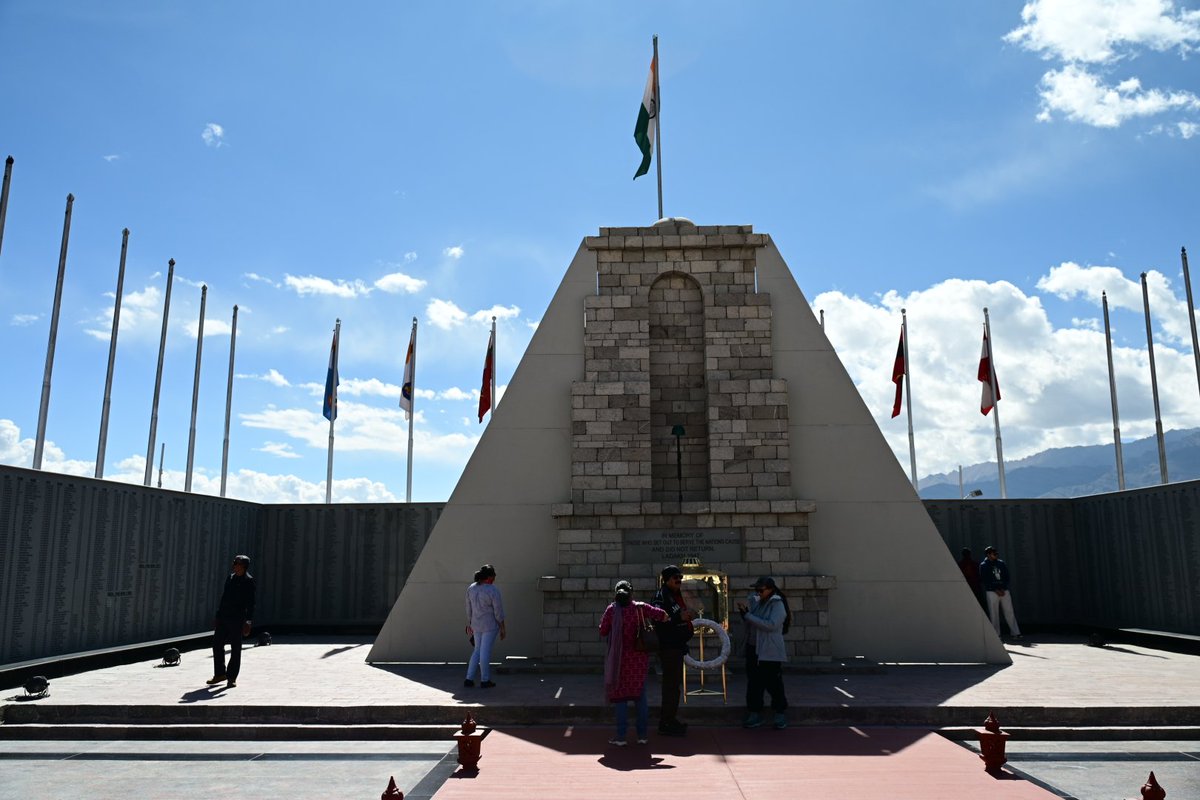
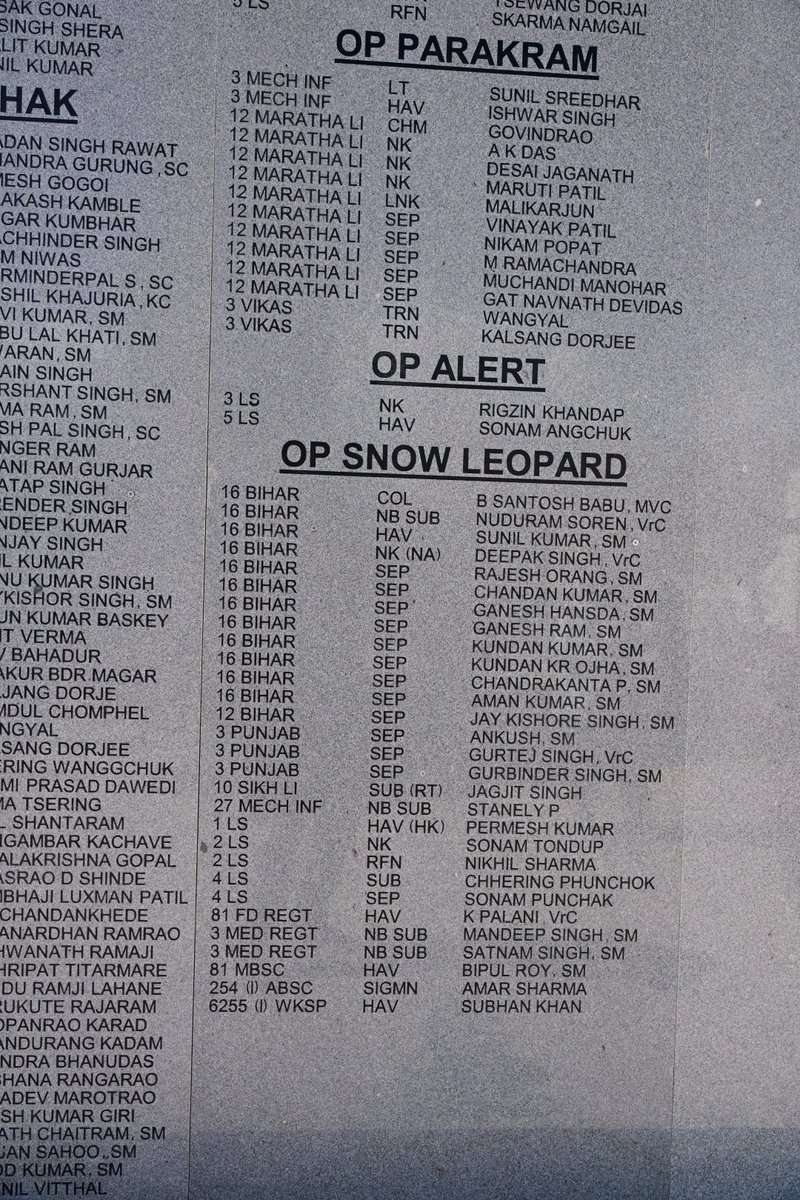
Opened our Leh-Ladakh tour paying humble homage at Hall of Fame War Memorial, Leh. It was a deeply moving experience. Many of us were in tears listening to the tale of sacrifices made by the brave soldiers of Indian Armed Forces, from Mr Shamim of Ladakh Scouts. Jai Hind 🙏
Festive traffic is a nightmare for Bhonsarias. Why are puja pandals allowed to build decorative gates encroaching a few feet of the blacktop on both sides causing traffic bottlenecks?
@cpbbsrctc may please look into this.
Heavy rain increasing number of ontoad four wheelers, security barricades for the assembly session and political protests have caused terrible traffic jams for commuters.
Complete lawlessness or total rule of law?
#Nice view of Master canteen, Bhubaneswar
#Thanks to the the person who captured the reality of smart , planned city of Odisha
#Bhubaneswar
https://t.co/IINDAVVaSV