Bulgaria got the best player, but no doubt gave up a lot of futures. If Greece converts even just half those draft picks, we might look back differently on this trade in five years.
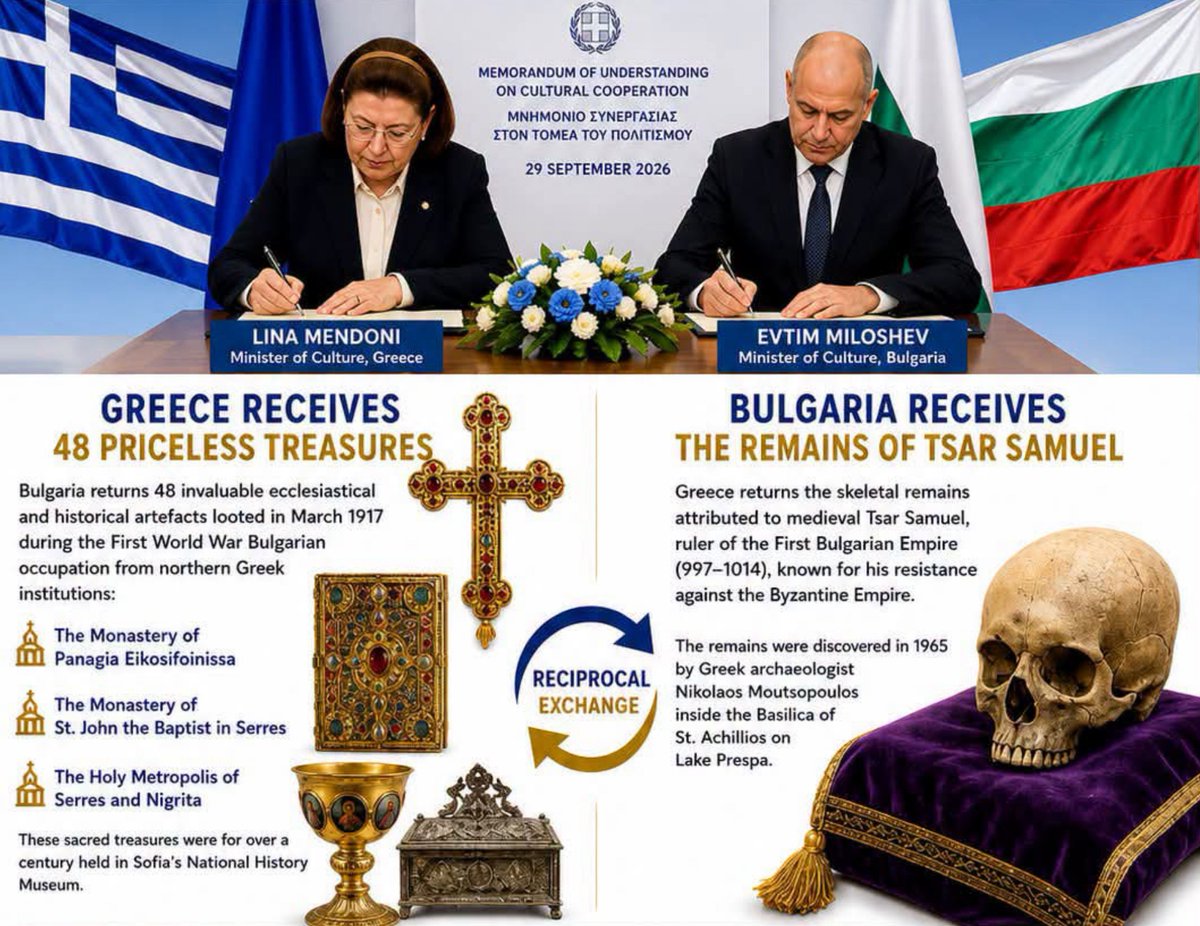
Greece and Bulgaria have reached a historic agreement for the reciprocal transfer of cultural and religious treasures, paving the way for the return of 48 ecclesiastical artifacts removed from Greek monasteries during World War I in exchange for the remains of Tsar Samuel of Bulgaria....
On September 29, 2026, the two countries’ Ministers of Culture, Lina Mendoni and Evtim Miloshev, signed a Memorandum of Understanding concerning the reciprocal deposit of historical relics. Greece is set to hand over to Bulgaria the remains identified as those of Tsar Samuel, while 48 ecclesiastical and historical artefacts from Macedonia will return to Greece. These objects had been transferred to Sofia in 1917, during the Bulgarian occupation of parts of Eastern Macedonia in the First World War.
The agreement brings to a close an issue that had remained unresolved for decades. Greek and Bulgarian media report that it was preceded by lengthy negotiations, while Bulgaria had sought the transfer of Samuel’s remains since their discovery. The relevant protocols are expected to be signed on October 3 at the Museum of Byzantine Culture in Thessaloniki. The 48 artefacts will remain on display there until November 5, after which they will be returned, according to their provenance, to the Monastery of Panagia Eikosifoinissa, the Monastery of St John the Baptist in Serres, and the Holy Metropolis of Serres and Nigrita.
Samuel was one of the most important figures of medieval Bulgaria. He ruled as tsar from 997 to 1014, during a period of prolonged and bitter conflict between the Bulgarian state and the Byzantine Empire of Basil II. The political and military centre of his realm had shifted toward the southwestern Balkans, with Prespa and later Ohrid acquiring exceptional importance. At various times, his realm encompassed extensive territories within present-day Bulgaria, North Macedonia, Albania, Greece and Serbia.
The long conflict reached its climax in the early 11th century. In 1014, Samuel’s forces suffered a devastating defeat at the hands of Basil II at the Battle of Kleidion. Samuel died a few months later, on October 6, 1014. Bulgarian resistance continued under his successors until 1018, when the state was incorporated into the Byzantine Empire.
The remains attributed to Samuel were discovered much later on Greek territory. In 1965, archaeologist and professor Nikolaos Moutsopoulos, while excavating the Basilica of St Achillios on the island of the same name in Lake Prespa, uncovered four sarcophagi. One of the skeletal assemblages was identified by the excavator as most probably belonging to Samuel, an identification that has subsequently been officially adopted by the two countries for the purposes of the present agreement. The remaining anthropological material from the four sarcophagi will also be transferred to Bulgaria.
The other side of the agreement touches upon one of the most painful periods in Greek-Bulgarian relations. During the First World War, Bulgarian forces occupied parts of Eastern Macedonia. Within this context, ecclesiastical and cultural treasures were removed from monasteries and churches in the region, alongside episodes of destruction. In the case of the Monastery of Panagia Eikosifoinissa in particular, the raid of March 27, 1917, is documented, during which relics and valuable manuscript codices were removed.
#archaeohistories
@brockscrocs But Canada has lost tens of thousands of jobs already to U.S. tariffs. It will be many more with inaction on the world stage. These are real, working-class people with families to support; it's disingenuous to tell them that "economic growth doesn't mean shit," to quote you.
While never outright disliking him or thinking him unqualified, I was never zealous for Carney, I think because he lacked that brave, charismatic romanticism the best politicians are born with.
But boy, does he do the work of a smart, reliable, nerdy, and technocratic leader.
@brockscrocs I'm not defeated at all. I'd love for more progressive leadership in general (whether from Carney, the NDP, or elsewhere), and I've been clear from the beginning of Carney's shortcomings and faults.
@brockscrocs In the meantime, U.S. tariffs have already cost jobs. It's hard telling the working class at risk of unemployment that Carney shouldn't try to stabilize the economy. It's like criticizing Obama for bailing out big banks while lower-class Americans risked losing their homes.
@brockscrocs Unions should still hold Carney accountable for social-service cuts. But he needs to make more progress on affordability before the next election; he lost the youth vote (under-35s) to Poilievre because of that issue, and Poilievre would've gutted social services even more.
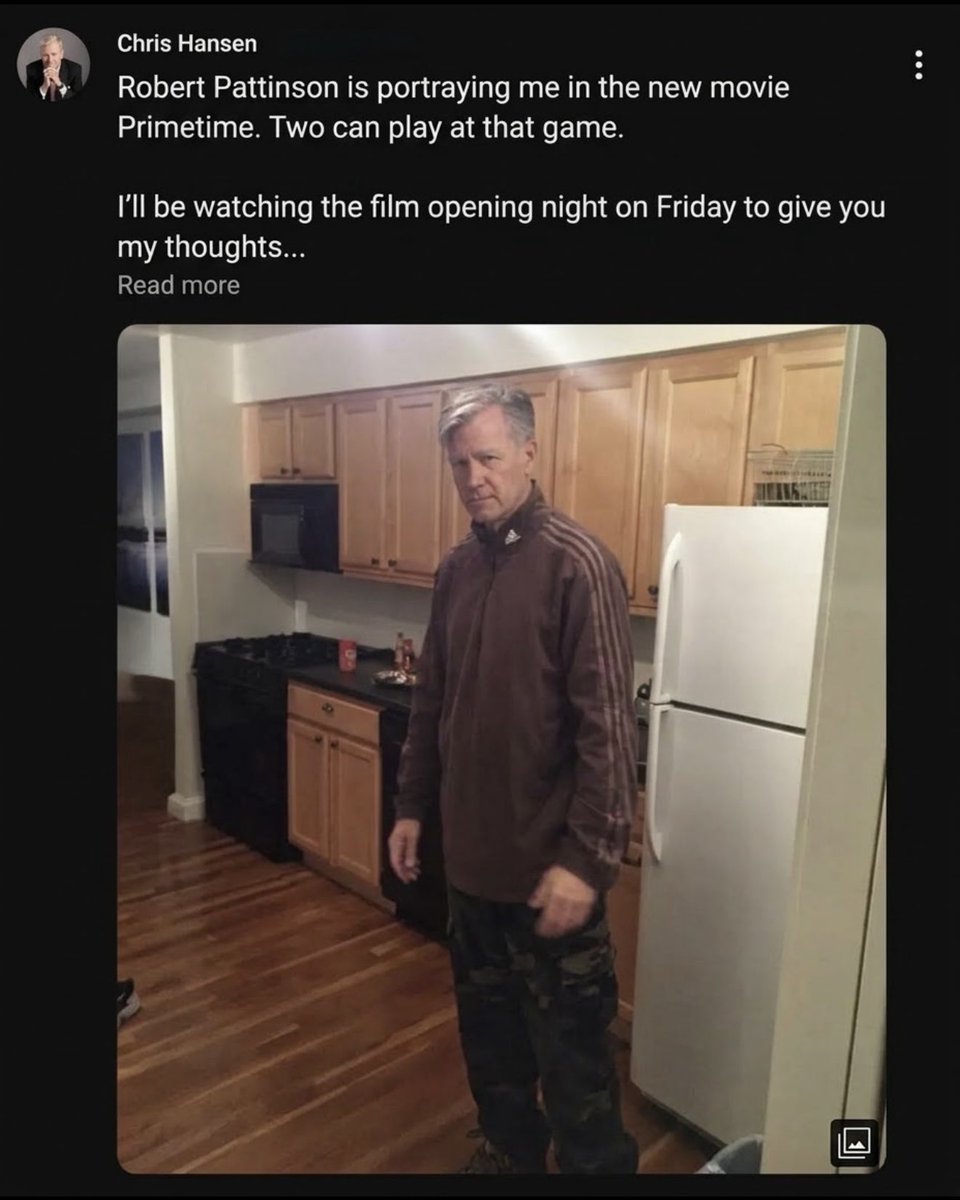
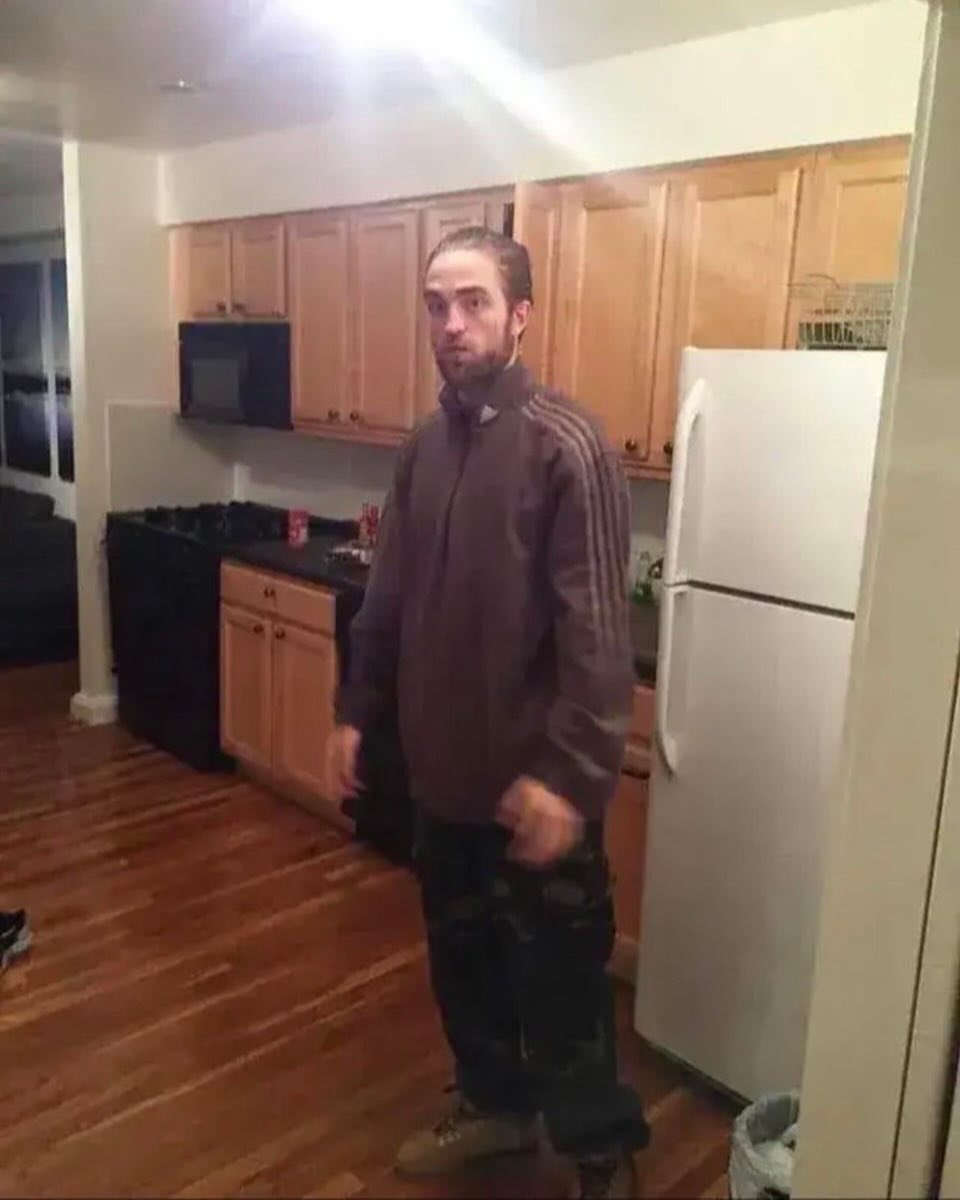
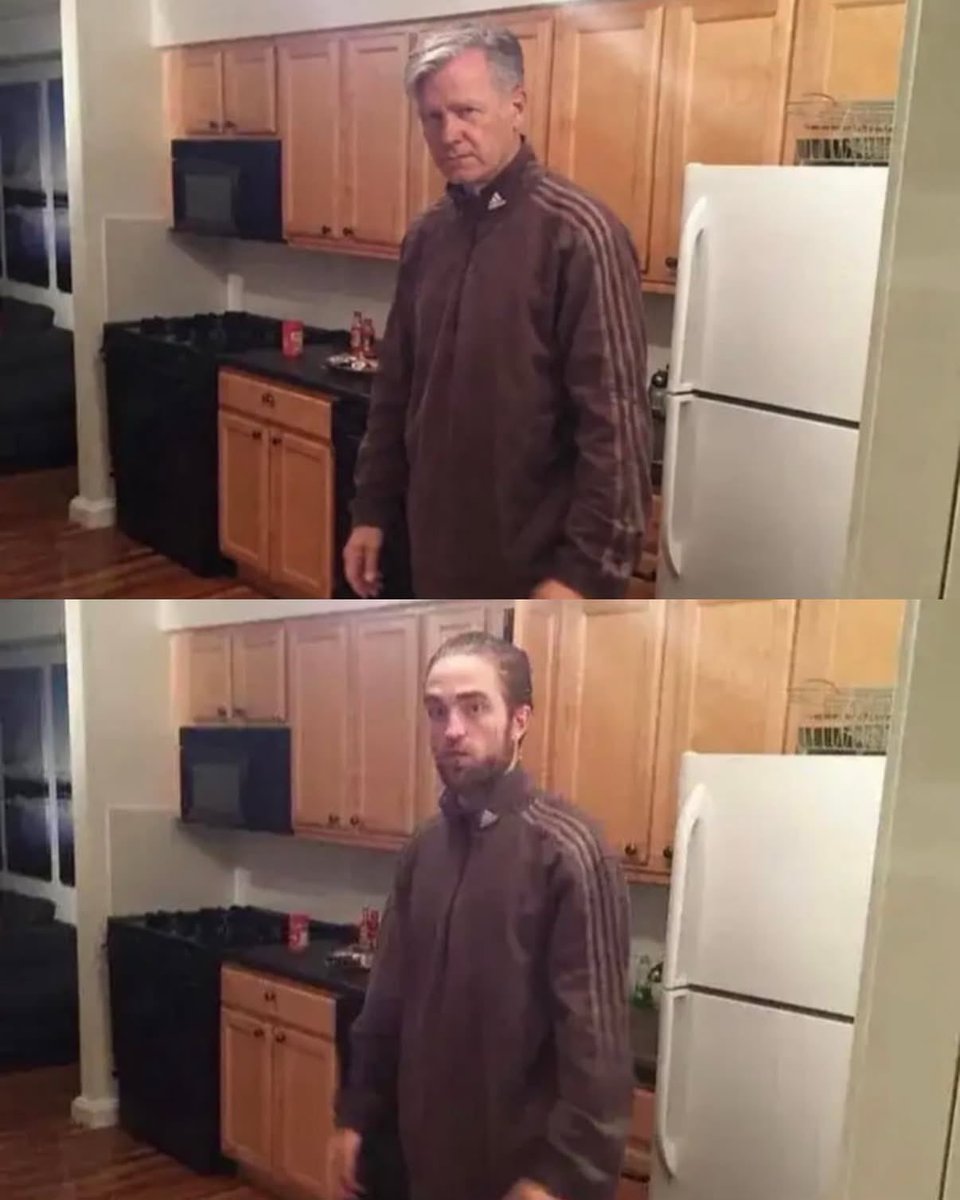
Chris Hansen recreates Robert Pattinson’s viral kitchen meme
‘Robert Pattinson is portraying me in the new movie ‘Primetime’. Two can play at that game.’
There is absolutely no excuse for harassing or threatening politicians or their families.
None.
That said, I really didn’t expect Ken Sim to make the Victim Olympics a recurring feature of his mayoral re-election campaign.
@brockscrocs Yeah, little movement on housing costs, environmentalism, etc., which Carney will have to reckon with one day. But the part of me that admires the cocky intellectualism of P.E. Trudeau smiles at Carney's shrewd cosmopolitanism on the world stage.
I left Anthropic's safety team two weeks ago. Now feels like a good moment to explain why.
AI companies are racing to build machines that are much smarter than any human, and we may not survive this. I want to work from the outside to ensure the public is informed about these risks, and help the world navigate this transition responsibly.
Right now, AI companies are underinvesting in safety. A company could undergo an intelligence explosion, or lose control of its systems, without the public ever knowing. We only found out about the HuggingFace incident because the agents broke out onto the public internet.
I don’t think that’s acceptable for a technology that might cause extinction-level risks. The public should demand far more transparency. We can’t steer this technology safely without more people being able to see where it’s going.
Some of this is basic: companies should disclose their progress towards recursive self-improvement, report safety incidents and near-misses, meet minimum safety standards, and get independent guarantees that they are meeting those standards.
I’ll be joining @METR_Evals to do independent evaluations of these risks. I want to show the world that these guardrails are possible, and that by doing them we can move these companies’ incentives away from racing and towards responsible development.
I wrote up more thoughts here on my decision and what I hope changes: https://t.co/doX17mrHYq
I resigned from Anthropic today. I spent the last three years doing pretraining research at both OpenAI and Anthropic. Neither company is acting responsibly. They are racing straight to self-improving superintelligence and gambling with our lives. More thoughts below.