Pathologist/Professor @acccancercenter. Secretary @TheISBP. VP @SBPatologia. Former Fellow @Sloan_Kettering, @institut_curie and Breast Path Fellow @UofT
Over the next years, we will keep seeing multiple ADCs, with variable targets, showing high efficacy for MBC
The two features that these ADCs will always have in common:
- TOP1 payload
- only a handful or no TOP1-ADC pretreated patients in the trial
Can we get out of this loop?
Wrapping up @TheISBP WHO Updates at #USCAP2026 Companion Society Meeting is Dr. Cecily Quinn and updates on the “so-called” neuroendocrine tumors of the breast!
@TheUSCAP
📣 BREAKING: The pink balloons have been benched…but the pink hydrangeas have entered the chat.
ISBP poster walks are happening with floral flair and zero helium violations. 🌺
Follow the hydrangeas, find the experts, join the fun. #USCAP2026#BreastPath
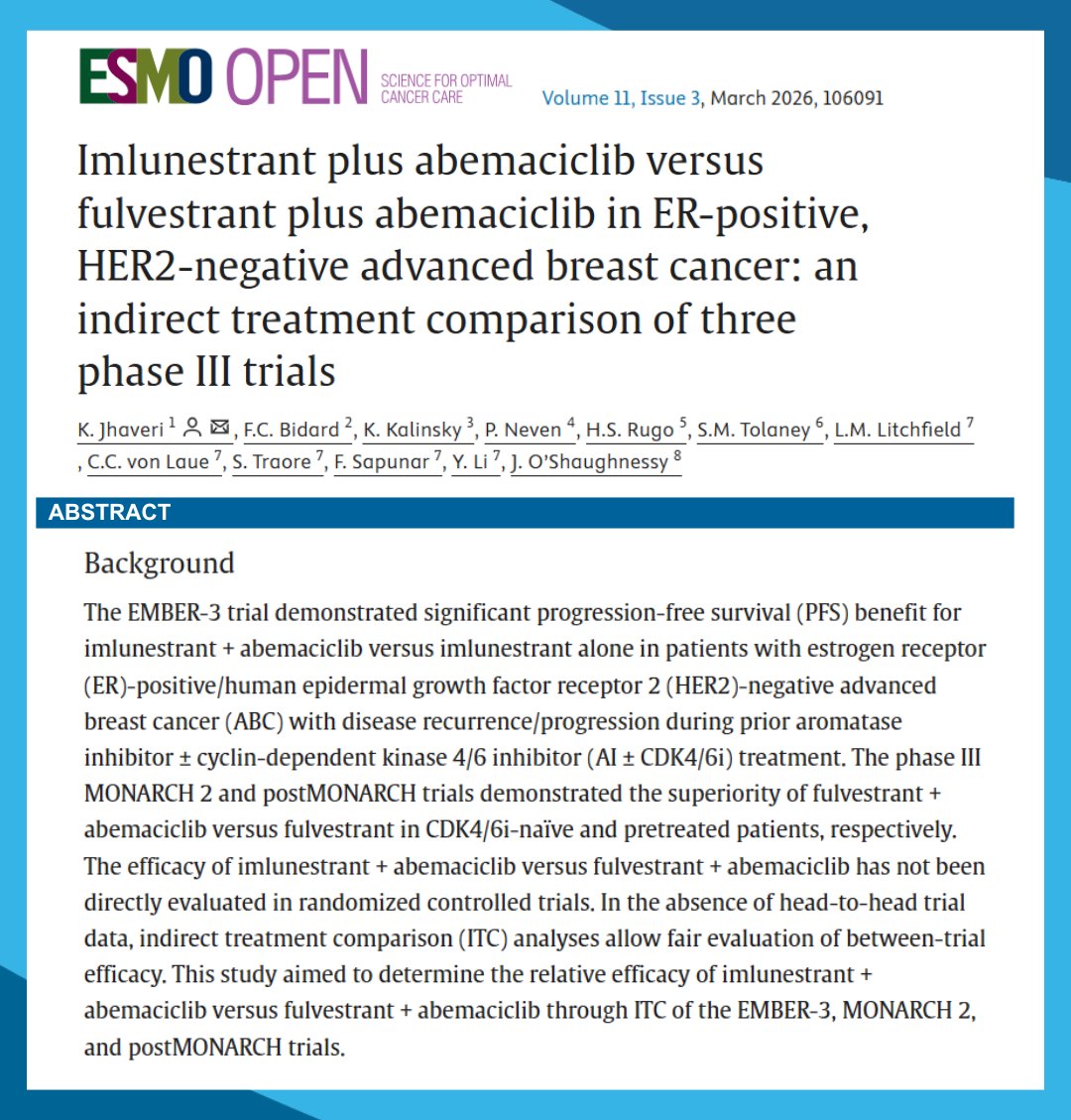
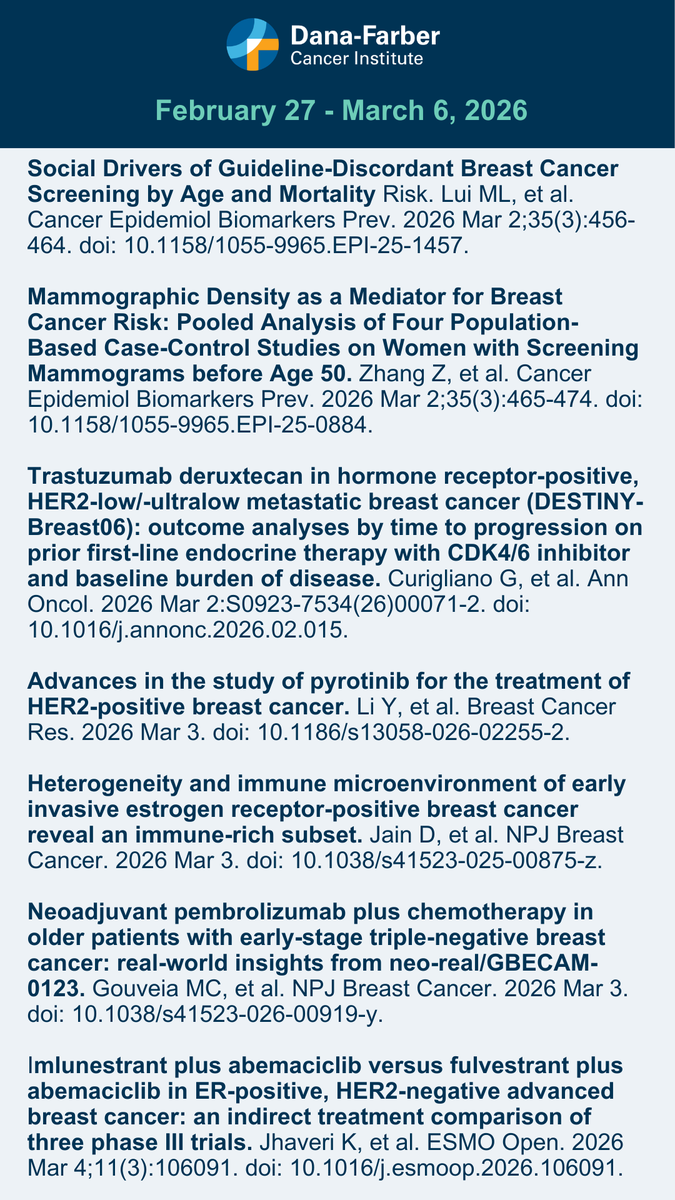
New @ESMO_Open 📰Imlunestrant plus abemaciclib versus fulvestrant plus abemaciclib in ER-positive, HER2-negative advanced #BreastCancer: an indirect treatment comparison of three phase III trials
🔓https://t.co/L9TFAuapZM
@jhaveri_komal@hoperugo@stolaney1
⚠️Whether ESR1 interception or prevention, introducing oral SERDs earlier raises the question:
➡️ How does this affect the treatment trajectory?
❓The question should be “now or later?”, not “now or never.”
This requires uniform access to SERDs >1st L
- see our editorial
8/
To me, what’s most impressive about the VICTORIA-1 study is the significant improvement seen in a PIK3CA WT population, something we really haven’t seen before. Makes you wonder what the magnitude of benefit might look like in the mutation cohort when Arm 2 reads out. @oncodaily@OncBrothers #MedTwitter #bcsm
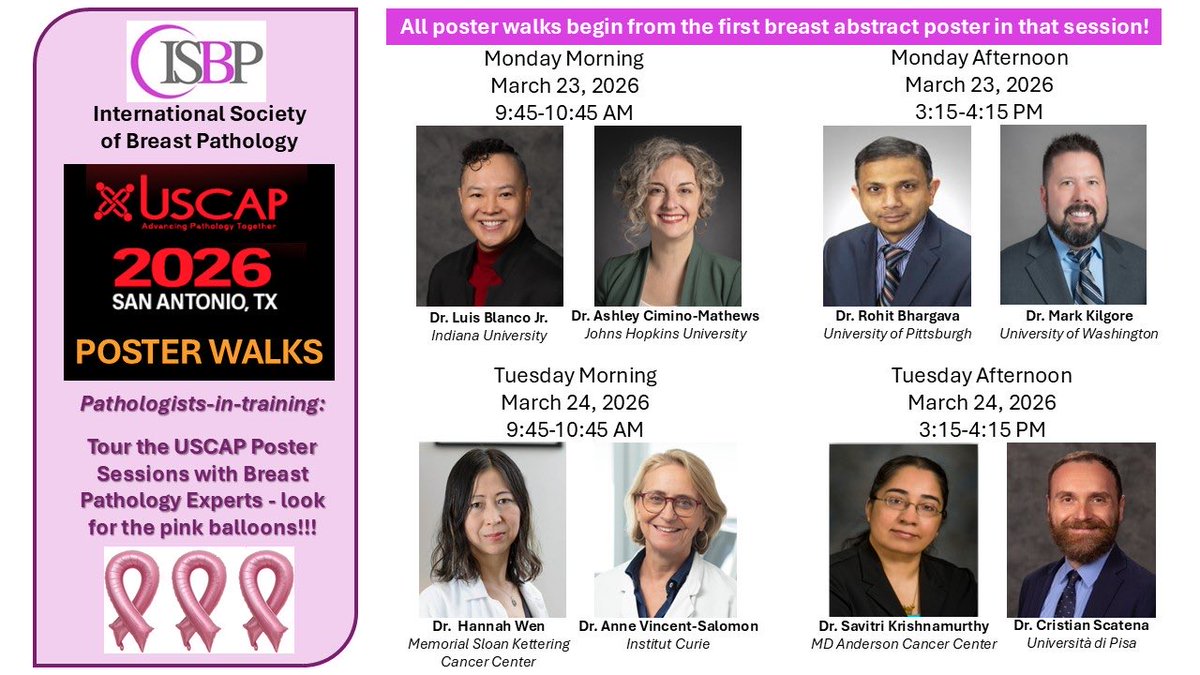
Look for PINK BALLOONS & join @TheISBP experts for our Poster Walks! 💕
Prepare for wandering & wondering through the #BreastPathology posters.💡
Pathologists‑in‑Training, see you @TheUSCAP meeting in San Antonio — the countdown is on! ⏳
🎀 #USCAP2026
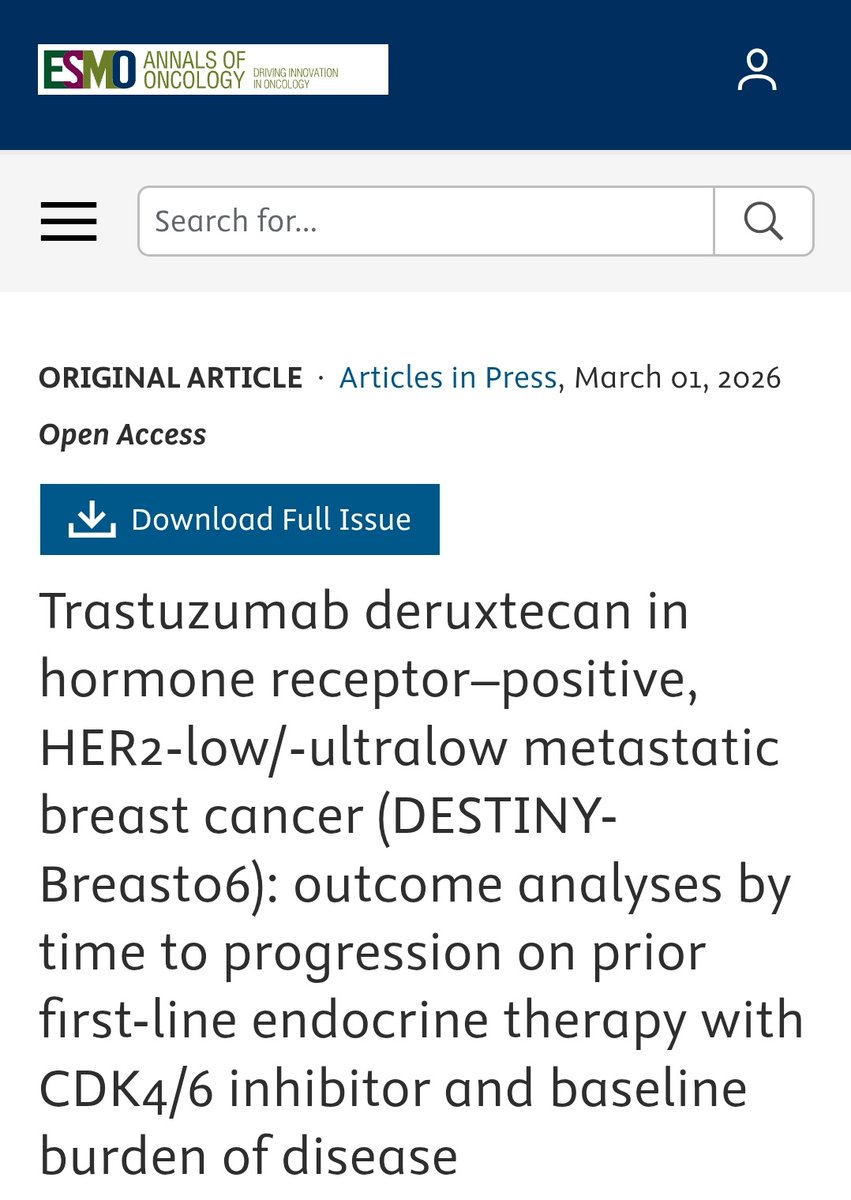
Phase III DESTINY-Breast06
demonstrates consistent PFS benefit with T-DXd vs TPC in HR+/HER2-low and HER2-ultralow mBC after ≥1 prior ET.
HRs ranged 0.38–0.71, uniformly favoring T-DXd across subgroups.
https://t.co/jjNgHC4BeN
@OncoAlert#bcsm#BreastCancer
T-DXd has revolutionized the treatment of HER+ breast cancer, yet predictive biomarkers are critically needed
An exploratory biomarker analysis of DestinyBreast trials is now out in @Annals_Oncology 👇🏻
@OncoAlert
Evidence is accumulating.
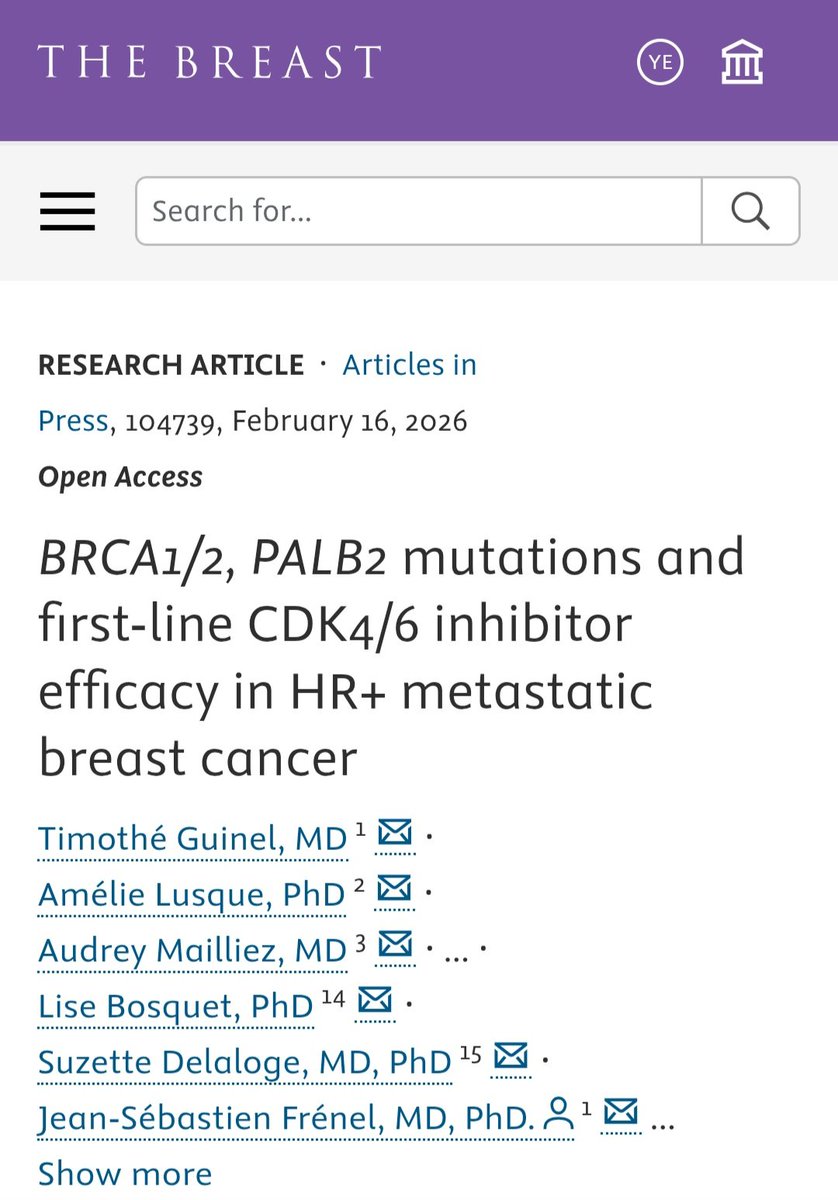
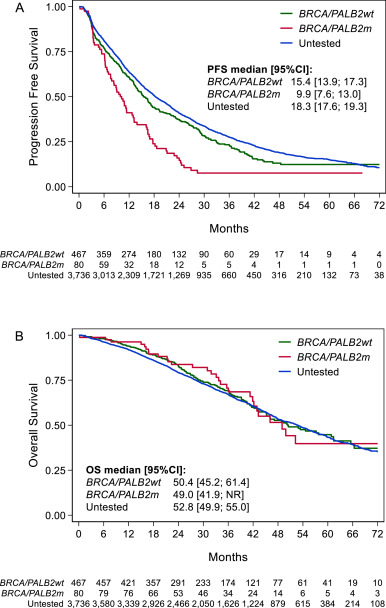
Consistent with our meta-analysis presented at #ESMO25, this retrospective cohort shows that first-line CDK4/6 + ET leads to shorter PFS in pathogenic BRCA1/2 and PALB2 carriers!
https://t.co/JDNkbdMXrd
🚨 #BreastCancer | Biomarker-Driven Insight
🆕 Annals of Oncology – Article of the Month 🎧
📖 Full article: https://t.co/qQsBetMszz
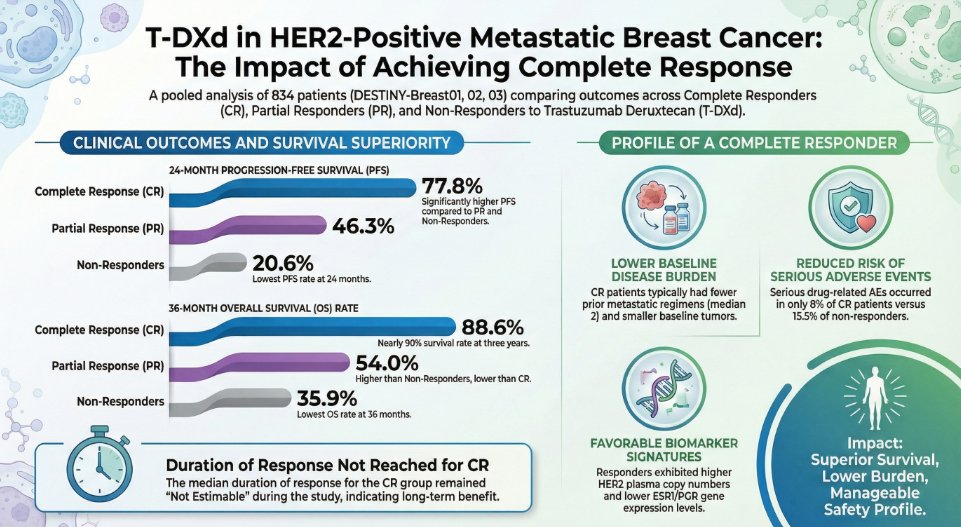
Pooled analysis of T-DXd response & biomarkers
DESTINY-Breast01/02/03
@SaraTolaney @ShereneLoi @hoperugo@PedramRazaviMD@LoiSher@giuseppecurigl1@matteolambe
🔬 Trastuzumab deruxtecan (T-DXd) in HER2+ metastatic breast cancer
Key insights:
▫️ Deeper confirmed responses correlate with improved clinical outcomes
▫️ Biomarker analyses reinforce HER2 dependency
▫️ Consistent activity across prior lines of therapy
▫️ Supports response depth as a meaningful surrogate in ADC era
This pooled DESTINY analysis refines how we interpret response dynamics in HER2+ mBC — moving beyond ORR toward biologically contextualized benefit.
@Annals_Oncology@tompowles1
#HER2 #BreastCancer #ADC #PrecisionOncology #OncologyResearch
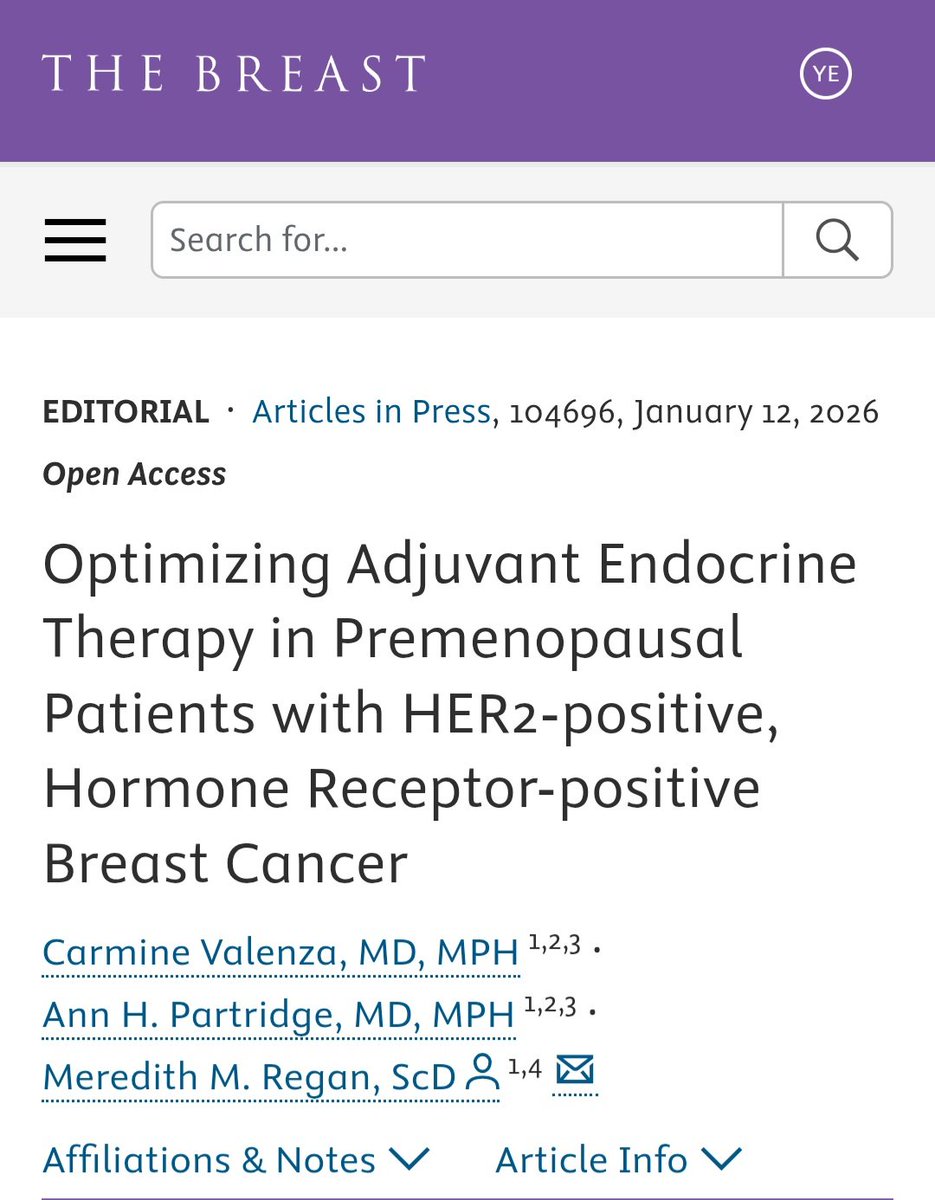
Premenopausal HR+/HER2+ eBC – Adjuvant ET
• RD after NAT → OFS + AI
• pCR after NAT → risk-adapted
– Stage III → OFS + AI
– Stage I–II → AI or TAM ± OFS
• Upfront surgery → baseline stage-driven ET
Principle:
RD = ER-dependent, chemo-resistant → needs ET intensification
Great editorial👇
https://t.co/AuDXPhHDoi
📄 Personalizing therapies over the course of hormone receptor–positive breast cancer
DOI: 10.3322/caac.70055
This review outlines the evolving treatment landscape of HR-positive breast cancer across disease stages, emphasizing dynamic therapeutic sequencing based on tumor biology, resistance mechanisms, and prior treatments.
🔬 Key biological concepts
• HR+ breast cancer is heterogeneous and evolves under treatment pressure
• Endocrine resistance arises via ESR1 mutations, PI3K/AKT/mTOR activation, CDK pathway dysregulation, and epigenetic changes
• Clonal evolution supports reassessment of biomarkers over time
🧪 Early-stage disease
• Adjuvant endocrine therapy remains the backbone
• CDK4/6 inhibitors (abemaciclib, ribociclib) improve invasive DFS in selected high-risk patients
• Germline BRCA status and emerging genomic tools may refine risk stratification
🧬 Metastatic setting
• First-line: endocrine therapy + CDK4/6 inhibitors is standard
• Subsequent lines incorporate:
– PI3K inhibitors (alpelisib) for PIK3CA-mutant tumors
– mTOR inhibition (everolimus)
– Oral SERDs for ESR1-mutant disease
• Treatment choice depends on prior exposure, mutational profile, and disease kinetics
🧠 Treatment sequencing
• No fixed algorithm; optimal sequencing remains an unmet need
• Serial molecular testing (tissue or ctDNA) supports therapy adaptation
• Avoidance of overtreatment and preservation of endocrine sensitivity are key goals
Q: This apply for us in LATAM? 🌎
@OncoAlert@weoncologists@benjiwal