TL cleanse: even after a tough loss, listen to this young woman displaying maturity, level-headedness and eloquence on the world stage while representing our country. I wish our leaders here could be the same. Mabuhay ka Alex
Watch this sweet beagle experience love for the very first time 🐶❤️
For their entire lives, they only knew cages inside Ridglan Farms breeding facility.
Little by little, with patience and love, they start to relax ❤️
Please donate to our mission: https://t.co/PtKmboFiDx
Vulture populations in India collapsed. 500,000 people died as a result.
In the 1990s, Indian farmers started using a cheap painkiller called diclofenac on their cattle. When vultures ate the carcasses, the drug destroyed their kidneys.
Without vultures, cattle carcasses rotted in fields instead of being stripped clean in 45 minutes. Feral dog populations exploded by five million. Rabies cases surged. Pathogens spread through water supplies.
University of Chicago economists compared death rates in districts that used to have vultures to districts that never did. Human mortality rose more than 4% after the collapse. Over 100,000 extra deaths a year. Half a million in five years.
India banned the drug in 2006. The vultures still haven't recovered.
This is what a keystone species is to us. This is why we protect the animals nobody finds cute.
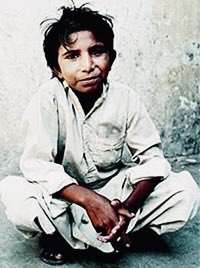
On this day 31 years ago, a 12-year-old boy was shot and killed while riding a bicycle with his cousins in a village near Lahore, Pakistan.
His name was Iqbal Masih.
At four years old, his family sold him to a carpet factory owner to repay a debt of 600 rupees, less than $12. For the next six years, he was chained to a loom. He worked 12 hours a day, seven days a week, for a few cents. He was beaten with a carpet fork when he slowed down. The factory owners deliberately underfed the children so their fingers would stay small enough for the intricate weaving.
By the time he was 10, he stood just four feet tall, 12 inches shorter than the average boy his age.
One morning, he escaped. He jumped on the back of a tractor heading to a meeting about bonded labour. He heard a man explain that what the factory owners were doing was illegal under Pakistani law. When the man asked if anyone wanted to speak, Iqbal stepped up to the microphone.
He never stopped.
He helped free over 3,000 children from bonded labour in carpet factories across Pakistan. He completed five years of schoolwork in three. He spoke at international conferences in Sweden and the United States. He told a room full of adults in Boston that he wanted to become a lawyer so he could free every enslaved child in Pakistan. He was 12 years old. Brandeis University offered him a full scholarship and said they would be waiting for him.
When asked why he would return to Pakistan when he knew his life was in danger, he said his mission was more important than his life.
On Easter Sunday 1995, he was shot in the back while cycling home. He was hit by over 120 shotgun pellets. His cousins were barely touched. He was the target.
His funeral was attended by 800 people. In the days that followed, 3,000 people marched through Lahore. Half of them were under the age of 12.
After his death, a group of seventh-graders from a school in Massachusetts where Iqbal had once spoken raised $25,000 and built a school in his name in Pakistan. April 16 is now recognised as the International Day Against Child Slavery. The United States Congress created the Iqbal Masih Award for the Elimination of Child Labour in his honour. It is still given out every year.
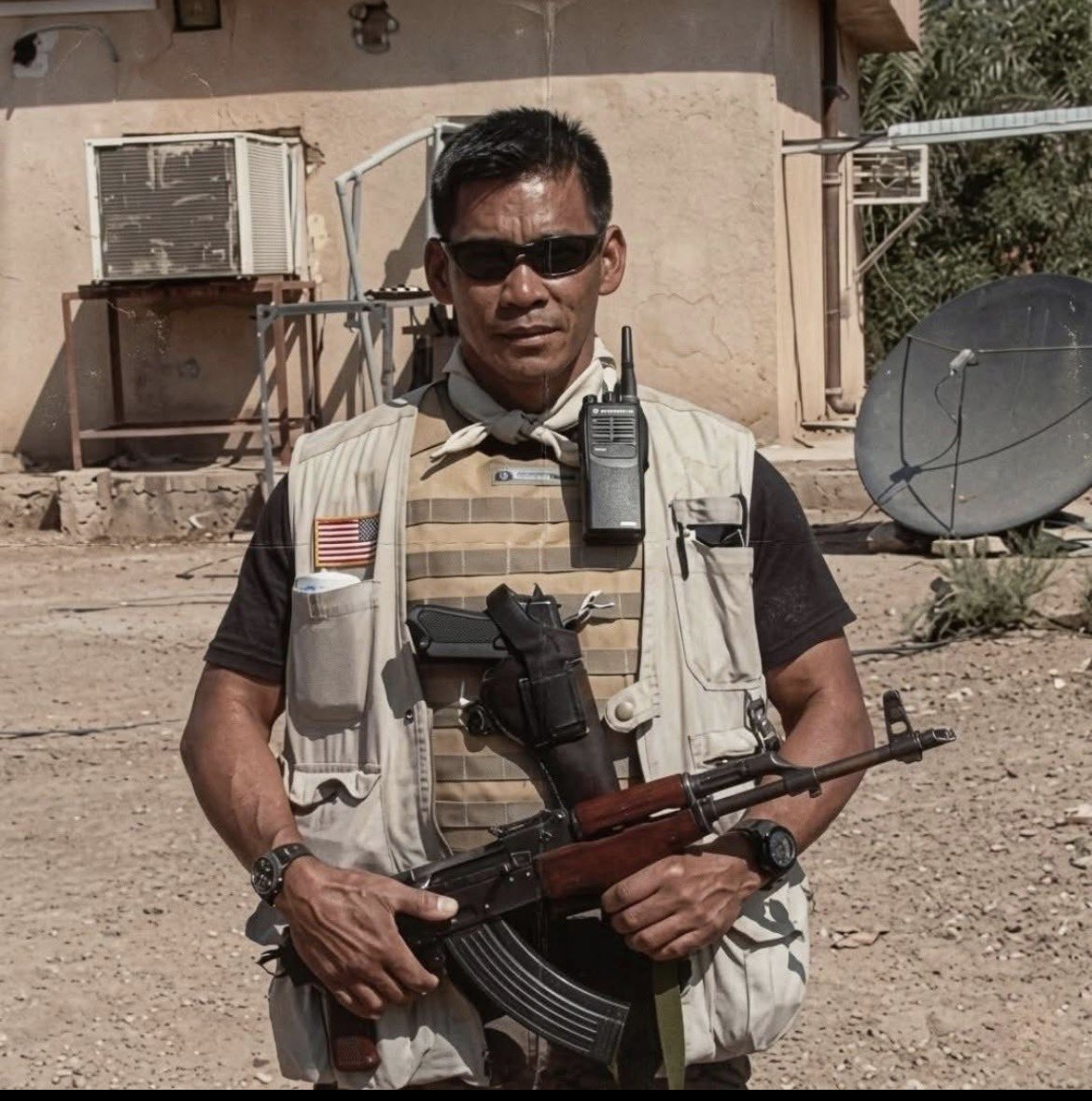
Delta Force. In the early 1970s, the military draft pulled thousands of young American men out of their civilian lives and thrust them into the unforgiving meat grinder of the Vietnam War. For many, surviving their tour and making it back home was the only objective.
For a 20-year-old named Edward Bugarin, it was just the prologue.
Drafted in 1970, Bugarin didn’t just serve his required time and walk away. He found a calling in the absolute extremes of human endurance and modern warfare. He pushed his way into the Army Special Forces, earning his Green Beret. But even that wasn't close enough to the edge.
When the U.S. military realized it needed a highly classified, dedicated counter-terrorism unit to handle the world's darkest, most complex hostage and direct-action scenarios, they built the 1st Special Forces Operational Detachment-Delta. Delta Force.
Bugarin, a fiercely dedicated Filipino-American soldier, stepped forward. He became one of the early operators in the unit, dedicating nearly twelve years of his life to a violent, high-stakes world that officially did not exist.
During the 1980s, if there was a geopolitical crisis anywhere on the map, Bugarin was likely standing in the shadows of it.
When the U.S. military launched Operation Eagle Claw—the daring, tragic 1980 hostage rescue attempt in the Iranian desert—Bugarin was part of the element. When the Cold War boiled over into the jungles of Grenada and the hostile streets of Panama, he was heavily involved in the surgical, classified operations that defined those conflicts.
But the true measure of an operator is often tested in the absolute chaos of an unexpected strike.
In 1984, the U.S. Embassy annex in Beirut, Lebanon, was targeted by a massive, devastating vehicle-borne improvised explosive device. In the horrific, blood-soaked aftermath, as the structure collapsed into burning rubble and the air filled with thick smoke, it was Sergeant Major Ed Bugarin who immediately navigated the destruction. Moving through the blast zone, he played a critical, direct role in saving the life of the American ambassador.
Bugarin didn’t just survive the physical toll of a decade in Delta Force; he completely redefined it.
He understood that standard Army push-ups and sit-ups didn't keep you alive in a close-quarters firefight or a hostage rescue. Alongside a few of his teammates, Bugarin helped design and implement the Upper Body Round Robin (UBRR)—a punishing, brutal, nine-event functional fitness test built specifically to push the most elite combatants on earth to their absolute physiological limits. It became a benchmark for Special Operations fitness.
By the time he retired in 1992, Bugarin had given 22 years to the U.S. Army. He was a master of close-quarters battle, a physical powerhouse, and a quiet professional who operated in the most dangerous corners of the globe.
Most Americans picture a very specific Hollywood stereotype when they think of the men who built the foundation of America's elite counter-terrorism apparatus. Very few know the name of the Filipino-American Sergeant Major who helped write the book on special operations fitness, pulled an ambassador from the burning rubble, and spent a dozen years hunting in the dark.
Now you do.
Before court Melika was beaten during arrest then held in solitary confinement for 45 days. The regime calls it White Torture. Total sensory deprivation. Designed to break a person completely.
She still refused to beg. The week before her sentence Iran publicly hanged Saleh Mohammadi. 19 years old. National wrestling champion. Competed internationally. Confession extracted under torture. CCTV did not place him at the scene. Alibi witnesses refused. He turned 19 the week before they hanged him.
Same charge as Melika. Waging war against God. Her mother said this. Melika's only crime was not staying silent. Even if they take away my title as a mother nobody can take away my love for my child. Be her voice.
A teenage girl survived 45 days of torture and still looked a judge in the eye and said just kill me.
The least we can do is say her name.
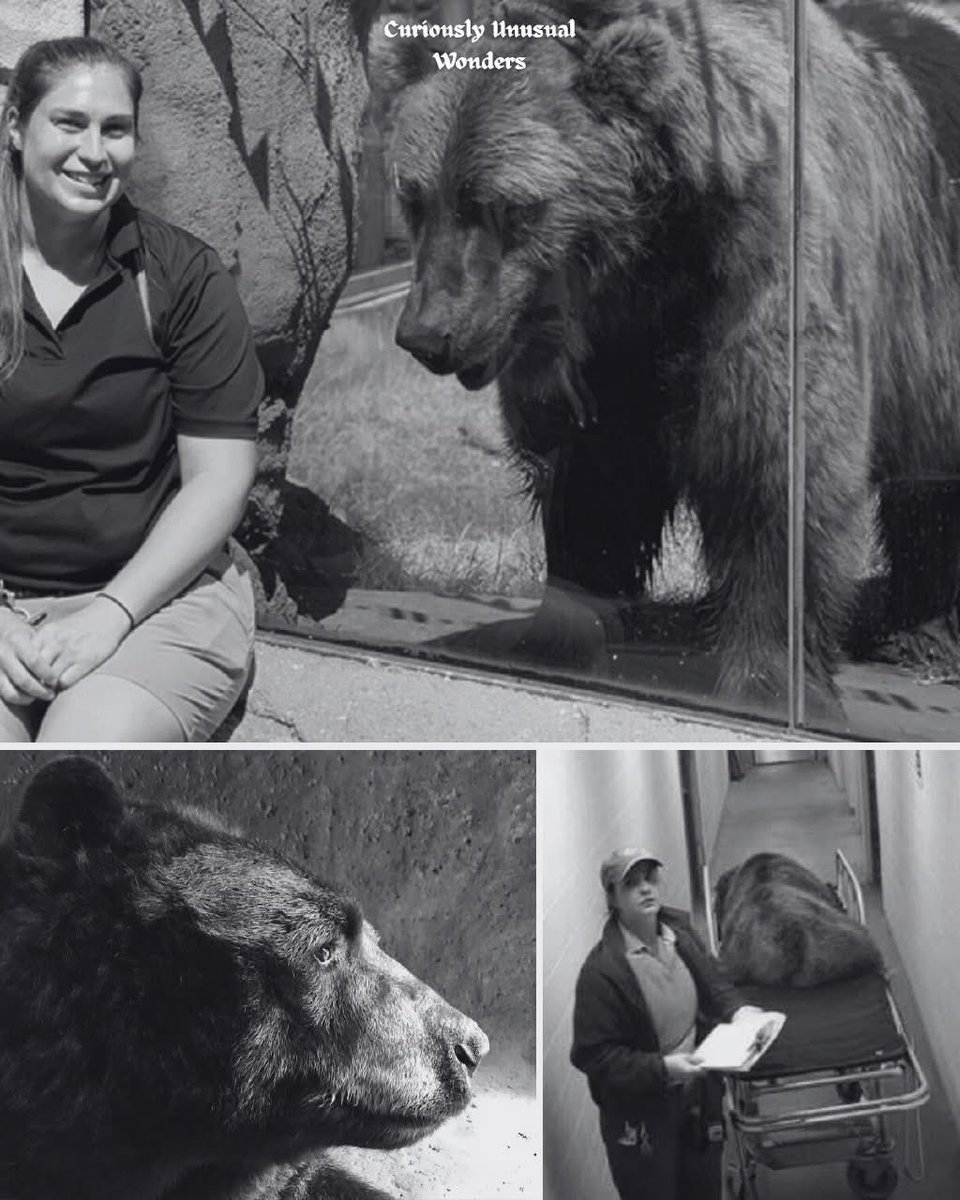
Rachel was a zookeeper, and for years she watched an old bear named Milo slowly fade away behind steel bars.
Milo had spent most of his life in captivity. By the time Rachel met him, his powerful body had grown stiff and heavy with age. His enclosure was too small for an animal whose instincts still told him to roam. The hard concrete floor offered no relief for aching joints. On cold mornings, he moved with visible effort, each step slow, careful, painful.
Rachel noticed everything.
She noticed how Milo struggled to stand after lying down. How he leaned to one side. How he slept longer and longer—not from comfort, but from exhaustion. She filed reports. Requested veterinary evaluations. Carefully documented changes in his movement and behavior. Each time, the response from management sounded the same—nothing urgent, not necessary yet, not within the budget. Policy, they said. Procedure. Priorities.
But Rachel knew the difference between procedure and neglect.
She also knew that waiting meant watching Milo decline until the problem solved itself in the quietest way possible.
So she made a plan.
Not reckless. Not impulsive. Thoughtful.
She collected records. Photos. Videos. Copies of requests that had been ignored. She spoke with veterinarians outside the zoo, with wildlife specialists, and with a sanctuary she trusted—one known for caring for elderly animals rescued from poor conditions. She studied transport guidelines. Sedation limits. Legal consequences.
She understood exactly what she was risking.
One night during her shift, Rachel sedated Milo under the appearance of routine medical care. She moved slowly and calmly, speaking softly to him as she always did. She gently guided him into a transport crate built to prevent injury and reduce stress. Then she loaded the crate into a truck and drove.
Six states. No detours. No hesitation.
By morning, Milo arrived at the sanctuary.
Within days, the fallout came.
Rachel lost her job. She was charged with grand theft. Public headlines called her reckless and irresponsible. From the outside, the story seemed simple: a zookeeper had stolen zoo property.
But courtrooms slow stories down.
Veterinarians from the sanctuary testified. They described advanced arthritis, untreated pain, and mobility damage that should have been addressed years earlier. They explained what proper care should have looked like—and how long Milo had likely been suffering without it.
Public attention began to shift.
People stopped asking why Rachel broke the rules and started asking why the rules allowed that level of neglect in the first place. Investigators began reviewing the zoo’s practices. Records were examined. Animal conditions questioned.
Rachel received probation.
No prison sentence.
The zoo faced formal investigation.
And quietly—without statements or announcements—three more animals were transferred to better facilities soon afterward.
Milo, meanwhile, adjusted.
He has space now. Grass under his paws. Veterinary care designed for his age. Sunlight without bars. He still moves slowly, but without the same pain. He rests when he wants. He is not watched by crowds. He is not rushed. He is treated like a living creature, not an exhibit.
Rachel works at the sanctuary now.
She earns less money. Holds fewer titles. But every morning she sees Milo living the life he deserved all along.
She didn’t just free a bear.
She forced a system to confront itself. She accepted the price of doing the right thing when permission would never come. And by choosing Milo’s dignity over her own security, she discovered something rare.
Integrity that didn’t ask for approval.
For seven long years, he served without ever asking for anything in return.
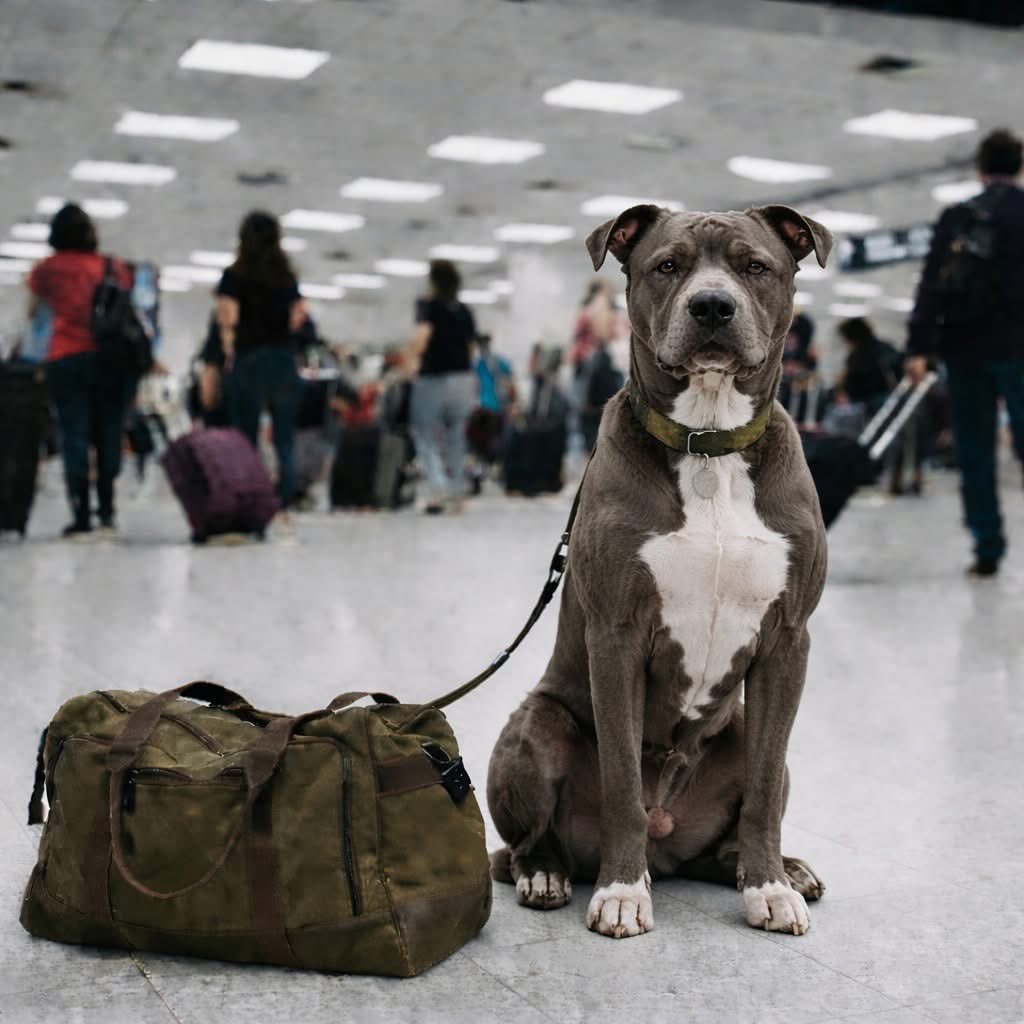
His name is Sergeant Diesel, a 7-year-old Pit Bull veteran dog who walked beside soldiers through dust, danger, and the tense silence that follows every mission.
On February 20, 2026, Diesel stepped off the plane from his final military deployment, his strong paws tired but his loyal spirit still unbreakable, just as it had been on every mission he bravely faced. Diesel wasn’t just a service dog. He was the courage of his unit.
During his years of service, he helped save more than 500 civilians — children, elders, and families — along with 50 officers who owe their lives to the strength, determination, and fearless loyalty of a Pit Bull who never once hesitated when danger appeared.
While others stepped back from risk, Diesel moved forward without fear, muscles steady, eyes focused, trusting his team and protecting them with every step he took.
At the airport, he sits quietly beside his duffel bag, proudly wearing his vest marked “VETERAN,” unaware that the strong, gentle Pit Bull resting there is a hero to everyone who knows his story.
Passengers rush by with suitcases and tired eyes, never realizing that this calm Pit Bull has faced more danger, shown more courage, and saved more lives than most humans ever will.
And now, his service is coming to an end.
On February 26, 2026, Diesel will stand one final time before his unit for his retirement ceremony. There will be medals, applause, and proud tears. But the only thing Diesel will care about is the familiar hands that scratch behind his ears, the voices calling him “good boy,” and the comfort of finally going home.
A hero’s home.
May his retirement be filled with soft beds, long peaceful naps, warm meals, and the quiet life he earned a thousand times over.
Thank you for your service, Sergeant Diesel.
You protected a nation. Now let the nation honor you.
Happy retirement, brave boy. 🐾🇺🇸
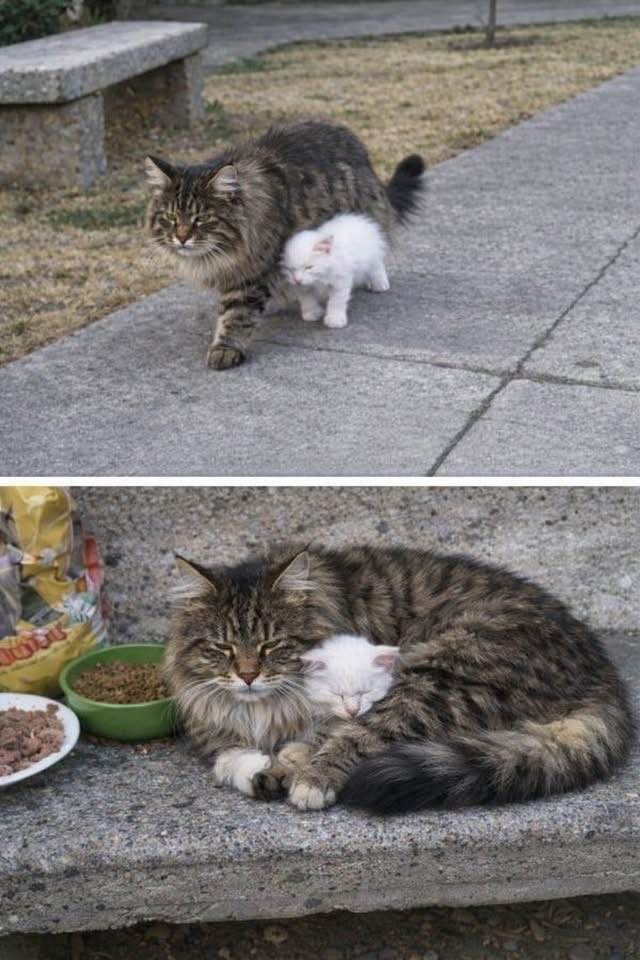
In a small neighborhood park, there’s a massive Maine Coon everyone calls Capitán.
For five years, he’s ruled that little patch of green like a quiet king. Not aggressive. Not loud. Just steady. Watching from his favorite bench like a gentle guardian of the block.
Then one day, a tiny white kitten appeared.
He was beautiful. Fragile. And something wasn’t right.
He kept bumping into benches. Planters. Curbs.
He didn’t flinch at sudden movements. He didn’t track sound the way kittens do.
It didn’t take long for the neighbors to realize the truth.
The kitten was blind.
Out there alone, he wouldn’t have lasted long.
But he wasn’t alone for long.
Because Capitán noticed.
From that day on, the big Maine Coon never left his side. He started walking slightly ahead, slowing his long, powerful strides so the kitten could brush against his thick fur and follow. Like a living guide rope.
When neighbors set out food, Capitán gently nudged him toward the bowls. When they crossed the sidewalk, he adjusted his pace. When they rested on their favorite bench, Capitán curled his massive body around the kitten like a shield.
And when it rained?
He made sure the kitten was safely tucked under the planter first.
Only then would he settle in beside him.
A local veterinarian later confirmed it. The little one was born blind. She said without Capitán, he wouldn’t have survived even a week outdoors. He wouldn’t have found food. He wouldn’t have avoided danger.
Some neighbors offered to adopt the kitten.
But every time they tried separating them, both cats cried endlessly.
So the community made a decision.
They kept them together.
Now their bowls sit side by side. The neighborhood looks out for them daily. And Capitán still walks just ahead, with a tiny white shadow brushing against his fur.
Because sometimes family isn’t about where you come from.
Sometimes it’s about who slows down for you.
Who shields you.
Who chooses to guide you when you cannot see the way.
And sometimes…
the strongest hearts wear fur. 🐾❤️
Credit: Bringer of Rain
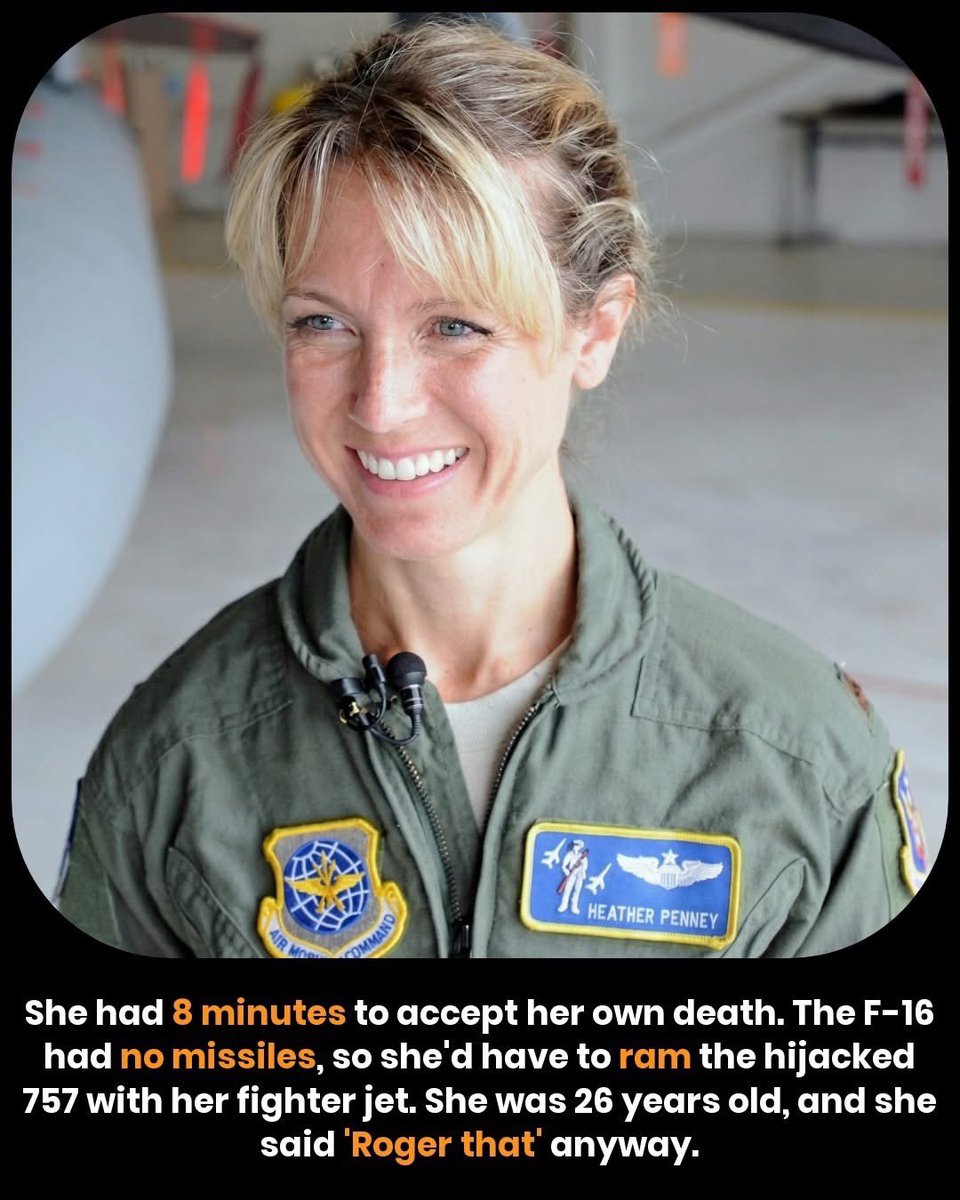
On the morning of September 11, 2001, Lt. Heather Penney was flying training missions out of Andrews Air Force Base when the radio crackled with words that changed everything: America was under attack. By the time she landed, the Twin Towers had been struck, the Pentagon was burning just miles away, and another hijacked plane was headed straight for Washington.
She and her commanding officer were ordered back into the air immediately. There was only one problem—their F-16s were loaded for training, not combat. No live missiles. No real ammunition. The order came through her headset anyway: stop that aircraft by any means necessary.
Heather understood what that meant. If they found the plane, they would have to ram it. A deliberate collision. No ejection. No survival. Her commander said, “I’ll take the cockpit. You take the tail.” There was a pause, and then her reply: “Roger that.”
She launched into the sky, breaking the sound barrier over Washington, the shockwaves rolling across a frightened city. As she climbed, her mind raced—not with fear, but with questions no training could answer. Where do you aim? How do you make sure it ends fast? How do you accept that this is your last flight?
She searched for United Flight 93, knowing that if she found it, she would not be coming home. But she never did. Two hundred miles away, the passengers had already made their stand, and the plane went down in a Pennsylvania field.
Heather flew patrol for hours afterward, guarding a sky already saved by ordinary people who refused to be weapons. When she finally landed, her crew chief was crying. He hadn’t expected to see her again.
Neither had she.
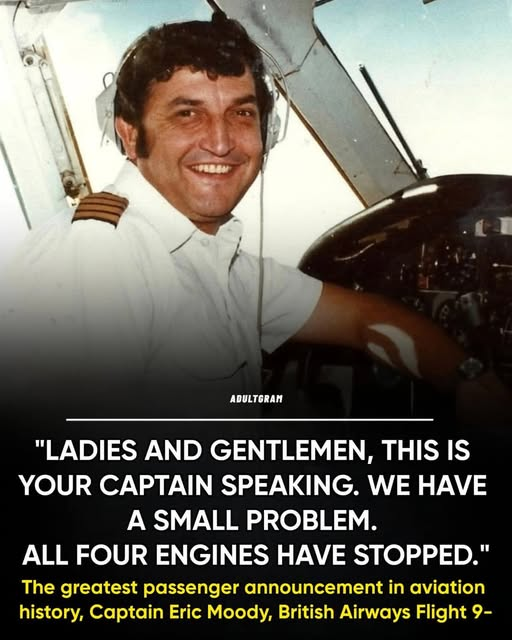
On the night of June 24, 1982, British Airways Flight 9 was cruising at 37,000 feet over the Indian Ocean when all four engines on its Boeing 747 died, one by one, in under two minutes. Nobody on board knew why. The aircraft was now a 170-ton glider in the middle of the night with 263 people on board.
That’s when Captain Eric Moody made what has been called the greatest passenger announcement in aviation history: “Ladies and gentlemen, this is your captain speaking. We have a small problem. All four engines have stopped. We are doing our damnedest to get them going again. I trust you are not in too much distress.”
The 747 glided without power for nearly 15 minutes, dropping toward the mountains of Java. Moody set a decision height — if the engines hadn’t restarted by 12,000 feet, they would ditch in the ocean. At 13,500 feet, engine four came back to life. The others followed.
But the crew still couldn’t see. The windscreen had been sandblasted nearly opaque by volcanic ash from the eruption of Mount Galunggung - completely invisible to weather radar.
Moody landed the 747 in Jakarta using a tiny clear strip at the edge of the windscreen, flying the approach almost entirely on instruments. Every single person on board survived. It was the first time in history a commercial jet had encountered volcanic ash at altitude.
The incident changed aviation forever and is now studied in every pilot training manual in the world. Captain Moody passed away peacefully in March 2024 at the age of 82.
His calm under pressure remains the gold standard for every pilot who has followed 😍