Exploring ancient history | Posting content from books, museums & sites I’ve visited | Pinned thread for book recommendations and highlights for deeper dives👇
Official recommended reading thread 🧵
This is worth a bookmark if you are an avid reader. I'll keep adding books that I think are worthy of your hard earned money and most importantly your time. In complete transparency, these are Amazon affiliate links so I will earn a commission if you purchase any.
I will only recommend books that I've personally read.
According to "The Sumerian King List" by Thorkild Jacobsen (University of Chicago), the translation of the cuneiform tablet states there were 5 cities and 8 kings who ruled Sumer for 241,200 years (not a typo) before "the flood swept thereover." #sumerians#ancienthistory #kingslists
On Jan. 4, 1928, Sir Leonard Woolley made an astounding discovery in Iraq. He unearthed an "intact tomb...with jewels and golden cups." He found the Royal Cemetery (Graves) of Ur. It's a fascinating exploration and it will take a couple tweets to get through so stay tuned...
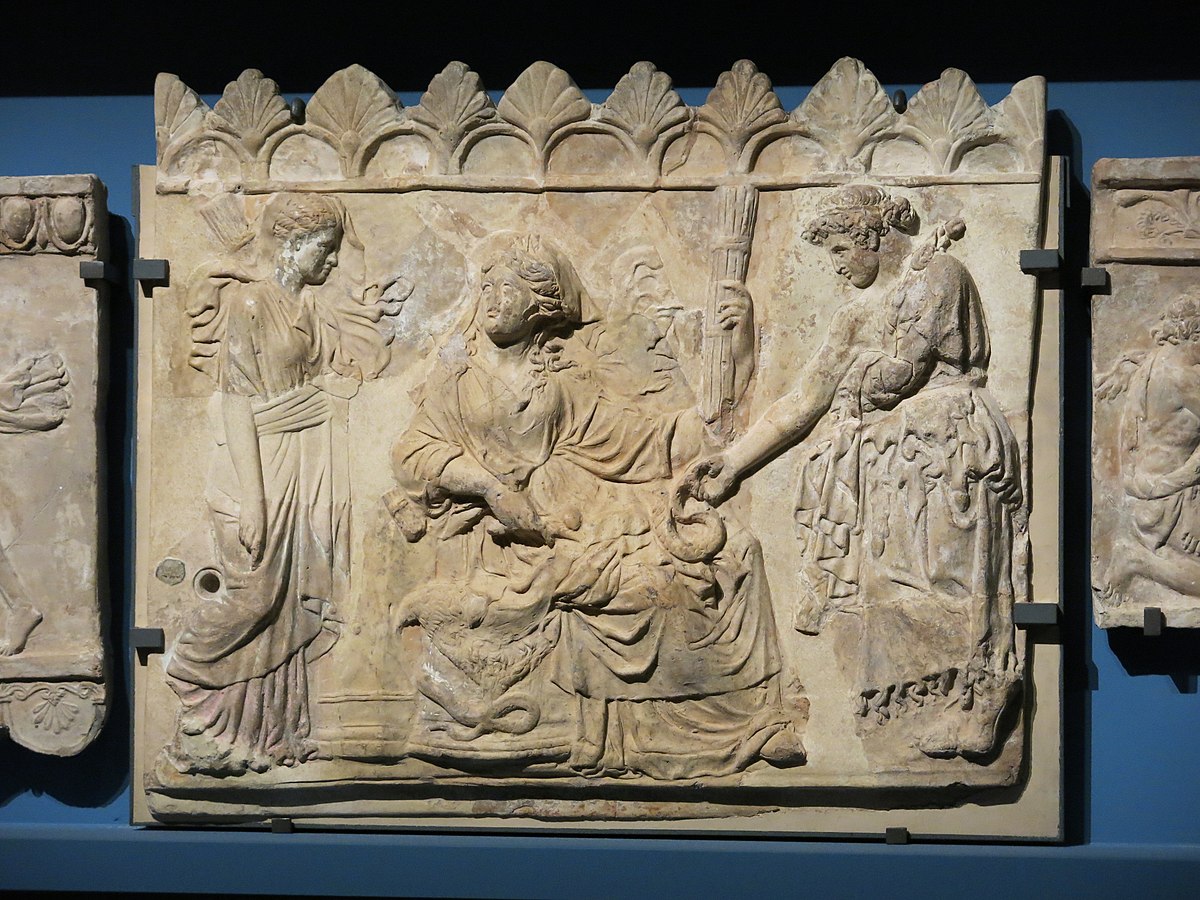
The Eleusinian Mysteries were considered critical to human survival & provided proof of the afterlife. They were practiced for almost 2,000 yrs. Many of the famous Greek philosophers & prominent Romans participated in the rites. Stay tuned as we go through this mystery religion.
Let's go over several flood stories & myths from our collective history. I will say it is curious that many cultures & civilizations have this story. Are they linked to a similar event or does every culture just end up with a flood at some point and thus a myth to explain it?
All actions have consequences. When Athens contacted the Persians for help, a misunderstanding created bad blood between the 2. A chain reaction of historical events would begin. In true Aristotle fashion, let's go through the beginning, middle & end of the #BattleofMarathon
To be a legend, you've got to make legendary moves. Let's review what Alexander of Macedon aka Alexander the Great did when he approached Thessaly after his father, King Phillip II, was assassinated. #alexanderthegreat
🧵of Assyrian Reliefs➡️ I'll keep adding to this thread in my highlight section as I post more of these, so bookmark. In my opinion these are some of the most impressive reliefs from antiquity.
Battle of Marathon told by Herodotus
"After their conquest of Eretria, the Persians lingered for a few days and then sailed for Attica...fully expecting that they would do to the Athenians what they had done to the Eretrians"
Mycenae - a trip back into the Bronze age ➡️ Part 1
The Cyclopean Wall of Mycenae dates from 1350 BCE to 1200 BCE. There were 3 phases of construction to the wall. The later years indicate the Mycenaeans were investing way more effort into fortifying the walls which is interesting and aligns with the general timing of the Bronze Age collapse.
Walking up to the entrance you find the legendary Lion Gate. The entrance is framed by 4 monoliths which would have featured a wooden door to the entrance at one point. There is also claims that the Lions atop of the entrance could have actually been sphinxes or griffins.
@visualsancients@DrDavidMiano The details in person are amazing and the eye is piercing. Was this the representative ram in the thicket that saved Issac?
The temple of Apollo at Corinth. Built c. 540 BC, it was one of the few remains of the Greek city to survive the Roman sack of 146 BC. Corinth had been a wealthy city, and many of its treasures were carried off to Rome. The city was refounded by Caesar in 44 BC.
1/5 Carved three and a half millennia ago from a piece of black steatite, this bull-head rhyton is today one of the symbols of the Minoan civilization. It's an image replicated in books and souvenirs everywhere.
Let's see this marvel of ancient art in 8 close-up📸.
1/ The Spartans were not the indigenous inhabitants of the Eurotas valley, but were a component of the Dorian migrations that took place during the 11th century BC, when population groups living on the periphery of the former Mycenaean world set out from their original cradles 👉
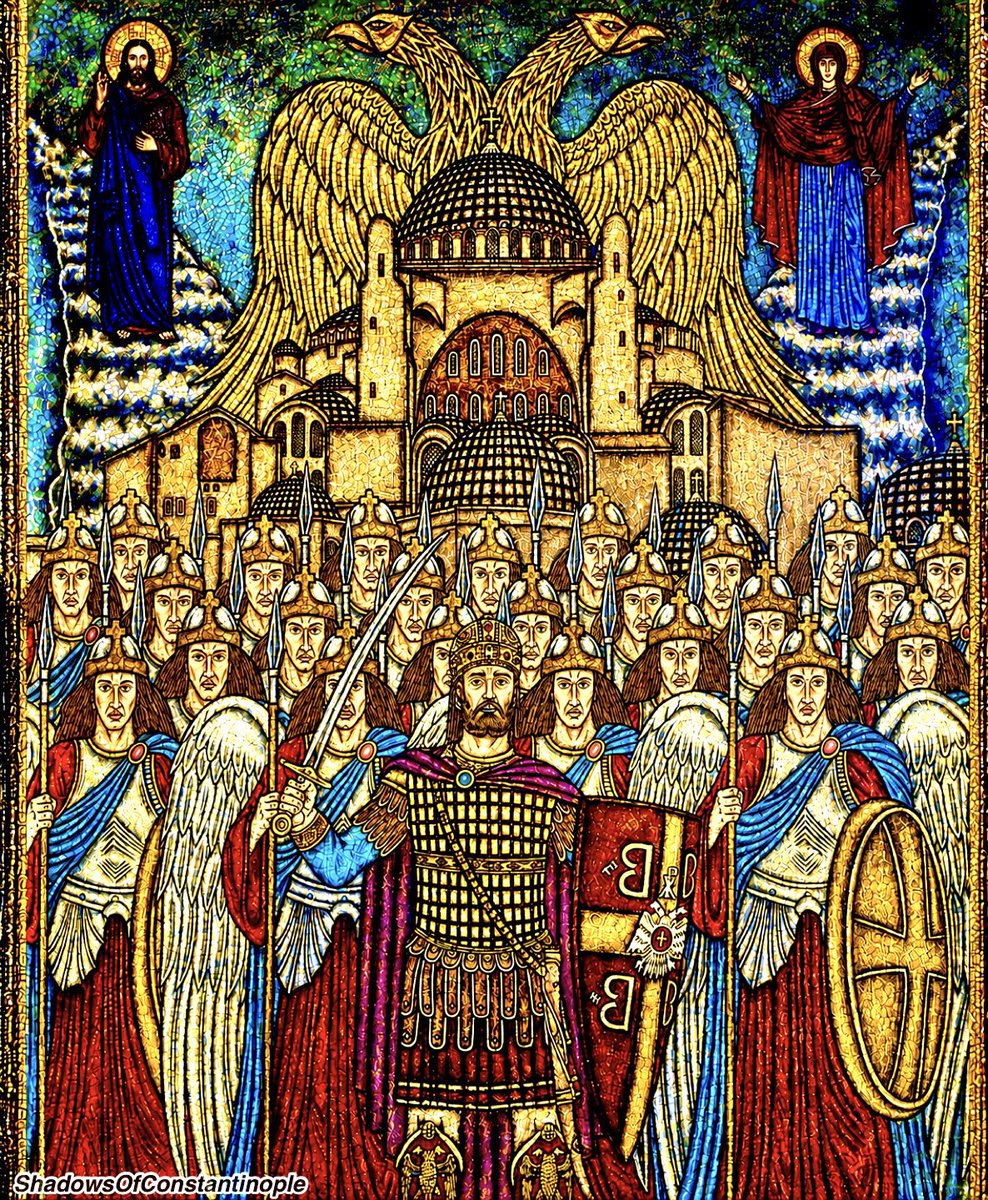
Today we remember the Fall Of Constantinople!
It was no ordinary city - it was New Rome, the city of Constantine, the Queen of Cities. It was the center of an ancient civilization, the capital, and the beacon of the Roman world!
On May 29, 1453 it fell, conquered by the Turks!
The "almond-shaped eyes, face-framing ringlets, and faint smile" reveal Greek Archaic period influence. Similarly, the curly beard and bulky hair over the neck recall Assyrian royal iconography, as in this bas-relief of Ashurnasirpal II (883-859 BC) at the Brooklyn Museum.
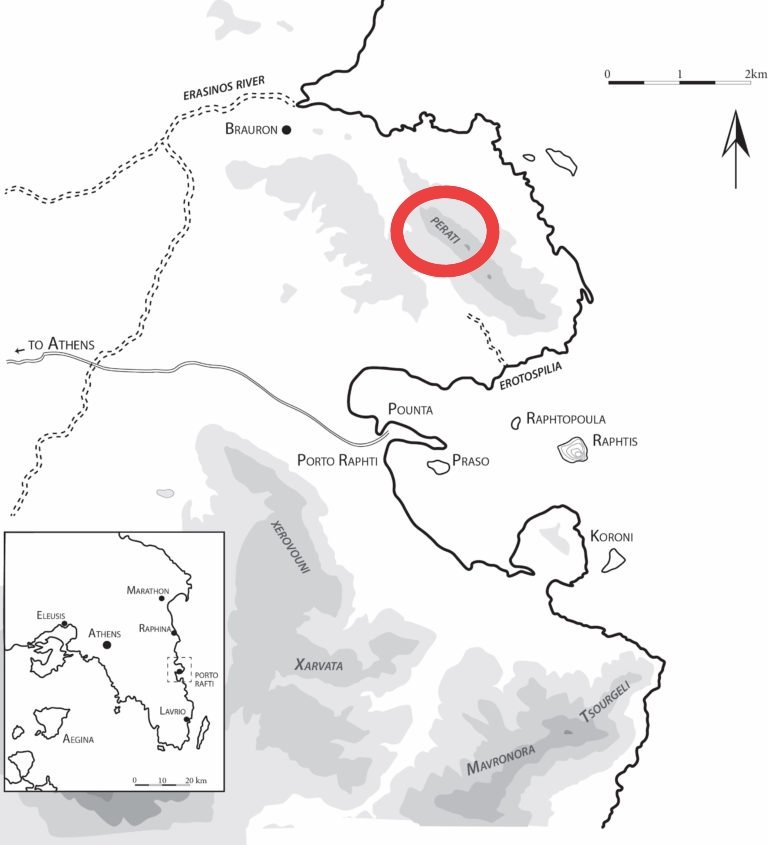
1️⃣ Perati was founded during the period of the fall of the Mycenaean palaces (1190 BC) by people associated with the old regime who arrived there as refugees looking for a safe place near the sea (it is believed that they came from the Peloponnese and Attica).
1/ During the 8th century BC, the Assyrians, under the leadership of powerful kings, expanded their rule in Syro-Palestine, seeking direct access to the harbors of the Mediterranean and mainly control of the rich Phoenician cities (access to precious metals, timber, fabrics).
"As men of reason we scoff at it; as men of business we fear it; as men of religion and good will we loathe it; and as artists we love it... Our response to the sudden fact of war is a response of thrilled emotion, an aesthetic delight, a self-yielding to some dark allurement more powerful than all reason and contemptuous of all expediency... At last, at last we are living deep... It is not the ape and tiger in us that leap to the call of war, but the poet." Ernest Raymond