Decolonial Hacker critically examines cultural institutions, corporations, and nation states to interrogate their influence on the conditions of living.
“Settler-colonialism [is] bound inside a number of conundrums centred around the concept of childhood, and the real existence of people categorised, variously, as children.”
https://t.co/VjMou1V3yA
You can read and listen to this essay on the Decolonial Hacker website. Link in bio 📖🎧 🇵🇸
∙ ∙ ∙
Download the Decolonial Hacker extension for Google Chrome and Firefox now. The links can be found on our website or via the Chrome and Firefox stores! 🏛💥
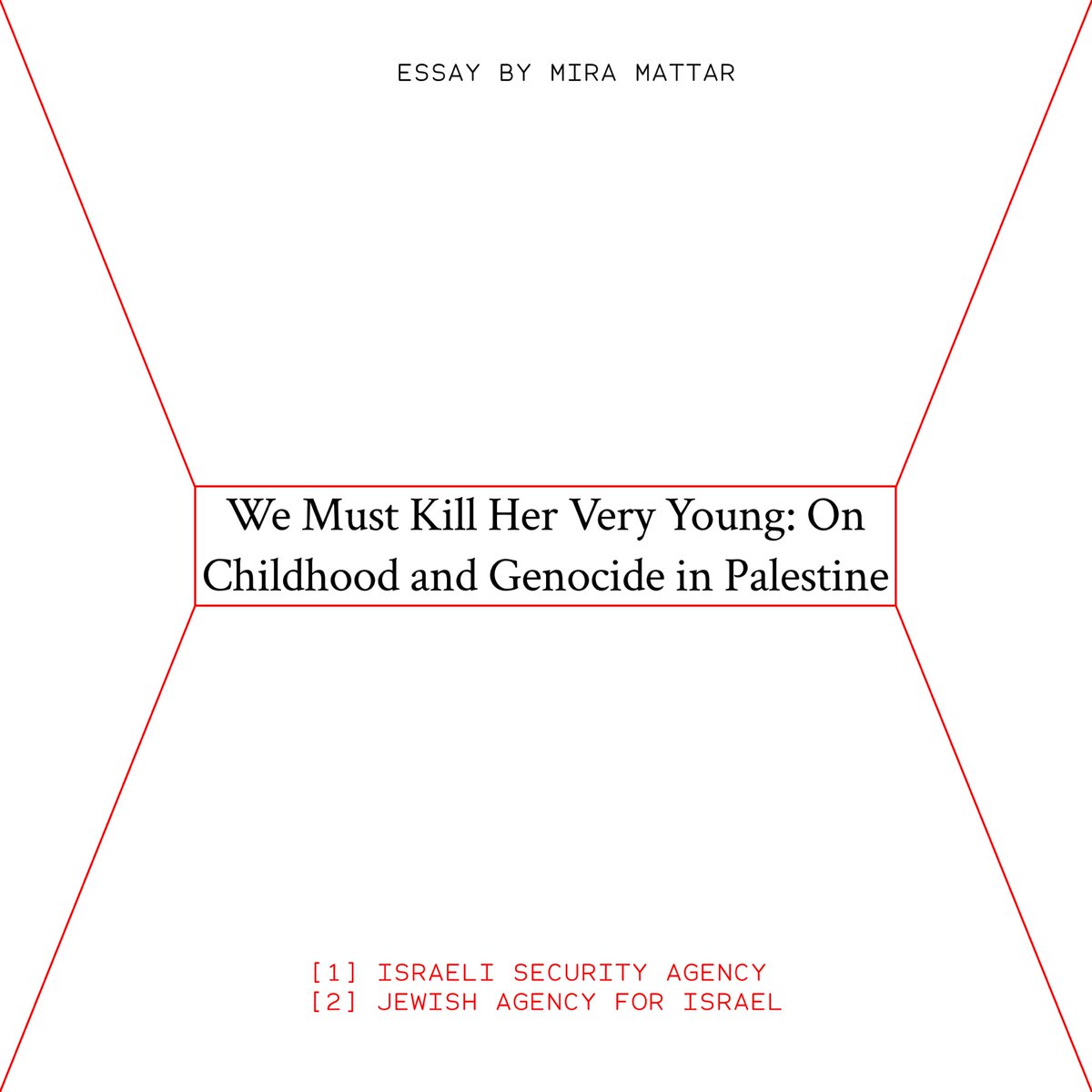
Mira Mattar (@_her_moth_) analyses how the Zionist entity works to naturalise Palestinian children as embodiments of inherent criminality, or, latent terrorism: a “racialising process of making-demonic” that justifies their imprisonment and dehumanisation.
On the Decolonial Hacker extension, “We Must Kill Her Very Young: On Childhood and Genocide in Palestine” hacks the websites of the Israeli Security Agency and the Jewish Agency for Israel 🌐⛓️
Un lessico rubato
Il colonialismo inizia con il linguaggio
Questo saggio sul nesso linguaggio-colonizzazione di Shahram Khosravi è stato pubblicato su @decolonialhackr, che ringraziamo per la concessione
La traduzione dall’inglese è di Giovanni Marenda.
https://t.co/ymU8YDu3Jq
Download the Decolonial Hacker extension for Google Chrome and Firefox now. The links can be found on our website or via the Chrome and Firefox stores 🏛💥
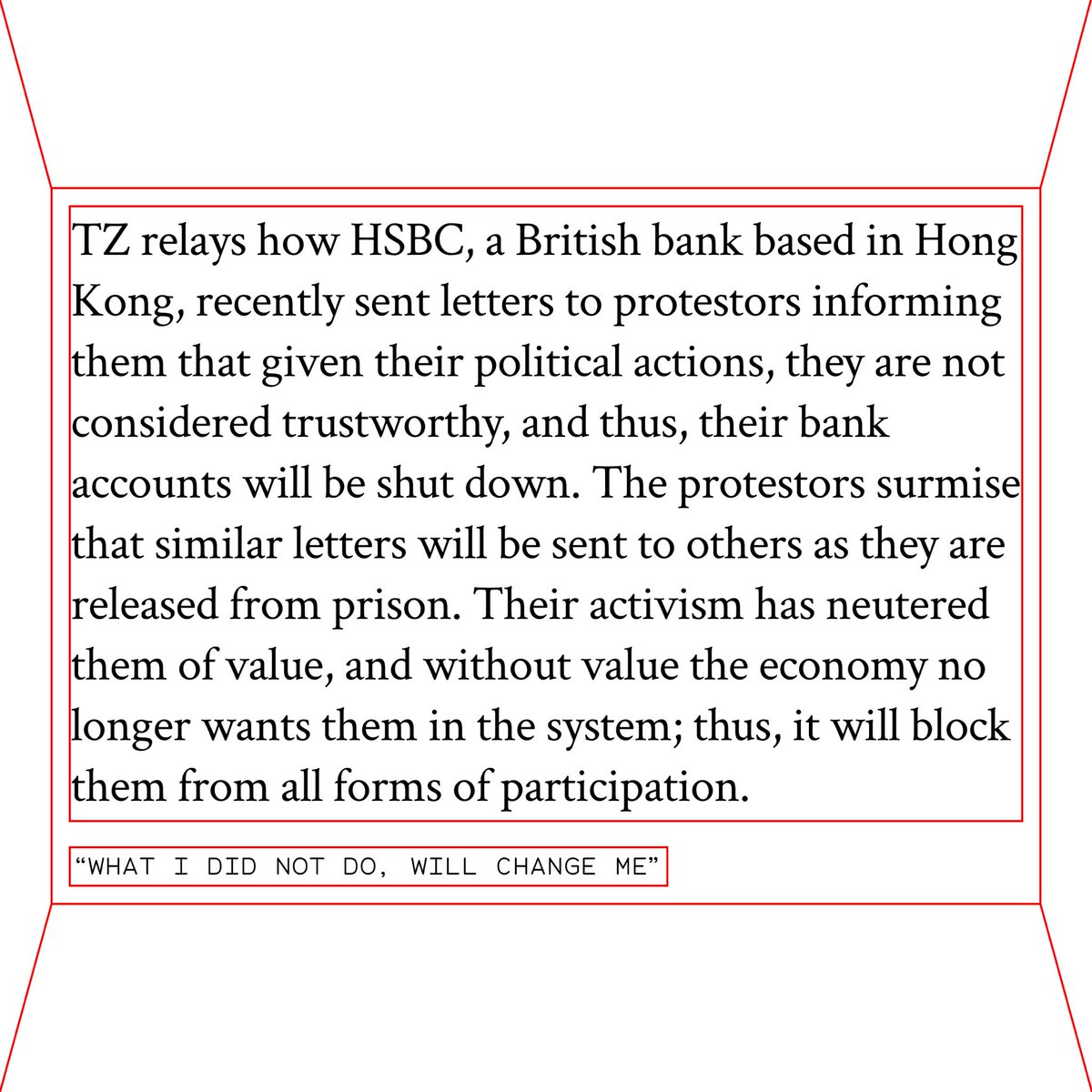
On the Decolonial Hacker extension, “What I Did Not Do, Will Change Me” by Eunsong Kim hacks the websites of the Correctional Services Department, Hong Kong, and HSBC (Hong Kong) 🌐⛓️
∙ ∙
You can read and listen to this text on the Decolonial Hacker website. Link in bio 📖🎧
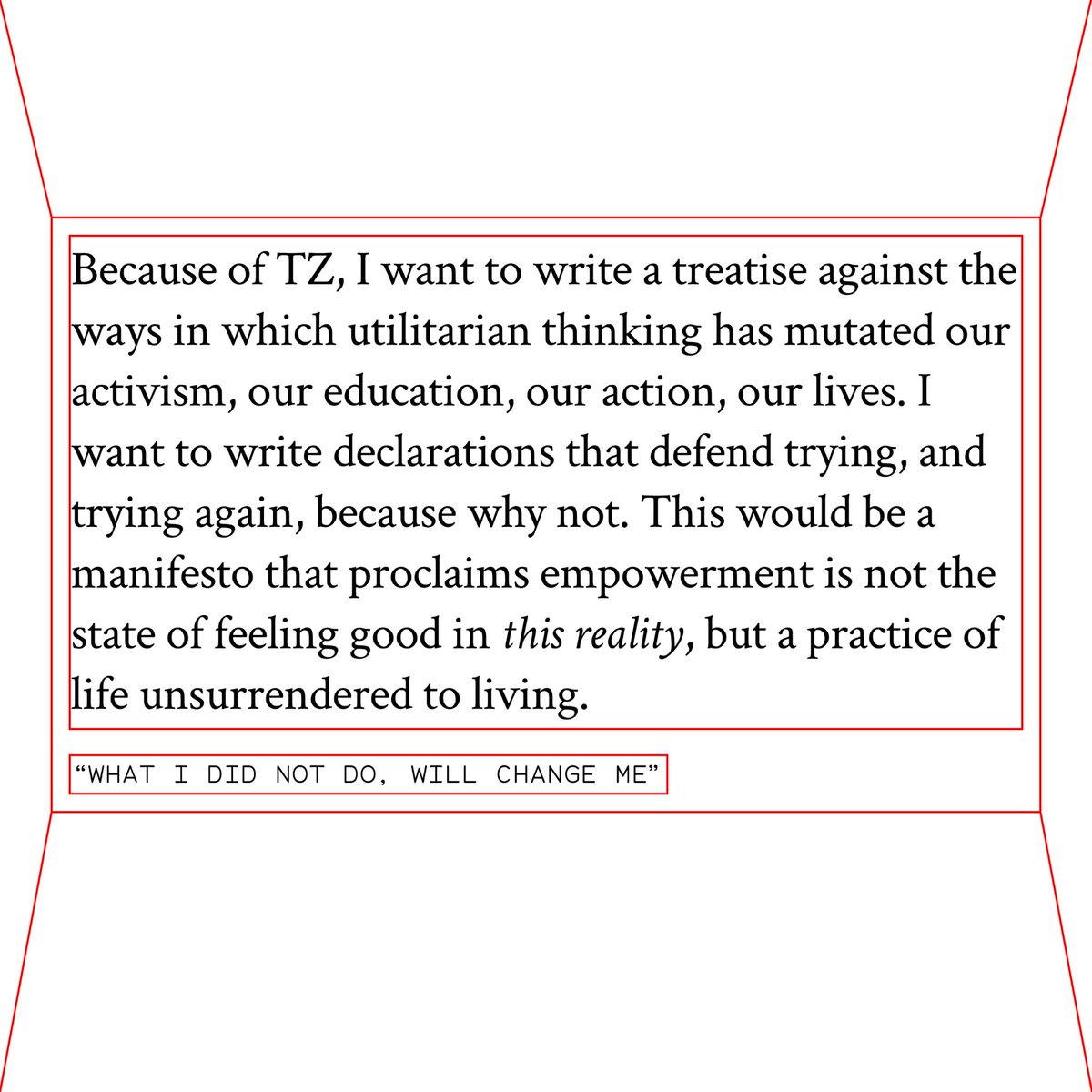
Against the sentencing of the Hong Kong 47 in recent days, TZ’s letters reassert the protest movement’s ideological frame: “I hope I will never yield to this reality.” ☂️🧱🚧
Eunsong Kim reflects on the correspondence between herself and her former student TZ, sent whilst the latter was incarcerated for participating in Hong Kong’s 2019–2020 uprisings.
A moving tribute to her former student and the principle of teaching, learning, failing and trying again, Eunsong rejects the cynicism of patronizing revolutionary action as idealistic and impermanent; a way of thinking she deems “the normalization of utilitarian theory as life.”
Here, excerpts from TZ’s letters function as a political anchor for Eunsong, who writes on the role of pedagogy as it pertains to the stoking of a revolutionary consciousness.