Tomorrow is a day I’ve been waiting for for years.
In 2022, NASA’s DART changed the orbit of an asteroid. But what actually happened to Dimorphos?
A crater? A completely reshaped asteroid?
Tomorrow evening, our Hera mission will reveal the first detailed post-impact images.
For our team, this is the culmination of years of persistence, extraordinary teamwork and a shared ambition: learning how to defend our planet.
Join us live from Berlin!
📅 25 November, 19:45 CET
https://t.co/1XNa9ZcH0o
https://t.co/nFMxfDlt6G
🌍 A historic scientific adventure and a remarkable example of international space cooperation!
MMX demonstrates ESA’s long-standing partnership with JAXA
2026 really is the year of eclipses! ☀️🌑
Last August, I was in Menorca watching the solar eclipse with my own eyes. An unforgettable experience.
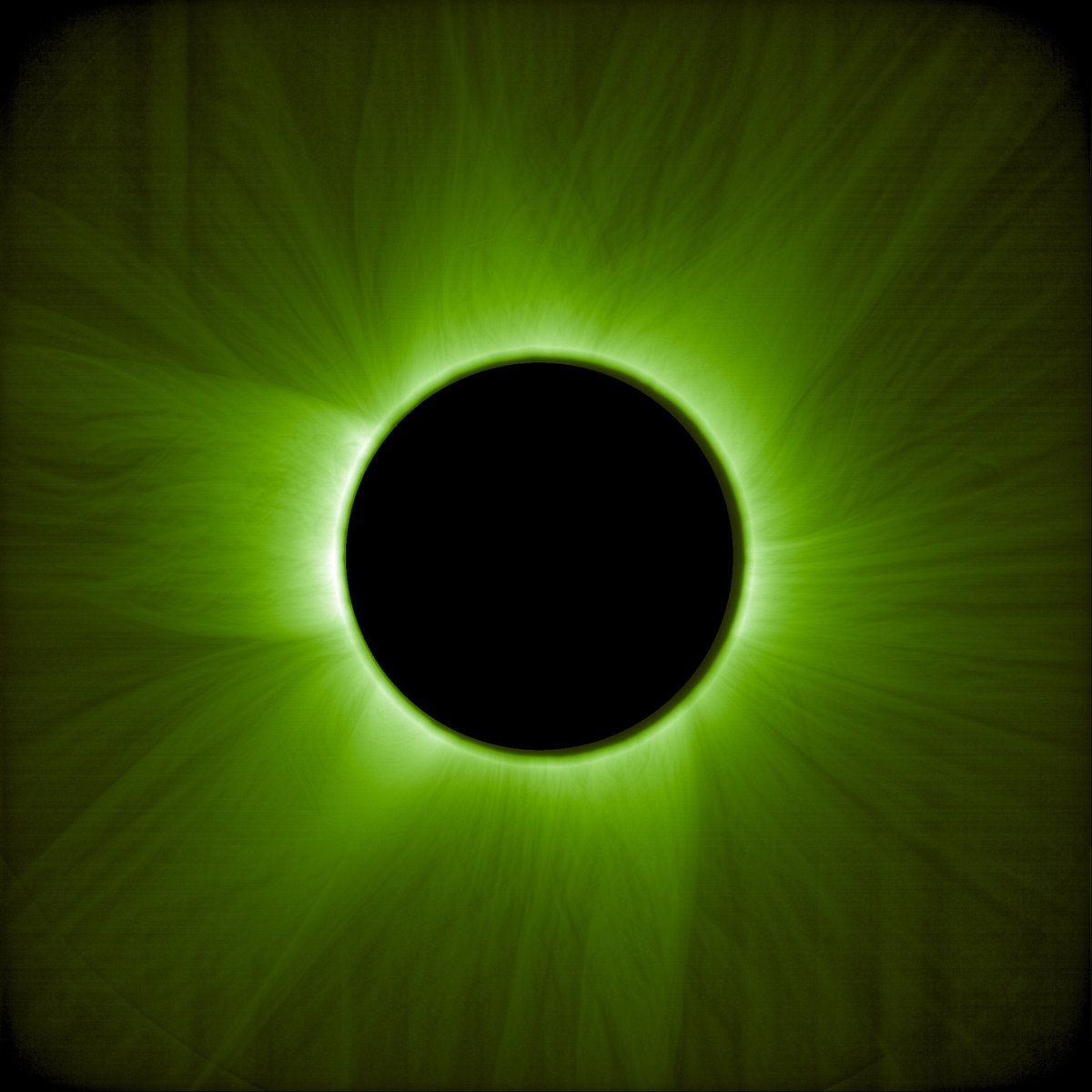
Meanwhile, ESA’s Proba-3 was performing an even more extraordinary experiment: two spacecraft flying in precise formation to create artificial solar eclipses in space, allowing us to study the Sun’s corona. And during the August eclipse, it witnessed the Moon passing in front of the Sun too!
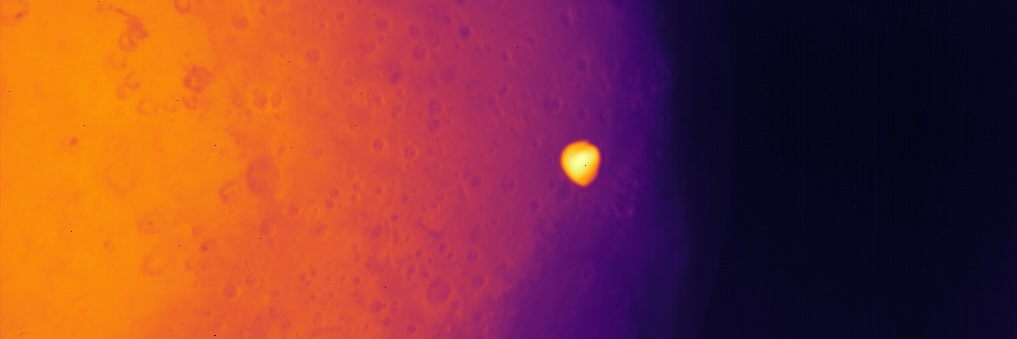
And now, 150 million km from Earth, our Hera spacecraft has captured another eclipse: tiny Dimorphos casting its shadow across its larger companion, Didymos.
Three eclipses. Three completely different perspectives.
One beautiful reminder of why I love space exploration. 🚀
@ESA_Hera@esa_tech
Explore Hera: https://t.co/1XNa9Zc9aQ
☀️🪨A solar eclipse in space: the 151-m Dimorphos asteroid, a kilometre away from its Didymos parent, casts a shadow down to its rocky surface - as seen by ESA's Hera mission for planetary defence
https://t.co/4wsy69ZGrB
One of the most fascinating things about Hera is that DART already proved we can change an asteroid's motion. Now we have to understand precisely how it happened.
That's the science I'm most excited about as we study Dimorphos.
https://t.co/qtBrkxBN3Y
We're about to reach a very special asteroid - the first body in the Solar System to have had its orbit measurably shifted by human action - after NASA's DART impacted it. We need to know what happened next - to make Earth safer!
https://t.co/KpoYIU28lr
What an incredible achievement, 8 years voyage, multiple gravity assists: I’ve always been fascinated by the complexity of optimizing trajectories using electric propulsion and gravity assists. AI will now crack that problem so easily 🤯
We've heard back from Bepi - the spacecraft is now in contact with Ground and the teams at ESOC are busy assessing the telemetry, but Flight Dynamics already has confirmed it achieved orbital capture around Mercury!
Early next week we'll share the next update with the upcoming steps.
In 2022, humanity changed an asteroid’s orbit.
On Wednesday, we finally get to see what we did to it.
After years working on @ESA_Hera, this is the moment I’ve been waiting for. A crater, or a reshaped Dimorphos?
25 Nov · 19:45 CET
https://t.co/B1l7CfX2be
https://t.co/1XNa9ZcH0o
@DJSnM One of the strangest things about @ESA_Hera ? We fly a “rectangular orbit” around two asteroids with almost no gravity.
@DJSnM, I suspect the orbital mechanics will appeal to you.
🗣️ to Hera 🎙️: https://t.co/qtBrkxBN3Y
@DrBrianMay has always been a strong advocate of planetary defense with @AsteroidDay and supported us starting back with the AIM mission. When funding did not materialize at CM16, he encouraged us to continue. I am most grateful to him for his support, kindness and availability throughout these years 🙏🏻
Hera science team member, Queen guitarist & all-round Rock Star Sir Brian May has added a new dimension to our Hera spacecraft's survey of the Didymos asteroid via stereoscopic 3D views!
https://t.co/aehCSL3sJ9
Hera science team member, Queen guitarist & all-round Rock Star Sir Brian May has added a new dimension to our Hera spacecraft's survey of the Didymos asteroid via stereoscopic 3D views!
https://t.co/aehCSL3sJ9