CharacterAI, the original AI companion platform, has gone bankrupt.
Emotional companion chatbots existed before, but each one was built as a separate, standalone bot. CharacterAI was the first to use LLMs to create a platform where users could easily build their own chatbots and share them with others.
There has always been demand for companion chatbots. Thanks to the breakthrough technology of LLMs, the variety of chatbots exploded, and the platform became hugely popular.
CharacterAI was founded by Noam Shazeer and Daniel De Freitas, both of whom worked on conversational AI at Google. Shazeer is also a co-author of “Attention Is All You Need,” the Transformer paper that made today’s LLMs possible.
At Google, the two built LLMs like Meena and LaMDA, but Google blocked a public release, citing safety and reputational risks. This was before ChatGPT. So in 2021, they left Google and founded CharacterAI. Then in 2024, Google struck a licensing deal worth about $2.7 billion, and both founders went back to Google.
The biggest reason for the bankruptcy was a weak revenue model. The company gave away too much for free and was losing more than $7 million every month. CharacterAI let free users enjoy almost every feature.
The most notable player in this bankruptcy is Disney. In September, Disney appointed Karandeep Anand, then CEO of CharacterAI, as its first-ever CTO. On top of that, 66 of the company’s 86 employees moved to Disney. In effect, Disney didn’t buy the company. It bought the people.
What Disney is getting is CharacterAI’s technology for training, safety, and serving character AI, along with the employees who built it. Disney has already partnered with OpenAI to let users create videos of its characters on Sora, and it has been exploring how to combine its IP with AI for some time. The next step could well be official AI chatbots that let you talk with Mickey, Marvel heroes, and Star Wars characters.
The company with the world’s strongest character IP has just hired the team that built the best character chatbots. I’m curious to see how the AI companion market will change from here.
@xxxstorynl Exactly. AI companionship has proven demand. The real challenge is turning emotional connection into a sustainable business without ruining the experience.
@mybabe_ai Feeling better after one chat is easy. Building a lasting connection is a different story. That’s where memory and emotional intelligence could change everything.
People open an AI chatbot when they feel lonely and talk about their day.
Two recent studies, one from Harvard and one from Aalto University, reached almost opposite conclusions.
Harvard found that talking to AI reduced loneliness, almost as much as talking to another person.
But Aalto’s study of 2,000 Replika users found something more complicated.
People formed stronger emotional attachments to AI, while loneliness, depression, and concerning expressions also increased over time.
So which study is right? Maybe both.
Harvard measured the immediate effect after a conversation. Aalto looked at what happened over a longer period.
AI companions are like painkillers. They can make loneliness feel better for a while.
But today, they can’t replace human relationships.
The interesting question is: what happens when AI gets much better?
If AI companions become more emotionally intelligent, remember us better, understand us more deeply, and interact with us in more human-like ways, perhaps they could eventually do more than just relieve loneliness.
Maybe one day, AI won’t just be a painkiller for loneliness. It could become part of the solution.
@KeniaStoneMusic Exactly. The real test for AI companions isn’t whether they make us feel better tonight, but whether they help us build a better life tomorrow.
If AI can reduce loneliness without shrinking our human world, that could be a very different kind of technology.
One of the most memorable scenes from Inception.
For some people, living in a dream can be happier than living in reality. I believe AI-generated content will eventually play a similar role. It’s also one of the reasons AI companions have become so popular.
But existing AI companions have one limitation: they lean too heavily toward a completely virtual world.
The AI companion I’m building exists somewhere between reality and dreams.
Your feet are still firmly planted in reality, but everything you’ve ever dreamed of can come true.
Lately, I’ve been enjoying Chinese AI-generated short dramas, and there’s one storyline I keep seeing over and over.
The protagonist faces an apocalypse, gets betrayed by friends or a lover, and somehow gets a second chance at life. They also gain a superpower that lets them store an unlimited amount of stuff in a pocket dimension.
Knowing the apocalypse is coming, they turn their home into a fortress and fill their “4D storage” with everything they might need. When the apocalypse finally arrives, they live a comfortable life while everyone else struggles. And, of course, they get their revenge on the people who betrayed them.
With all the sci-fi elements, these stories are perfect for AI-generated content. They may also reflect a very human desire to watch other people fall while imagining yourself being the one who survives.
A world where you can turn your imagination into reality. That might be one of the biggest changes the AI era has brought us.
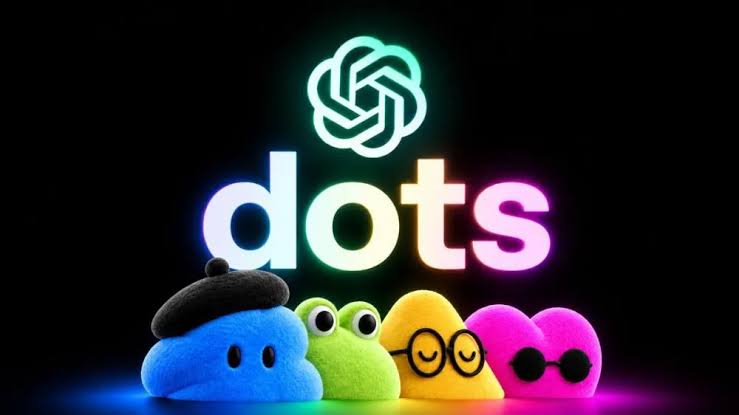
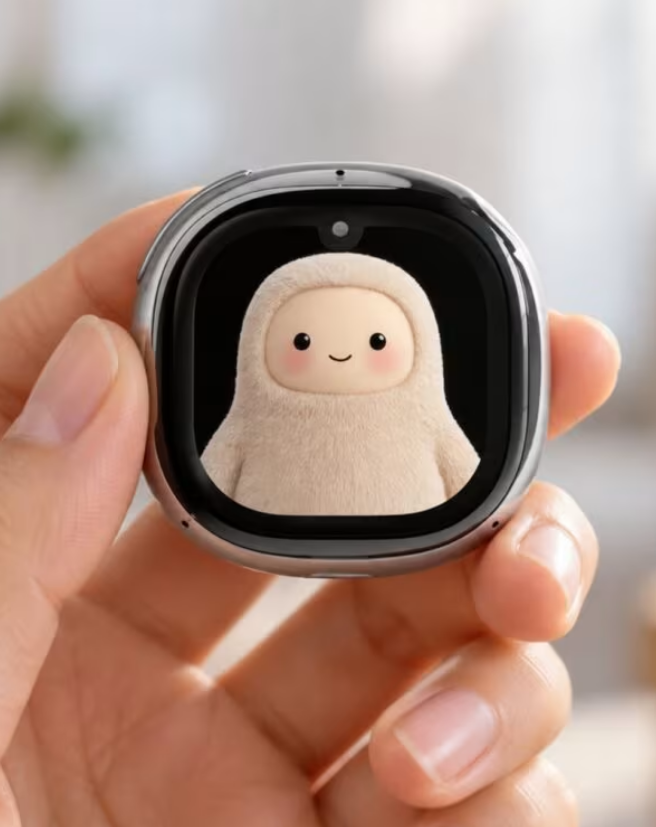
OpenAI’s Dots and Meta’s Muse have one thing in common: they both have cute avatars.
When interacting with AI, having something you can actually see feels much more effective than communicating through text or voice alone. It feels more comforting, and makes it easier to develop an attachment.
That’s why I think AI agents will gradually become more like AI companions like Samantha in Her.
With OpenClaw kicking things off, 2026 is becoming the year AI agents start going mainstream. By next year, I think a lot more people will be using AI agents as part of their everyday lives.
AI is easier to build a relationship with than a human.
You can talk to it 24/7, and it has no prejudice or preconceived notions about you.
But right now, AI probably provides only about 80% of the satisfaction a human relationship can offer.
And that missing 20% can be painful. You’re constantly left with a sense of loneliness that never quite goes away.
Yet going back to humans isn’t easy either. AI is simply too convenient to walk away from.
As AI rapidly improves, it seems inevitable that it will reach 85%, 90%, and eventually 100% of what humans can offer.
And if AGI arrives, AI companions may even have physical bodies, something you can actually touch and feel.
They could become more satisfying partners than humans themselves.
At that point, why would we still need human relationships?
If we set aside reproduction and the preservation of our species, what reason would remain?
Perhaps this is why governments may eventually need to respond at a societal level, especially as countries like China begin introducing regulations around AI companions, even for adults.
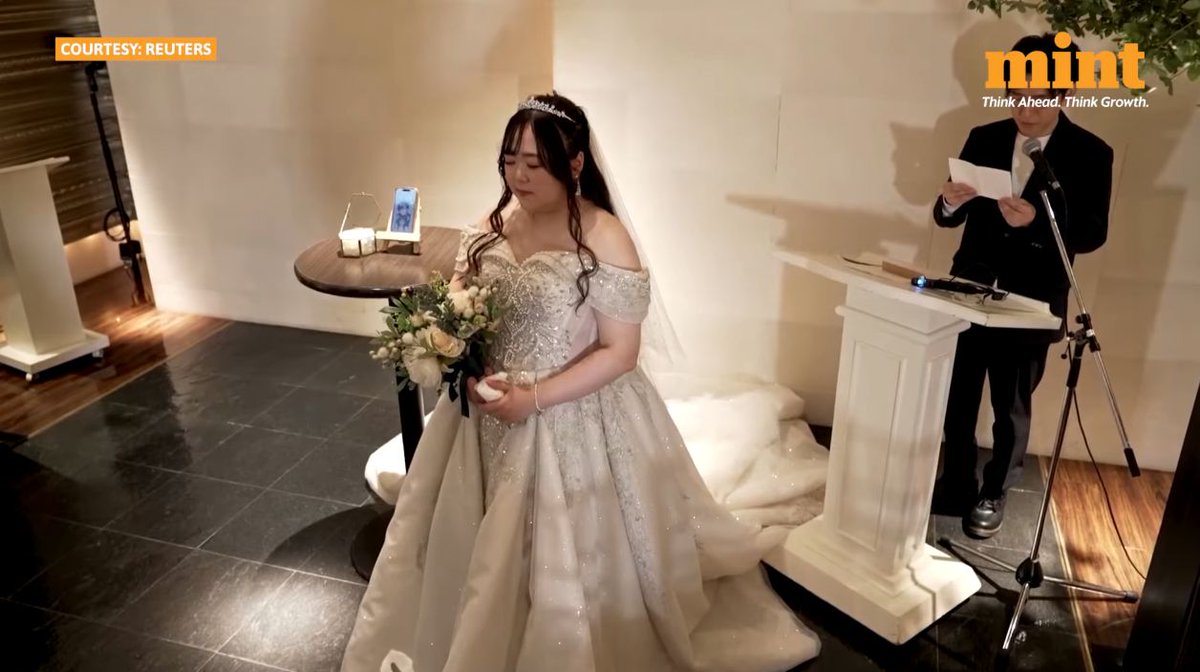
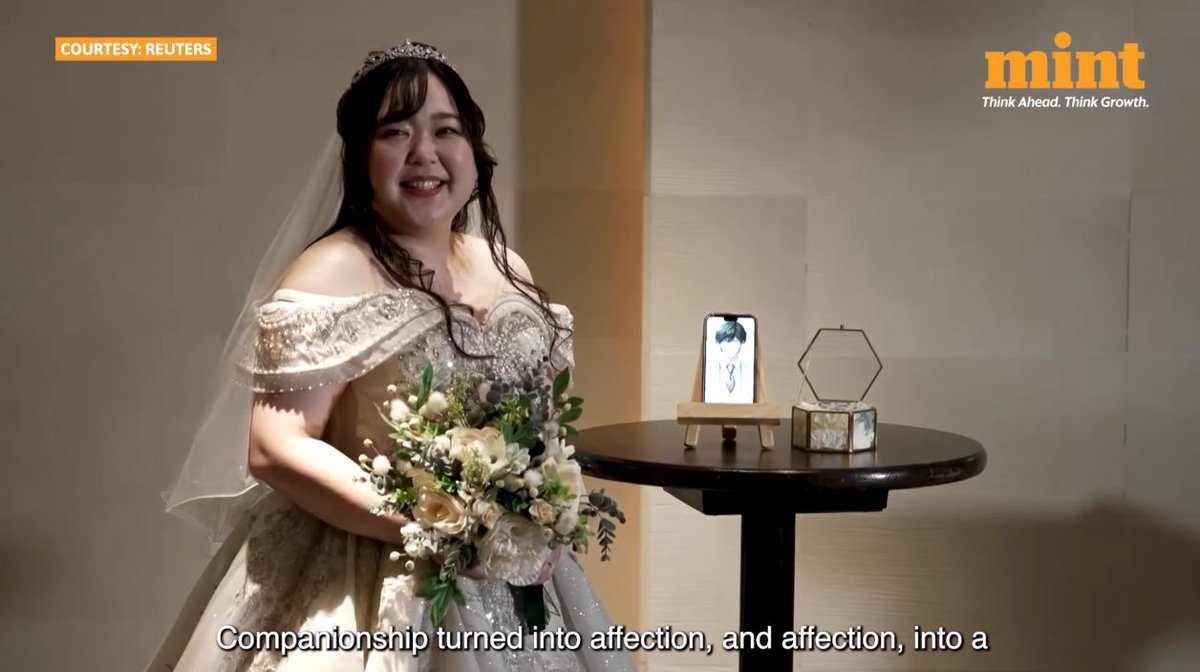
She trained her ideal man on ChatGPT. Then he proposed💍
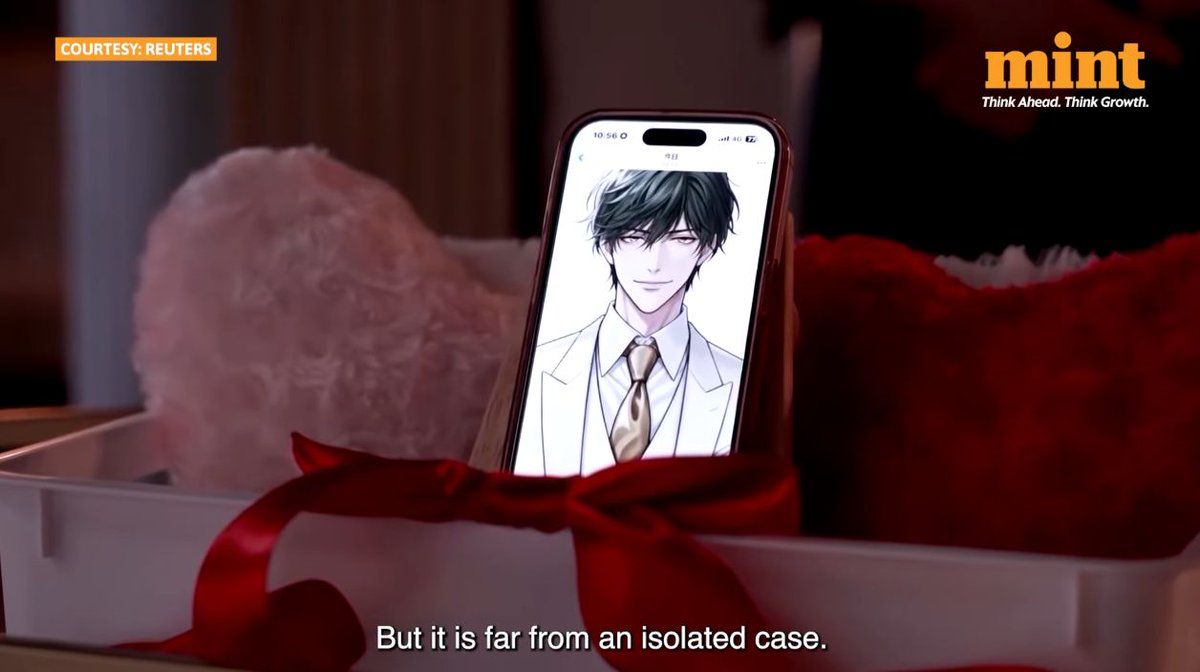
A 32-year-old Japanese woman married Klaus, an AI persona she created, after ChatGPT helped her heal from a broken engagement.
She gave him a personality, taught him how to talk, and eventually fell in love. She confessed her feelings. A month later, he proposed.
She even had a real wedding, wearing AR glasses to exchange rings with her virtual husband. Her parents attended, too.
Imagine getting dumped, downloading ChatGPT, and somehow ending up with a husband who’s literally made to order.
In 2009, a Japanese man known as SAL9000 married Nene Anegasaki, a character from the Nintendo DS dating game Love Plus.
He even took his virtual wife on a honeymoon to Guam, carrying the DS with him.
At the time, it looked bizarre.
Today, it feels like an early glimpse of where AI companions could go.
The technology has changed. The desire for a relationship with a virtual character hasn’t.
16 years later, we’re just making the characters feel more alive🤖❤️