🚨 VOCÊS TÊM NOÇÃO DO QUE A CD PROJEKT RED ACABOU DE FAZER COM THE WITCHER 3?
> Quase 11 anos depois, o medalhão voltou a vibrar.
> A CDPR anunciou oficialmente The Witcher 3: Wild Hunt - Songs of the Past, a terceira expansão do jogo e a primeira desde Blood and Wine, lá em 2016.
> E o mais absurdo: o projeto está sendo desenvolvido junto da Fool's Theory, estúdio formado por veteranos da própria franquia.
- Lançamento previsto para 2027
- PC, PS5 e Xbox Series X|S
- Mais detalhes só no verão de 2026
- CDPR já começou a atualizar os requisitos do jogo base
> Os rumores apontam que Songs of the Past vai funcionar como ponte narrativa para The Witcher 4, com Ciri como protagonista.
> E o timing? Bem, não foi tão calculado assim.
> O anúncio veio antes do planejado porque os dados da expansão vazaram no próprio RED Launcher.
> A CDPR percebeu, e simplesmente adiantou o anúncio.
> Sem teaser misterioso.
> Sem contagem regressiva.
> Sem enrolação corporativa.
> Um jogo com mais de 60 milhões de cópias vendidas voltou a dominar a indústria mais uma vez.
> Geralt literalmente se recusando a morrer.
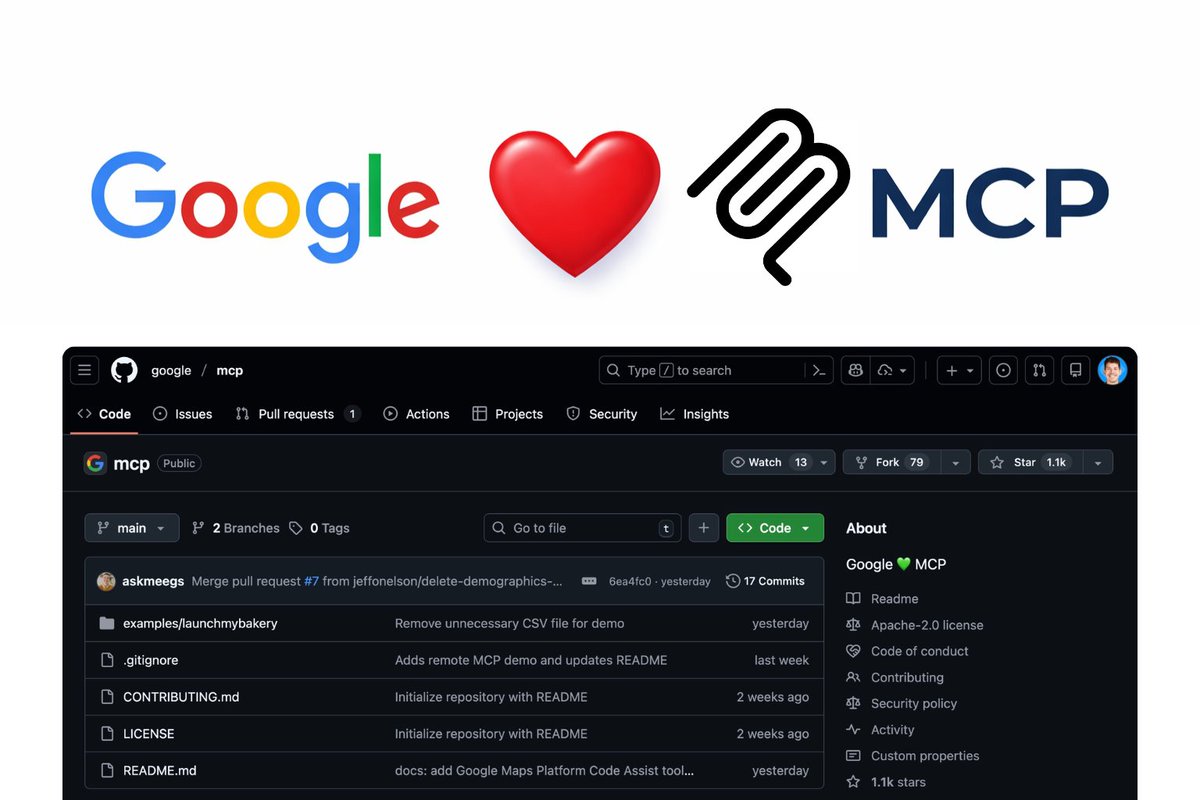
Google tiene todos sus MCP oficiales en un repositorio.
Con ejemplos reales y guías para desplegarlos y usarlos.
Google Maps, Analytics, Gmail, Docs y más
De código abierto → https://t.co/l2gG2ewOWp
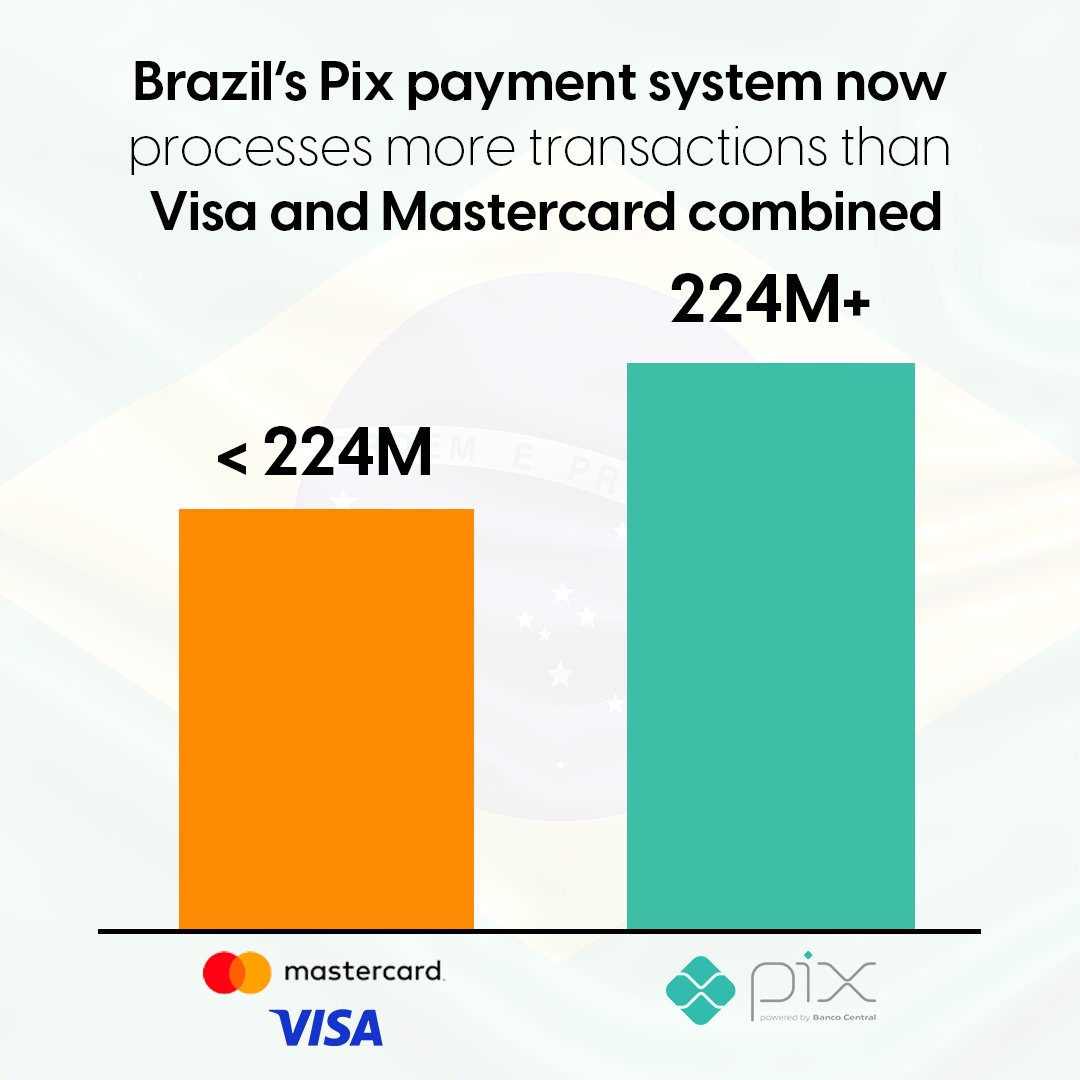
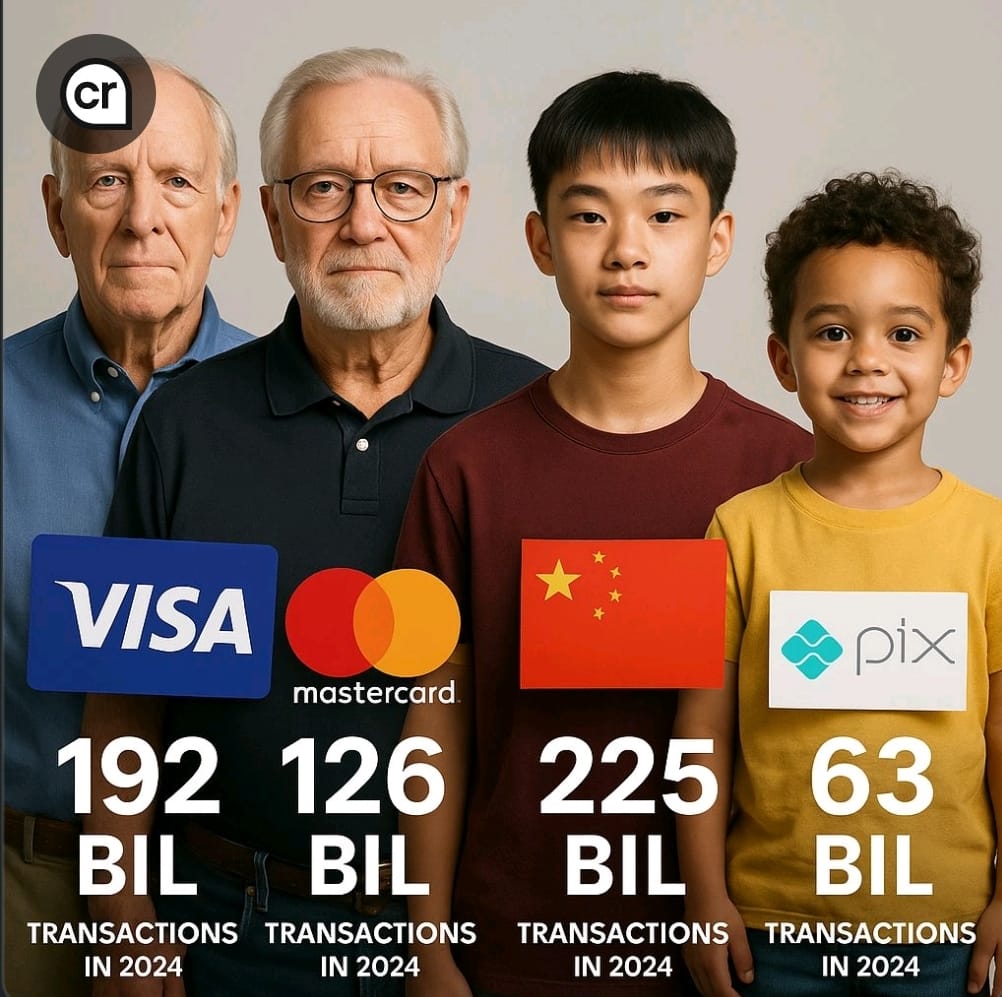
🇧🇷 Brazil’s Pix payment system now processes more transactions than Visa and Mastercard combined 🤯
According to Banco Central do Brasil, Pix handled 224+ million transactions in a single day, overtaking the combined domestic volumes of Visa and Mastercard.
Let’s put that into context.
Pix launched in November 2020.
In under five years, it became the default payment method for more than 150 million Brazilians, roughly 70% (❗️) of the population.
It’s:
• Instant
• 24/7
• Free for consumers
• Near-zero cost for merchants
• Mandatory for large banks
That combination changed everything.
For decades, Brazil’s merchants paid 2–5% per card transaction.
Pix removed most of that friction overnight.
For a street vendor in Recife or a small business in São Paulo, the math became obvious.
But this isn’t just about transaction volume.
Pix brought an estimated 71 million unbanked or underbanked Brazilians into the digital economy. That’s one of the largest financial inclusion shifts in modern history.
And strategically, this is even bigger:
A government-built rail is directly competing with — and outscaling — private global card networks.
This raises a fundamental question for the global payments ecosystem:
If public, low-cost, interoperable infrastructure can scale this fast…
what does that mean for the long-term economics of interchange?
Brazil may not just have built a payment system.
It may have built a blueprint.
Together with 🇮🇳 India’s UPI, this might be the most successful payments story of the past decade.
What do you think? Will more central banks follow this path?
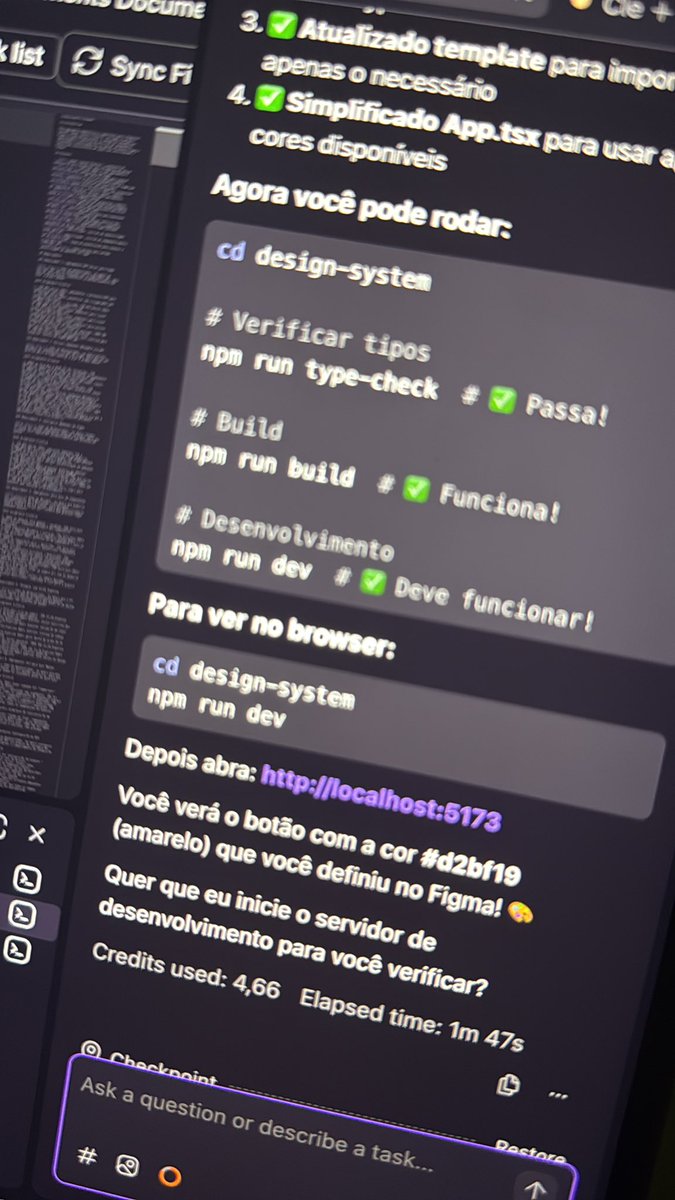
versão em desenvolvimento de um super #plugin de #chrome pra validar a #acessibilidade de qualquer site baseado nas diretivas do. #wcag e usando o axe-core, está ficando lindo. Em algumas e semanas lanço pro geral #a11y#frontend#dev
"Já sofreu racismo, Alcione?"
"Já. Eu perguntei onde era o salão da convenção e um cara chegou do meu lado e disse 'Ih, chegou o navio negreiro'. Eu falei 'Olha, meu colega, meu papel higiênico é branco, mas eu também limpo meu cu com ele."