I teach them what AI actually is, what it does, and all the ways the results are not actually good. I have them read about the labor exploitation and the environmental impact. I tell them that I would prefer their imperfect English to AI. And I tell them I am not the AI police.
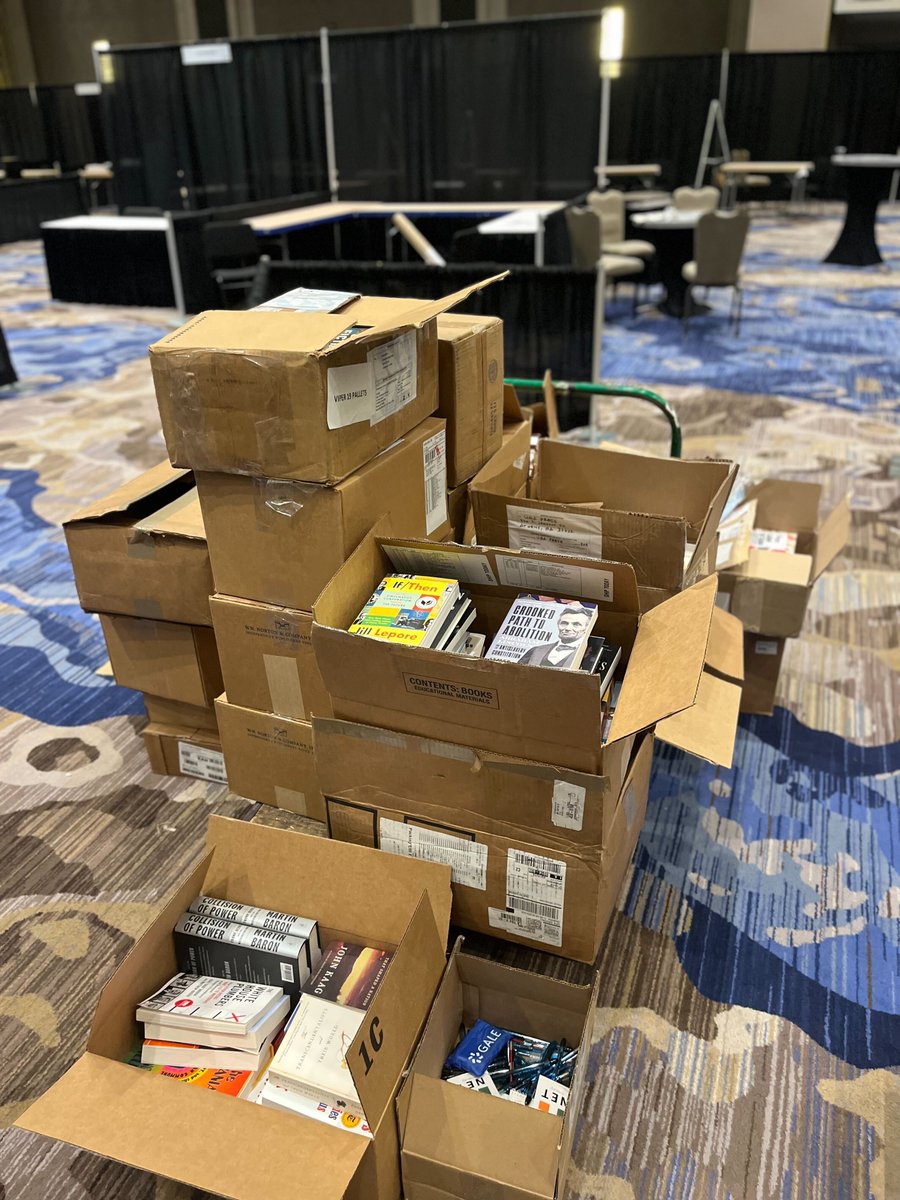
🥳 Congrats are in order! Loyola-Rayburn is the recipient of our 2024 Book Bridge Program donation! HUGE thank you to #OAH24 exhibitors who donated to our program! Read more 👉 https://t.co/YJYQkAAa4N
@c_hackett@afrofuturistlib@fsulibraries can help you understand this and other nuances of publishing contracts, copyright, and how to share your dissertation with folks who don’t have access to ProQuest databases.
This @osuehe podcast on the cost of book banning may be my favorite yet--incredible perspective on why "difficult" books are essential resources: https://t.co/JdcvHtXE8Q
After so much superficial treatment of banned books related to #bannedbooksweek, it's good to see this depth.
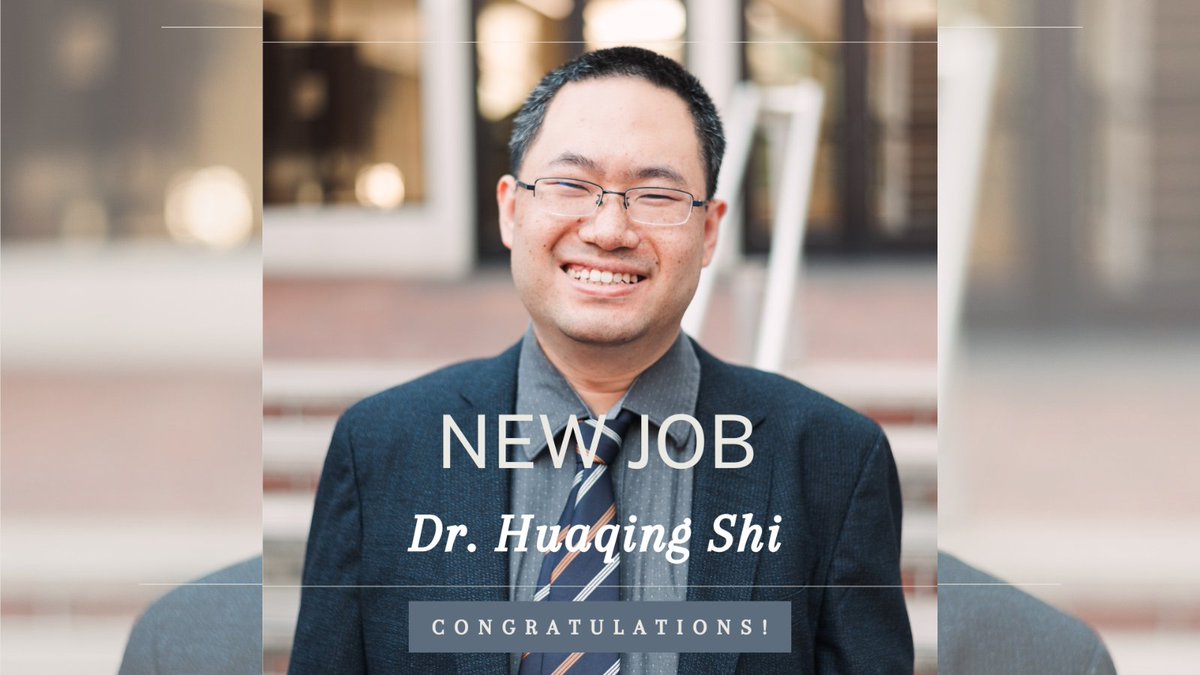
Time to share some news. I’m leaving @fsulibraries at the end of this month and moving back to New Orleans where I’ll be Head of Research & Instruction at @LoynoLibrary. Going home and starting a new adventure!
@kelseybogan Last year I put up an exhibit called “Against Liberty: A History of Book Banning in Florida” that focused on who bans books and why. Enslavers, Lost Cause Confederate orgs, and anti-civil rights politicians all afraid of losing the power to oppress others.
Something that will never not bother me is when adults say "kids/students give their data away for free anyway" as justification for any practice. So? Mimicking industry practices of "informed" consent should be a red flag for us to reconsider what we're doing!